Choosing a 100 Ton Load Cell: Key Considerations

application/100-ton-load-cell, application/100-ton-load-cell, 
Inquiry
Inquiry

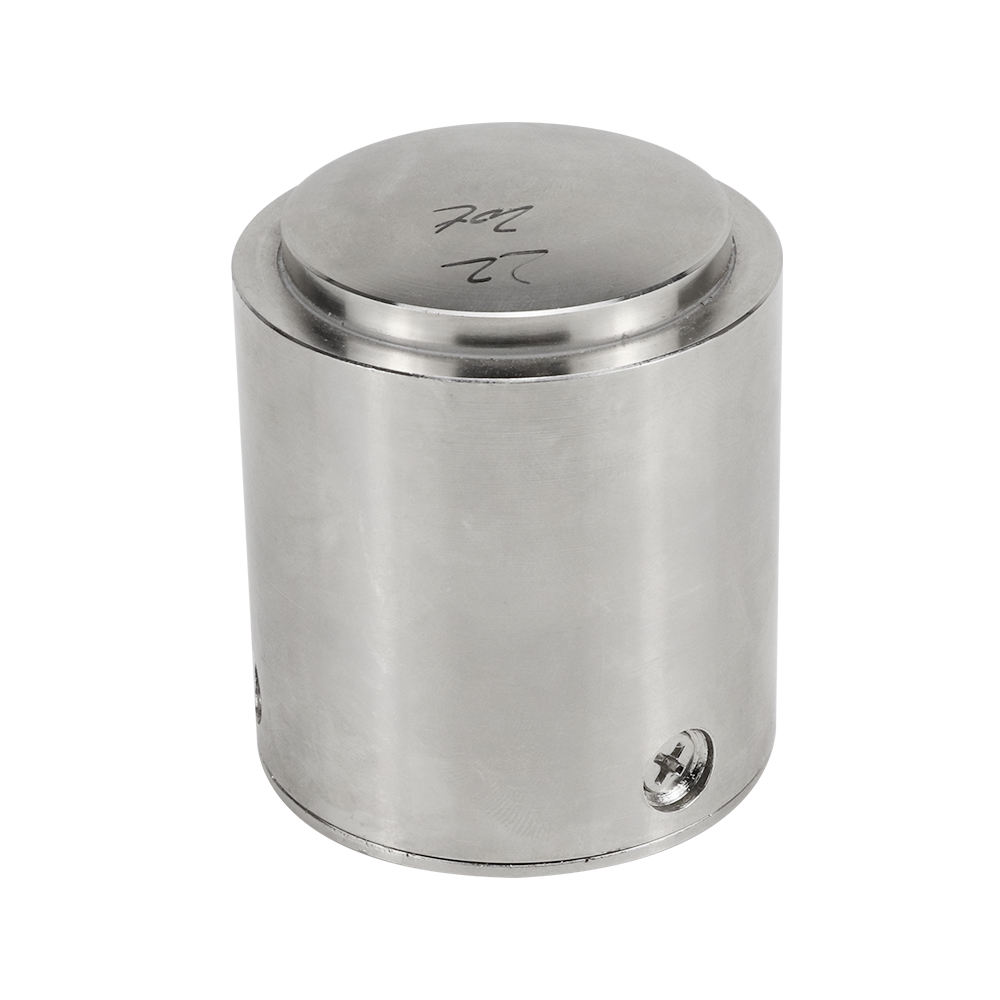
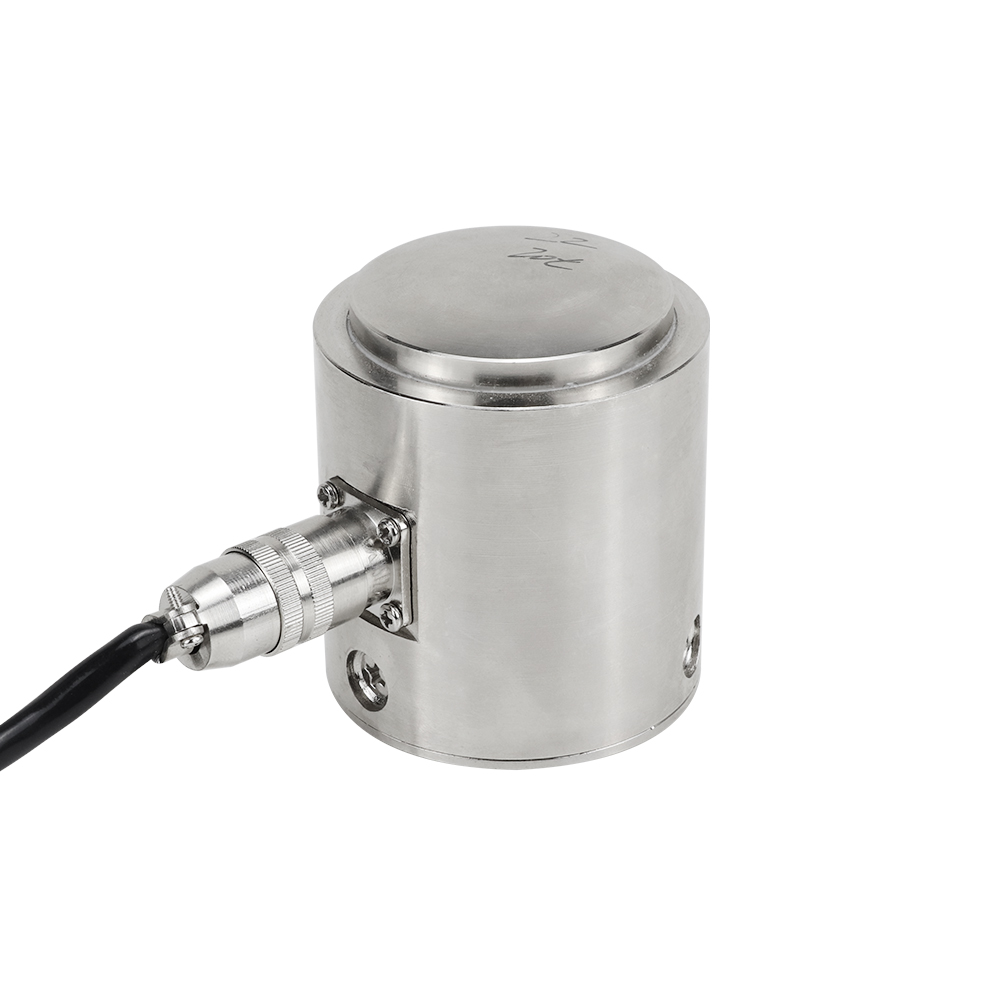
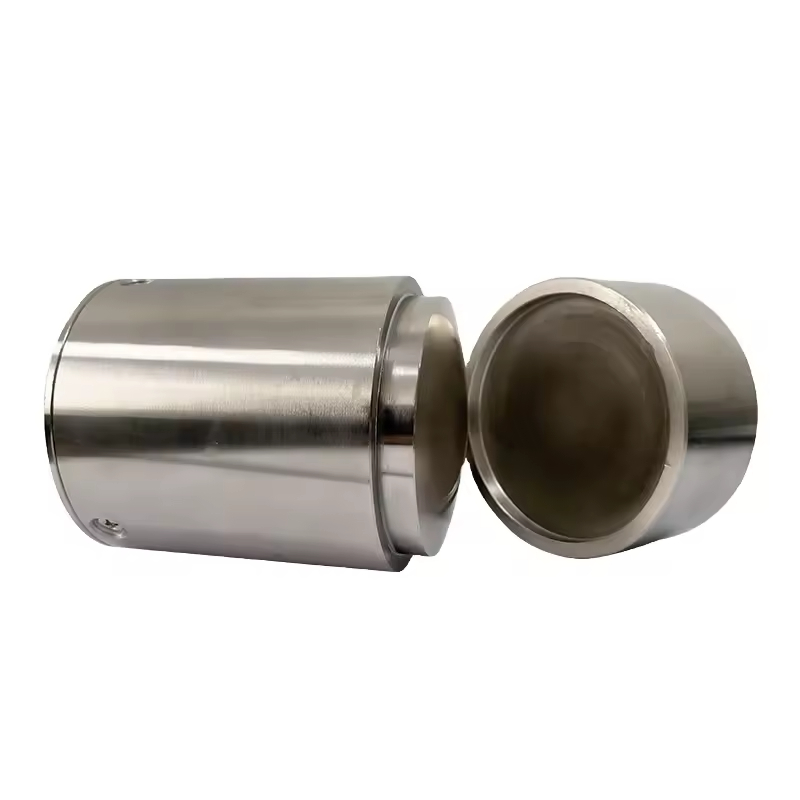
100 ton load cell

When selecting a 100 ton load cell, understanding its specifications, applications, and  installation  challenges is crucial  for ensuring  optimal performance  in demanding environments. This article  addresses  key concerns  B2B buyers face, including product selection criteria, performance  assurance, and common installation  issues.  By  the end, you'll  gain  insights to make informed  decisions  about  your  load cell  procurement.

 
Ensuring Top Performance in 100 Ton Load Cells

Ensuring Top Performance in 100 Ton Load Cells

To guarantee optimal performance from a 100 ton load cell, regular maintenance and correct  usage are  essential.  Here are several practices  to enhance performance:

Calibration: Before deployment, a load cell should  undergo calibration to ensure its readings are accurate. This process  should be  repeated  periodically or whenever the load cell is moved or subjected to significant temperature changes.


Load Limits: Always  operate within the specified load limits. Exceeding these can not only lead to  inaccurate readings but may also  cause permanent damage to the load cell.


Environmental Protection: If the load cell is used in harsh environments, employing protective measures such as enclosures or  covers  can prolong its lifespan. Regularly inspect for dust, moisture, or corrosive substances that could affect the sensor's integrity.

Data Monitoring: Implementing real-time  monitoring systems  can help detect issues early. This  could involve integrating the load cell with a data acquisition system that  alerts users to anomalies in performance.

 
Common Installation Challenges with 100 Ton Load Cells and Solutions

Common Installation Challenges with 100 Ton Load Cells and Solutions

Installation of 100 ton load cells can present various challenges that may  affect performance and reliability. Here are some common issues and practical solutions:

Misalignment: Load  cells must be installed in a way that ensures they  are aligned  with the load being measured. Misalignment  can lead to inaccurate readings  or sudden  failures. Using alignment tools during installation  can help ensure proper  positioning.

Electrical Interference: Electromagnetic interference  from nearby equipment can affect signal integrity. To mitigate this, use shielded cables and  ensure  proper grounding of the  load cell installation.


Mechanical Stress: Improper mounting can lead to mechanical stress, causing the load cell  to fail. Always follow  the manufacturer's specifications for mounting and use appropriate hardware to distribute the  load evenly.

Temperature Effects: Load cells can  be sensitive to temperature changes. If operating in  environments  with significant temperature variations, consider a load cell designed for such conditions or employ thermal insulation.

Applications of 100 Ton Load Cells in Various Industries

Applications of 100 Ton Load Cells in Various Industries

100  ton load cells have a  wide array of applications across different industries due  to their high capacity and  precision.  Here are  some notable examples:

Construction  and Civil Engineering: In  construction, load cells are essential for monitoring the  weight of materials, ensuring crane operations are safe, and verifying load limits on structures.

Manufacturing: In manufacturing processes, load cells  are integral to  quality control systems,  allowing  for precise weight measurements in batching  processes  and during assembly.

Transportation and Logistics: Load cells are used in weighbridges  to measure the weight of  vehicles  and their  contents, crucial for compliance with legal weight limits and optimizing transport efficiency. Here, the use of a Hanging scale can also be beneficial.

Mining and Heavy Industry: In these sectors, load cells are vital for measuring the weight of materials being moved, such as  ore and aggregates, which ensures that operations remain efficient and safe.

Features That Matter for Buyers

When purchasing a 100 ton load cell, several features should be prioritized:

Material Construction: Load cells are often made from stainless steel or aluminum,  with stainless steel providing better corrosion resistance, making it suitable for harsher environments.


Output Signal  Type: Consider whether you  need analog (like 4-20 mA) or  digital  outputs. Digital signals often  provide more accurate data  transmission over longer distances.

Protection Class:  The IP rating of the load cell indicates its resistance to  environmental  factors. Higher ratings (e.g., IP68) suggest better  protection against dust and water ingress.

Customization Options: Depending on your  application, you  may require custom modifications. Engaging with  a manufacturer like JIANGXI JINGCE SENSING TECHNOLOGY CO., LTD. can help you achieve tailored solutions that  fit your  unique operational needs.

In summary,  understanding these critical aspects of selecting, installing, and maintaining a 100 ton load cell can significantly impact both operational  efficiency and safety in your applications. By considering  these factors, you can make informed purchasing decisions that align with your business objectives.

What to Consider When Choosing a 100 Ton Load Cell for Your Projec

When  selecting a 100 ton load  cell, the first step is to determine the  specific  requirements of your project. Factors such as accuracy, environmental conditions, and compatibility with existing equipment are paramount.

Accuracy and Resolution: The load  cell’s  accuracy is typically expressed as a  percentage of full scale. For critical applications,  consider a  load cell with  a lower percentage error.  Additionally, the resolution, which indicates  the smallest change in weight the  load cell can detect, should align with your operational needs.

Environmental Factors: Consider the environment where  the load cell  will operate. Factors  such  as temperature fluctuations, humidity, and exposure to chemicals can impact performance. Selecting a model with appropriate environmental ratings (such  as IP67 for dust and water resistance) will enhance durability and reliability.

Physical Size and Installation: Ensure  that the dimensions of the load cell are compatible with your existing setup. Check  the installation requirements, such as mounting options and whether any additional hardware is needed. A reliable Load cell is essential for proper installation.

Certification and Compliance: Verify that the load cell meets relevant industry standards and certifications, such as CE or RoHS, ensuring it adheres to safety and quality benchmarks.

Frequently Asked Questions

What is the rated capacity of this load cell?

The rated capacity is 100 tons, designed for high-precision force measurement in heavy lifting and weighing applications.
High-precision design with tight linearity and repeatability specifications suitable for industrial weighing and force monitoring. Exact accuracy depends on model; contact us for detailed calibration data.
The product complies with CE and RoHS certification standards, ensuring safety and environmental compliance for global use.
Yes. We offer OEM/ODM customization including mounting, output options, and calibration to fit lifting, automation, and new energy applications.
Ideal for heavy lifting, industrial weighing, material testing, automation systems, and new energy installations requiring robust high-capacity measurement.

Get a Free Quote

Our representative will contact you soon.
0/1000