Evaluating Quality of Force Load Cells for Projects

application/force-load-cell, application/force-load-cell, 
Inquiry
Inquiry

force load cell

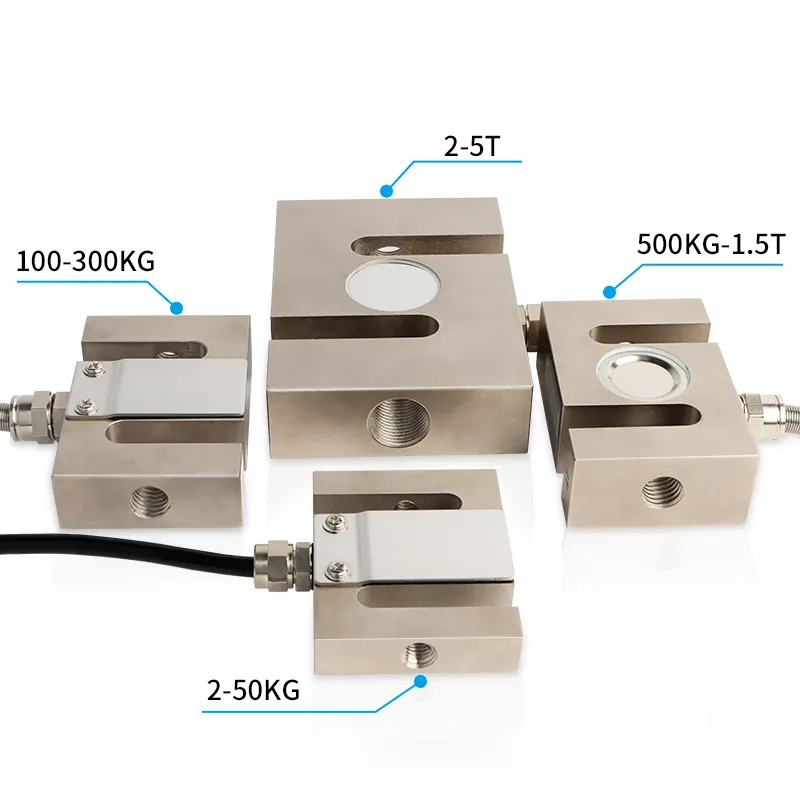
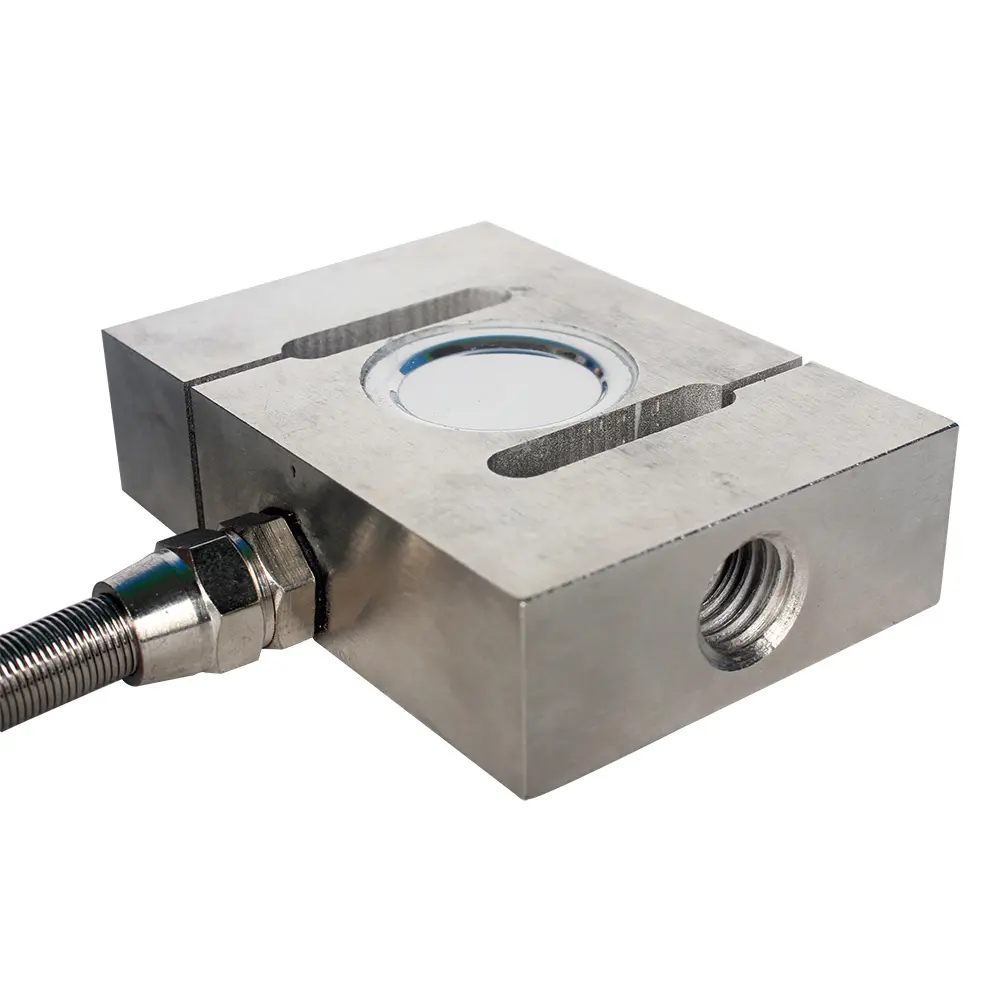
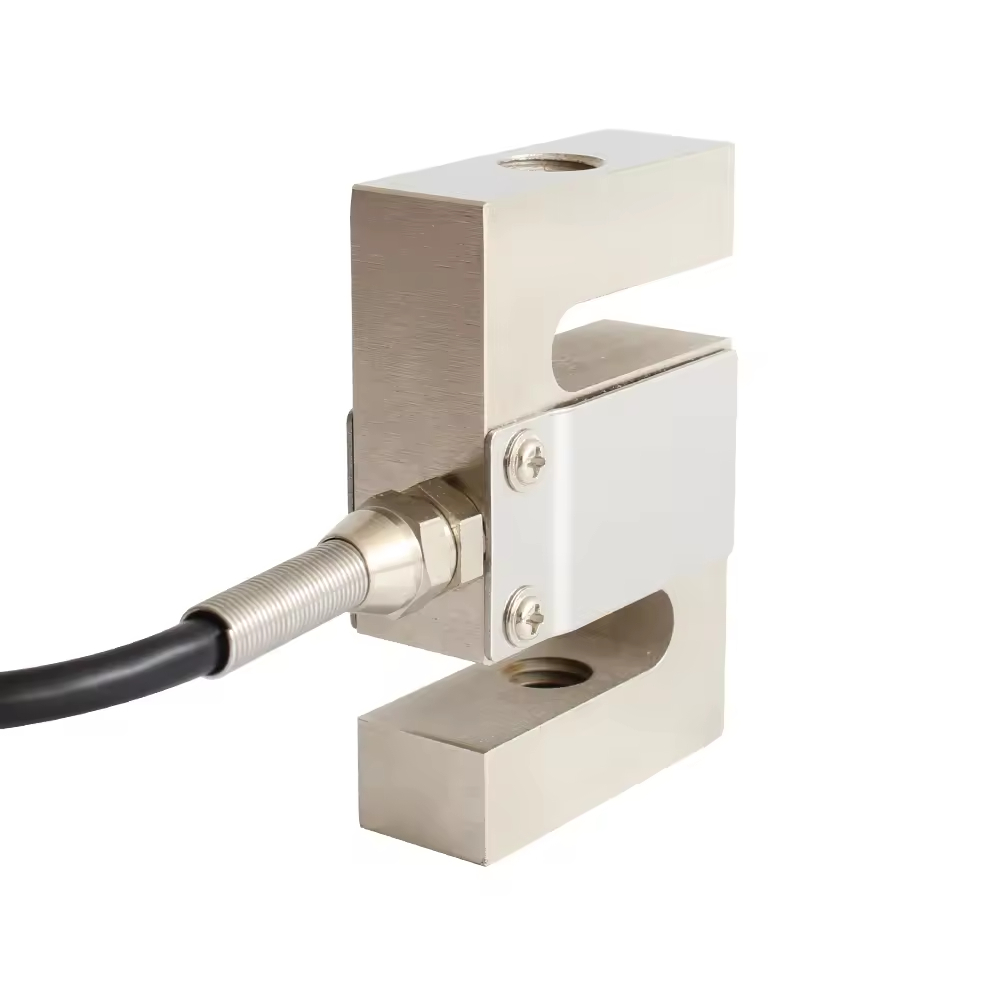
Force load cells  are vital components  in  various  industrial applications, measuring the force exerted on an object with precision.  As a purchasing manager or engineer, understanding the quality and specifications  of force  load cells can  significantly impact the efficiency and  safety  of your  projects. This article will address  key considerations  for  evaluating these components, the cost factors  to keep in mind  when sourcing them wholesale, their diverse  applications  in industrial  settings,  best practices for selection and use, and essential information every buyer should know.

Cost Factors to Consider When Sourcing Force Load Cells Wholesale

Cost Factors to Consider When Sourcing Force Load Cells Wholesale

The  cost of force load cells can vary significantly based on several factors. First, the complexity  of the design influences pricing; custom  load cells tailored for specific applications may incur higher costs due to the additional engineering required.

Material  choice also impacts the  price.  For  example, stainless steel  load cells, while more expensive than aluminum,  often provide longer service life and better  performance in adverse conditions. Customizable PMC Sensors Load Cell Transmitter can also be considered for tailored applications.

Additionally, consider the volume of your  order. Manufacturers typically have a Minimum Order Quantity (MOQ), and ordering in bulk can lead to cost  savings. Shipping costs can also affect  the  overall price, especially for international orders. Understanding these  cost  factors  can help you negotiate better terms  and select the most suitable load  cells  for your needs.

Applications of Force Load Cells in Various Industrial Environments

Applications of Force Load Cells in Various Industrial Environments

Force load cells  are  widely used across several industries, each with specific application requirements. In the lifting and weighing sectors, these sensors are crucial  for monitoring loads in cranes, hoists,  and scales, ensuring  safety and accuracy during operations. 

In the  automation industry, force load cells facilitate precise control  in robotic systems,  enhancing  efficiency in manufacturing processes. They are also commonly employed in the new  energy sector,  particularly in  testing the performance of renewable energy systems, such as wind turbines  and solar panels, where accurate force measurement is  essential for optimizing performance.

Understanding  the particular needs of your industry can guide you in selecting the appropriate load cells. For instance, if you  are operating  in a  corrosive environment, opting for load  cells with robust protective coatings or materials will ensure longevity and reliability. Furthermore, consider using the Waterproof Digital LED Controller for enhanced durability.

Best Practices

Best Practices

To  ensure optimal performance and  longevity of force load cells, adhere to the  following best practices:

Calibration  and Testing:  Regularly calibrate load cells to maintain accuracy.  Testing samples before mass production can help identify any inconsistencies in performance.

Correct Installation:  Follow the manufacturer’s guidelines for installation to  prevent mechanical  strain or misalignment,  which can lead to inaccurate readings.

Environmental  Considerations: Protect load cells from extreme environmental conditions, such as excessive moisture, temperature  fluctuations, or exposure to chemicals,  unless they are specifically designed for such conditions.

Monitoring and Maintenance: Implement  a  routine monitoring system to check  for any signs of wear or malfunction.  Timely maintenance can prevent costly downtimes and ensure continuous operation.

By following these practices,  you can  enhance the reliability and lifespan of your force load  cells.

What Buyers Need to Know

When  preparing to purchase force load  cells, buyers should gather comprehensive information  to facilitate a seamless procurement process. Key details to  include  in your request for quotation (RFQ) are:

Type of Load Cell: Specify  whether you need a compression, tension, or multi-axis  load cell based  on your application. Load Capacity: Clearly state  the maximum load  the cell needs to handle. Material Requirements: Indicate preferences for materials based on environmental conditions. Customization Needs: If you require bespoke features,  detail these specifications to the manufacturer. Testing and Certification Requirements: Verify if  the load cells need specific certifications relevant to your industry.

Additionally,  understanding the lead times for production and  delivery is crucial for project planning. Ensure that the supplier can meet your deadlines, especially if  you are working on a tight schedule.


force load cells are essential components for various industrial applications, and understanding their specifications and quality factors is crucial for making informed purchasing decisions. By evaluating quality, considering cost factors, understanding applications, following best practices, and preparing effectively for procurement, you  can ensure  that your  projects benefit  from reliable and accurate force measurement solutions.

How to Evaluate the Quality of Force Load Cells for Your Projects

When assessing the quality of force  load cells, several  key specifications and features should be prioritized. Firstly, consider the  load  cell's accuracy  and sensitivity, typically measured in  terms  of percentage  of full scale  (FS). For precision applications, a load cell with an accuracy of  ±0.1% FS is often recommended.

Material selection also plays  a crucial role in performance. Stainless steel  and aluminum are common materials, with stainless steel offering better durability against harsh environments. Additionally, buyers should inquire about the load cell’s IP rating, which  indicates its  resistance to dust and moisture—essential for outdoor or industrial applications. For example, if you are looking for a robust solution, you might consider the High Performance 100Nm Static Torque Sensor Load Cell.

Another critical factor is  the load cell's calibration. Ensure that  the manufacturer provides calibration certificates that  verify the load cell’s accuracy and compliance with  industry standards. Quality control processes, such as routine testing during production, are vital for ensuring consistent performance. As a manufacturer with CE/RoHS certifications, JIANGXI JINGCE SENSING TECHNOLOGY CO.,  LTD. adheres  to stringent quality standards, ensuring that their products meet international requirements.

Frequently Asked Questions

What is a force load cell and how does it work?

A force load cell is a sensor that converts applied force into an electrical signal using strain gauges. The signal is proportional to force and can be calibrated for precise measurement in lifting, weighing, and automation applications.
Our high-precision load cells provide tight accuracy and repeatability suitable for industrial and new energy uses. Specific accuracy depends on model; please request datasheets for exact specifications and calibration options.
We hold CE and RoHS certifications and follow strict manufacturing and calibration processes to ensure sensor reliability and compliance with international safety and environmental standards.
Yes. We offer OEM/ODM solutions including customized ranges, mounting, connectors, and calibration to fit lifting, weighing, automation, and new energy system requirements.
We provide technical documentation, calibration certificates, and remote or on-site technical support for installation, wiring, and integration to ensure accurate and reliable operation.

Get a Free Quote

Our representative will contact you soon.
0/1000