Choosing the Right 50 Ton Load Cell for Your Needs

application/50-ton-load-cell, application/50-ton-load-cell, 
Inquiry
Inquiry

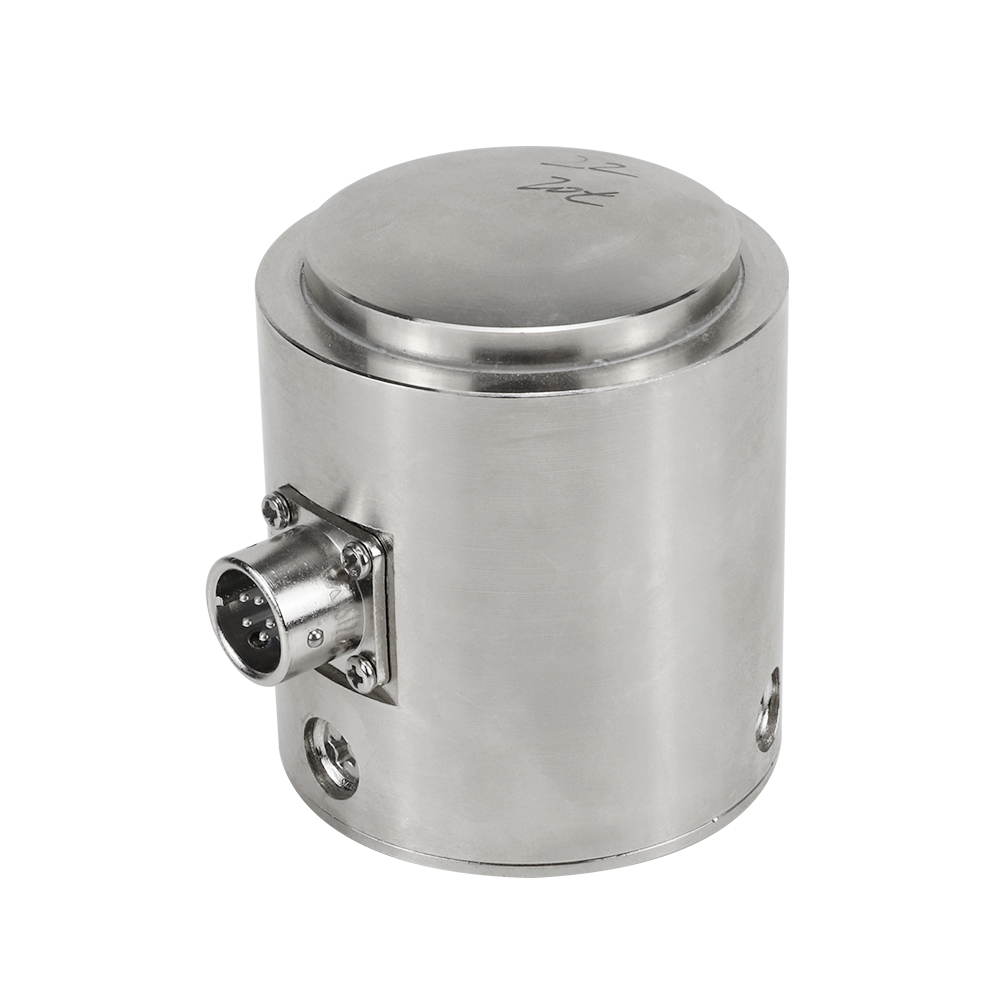
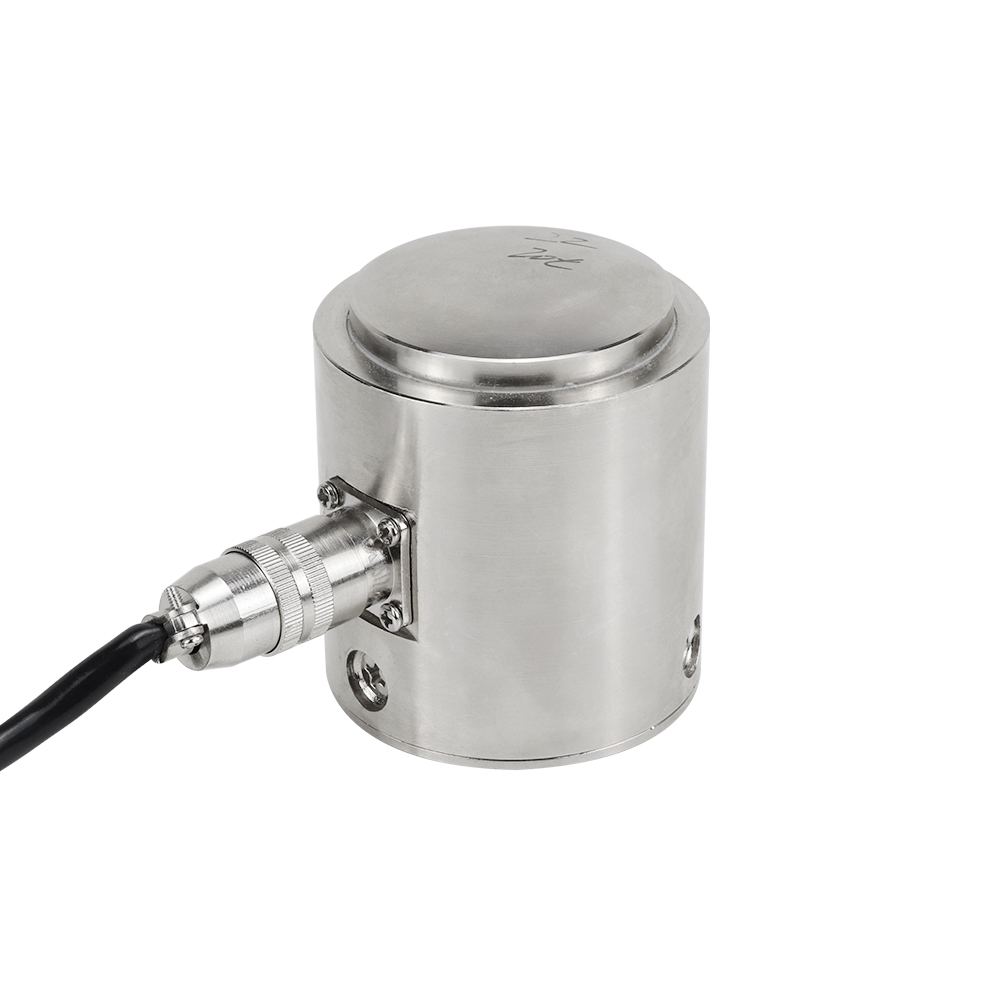
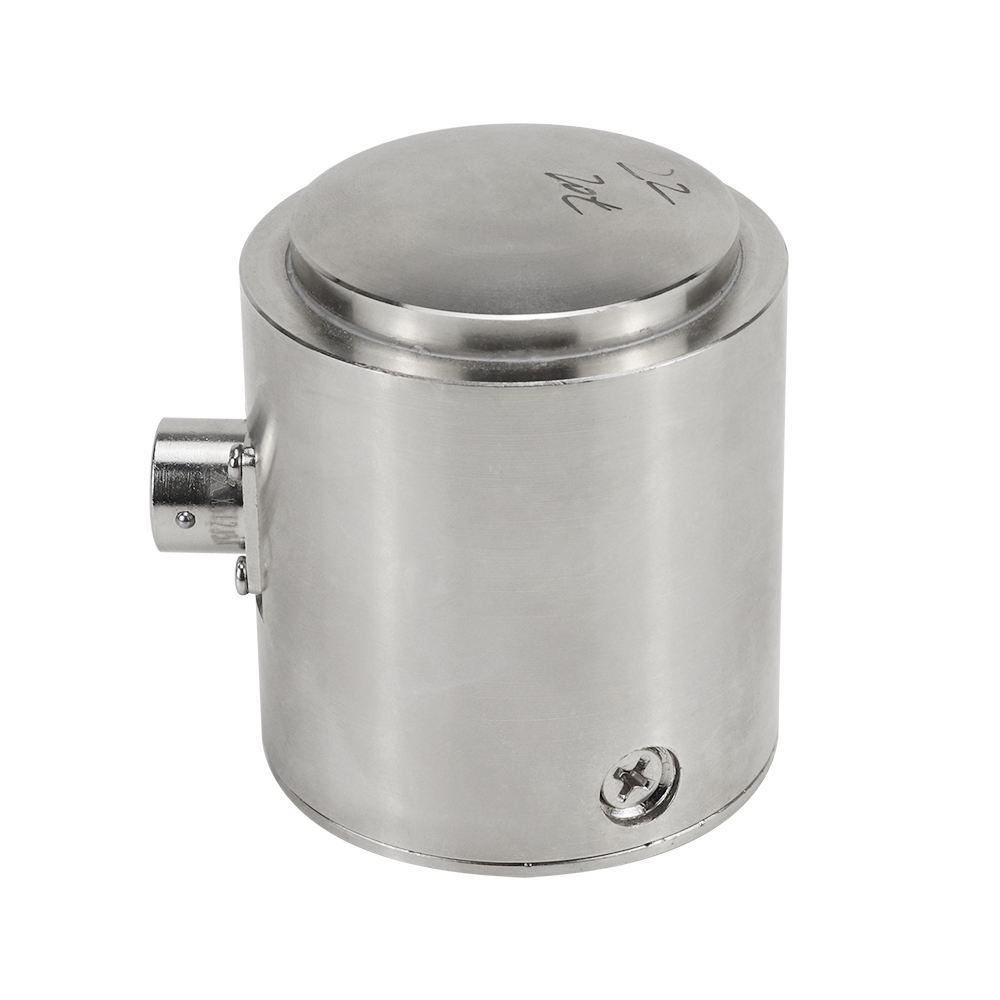
50 ton load cell

50 ton load cells are critical components in various industrial applications, providing  precise  measurements for weighing, lifting, and  monitoring  loads. For B2B buyers, selecting the  right  load cell involves  understanding  specifications,  installation  requirements, and common  issues. This article will help  purchasing managers, engineers, and  product managers navigate the selection  process, installation  best practices, and  the diverse  applications of 50 ton  load cells  in their respective  industries.

Installation Guidelines for 50 Ton Load Cells in Industrial Settings

Installation Guidelines for 50 Ton Load Cells in Industrial Settings

Proper installation of 50 ton load cells  is vital to ensure  accurate  measurements and longevity of the equipment. Begin by reviewing the  manufacturer's  installation manual for specific instructions related to the selected load cell model. 

One critical aspect is ensuring the load  cell is  mounted on a stable surface that  can support the weight without shifting or vibrating during operation. Any movement can lead  to  inaccurate readings. It’s also essential to align the load cell properly; misalignment can cause undue stress and potential failure. If using multiple load  cells, ensure  they are  calibrated to provide consistent readings across the board.

When connecting  the load cell to a data acquisition system, pay attention to  wiring. Proper shielding  and grounding techniques can prevent interference that may affect signal integrity. Test the system after installation to  verify that  the load cell is functioning correctly  and providing accurate readings. Regular maintenance checks are recommended to ensure continued performance.

Common Problems with 50 Ton Load Cells and Their Solutions

Common Problems with 50 Ton Load Cells and Their Solutions

While 50  ton load cells are robust, they can encounter several common problems. One frequent issue  is drift in the readings, which can occur due to temperature fluctuations  or mechanical stress. To  mitigate this, it’s advisable to calibrate  the load cell regularly, especially after significant changes in  environmental conditions. You might consider using a Mv Signal Amplifier for Load Cell to enhance signal accuracy and stability.

Another issue is electrical  noise affecting the signal. This can be caused by nearby machinery or poor wiring practices. To  resolve this, ensure proper grounding and  use shielded cables to  connect the  load cell to the data  acquisition system. Implementing  filtering techniques in the data processing software can also  help reduce noise interference.

Physical damage is another concern, particularly in  rugged environments. Ensure the load cell is adequately protected with guards or enclosures if it is exposed  to impacts or harsh chemicals. Regular inspections and maintenance can identify  wear and tear early,  allowing for timely  replacements or repairs.

 
Applications of 50 Ton Load Cells in Various Industries and Projects

Applications of 50 Ton Load Cells in Various Industries and Projects

50  ton load cells are versatile and find  applications across several industries, including construction, manufacturing,  and logistics. In construction, they are commonly  used in cranes and hoisting systems to ensure safety and accuracy  during lifting operations. They help in assessing the  load being lifted, preventing overload situations.

In manufacturing environments, these load cells are integral to quality control processes.  They are used in weighing raw materials,  ensuring  that production adheres to specifications.  This application  reduces waste and enhances efficiency  by  maintaining correct  material quantities.


Logistics and shipping also utilize 50 ton load cells for  weighing freight loads. Accurate weight measurements are crucial for compliance with  transportation regulations and optimizing shipping  costs. By ensuring that  shipments are within weight limits, companies can avoid fines and improve logistics  planning.

A Buyeru2019s Guide to Top Options

When considering the purchase of  a 50 ton load cell,  it's vital to assess various options  based on specific criteria. Start by evaluating the load  cell's specifications, such  as accuracy (typically expressed  in terms of percentage of full scale), temperature range, and environmental protection  ratings (like IP ratings).

Next, consider customization options. Many manufacturers, including JIANGXI JINGCE SENSING TECHNOLOGY CO., LTD., offer  OEM/ODM solutions that allow you to tailor load cells  to meet unique project requirements. This might include modifications to dimensions, materials, or output configurations. You may also explore our Customizable PMC Sensors Load Cell Transmitter for tailored solutions.

Check for certifications such as CE and RoHS, which ensure that the load cell meets  international safety and environmental standards.  It's also beneficial to  inquire  about the manufacturer's quality  control processes. A company with rigorous testing and quality  assurance measures is more likely to provide reliable  products.


Finally, consider the total cost of ownership. While upfront costs are important, factors like maintenance, calibration, and potential downtime should also be factored into your purchasing decision. Requesting quotes from multiple suppliers will help  you understand the market  rates  and identify the best value for your investment.

How to Choose the Right 50 Ton Load Cell for Your Project Needs

Selecting the right  50 ton load cell starts with understanding  the specific requirements of your application. Key factors to consider include the load cell type—tension or compression, the accuracy required, and the  operating environment. For instance, if you're using the load cell in  a harsh environment, consider models with protective coatings or materials that resist corrosion. Additionally, you may explore options like the Chinese Factory Weighing Compression Tension Junction Box for enhanced durability.


Next, evaluate the output signal type. Load  cells typically provide  analog or digital outputs. Analog  load cells are common for continuous monitoring, while digital  load cells offer advanced  features like programmable  settings and communication interfaces. Ensure  the load  cell's output is  compatible with your existing systems.


Also,  consider the installation requirements. Some load cells may need specific mounting arrangements or fixtures to function correctly. It's advisable  to  consult with manufacturers like JIANGXI JINGCE SENSING TECHNOLOGY CO., LTD. to obtain  guidance on the best configurations for your application. Confirming these specifications  will help avoid compatibility issues during installation.

Frequently Asked Questions

What is the capacity of the 50 ton load cell?

The 50 ton load cell is rated for 50 metric tons (approximately 500 kN) and designed for high-precision heavy load measurement in industrial applications.
Our 50 ton load cell provides high precision with low non-linearity and hysteresis; typical accuracy meets industry standards and depends on model and calibration.
The load cell carries CE and RoHS certifications, ensuring compliance with European safety and environmental requirements.
Yes. We offer OEM/ODM customization for mounting, output options, environmental protection, and calibration to suit lifting, weighing, automation, and new energy needs.
Designed for industrial environments, it supports harsh conditions with robust construction and sealing; specific IP rating and temperature range depend on the chosen model.

Get a Free Quote

Our representative will contact you soon.
0/1000