Key Specifications for Load Cell Sensors

application/load-cell-sensor, application/load-cell-sensor, 
Inquiry
Inquiry

Load cell sensor

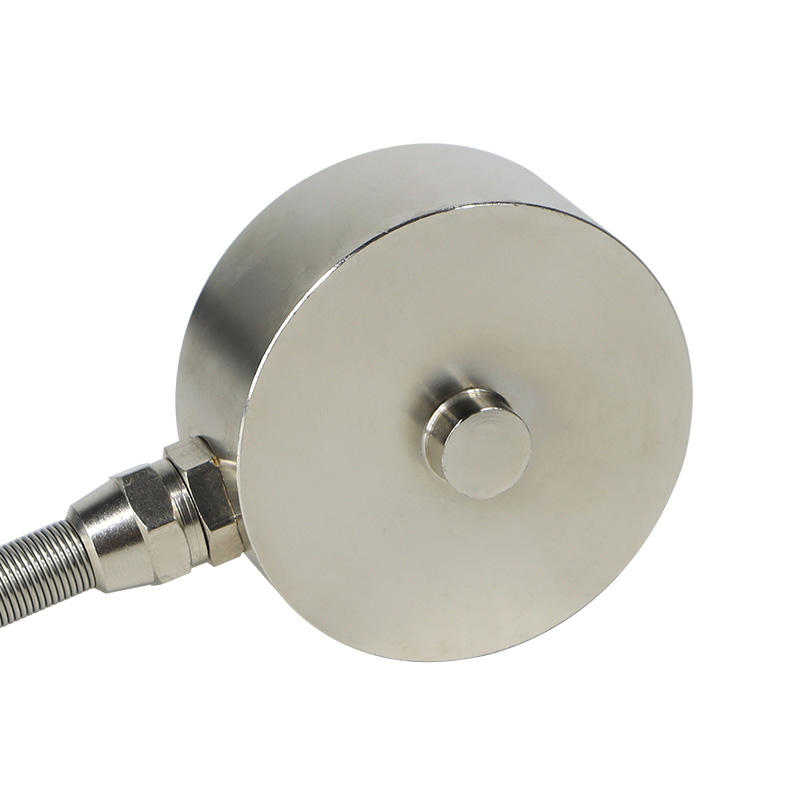
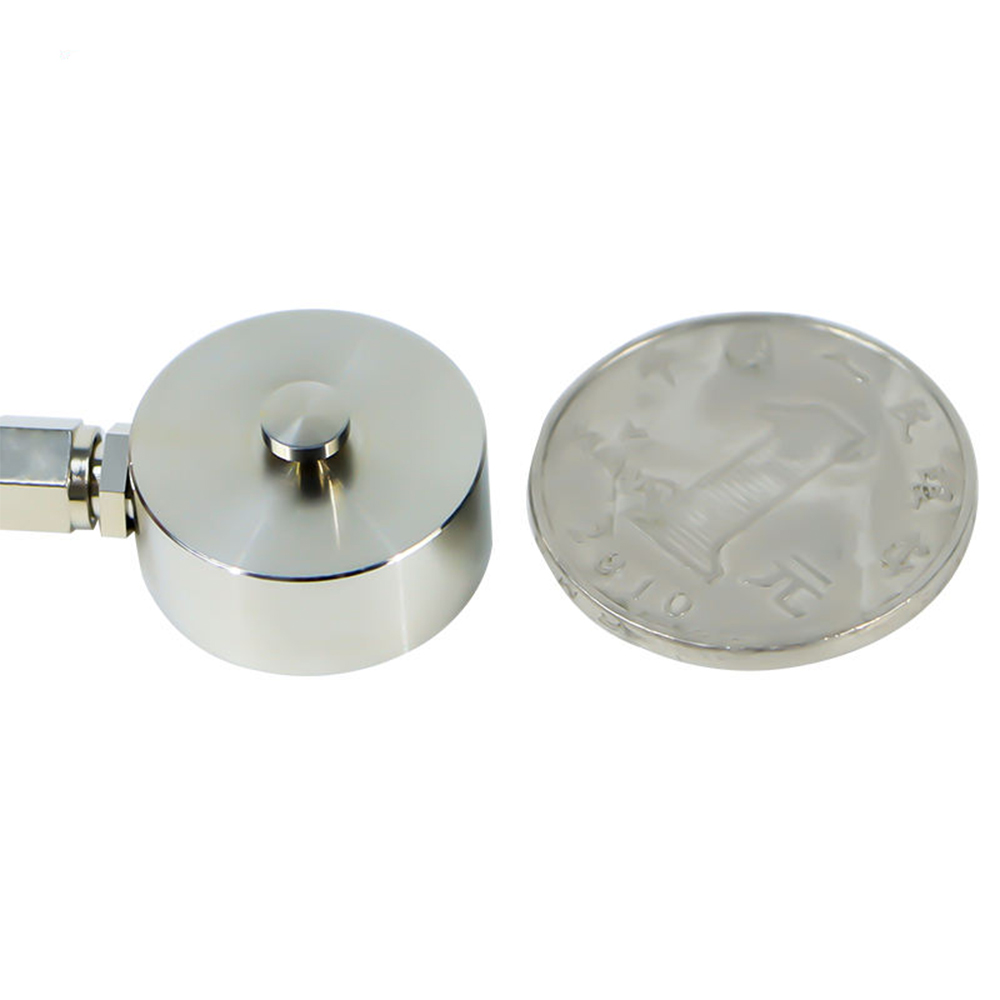
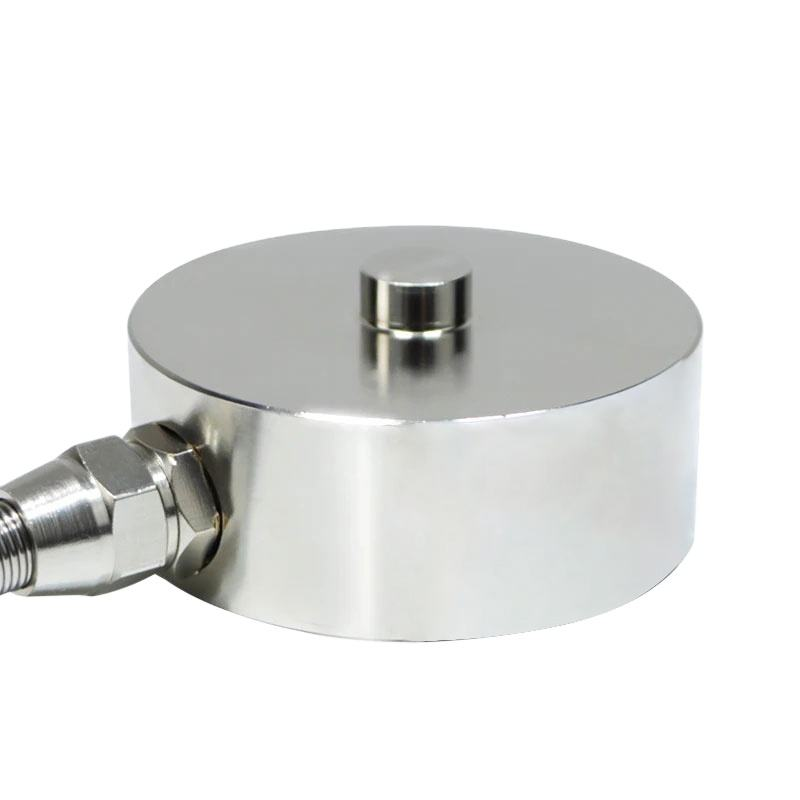
Load cell sensors are critical components in various industrial applications, especially in lifting, weighing, and automation processes. These sensors measure force or weight by converting mechanical force into an electrical signal, enabling precise monitoring of load conditions. For B2B buyers, understanding the specifications, cost factors of load cell sensors, and installation requirements of load cell sensors is vital for making informed purchasing decisions. This article will provide insights into key specifications, cost considerations, installation guidelines, and the various applications of Load cell sensors, helping you navigate the complexities of sourcing these essential devices.

Understanding Cost Factors of Load Cell Sensors

Understanding Cost Factors of Load Cell Sensors

The cost of load cell sensors can vary significantly based on several factors. Understanding these cost drivers will help you make informed purchasing decisions: 

Material Costs: The choice of materials affects the overall price. For instance, stainless steel load cells typically incur higher material costs compared to those made from aluminum. 

Technology and Features: Advanced features, such as integrated signal processing or wireless capabilities, can increase the cost of a load cell. While these features may offer additional benefits, you should evaluate whether they align with your application requirements. 

Production Volume: OEM/ODM solutions can often reduce costs through economies of scale. If you require a large quantity of load cells, negotiating bulk pricing with the manufacturer can lead to significant savings. 

Customization: Customization options, such as specific dimensions or unique output signals, can also increase costs. Be clear about your requirements when discussing options with manufacturers to understand how they impact pricing. 

Certification: Load cells that meet specific industry standards (such as CE or RoHS) may come at a premium due to the testing and validation processes involved. Ensure that the certifications align with your industry regulations. 

Shipping and Handling: Finally, consider the costs associated with shipping and handling. Depending on the destination and delivery method, these costs can add up, especially for bulk orders. 

By understanding these cost factors, you can better budget for your project and ensure that you select a load cell sensor that balances quality and affordability. 

Installation Guidance for Load Cell Sensors in Various Applications

Installation Guidance for Load Cell Sensors in Various Applications

Installing load cell sensors requires careful planning to ensure accurate and reliable performance. Here are some guidelines for installation: 

Site Preparation: Ensure that the installation site is clean and free from debris. The area should be stable and able to support the load cell without movement or vibration, which can affect accuracy. 

Mounting Orientation: Load cells are sensitive to orientation. Some sensors are designed for specific orientations (e. g., tension or compression). Confirm the correct orientation with the manufacturer to prevent inaccurate readings. 

Wiring Connections: Follow the manufacturer’s wiring diagrams carefully. Incorrect wiring can lead to malfunctions or damage. Use high-quality cables that are appropriate for the environmental conditions. 

Calibration Post-Installation: After installation, it is essential to calibrate the load cell. This process ensures that the Load cell indicator sensor provides accurate readings based on the application’s specific load requirements. Calibration may require specialized equipment and should be performed by trained personnel. 


What Buyers Need to Know

What Buyers Need to Know

Before making a purchase, buyers should gather essential information to facilitate the selection process. Here are some critical points to consider: 

Application Requirements: Clearly define the application and environment where the load cells will be used. This includes understanding the maximum load, environmental conditions, and any specific industry regulations. 

Technical Specifications: Prepare a detailed list of required specifications, including capacity, accuracy, materials, and output signal types. This will help streamline discussions with potential suppliers. 

Budget Constraints: Establish a budget for your project. Understanding your financial limits will help narrow down options and avoid overspending. 


Applications of Load Cell Sensors in Lifting and Automation Industries

Load cell sensors have a wide range of applications in the lifting and automation industries. Here are some notable use cases: 

Weighing Systems: Load cells are commonly used in weighing scales for industrial applications, including trucks, pallets, and containers. They provide precise weight measurements, essential for logistics and inventory management. 

Material Handling: In automated systems, load cells play a crucial role in monitoring the weight of materials being lifted or moved. This ensures that equipment operates within safe limits and prevents overloading. 

Force Measurement: In manufacturing processes, load cells measure the force applied during various operations, such as pressing or testing materials. This data is critical for quality control and process optimization. 


Key Specifications to Consider When Sourcing Load Cell Sensors

When sourcing load cell sensors, several key specifications must be evaluated to ensure compatibility with your application. Here are the primary factors to consider: 

Capacity and Range: Load cell sensors are designed for specific weight ranges. It is crucial to select a sensor with a capacity that exceeds the maximum load you expect to measure. Overloading a Linear sensor can lead to inaccurate readings or permanent damage. 

Accuracy and Precision: Accuracy is typically expressed as a percentage of full scale and indicates how closely the sensor reading matches the actual load. Precision refers to the repeatability of measurements. Understanding these two factors will help you select a load cell that meets your operational requirements.  

Material and Construction: The construction material, such as aluminum or stainless steel, affects the load cell's durability and suitability for specific environments. For example, stainless steel is often preferred for corrosive environments, while aluminum can be more cost-effective for less demanding applications. 

Output Signal: Load cells can produce different types of output signals, including analog (voltage or current) and digital (RS-232 or RS-485). The choice of output signal should match your data acquisition system. 

Environmental Ratings: Depending on the application, you may need a load cell with specific environmental protections, such as IP ratings for dust and water resistance. This is particularly important in outdoor or harsh environments. 

Calibration Requirements: Some load cells may require periodic calibration to maintain accuracy. Understanding the calibration process and frequency is essential for ongoing operational efficiency. 

By assessing these specifications, you can ensure that the installation guidance for load cell sensors you choose will meet your specific needs and operate effectively within your intended application. 

Frequently Asked Questions

What types of load cell sensors do you offer?

We provide high-precision load cells, force sensors, and wireless dynamometers in various models including single point, compression, tension, shear beam and S-type to fit lifting, weighing, automation, and new energy applications.
Yes. Our products carry CE and RoHS certifications, ensuring compliance with international safety and environmental standards for industrial and commercial use.
Yes. We offer OEM/ODM services including custom calibration, mechanical mounting, output options, connectors, and branding to meet specific application requirements.
Our load cells are high-precision with tight accuracy tolerances. We provide factory calibration, traceable certificates on request, and guidance for field recalibration and verification procedures.
Provide load range, mounting style, environment, required accuracy, output type and installation constraints. Our technical team will recommend suitable models and customization to match lifting, weighing or automation needs.

Get a Free Quote

Our representative will contact you soon.
0/1000