Choosing the Right Load Sensor for Your Needs

application/load-sensor, application/load-sensor, 
Inquiry
Inquiry

Load sensor

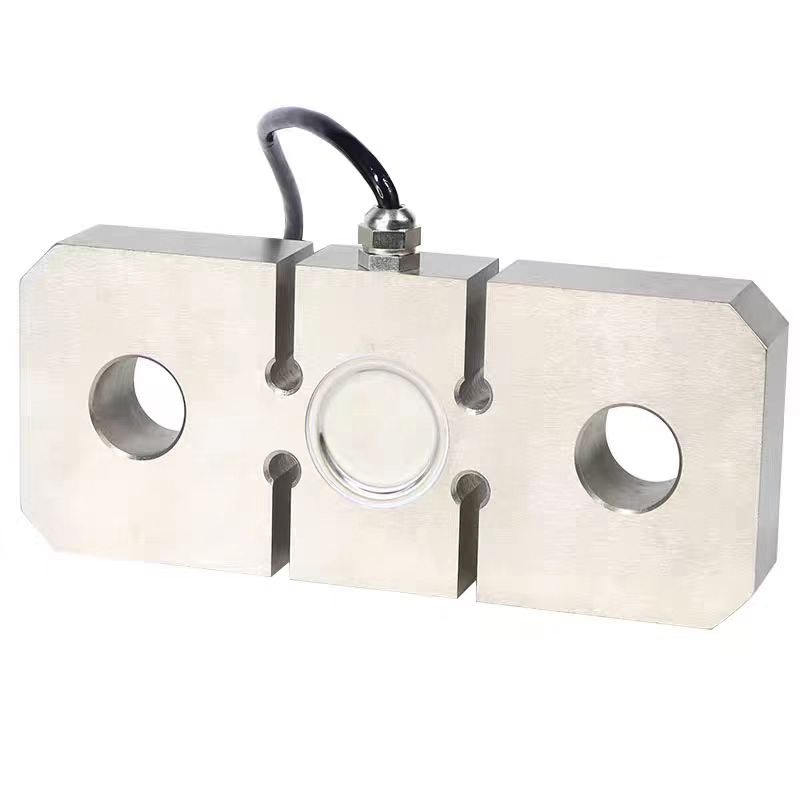
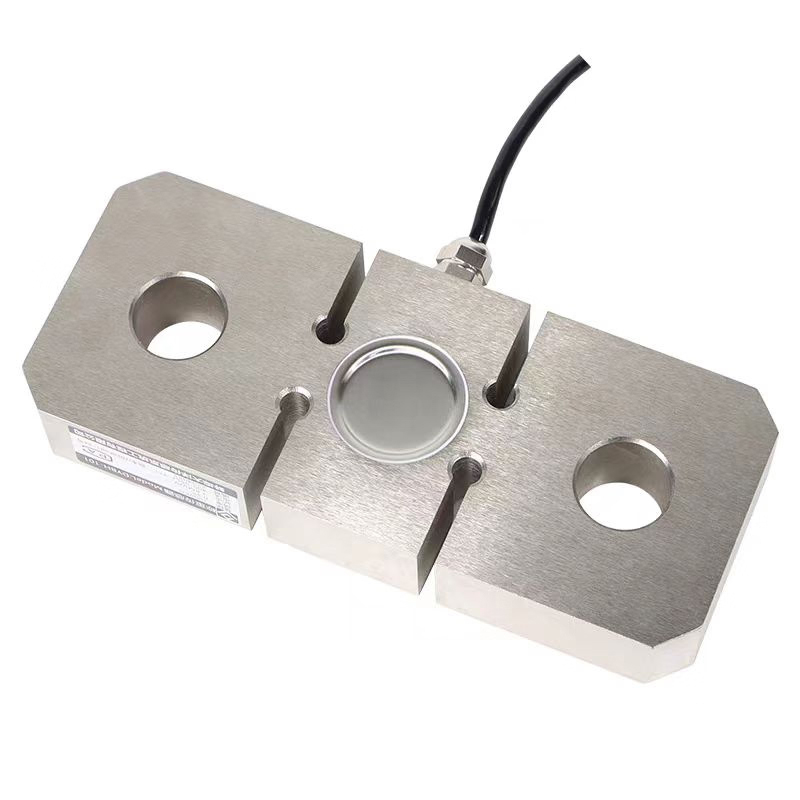
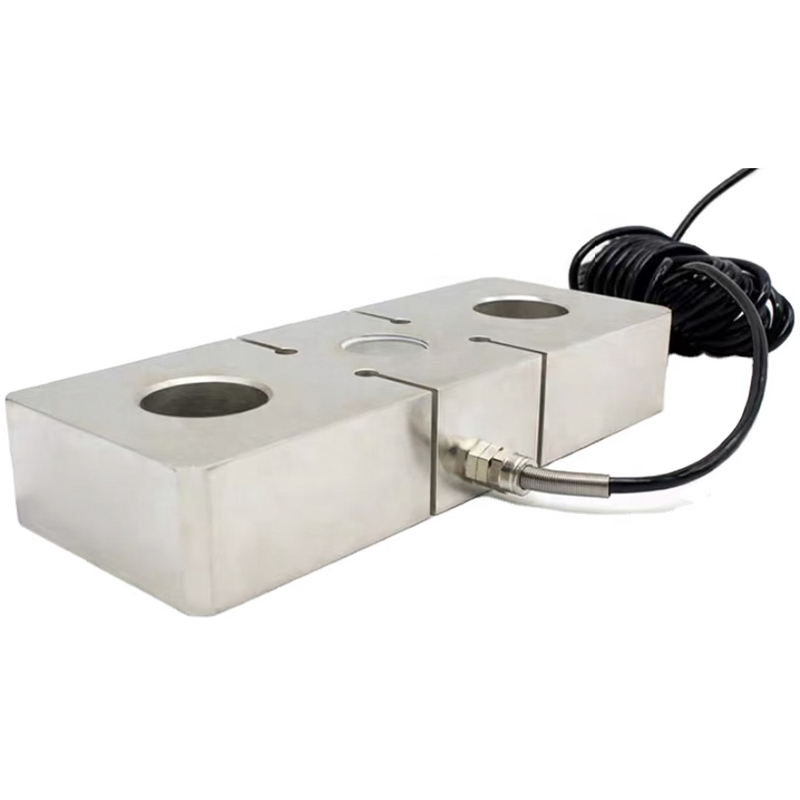
Load sensors are critical components used across various industries to measure weight, force, and tension. These highly precise instruments play a vital role in applications ranging from industrial automation to weighing systems. For purchasing managers, engineers, and product managers, understanding load sensors is essential for ensuring accurate measurements and reliable performance. This article will guide you through choosing the right Load cell sensor for your project needs, comparing specifications, finding reliable suppliers, considering costs, and exploring diverse applications.

Comparing Load Sensor Specifications for Wholesale Buyers

Comparing Load Sensor Specifications for Wholesale Buyers

When comparing load sensors, several specifications are key to making an informed purchasing decision. 

Accuracy: This is typically expressed as a percentage of full-scale output. Higher accuracy can lead to better performance in critical applications. For instance, a load cell with an accuracy of ±0.1% will provide more reliable data than one with ±0.5%. 

Sensitivity: This indicates the smallest change in load that the sensor can detect. A higher sensitivity is crucial for applications where precise measurements are necessary. 

Material: Load sensors can be made from various materials, including aluminum, stainless steel, or composite materials. The choice of material affects the sensor's weight, strength, and resistance to environmental factors. For example, stainless steel is preferred for applications requiring corrosion resistance. 

Temperature Range: Load sensors may be affected by temperature variations. Ensure that the chosen sensor can operate effectively within the required temperature range for your application. 

Electrical Requirements: Understanding the power supply and output type (analog or digital) is essential for compatibility with your existing systems. 

By carefully evaluating these specifications, wholesale buyers can ensure they select load Linear sensor that meet their operational needs and quality standards. 

Where to Find Reliable Suppliers of Load Sensors

Where to Find Reliable Suppliers of Load Sensors

Finding reliable suppliers of load sensors is crucial for ensuring quality and consistency in your supply chain. Start by searching for manufacturers with a strong reputation in the industry, such as JIANGXI JINGCE SENSING TECHNOLOGY CO., LTD. They specialize in high-precision load cells and offer OEM/ODM solutions tailored to various industries. 

Additionally, consider suppliers that provide comprehensive technical support, including datasheets, installation guides, and application assistance. This support can be invaluable when integrating load sensors into existing systems. 

Attending industry trade shows and conferences can also help you connect with potential suppliers and see their products firsthand. Online marketplaces and industrial supply websites can provide a wide range of options, but always verify supplier credibility through reviews and certifications. 

Cost Considerations When Purchasing Load Sensors in Bulk

Cost Considerations When Purchasing Load Sensors in Bulk

Pricing is a significant factor when purchasing load sensors in bulk. Several elements influence the overall cost: 

Quantity: Bulk purchases often lead to discounts. Discussing your volume requirements with suppliers can help negotiate better pricing. 

Customization: Custom features can increase costs. If specific dimensions or materials are needed, be prepared for potential price adjustments. 

Lead Time: Shorter lead times may come at a premium. If your project timeline allows for flexibility, longer lead times might reduce costs. 

Shipping and Handling: Consider additional costs related to shipping, especially for international orders. Understanding the total landed cost, including tariffs and taxes, is vital for budgeting. 

Quality Assurance: Ensure the supplier has a robust quality control process in place, as lower-quality sensors may lead to increased operational costs due to failures or inaccuracies. 

By understanding these cost considerations, you can make more informed purchasing decisions that align with your budget and quality requirements. 

Exploring Diverse Applications of Load Sensors in Industry

Load sensors find applications across a variety of industries due to their versatility and reliability. Here are some key areas where load sensors are commonly utilized:  

Industrial Automation: In automated manufacturing settings, Torque rotary sensor sensors monitor and control processes, ensuring that machinery operates within specified weight limits. 

Weighing Systems: Load sensors are integral to commercial and industrial weighing systems, from truck scales to packaging machines, providing accurate weight measurements for inventory management and quality control. 

Construction and Lifting: In construction, load sensors monitor crane and hoist operations, helping to prevent overload situations that could lead to accidents. 

New Energy Sector: In renewable energy applications, load sensors are used in wind turbines and solar installations to measure forces and improve efficiency. 

Transportation: Load sensors assist in ensuring that cargo vehicles do not exceed weight limits, which is crucial for safety and regulatory compliance. 

By understanding these diverse applications, potential buyers can better appreciate the relevance of load sensors for their specific needs and industries. 

With this knowledge, B2B buyers can confidently approach the selection and procurement of load sensors, ensuring they meet their technical and operational requirements.  

How to Choose the Right Load Sensor for Your Project Needs

Selecting the appropriate load sensor involves evaluating several factors that align with your specific application. First, consider the load capacity required; this is crucial for ensuring the sensor can handle the maximum expected weight without compromising accuracy. Load sensors come in various ranges, so understanding the expected load is the starting point for selection. 

Next, consider the type of load sensor. Options include strain gauge load cells, which are common for general weighing applications, and wireless dynamometers that offer flexibility in installations without the need for extensive wiring. Each type has its advantages; for example, wireless sensors can simplify installation and reduce costs associated with wiring. 

Additionally, environmental factors must be considered. If the sensor will be exposed to harsh conditions such as moisture, extreme temperatures, or chemicals—selecting a load sensor specifications with appropriate protective features, like IP ratings or specialized coatings, is essential for durability and longevity. 

Frequently Asked Questions

What types of load sensors do you offer?

We provide high-precision load cells, force sensors, and wireless dynamometers suitable for tension, compression, shear, and multi-axis measurement applications.
Yes. Our products carry CE and RoHS certifications, ensuring compliance with safety and environmental standards.
Yes. We offer OEM/ODM design and manufacturing to meet specific mechanical, electrical, and communication requirements for industry applications.
Our sensors serve lifting, weighing, automation, and new energy sectors, supporting cranes, conveyors, test rigs, battery systems, and robotic equipment.
We provide calibration, performance testing, technical documentation, and application guidance to ensure accuracy and reliable integration into customer systems.

Get a Free Quote

Our representative will contact you soon.
0/1000