Understanding Load Cell Specifications for Buyers

application/load-cell, application/load-cell, 
Inquiry
Inquiry

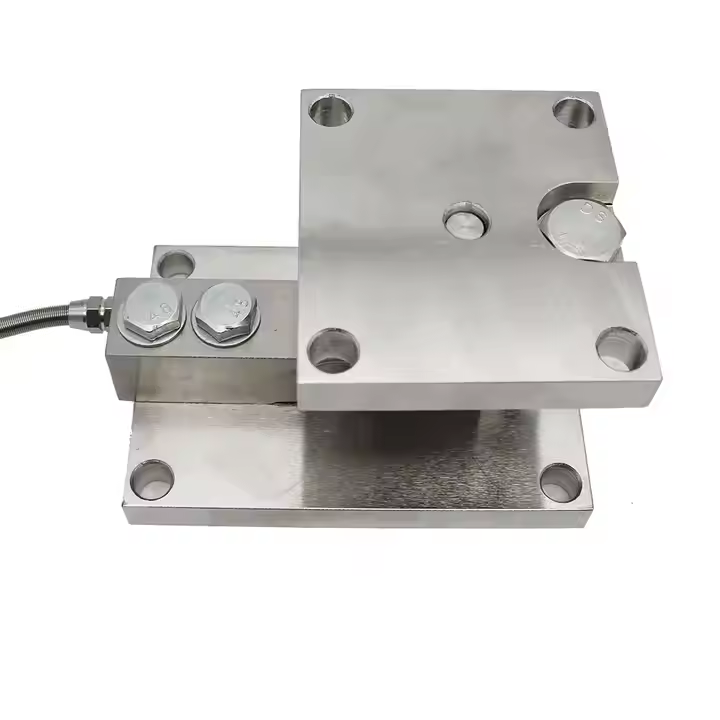
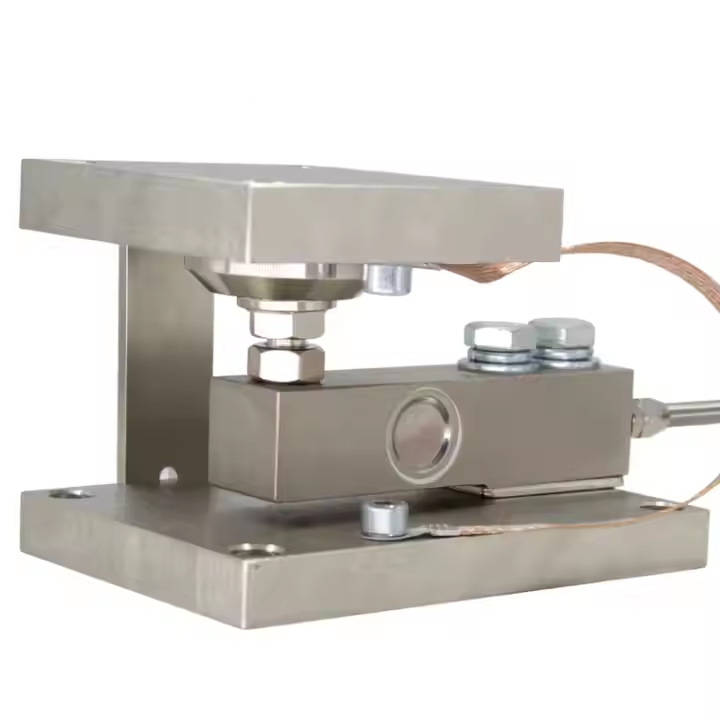
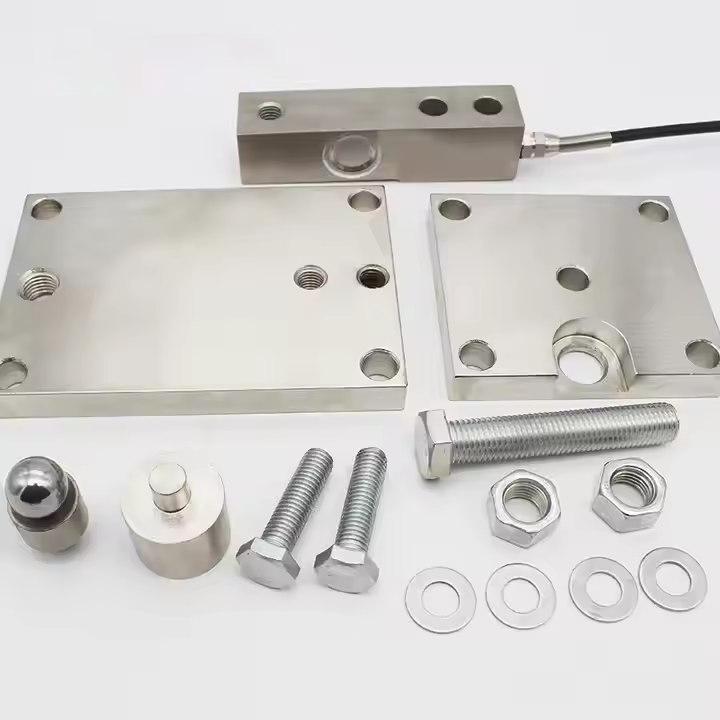
Load cell

Load cells are essential components used in various industries to measure weight and force accurately. As a B2B buyer, you may face challenges when selecting the right load cells for your applications. This article will guide you through understanding Load cell specifications, key considerations for wholesale purchasing, and how to ensure optimal performance, ultimately helping you make informed decisions that meet your business needs.

Key Factors for Wholesale Buyers

Key Factors for Wholesale Buyers

Wholesale buyers must consider several factors when purchasing load cells in bulk.  

Minimum Order Quantity (MOQ): Different manufacturers have varying MOQs, which can influence your purchasing strategy. Understanding these quantities will help in planning and budgeting.  

Pricing Structures: Pricing may vary based on order volume, customization, and contract terms. Buyers should seek quotes from multiple suppliers to compare prices and terms.  

Lead Times: Turnaround time for orders can significantly impact your operations. Be sure to clarify lead times and any potential delays before placing an order.  

Quality Control Processes: Investigate the manufacturer's quality control processes. Manufacturers like JIANGXI JINGCE SENSING TECHNOLOGY CO., LTD. prioritize rigorous quality checks, ensuring that each load cell meets industry standards before it is shipped. 

Customization Capabilities: Many applications require customized load cells. Ensure that the manufacturer can accommodate design changes, such as specific dimensions or output types, to meet unique requirements. 

Considering these factors helps buyers streamline their purchasing process and optimize their supply chain. 

What to Look for in Load Cell Manufacturers

What to Look for in Load Cell Manufacturers

Selecting the right load cell manufacturer is crucial for ensuring quality and reliability. Here are key aspects to evaluate: 

Certifications: Look for manufacturers that possess relevant certifications, such as CE and RoHS, which indicate adherence to safety and environmental standards. These certifications provide assurance of quality and compliance with international regulations. 

Manufacturing Capabilities: Review the manufacturer’s production facilities and equipment. Advanced technology and processes can lead to better product consistency and performance. Ensuring they have the capability to produce high-precision load cells is essential. 

Experience and Reputation: A manufacturer’s experience in the industry can be indicative of their reliability. Research customer reviews, case studies, and testimonials to assess their reputation within the market. 

Technical Support: Evaluate the technical support offered by the manufacturer. A good supplier should provide assistance with installation, troubleshooting, and maintenance, enhancing the overall user experience. 

Export Markets: If you plan to use load cells in international applications, consider manufacturers with experience in exporting. This can simplify logistics and ensure compliance with various international standards. 

By focusing on these aspects, buyers can identify trustworthy manufacturers that align with their needs. 

Ensuring Optimal Performance

Ensuring Optimal Performance

To achieve optimal performance from PST load cells, buyers should focus on installation and maintenance practices: 

Installation Considerations: Ensure that load cells are installed according to the manufacturer’s guidelines. Proper alignment and secure mounting are critical to prevent measurement errors. In addition, environmental factors such as temperature, humidity, and vibration should be taken into account during installation to avoid performance issues. 

Regular Calibration: Load cells should be regularly calibrated to maintain accuracy over time. Establish a routine calibration schedule based on the frequency of use and application demands. 

Maintenance Protocols: Implement a maintenance plan that includes regular inspections for wear and damage. Pay attention to environmental factors that could impact the Linear sensor, such as exposure to chemicals or extreme temperatures. 

Data Monitoring: Use monitoring systems to track the performance of load cells in real-time. This can help identify issues before they escalate, ensuring continuous operation and reducing downtime. 

By following these steps, buyers can maximize the performance and lifespan of their load cells. 

Common Load Cell Problems and Effective Solutions for Buyers

Understanding common issues that can arise with load cells is essential for effective management. Here are some frequent problems and their solutions: 

Drift in Readings: Over time,  PST load cells may experience drift, leading to inaccurate measurements. Regular calibration and monitoring can help identify drift early. If drift persists, consider replacing the load cell or consulting the manufacturer for further troubleshooting. 

Mechanical Damage: Load cells can be susceptible to mechanical damage from excessive loads or incorrect installation. Using load cells within their specified capacity and ensuring proper installation can prevent such issues. 

Environmental Effects: Factors such as temperature fluctuations and humidity can affect load cell performance. Selecting load cells with appropriate environmental ratings and ensuring proper installation can mitigate these effects. 

Electrical Interference: Electrical noise can interfere with load cell signals, resulting in erratic readings. To minimize this, ensure proper grounding and shielding of cables, and keep power sources separate from measurement lines. 

Software Compatibility: Ensure that the load cell's output type is compatible with your data acquisition system. If issues arise, consult with the manufacturer for potential solutions or adjustments. 

By proactively addressing these common problems, buyers can enhance their load cell operations and avoid costly disruptions. 

understanding the specifications, key purchasing factors, and potential issues related to load cells can empower B2B buyers to make informed decisions. Engaging with a reputable manufacturer like JIANGXI JINGCE SENSING TECHNOLOGY CO., LTD. can further enhance the reliability and performance of your load cell applications.

Understanding Load Cell Specifications for Bulk Purchasing Decisions

When considering PST load cells, understanding their specifications is crucial for making informed purchasing decisions. Key specifications include capacity, accuracy, and output type. 

Capacity: This refers to the maximum weight or force the load cell can measure. It's vital to choose a load cell with a capacity that exceeds the maximum expected load to prevent damage and ensure longevity. 

Accuracy: Expressed as a percentage of full scale, accuracy indicates how close the Load cell indicator measurements are to the actual weight. Higher accuracy is essential for applications requiring precise measurements, such as in laboratory settings or high-stakes manufacturing processes. 

Output type: Load cells typically offer analog or digital outputs. Analog outputs provide continuous data, while digital outputs offer discrete data points. The selection depends on your system's compatibility and the level of data processing needed.  

Material and Environmental Ratings: Load cells can be constructed from various materials, including aluminum and stainless steel, which affect their durability and suitability for specific environments. Additionally, environmental ratings (like IP ratings) indicate resistance to dust and moisture, critical for outdoor or harsh conditions.  

By focusing on these specifications, buyers can ensure the load cells they select will meet their operational requirements.

Frequently Asked Questions

What types of load cells do you offer?

We supply high-precision single-point, S-type, compression, tension, shear beam, and custom load cells for various industrial applications.
Our load cells serve lifting, weighing, automation, and new energy industries worldwide.
Yes, our products carry CE and RoHS certifications to meet international safety and environmental standards.
Yes, we offer OEM and ODM services including design, calibration, and custom packaging to meet specific client requirements.
We offer technical support, calibration guidance, and a standard warranty; extended service options are available upon request.

Get a Free Quote

Our representative will contact you soon.
0/1000