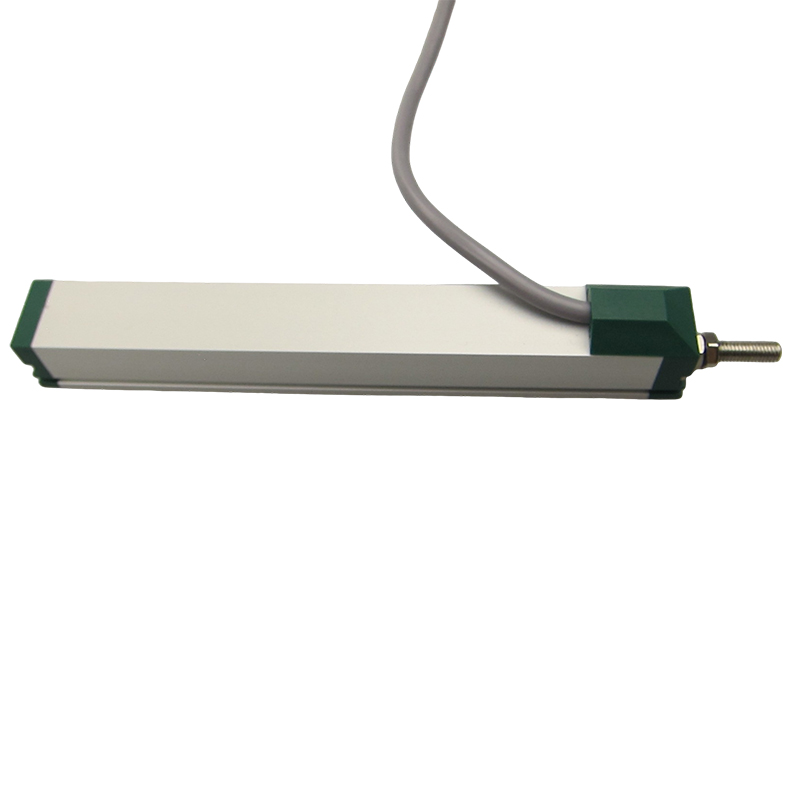
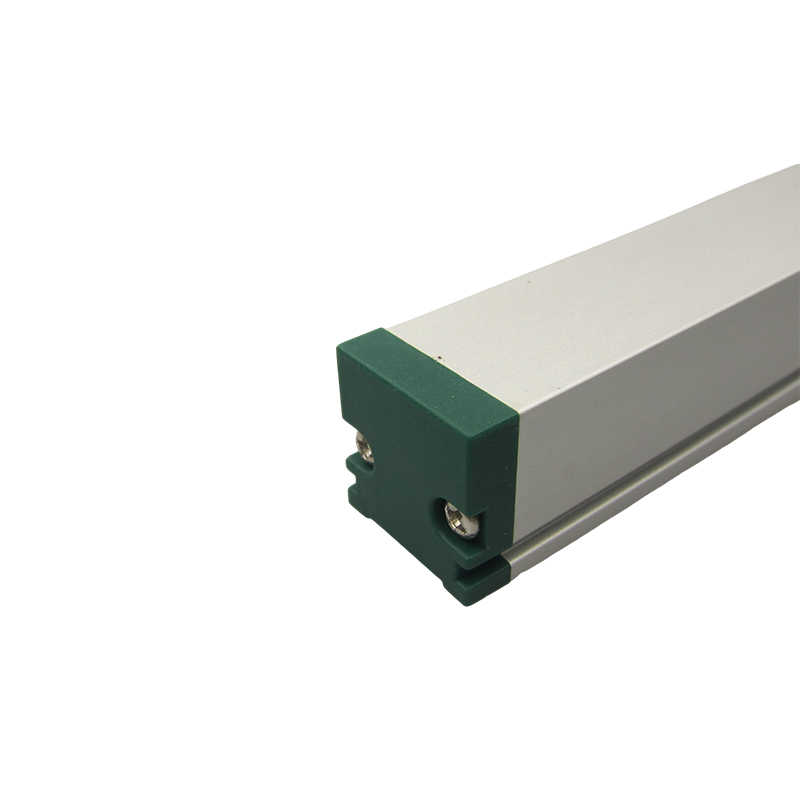
Common Problems with Linear Distance Sensors and Effective Solutions
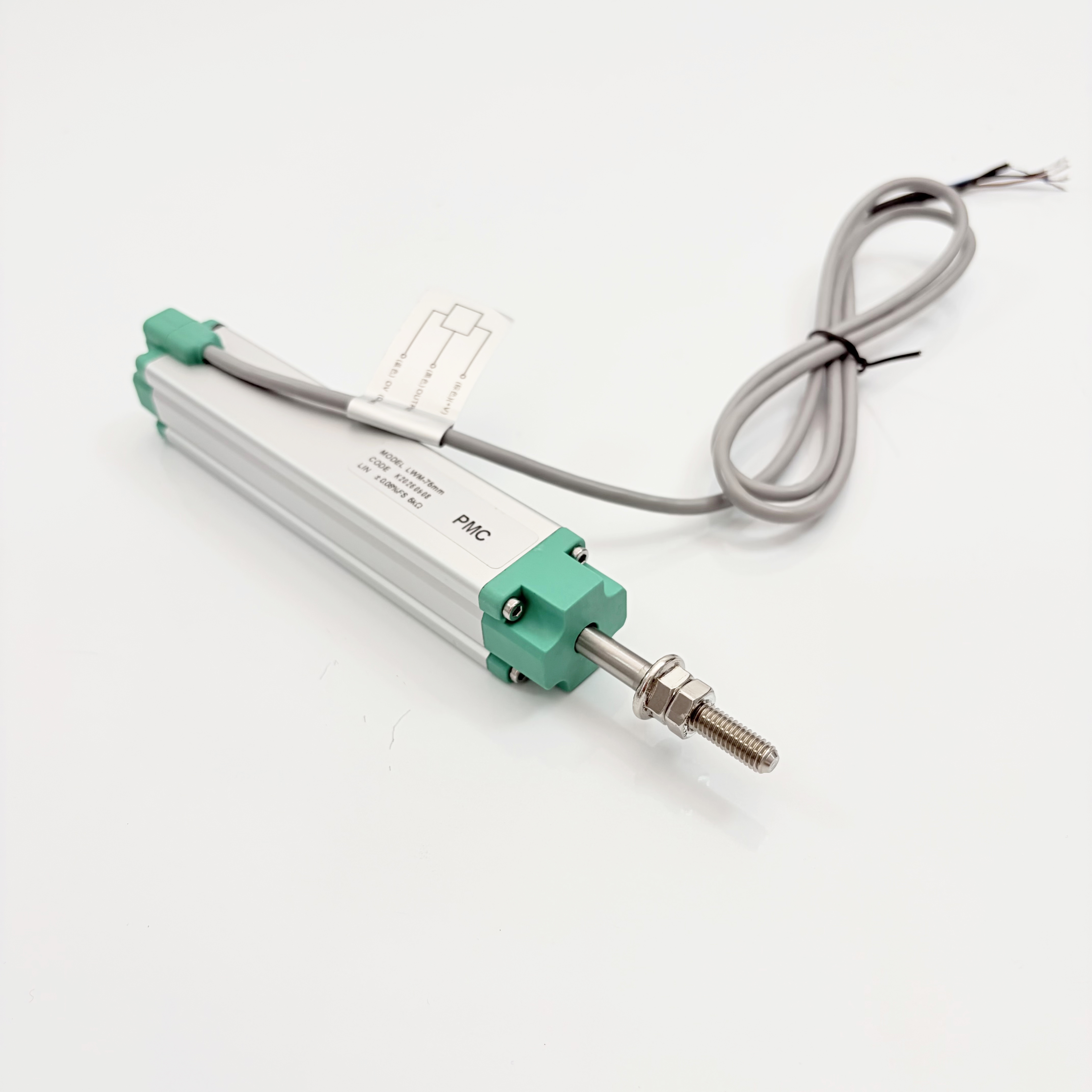
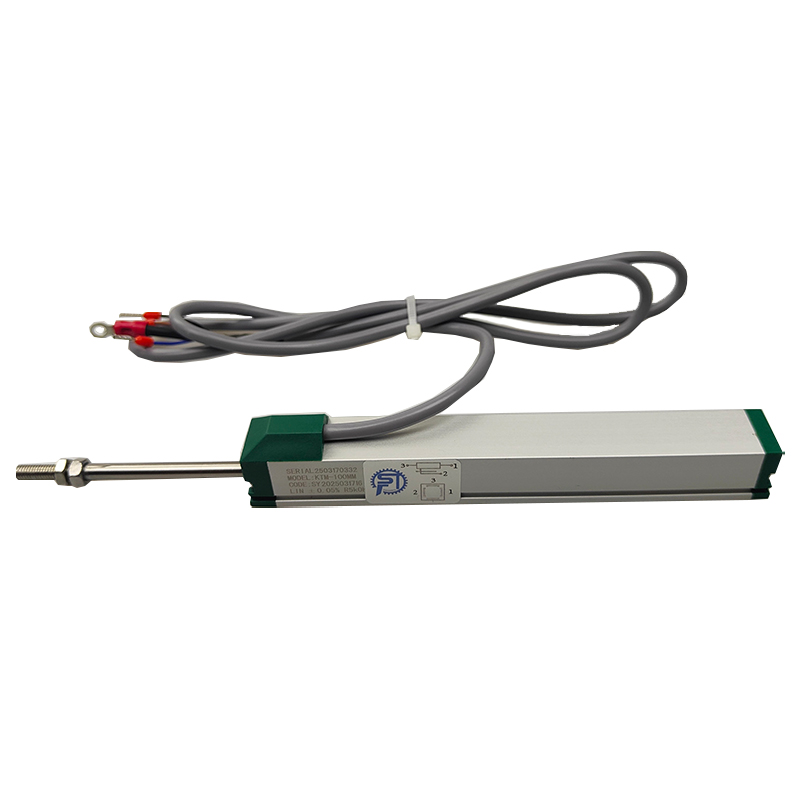
While linear distance sensors are reliable tools, users may encounter several common issues. Here are some challenges and their solutions:
Calibration Issues: Sensors may lose calibration over time, leading to inaccurate readings. Regular calibration checks should be conducted according to the manufacturer’s recommendations to maintain accuracy.
Environmental Factors: Factors such as temperature fluctuations, dust, and moisture can affect sensor performance. Ensure that the sensors are rated for the environmental conditions they will be exposed to, and consider protective enclosures if necessary.
Signal Interference: Electromagnetic interference from nearby equipment can disrupt sensor signals. Use shielded cables and proper grounding techniques to minimize interference.
Mechanical Misalignment: If a sensor is not correctly aligned with the moving parts it measures, it can lead to measurement errors. During installation, ensure proper alignment and secure mounting to maintain accuracy.
Wear and Tear: Over time, mechanical components may wear out, affecting performance. Regular maintenance checks can help identify wear before it leads to power steering torque sensor failure.
By being aware of these common problems and implementing solutions, you can enhance the reliability of your linear distance sensors.
 EN
EN