Best Applications for Linear Distance Sensors

application/linear-distance-sensor, application/linear-distance-sensor, 
Inquiry
Inquiry

Linear distance sensor

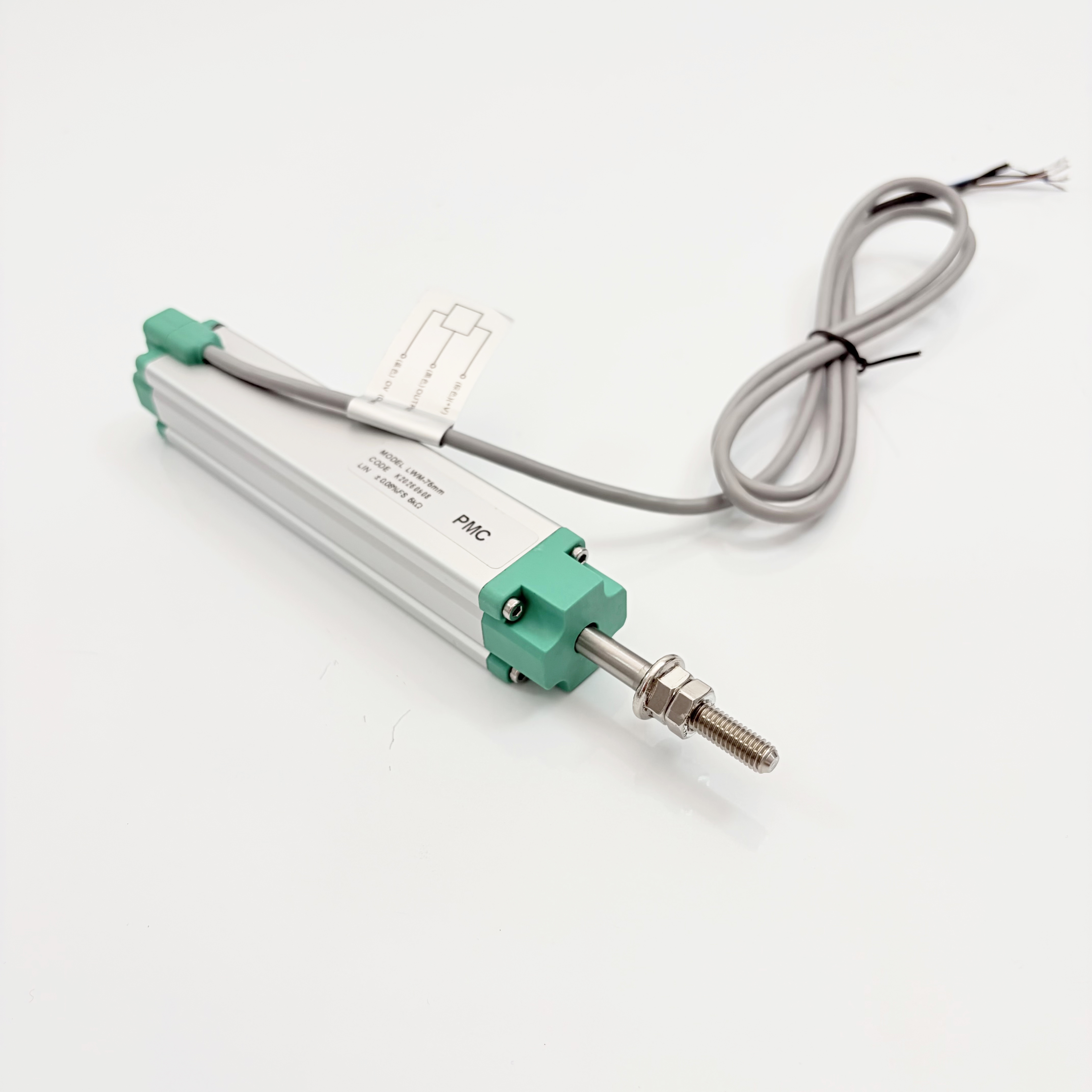
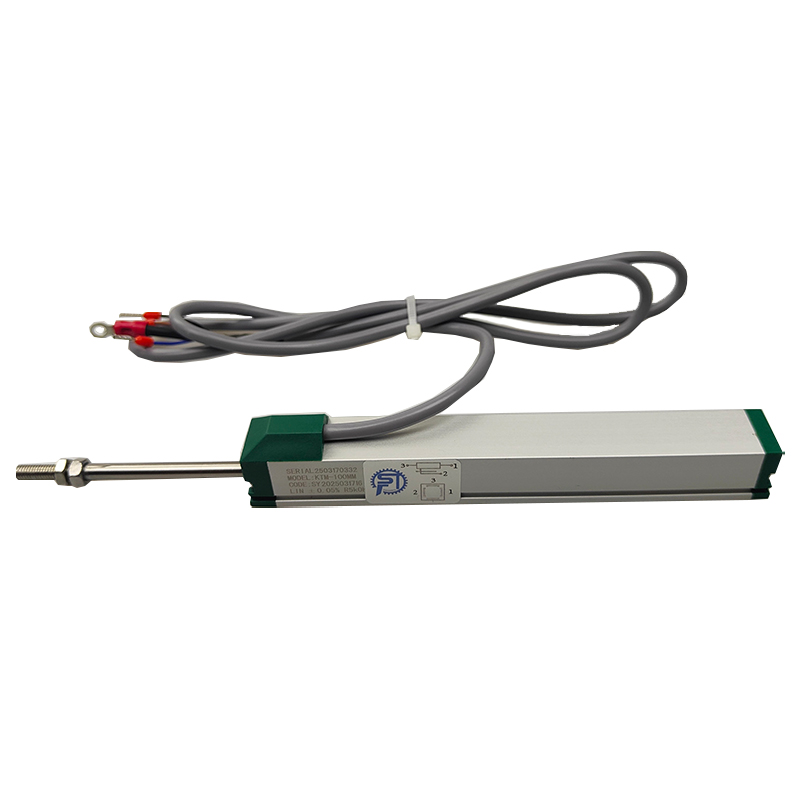
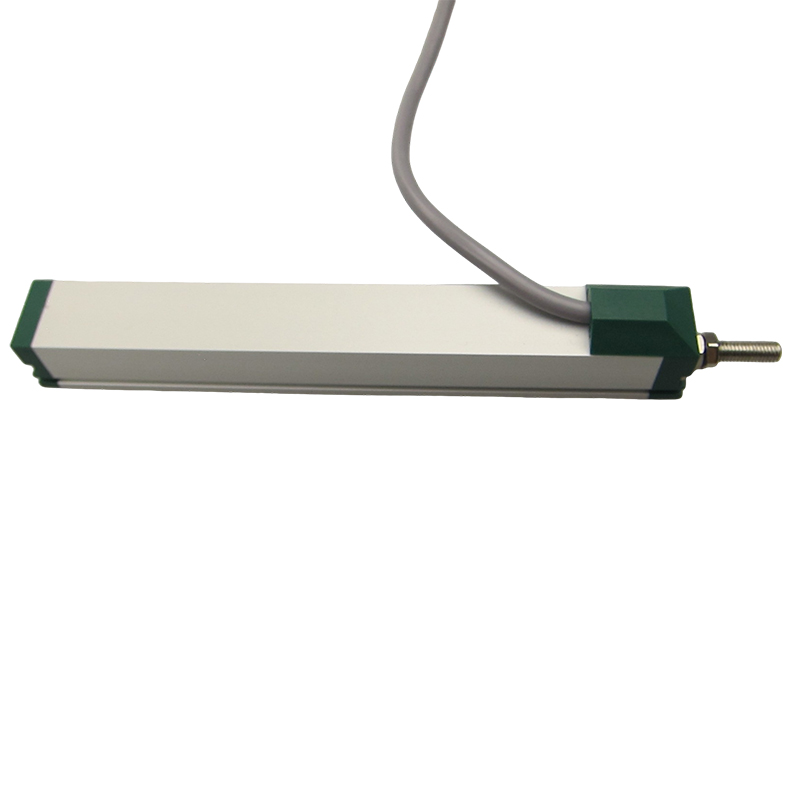
Linear distance sensors are essential devices used in various industrial applications to measure the distance between two points accurately. These sensors play a critical role in automation, quality control, and process optimization. As a B2B buyer, you may have concerns regarding product specifications, reliability, and sourcing options. This article will provide insights into the best applications for dynamic torque sensor, where to source them, common problems, best practices, and cost factors to consider when purchasing in bulk.

Where to Source Reliable Linear Distance Sensors for Wholesale Purchases

Where to Source Reliable Linear Distance Sensors for Wholesale Purchases

When sourcing linear distance sensors, reliability and quality are paramount. Here are some tips for finding trustworthy suppliers: 

Established Manufacturers: Look for manufacturers with a solid reputation in the industry, such as PST. They specialize in high-precision sensors and have CE/RoHS certifications, ensuring compliance with international standards. 

OEM/ODM Solutions: Consider suppliers that offer OEM/ODM solutions. This can allow for customization based on your specific application needs, ensuring that the sensors fit perfectly into your existing systems. 

Quality Control Measures: Verify the supplier's quality control processes. A reliable manufacturer should have stringent testing procedures to ensure that their products meet performance specifications before shipping. 

Global Reach: Look for suppliers with experience in international markets. This indicates they have the capability to handle shipping logistics and compliance with various regulations. 

Customer Support: A supplier that offers robust customer support can assist you with technical inquiries and troubleshooting, ensuring you receive the best possible product for your needs. 

By sourcing from reputable suppliers, you can ensure that your linear distance sensors meet the required performance and quality standards.

Common Problems with Linear Distance Sensors and Effective Solutions

Common Problems with Linear Distance Sensors and Effective Solutions

While linear distance sensors are reliable tools, users may encounter several common issues. Here are some challenges and their solutions: 

Calibration Issues: Sensors may lose calibration over time, leading to inaccurate readings. Regular calibration checks should be conducted according to the manufacturer’s recommendations to maintain accuracy. 

Environmental Factors: Factors such as temperature fluctuations, dust, and moisture can affect sensor performance.  Ensure that the sensors are rated for the environmental conditions they will be exposed to, and consider protective enclosures if necessary. 

Signal Interference: Electromagnetic interference from nearby equipment can disrupt sensor signals. Use shielded cables and proper grounding techniques to minimize interference. 

Mechanical Misalignment: If a sensor is not correctly aligned with the moving parts it measures, it can lead to measurement errors. During installation, ensure proper alignment and secure mounting to maintain accuracy. 

Wear and Tear: Over time, mechanical components may wear out, affecting performance. Regular maintenance checks can help identify wear before it leads to power steering torque sensor failure. 

By being aware of these common problems and implementing solutions, you can enhance the reliability of your linear distance sensors. 

Best Practices Explained

Best Practices Explained

To ensure optimal performance of PST linear distance sensors, consider the following best practices: 

Proper Installation: Follow manufacturer guidelines for installation to prevent misalignment and ensure accurate measurements. Use appropriate mounting hardware and techniques to secure the sensors. 

Regular Maintenance: Implement a maintenance schedule that includes regular cleaning and inspection of the sensors. This helps prevent issues caused by dust or debris buildup. 

Calibration Procedures: Establish a routine calibration process to verify sensor accuracy. This may involve using standard reference points and following specific calibration protocols. 

Training for Operators: Ensure that operators are trained on how to use and maintain the sensors properly.  Knowledgeable staff can identify early signs of issues and take corrective action. 

Documentation: Keep detailed records of installation, calibration, and maintenance activities. This documentation can be invaluable for troubleshooting and ensuring compliance with quality standards. 

By adhering to these best practices, you can maximize the effectiveness and lifespan of your linear distance sensors.

Cost Factors to Consider When Purchasing Linear Distance Sensors in Bulk

When purchasing PST linear distance sensors in bulk, several cost factors should be taken into account: 

Unit Price: The base price per unit often decreases when ordering in larger quantities. Always request quotes for various volume levels to understand potential savings. 

Customization Costs: If you require specific modifications or custom features, be aware that these can increase costs. Discuss customization options with your supplier and factor these into your budget. 

Shipping and Handling: Bulk orders may incur higher shipping costs, but some suppliers offer discounts for large shipments. Compare shipping options to find the most economical solution. 

Lead Time: Consider the lead time for production and delivery. Custom orders may take longer, which can impact your project timelines. Plan accordingly to avoid delays. 

Quality Assurance: Investing in higher-quality sensors may have a higher upfront cost but can lead to lower failure rates and reduced maintenance costs over time, making them more cost-effective in the long run. 

By understanding these cost factors, you can make informed purchasing decisions that align with your budget and operational needs.

Best Applications for Linear Distance Sensors in Industrial Environments

Linear distance sensors are versatile tools that find applications across multiple sectors, including manufacturing, automation, and quality control. Their primary role is to provide precise measurements of linear displacement, making them ideal for tasks such as: 

Automated Assembly Lines: In manufacturing environments, linear distance sensors ensure components are correctly positioned and aligned during assembly. This reduces errors and enhances efficiency. 

Material Handling: These sensors are vital in conveyor systems for monitoring the position and movement of materials. They help in maintaining consistent flow rates and preventing bottlenecks. 

Quality Assurance: Linear distance sensors are used to measure dimensions and tolerances of finished products. This helps maintain quality standards and reduces waste due to defective items. 

Robotics: In robotic applications, these sensors provide feedback for precise movement and positioning, essential for tasks such as pick-and-place operations and robotic welding. 

Construction and Civil Engineering: They are utilized in measuring distances and levels during construction projects, ensuring accuracy in building and infrastructure. 

By understanding these applications, you can better evaluate how strain gauge torque sensor can integrate into your operations.

Frequently Asked Questions

What is the linear distance sensor used for?

It measures linear position or displacement in applications like lifting, weighing, automation, and new energy systems, providing precise distance feedback for control and monitoring.
Our sensors deliver high-precision measurements; exact accuracy and resolution depend on model. Contact us with requirements for tailored specifications and calibration details.
Yes. It supports common analog and digital interfaces and can be customized for OEM/ODM integration to match your control system protocols and electrical requirements.
Manufactured under CE and RoHS standards, ensuring safety and environmental compliance. We follow strict quality control suitable for industrial applications.
Yes. We offer OEM/ODM customization, application guidance, and after-sales technical support to ensure proper selection, installation, and calibration for your project.

Get a Free Quote

Our representative will contact you soon.
0/1000