Key Specifications for Strain Gauge Torque Sensors

application/strain-gauge-torque-sensor, application/strain-gauge-torque-sensor, 
Inquiry
Inquiry

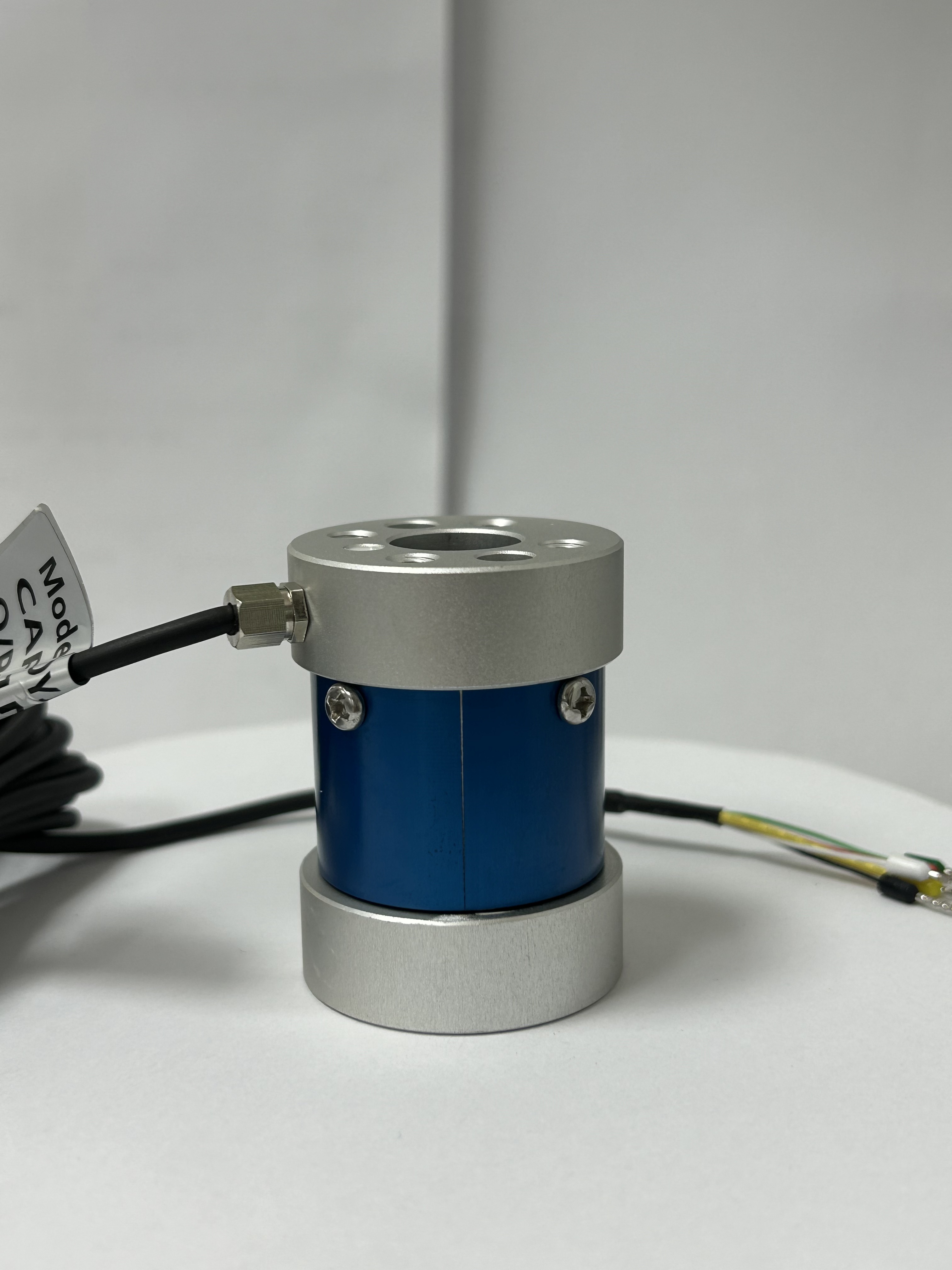
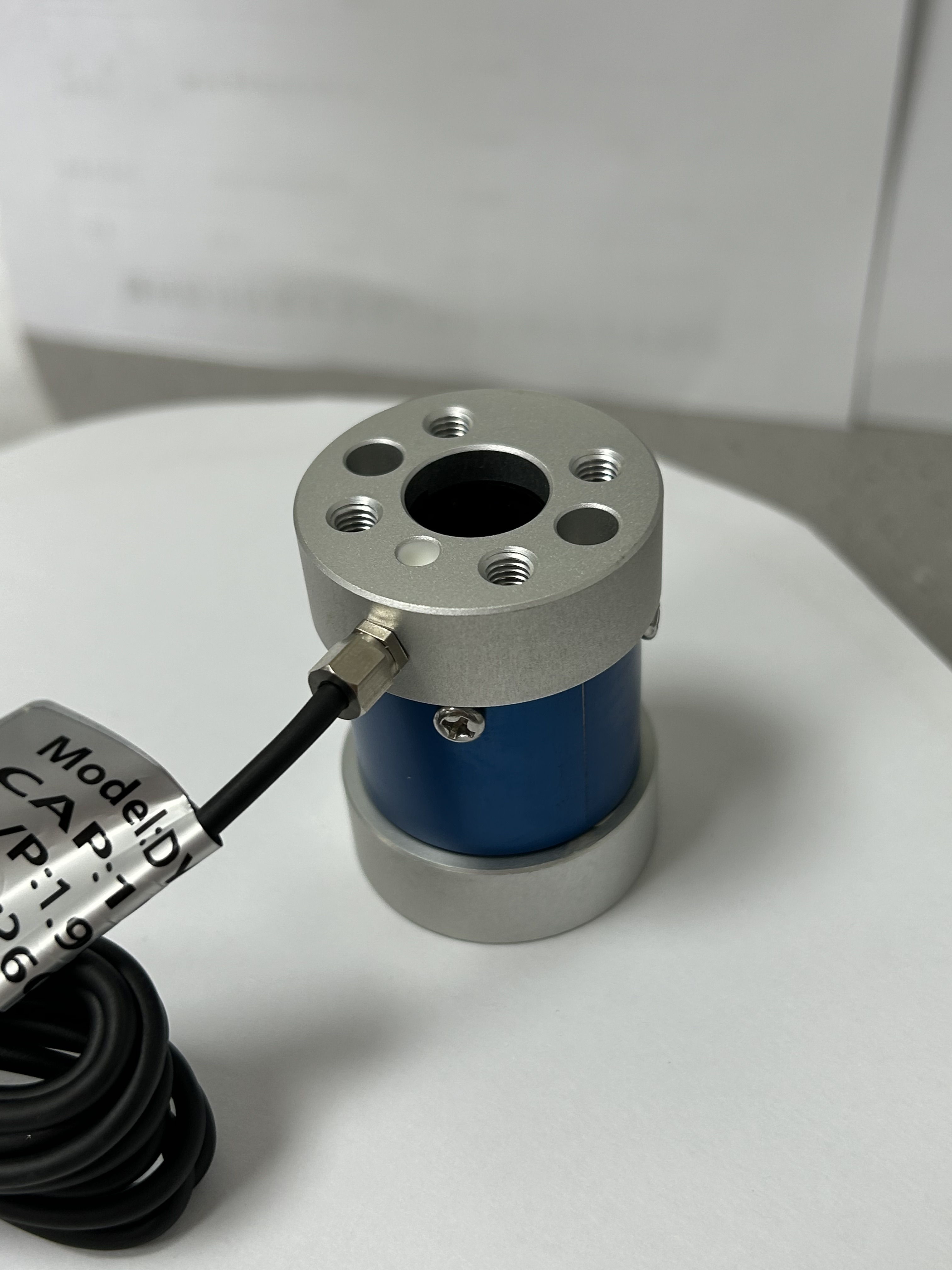
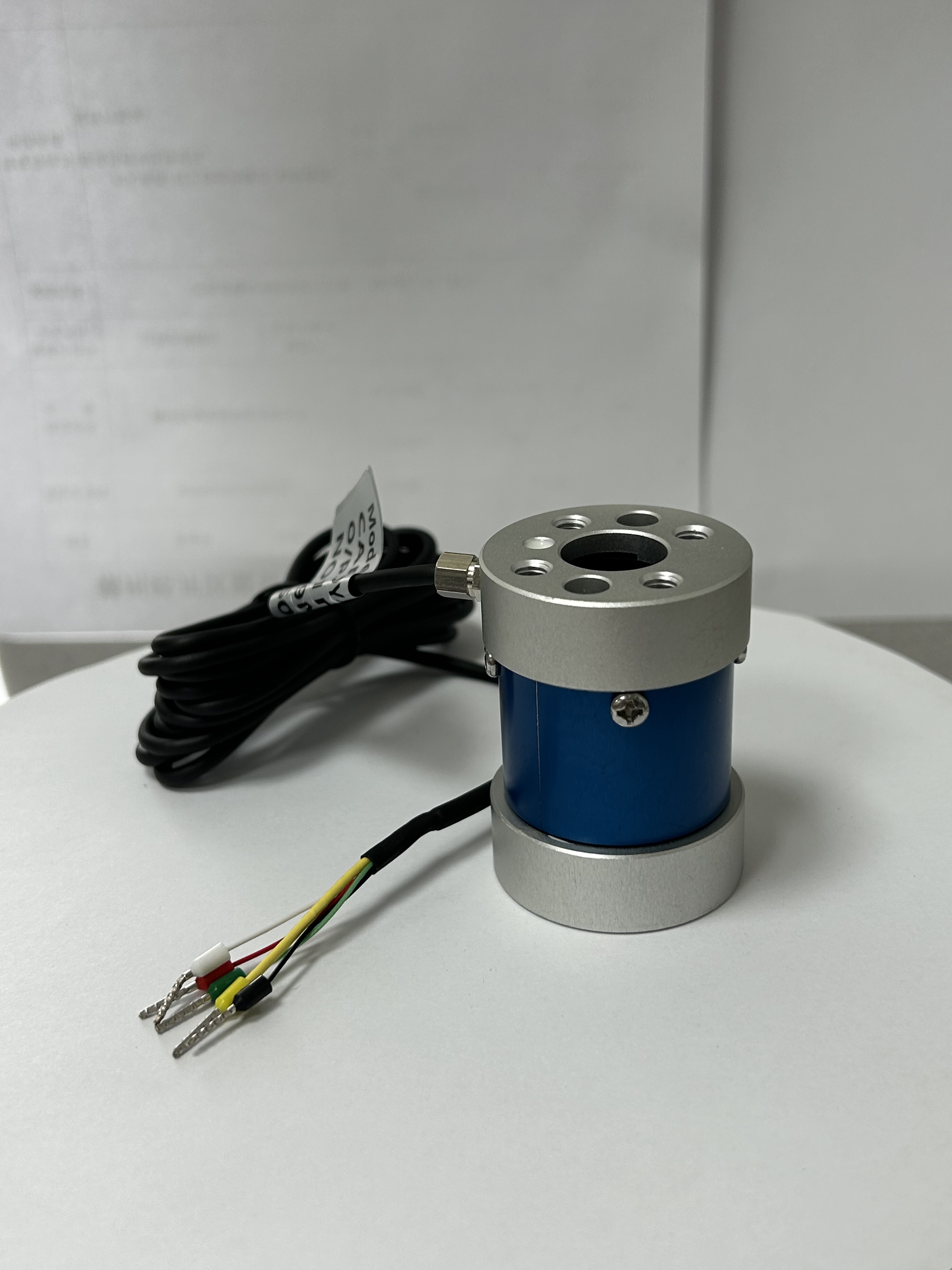
strain gauge torque sensor

Strain gauge  torque sensors are  critical components in measuring the torque exerted on  rotating elements  in  various industrial  applications. These  sensors convert mechanical stress into electrical signals, enabling precise monitoring and control  of torque  levels.  For B2B buyers, understanding the  specifications,  costs, and  potential  issues related to strain gauge torque sensors is essential  for  making informed purchasing decisions. This  article will  provide insights into the key specifications, cost  factors, reliable suppliers,  common problems, and material advantages of strain gauge torque sensors.

Evaluating the Cost Factors of Strain Gauge Torque Sensors

Evaluating the Cost Factors of Strain Gauge Torque Sensors

The cost of strain gauge torque sensors can  vary significantly based on several factors:

Design Complexity:  Custom-designed sensors tailored  to  specific applications  often incur higher costs due to the engineering and testing involved.

Measurement Capabilities: Sensors that support a wider  measurement range  or higher accuracy typically command a  premium price.

Certification and  Compliance: Sensors that  meet industry  standards (like  CE or RoHS) may have higher costs due to the additional testing and quality assurance processes involved.

Volume Discounts: Purchasing larger quantities can lead to significant savings. Many  suppliers offer tiered pricing based on order volume, which  is essential  for large-scale projects.

Integration and  Installation Costs: Consider the costs associated with integrating the sensor into your  existing systems, including wiring, calibration, and potential downtime during installation.

Maintenance and Support: Some manufacturers offer warranties or support services that can impact the overall cost. Evaluating these factors can lead to a more accurate total cost of ownership, especially when considering options like the Mv Signal Amplifier for Load Cell.

By understanding these cost factors,  buyers  can better assess  their budget and make informed decisions when purchasing strain gauge torque sensors.

Where to Find Reliable Suppliers for Strain Gauge Torque Sensors

Where to Find Reliable Suppliers for Strain Gauge Torque Sensors

Finding  reliable  suppliers for strain gauge torque sensors is crucial for ensuring quality and performance.  Here are several strategies to identify trustworthy manufacturers:

Industry Trade Shows: Attending industry-specific trade shows allows you to meet various suppliers, view their products, and gauge their credibility firsthand.

Online Marketplaces and Directories: Websites like ThomasNet or Alibaba can provide a broad list of manufacturers. Look for suppliers with  positive reviews, certifications, and a solid track record in your industry.

Professional Networks: Engaging with industry forums or professional groups can provide recommendations  and insights into reputable suppliers.

Requesting Samples: Before committing  to a large order,  request samples  to evaluate quality  and performance under actual operating conditions.

Certifications and Standards: Ensure that potential  suppliers have relevant certifications (like ISO 9001)  to  indicate their commitment to quality management practices.

Customer Support and Service:  Assess the level of  customer service provided. Reliable suppliers should offer technical support and after-sales service to assist  with  any issues that may arise.

Using these strategies will  help buyers  locate suppliers that meet their quality and service expectations, leading to successful long-term  partnerships.

 
Common Problems with Strain Gauge Torque Sensors and Solutions

Common Problems with Strain Gauge Torque Sensors and Solutions

While strain  gauge torque sensors are reliable, users  may encounter certain issues. Here  are common problems and their solutions:

Drift in Readings: Over time, sensors can experience drift, leading to  inaccurate readings. Regular calibration is essential to maintain  accuracy. Implementing a routine calibration schedule can  mitigate this issue.

Environmental Interference: Factors such as  temperature  fluctuations or electromagnetic interference can affect sensor  performance. Using temperature-compensated sensors or shielding  can help reduce these effects.

Mechanical Stress and Fatigue: Continuous use can  lead to sensor fatigue, impacting performance. To address this, ensure the sensor is appropriate for the application’s  torque levels and consider using overload protection measures.

Improper Installation: Incorrect mounting can lead  to measurement  errors. Follow the manufacturer’s guidelines for installation, and conduct tests to confirm proper operation.

Signal Noise: Noise in  the signal can distort readings. Using shielded cables and proper grounding techniques can  help minimize  noise interference.

By understanding these potential issues, buyers can take  proactive measures to avoid them and ensure  their strain gauge torque sensors  operate effectively.

Understanding Material Advantages of Strain Gauge Torque Sensors

The choice of materials in strain gauge torque sensors significantly impacts their  performance and durability. Common materials include:

Stainless Steel: Known for its corrosion  resistance and strength, stainless steel is ideal for harsh environments or applications exposed to moisture or chemicals. Its durability ensures long-term reliability.

Aluminum: Lighter and often more cost-effective than stainless steel, aluminum is suitable for applications where weight is a concern.  However,  it may be  less durable in corrosive environments.

Invar: This alloy is used in applications requiring low  thermal expansion. Its stability  under temperature fluctuations makes it suitable  for precision measurements in varying conditions.

Polymer  Composites: In  some  applications,  polymers can offer  advantages in terms of weight reduction and resistance to  environmental factors. However,  their mechanical properties  may vary significantly, so careful evaluation  is necessary.

Surface Treatments: Many sensors undergo surface treatments to enhance durability and resistance to wear and corrosion. Understanding these treatments can  help  buyers choose sensors that will perform well in their specific  applications.

By carefully considering material options and their advantages, buyers can select strain gauge torque sensors that meet their performance requirements while ensuring longevity and reliability in their applications. Additionally, exploring options like Customizable PMC Sensors Load Cell Transmitter can provide tailored solutions for unique applications.

Key Specifications for High-Quality Strain Gauge Torque Sensors

When  evaluating  strain gauge torque sensors,  several key specifications must  be considered to ensure optimal performance for your application:

Measurement Range: The torque sensor's measurement range should align with the expected torque levels in your application. If the  range is too narrow, it  may lead to sensor overload,  while an excessively wide range could reduce accuracy.

Sensitivity: Sensitivity refers to the sensor's ability to detect small changes in torque. High sensitivity  is crucial for applications requiring precise torque measurement, such as in automotive testing or aerospace applications.


Accuracy: This specification indicates how closely the sensor's  readings align with the actual  torque value. Look for sensors with low  percentage error  to ensure reliable data.

Output Type: Strain gauge torque sensors typically provide analog output (voltage  or current) or  digital  output (often via a communication protocol). The choice depends on how the sensor will integrate with your existing systems.

Temperature Range: Sensors should be rated for the environmental conditions in which they will operate. Extreme temperatures can affect performance, so ensure the sensor can withstand the operating conditions.

Construction Material: The material used in the sensor's construction can affect its  durability and performance. Common materials include stainless steel and aluminum, which offer different benefits based on the application’s requirements. For instance, the Chinese Factory Weighing Compression Tension Junction Box provides an example of how construction materials play a significant role in performance.

Size and  Mounting Options: Physical dimensions and mounting configurations should align with your equipment's design. A proper fit ensures accurate torque measurement and sensor longevity.

Understanding these specifications will help you select  the right strain gauge torque sensor for your specific application, preventing costly errors and ensuring reliable  operation.

Frequently Asked Questions

What is a strain gauge torque sensor?

A strain gauge torque sensor measures torque by detecting strain on a rotating shaft using bonded strain gauges. It converts mechanical torque into an electrical signal for precise monitoring and control.
Our sensors are used in lifting, weighing, automation, new energy, and testing applications where high-precision torque measurement and reliability are required.
Our products carry CE and RoHS certifications, ensuring compliance with safety and environmental standards for global deployment.
Yes. We offer OEM/ODM customization for mechanical interfaces, signal outputs, calibration ranges, and packaging to meet specific application requirements.
We provide factory calibration, technical documentation, installation guidance, and after-sales support to ensure accurate performance and long-term reliability.

Get a Free Quote

Our representative will contact you soon.
0/1000