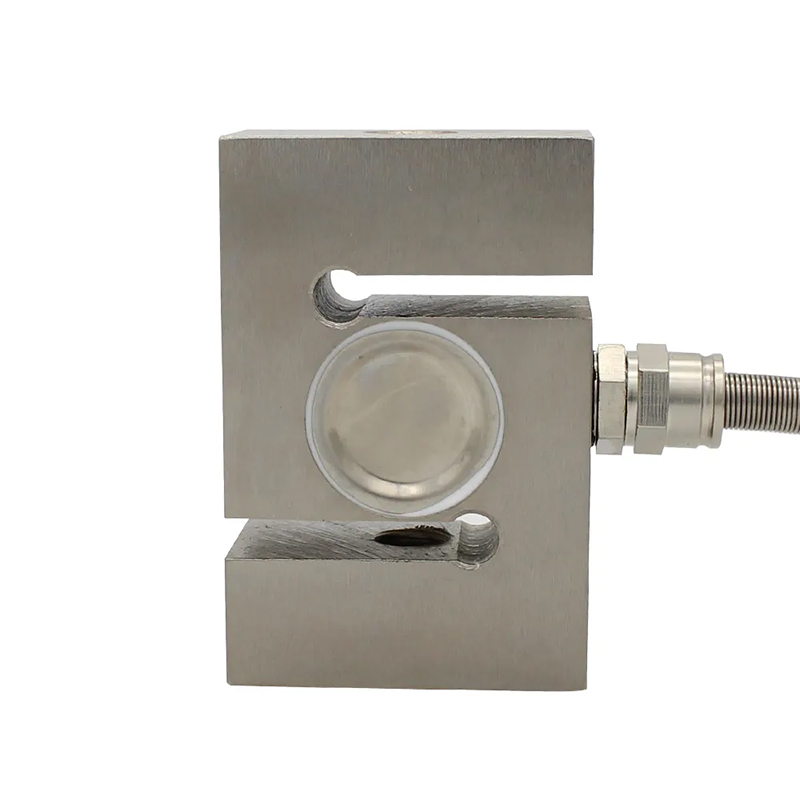
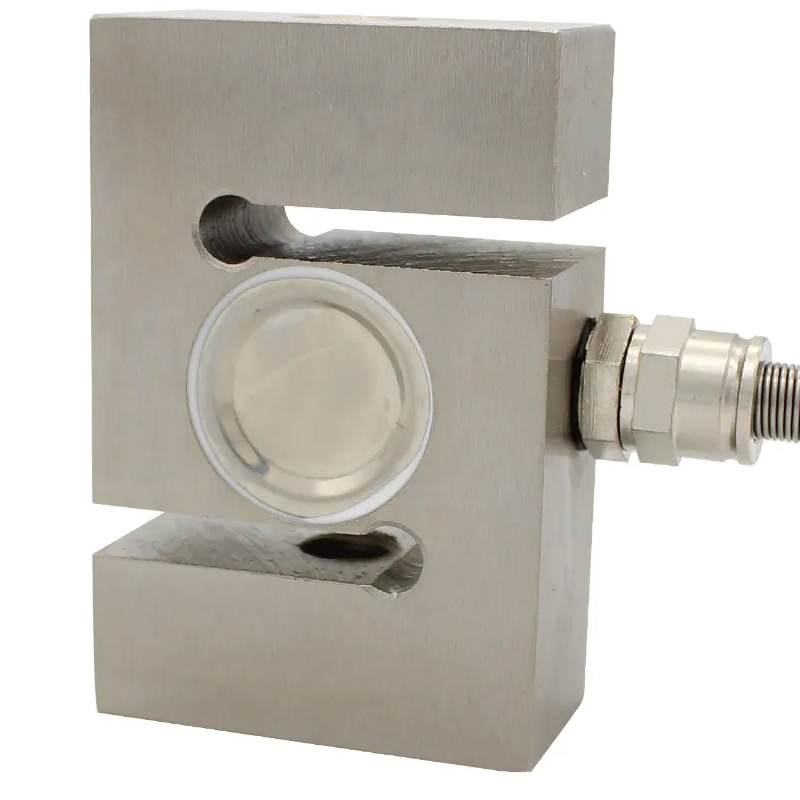
Load Cell S Beam Specifications for Wholesale Buyers

application/load-cell-s-beam, application/load-cell-s-beam, 
Inquiry
Inquiry

Load cell s beam

Load cell S beams are essential components in the fields of weighing and force measurement. These devices convert force or weight into an electrical signal, providing accurate data crucial for various industrial applications. For B2B buyers, understanding the specifications, applications, and common issues related to load cell S beams can significantly influence purchasing decisions. This article aims to equip purchasing managers, engineers, and distributors with the necessary insights to make informed choices when selecting load cell S beams for their operations. This article will help you to understand the product more, so keep on reading it all. 

Key Applications for Load Cell S Beams in Industrial Settings

Key Applications for Load Cell S Beams in Industrial Settings

Load cell S beams find applications across a variety of industries. In the weighing industry, they are integral to scales used in food processing, pharmaceuticals, and logistics, where accurate weight measurement is critical. 

In automation, load cells are utilized for monitoring force and load in robotic systems, ensuring safe operation during material handling. The lifting industry also employs load cell S beams in cranes and hoists to monitor weight loads, preventing overloading and enhancing safety. 

Moreover, the new energy sector leverages load cells in applications such as wind turbines and solar energy systems, where precise load measurements are necessary for optimal performance. Understanding these applications can help buyers select the right shear beam load cell tailored to their specific needs. 

Common Problems with Load Cell S Beams and Their Solutions

Common Problems with Load Cell S Beams and Their Solutions

While PST load cell S beams are robust, buyers should be aware of common issues that may arise during operation. One frequent problem is drift, where the load cell output gradually changes over time without an actual change in load. This can be mitigated by regular calibration and ensuring the load cell is installed correctly. 

Another issue is environmental interference, such as temperature fluctuations or electromagnetic fields, which can affect readings. To combat this, it is advisable to install load cells in controlled environments or use shielding techniques. 

Mechanical overload is also a concern. Buyers should ensure that the load cell's rated capacity is not exceeded during operation. Implementing safety margins and using load limiters can help prevent damage. 

Understanding these potential problems and their solutions can guide buyers in making informed decisions that enhance the longevity and reliability of load cell beam type. 

Cost Factors to Consider When Purchasing Load Cell S Beams

Cost Factors to Consider When Purchasing Load Cell S Beams

When purchasing PST load cell S beams, various cost factors must be considered beyond the initial purchase price. Material quality plays a significant role in determining durability and performance. Stainless steel is often preferred for its corrosion resistance, especially in harsh environments, but it may come at a higher cost. 

Customization is another factor that can influence pricing. Standard models are typically less expensive than customized solutions tailored to specific applications. Buyers should assess whether customization is necessary and how it aligns with their budget. 

Volume discounts should also be considered. Purchasing in larger quantities may result in lower per-unit costs, which is beneficial for companies planning bulk purchases. Additionally, understanding the total cost of ownership, including installation, maintenance, and potential downtime, is crucial for evaluating the overall value of the investment.

Features and Benefits for Buyers

Load cell S beams offer numerous features that can benefit buyers across various applications. One notable feature is high precision, which ensures accurate measurements critical for compliance with industry standards. This precision is particularly vital in sectors like pharmaceuticals and food processing, where measurement accuracy can directly impact product quality. 

Another significant benefit is versatility. Load cell S beams can be used in numerous applications, from weighing to force measurement, providing a flexible solution for different operational needs. This adaptability can reduce the need for multiple types of sensors, simplifying inventory management. 

Ease of integration with existing systems is also a compelling advantage. Many load cell shear beam type come with standardized output signals, allowing for straightforward incorporation into various data acquisition systems. This feature can save time and reduce costs during installation. 

Lastly, the availability of OEM/ODM solutions allows buyers to request tailored features or branding, enhancing compatibility with their specific requirements. This level of customization can empower businesses to achieve precise performance standards while maintaining brand consistency. 

By understanding these features and benefits, buyers can make informed decisions that align with their operational goals and enhance productivity. 

Understanding Load Cell S Beam Specifications for Wholesale Buyers

When evaluating PST load cell S beams, buyers should focus on key specifications that directly impact performance. These include load capacity, accuracy, and output signal type. 

Load Capacity: This is the maximum weight the load cell can measure. It is vital to choose a load cell with a capacity that meets the maximum expected load to prevent damage or inaccurate readings. 

Accuracy: Load cells typically have a specified accuracy, expressed as a percentage of the full-scale output. A high accuracy rating is crucial in applications where precise measurements are required. 

Output Signal Type: Common output types include analog (usually 0-10V or 4-20mA) and digital (RS485, CAN). The choice depends on how the data will be processed and integrated into existing systems. 

Buyers should also consider environmental factors such as temperature range and humidity, as these can affect load cell performance. Additionally, ensuring the load cell is compliant with relevant certifications like CE and RoHS is essential, highlighting its safety and reliability in industrial settings. 

Frequently Asked Questions

What is the load cell s beam used for?

The S beam load cell measures tension and compression forces in lifting, weighing, automation and test rigs, suitable for inline force measurement and platform or hanging scales.
Our S beam load cells offer high precision with CE and RoHS certifications. Accuracy classes and calibration options are available on request for specific applications.
Capacities range from low-force grams up to several tonnes. Specific ranges and custom capacities are available through our OEM/ODM services to fit your application.
Install inline with proper loading points, use recommended mounting hardware, ensure no side loading, and follow wiring and grounding guidelines supplied with the product for stable readings.
Yes. We offer factory calibration, custom mounting, output options and OEM/ODM customization to meet industry requirements for lifting, weighing and new energy applications.

Get a Free Quote

Our representative will contact you soon.
0/1000