Single Point Load Cells: Specifications & Guide

application/single-point-load-cell, application/single-point-load-cell, 
Inquiry
Inquiry

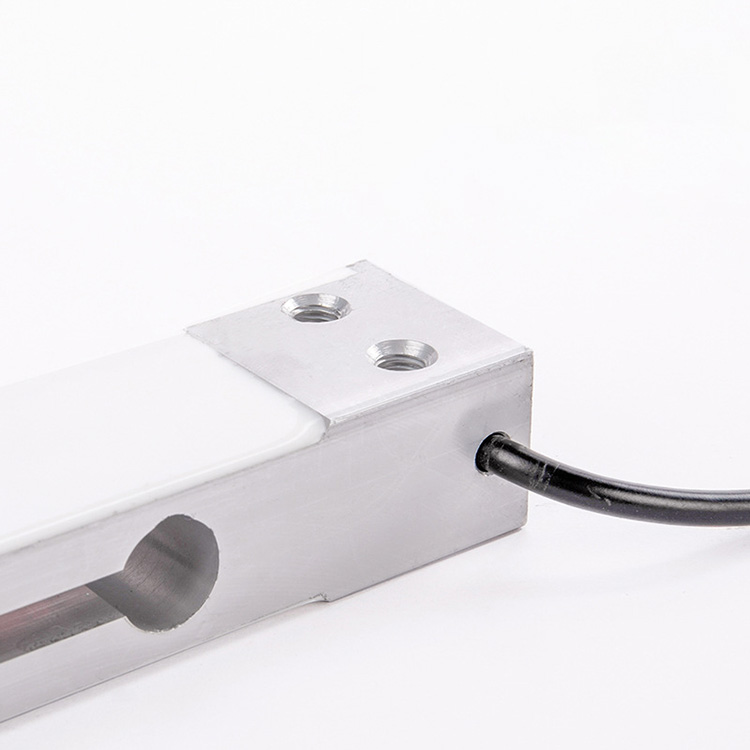
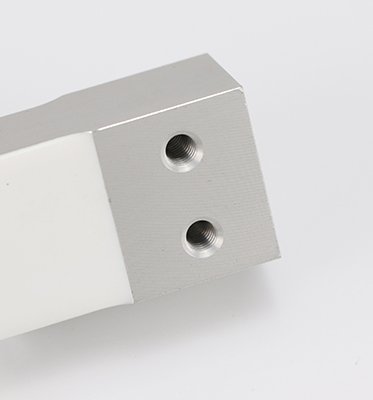
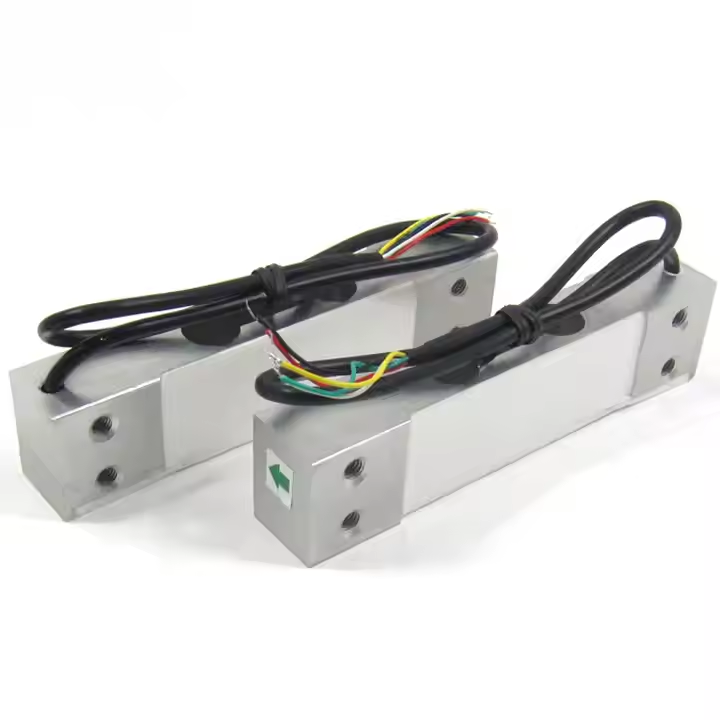
Single point load cell

Single point load cells are essential components widely used in various applications to measure weight or force with high precision. As a purchasing manager or engineer, understanding the specifications, applications, and sourcing options for single point load cells is critical to making informed decisions. This article aims to provide insights into comparing specifications, purchasing in bulk, and understanding key factors that influence the choice of Load cell, ultimately guiding you through the selection process.

Wholesale Purchasing Guide for Single Point Load Cells

Wholesale Purchasing Guide for Single Point Load Cells

When purchasing single point load cells in bulk, it is essential to follow a structured approach to ensure you receive quality products that meet your project requirements. Consider the following steps: 

Define Your Requirements: Clearly outline specifications, including capacity, accuracy, and environmental conditions. This will serve as a baseline for all suppliers. 

Supplier Evaluation: Research potential suppliers, looking for manufacturers with proven experience and certifications like CE and RoHS. Their expertise can significantly impact the quality and reliability of the load cells. 

Request Samples: Before finalizing an order, request samples to test in your application. This step is crucial to validate performance and compatibility. 

Negotiate Pricing and Terms: Discuss pricing, minimum order quantities (MOQ), and lead times. Understanding these factors will help you manage your budget and project timelines effectively. 

Quality Assurance: Inquire about the supplier's quality control processes. A reputable supplier will have comprehensive testing protocols to ensure that all products meet specified standards. 

Logistics and Support: Consider the supplier's ability to provide support and handle logistics effectively. This includes timely delivery and responsive customer service for any post-purchase inquiries. 

Following these steps will help streamline your purchasing process and ensure that you secure reliable single point load cells that meet your operational needs.

Key Factors for Single Point Load Cells

Key Factors for Single Point Load Cells

When choosing a PST single point load cell, several key factors should influence your decision: 

Application Suitability: Consider the specific application for which the load cell will be used. Different industries—such as automation, weighing, and new energy—may have unique demands that affect load cell selection. 

Environmental Conditions: Evaluate the environment where the load cell will operate. Factors such as humidity, dust, and exposure to chemicals can influence material selection and overall durability. 

Customization Requirements: Assess whether you require custom specifications to fit unique applications. Many manufacturers, including JIANGXI JINGCE SENSING TECHNOLOGY CO., LTD., offer OEM/ODM solutions to meet specific needs. 

Integration with Existing Systems: Ensure the load cell can integrate smoothly with your existing equipment, including controllers and data acquisition systems. Compatibility is crucial for accurate data collection and reliability. 

Regulatory Compliance: Depending on your industry, ensure that the load cells comply with relevant regulations and standards, which can vary by region. 

By considering these factors, you can choose a single point load cell that not only meets your technical requirements but also enhances operational efficiency. 

Where to Source Reliable Single Point Load Cells in Bulk

Where to Source Reliable Single Point Load Cells in Bulk

Finding reliable sources for bulk purchases of PST single point load cells involves thorough research and supplier evaluation. Here are a few strategies: 

Industry Networks: Leverage industry connections and networks to identify reputable manufacturers. Personal recommendations can provide insights into the reliability and quality of potential suppliers. 

Trade Shows and Expos: Attend industry trade shows to meet manufacturers and suppliers in person. This allows for direct discussions about capabilities and products, as well as opportunities to see load cells in action. 

Online Directories: Utilize online platforms and directories that specialize in industrial components. Look for suppliers with verified reviews and detailed product information. 

Local Distributors: Working with local distributors can simplify logistics and support. They often have established relationships with manufacturers and can provide quick access to products.  

Request Quotes: Once you have identified potential suppliers, request quotes that detail product specifications, pricing, lead times, and shipping options to make informed comparisons. 

By sourcing from trusted manufacturers and suppliers, you can ensure that your bulk purchases of single point load cells are both reliable and cost-effective. 

Understanding Cost Factors for Single Point Load Cells

The cost of PST single point load cells can vary widely based on several factors. Understanding these can help manage your budget effectively: 

Material and Construction: Load cells made from higher-grade materials or with more complex constructions generally cost more. For example, Linear sensor may have a higher initial cost but offer greater durability in harsh environments. 

Capacity and Accuracy: Higher capacities and more precise accuracy often come with increased costs. Assess the necessity of these specifications against your application needs to avoid overspending. 

Customization: Custom designs or modifications typically add to the cost. If your application requires specific features, ensure to factor in these additional expenses during budgeting. 

Volume Discounts: Many manufacturers offer discounts for bulk purchases. Understanding the MOQ can help you strategize your order to maximize savings. 

Shipping and Handling: Consider logistics costs, particularly if sourcing from international suppliers. Shipping fees can significantly impact the overall cost, so calculate these into your total budget. 

Quality Assurance and Testing: Some suppliers may include testing and quality assurance in the product price. While this may increase upfront costs, it can save expenses related to defects or performance issues down the line. 

Understanding these cost factors will help you make informed decisions when purchasing single point load cells, ensuring you obtain the best value for your investment. 

How to Compare Specifications of Single Point Load Cells

When comparing specifications of single point load cells, several critical parameters should be evaluated to ensure the right fit for your application. These include: 

Capacity: This refers to the maximum load the load cell can accurately measure. Knowing your application's maximum expected load is vital to selecting the right capacity. 

Accuracy: Often expressed as a percentage of full scale, accuracy determines the precision of the load cell's measurements. Higher accuracy is essential in applications demanding strict compliance with tolerance levels. 

Output Signal: Single point load cells typically output a signal in mV/V. Understanding the output signal is crucial, as it determines compatibility with your existing measurement systems. 

Material: Load cells are usually made from materials such as aluminum or stainless steel, impacting their durability and suitability for various environments. Stainless steel is preferred for corrosive or harsh conditions. 

Temperature Range: Load cells can be affected by temperature variations. Ensure the selected load cell can operate efficiently within the temperature ranges expected in your application. 

Size and Mounting: The physical dimensions and mounting options of the Load cell indicator should fit within your machinery or application space. Verify the mounting style aligns with your existing setup. 

Understanding these specifications will help you assess different models effectively, ensuring you select a single point load cell that meets your precise needs.

Frequently Asked Questions

What is a single point load cell used for?

A single point load cell measures force or weight at one point, ideal for platform scales, retail scales, packaging, and automation where accurate single-point weighing is required.
We offer high-precision single point load cells in various capacities, typically from low kg ranges to several hundred kg, with tight accuracy and repeatability suitable for weighing and automation.
Yes. Our single point load cells carry CE and RoHS certifications, meeting safety and environmental standards for international deployment.
Yes. We provide OEM/ODM services including mechanical mounting options, cable lengths, output calibration, and customized packaging for industry-specific needs.
Designed for lifting, weighing, automation, and new energy sectors, our load cells operate in industrial environments with robust construction and options for protection against dust and moisture.

Get a Free Quote

Our representative will contact you soon.
0/1000