Choosing the Right Shear Beam Load Cell for Your Needs

application/shear-beam-load-cell, application/shear-beam-load-cell, 
Inquiry
Inquiry

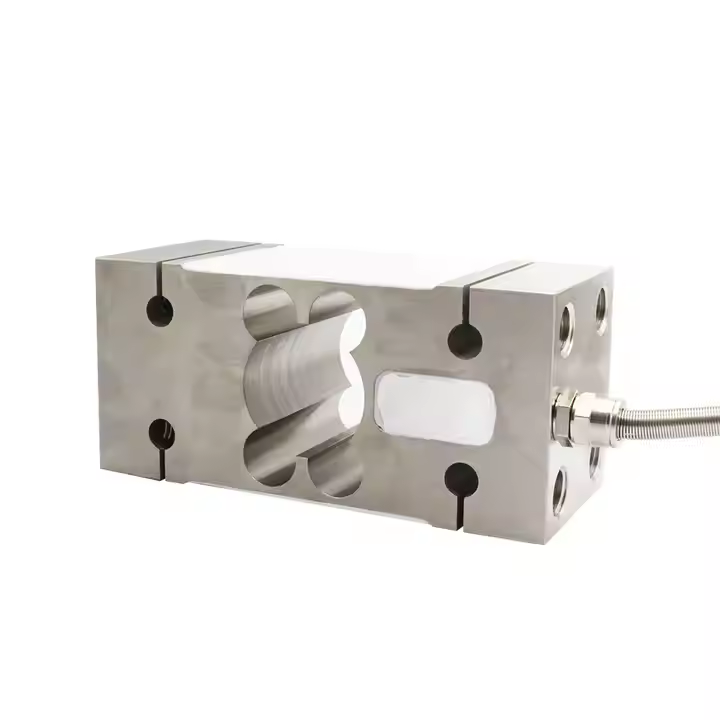
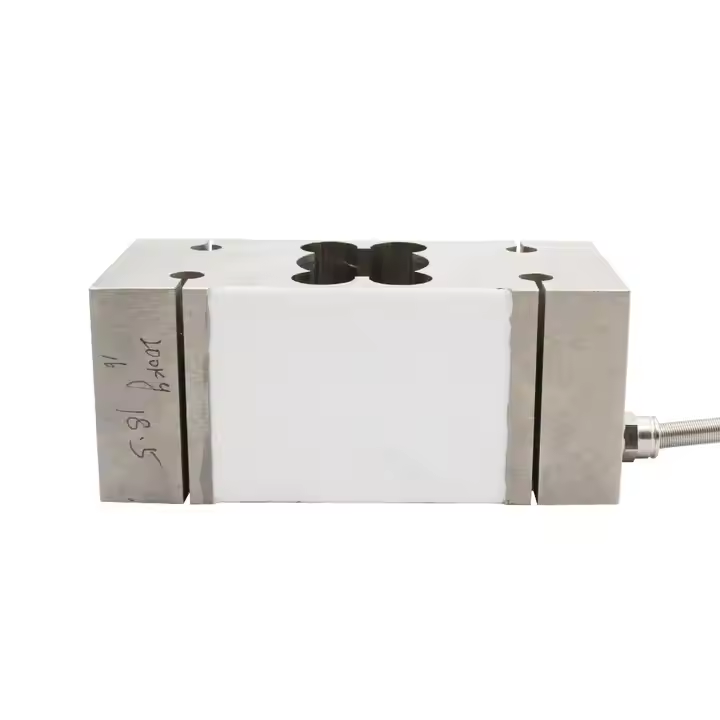
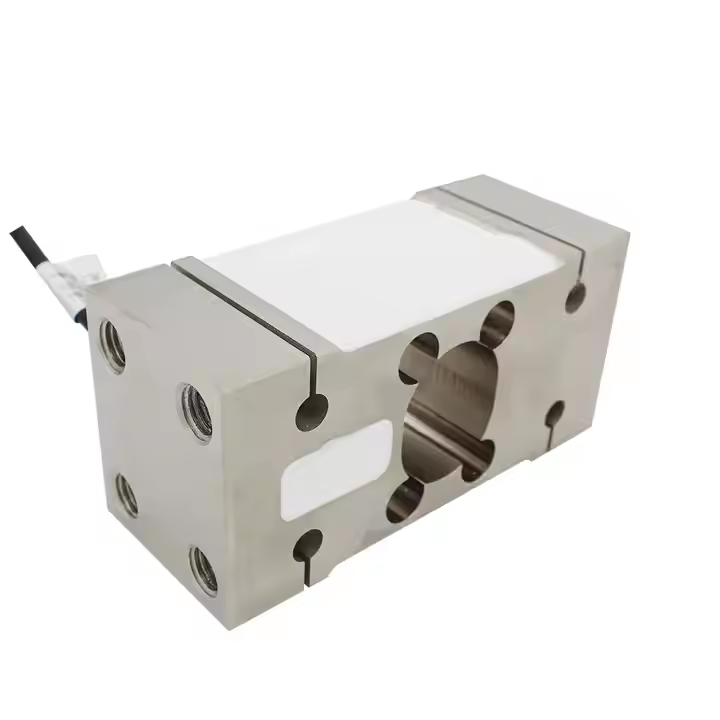
shear beam load cell

Shear beam load  cells are precision devices widely used  in various industrial applications for  accurate weight measurement and  force sensing. For businesses  looking to invest in these components, understanding the nuances of  shear  beam load cells  is crucial to making informed purchasing decisions.  This  article will  address  common buyer concerns,  including  selection criteria, specifications,  and sourcing reliable products, ultimately helping  you  choose the  right  load cell for  your needs. For more information on different types of load cells, you can check out our detailed guide on Load cell.

Why Shear Beam Load Cells Are Ideal for Distributors

Why Shear Beam Load Cells Are Ideal for Distributors

Distributors find shear beam load cells appealing due  to their versatility  and ease of integration into various applications. Their robust design allows them to handle heavy loads, making them  suitable for industries  such as manufacturing, logistics, and  construction. Additionally, shear beam load cells are generally more  cost-effective than  other types, allowing distributors to  offer competitive pricing.

Shear beam load cells also provide a high  degree of accuracy and stability, which are essential for applications requiring  precise measurements. Their relatively simple installation process  means that distributors can quickly integrate them into existing systems, minimizing downtime for  clients.

Moreover,  with CE and  RoHS certifications,  these load cells  assure distributors and end-users of their compliance  with international standards. This not only  enhances trust but also expands  market opportunities for distributors, as they can cater to a  wide range of industries globally.

Key Specifications to Consider When Selecting Shear Beam Load Cells

Key Specifications to Consider When Selecting Shear Beam Load Cells

When selecting shear beam load cells,  several specifications should be evaluated to ensure optimal performance:

Load Capacity: This is the maximum  weight the load cell can accurately measure. Ensure that the load capacity matches or exceeds your application requirements.


Accuracy:  This is often expressed as a percentage  of the full-scale output. A  load cell with higher accuracy will provide  more reliable data, which is critical for applications requiring precise measurements.

Material: The construction material affects the load cell's durability and suitability  for various environments. Stainless  steel is common for its  corrosion resistance,  while  aluminum  may be selected for lighter applications.

Temperature Range: Load cells can be sensitive to temperature changes. Ensure that the  load cell can operate effectively within the temperature range of  your application.

Output Signal: Different load cells offer various output signals, such as  analog or digital. The choice will depend on the compatibility with existing measurement systems.

Protection Class: If the load cell will be exposed to harsh conditions, select one with a suitable  IP (Ingress Protection) rating to ensure longevity.


Understanding these specifications will help you narrow down your options  and find a load cell  that meets your operational needs.

How Our Shear Beam Load Cells Meet Industry Standards

How Our Shear Beam Load Cells Meet Industry Standards

At JIANGXI JINGCE SENSING  TECHNOLOGY CO., LTD., our shear  beam load  cells are designed with  industry  standards in mind,  ensuring reliability and accuracy. Our products are CE and RoHS certified, reflecting  our commitment  to quality and safety. This certification is crucial for companies looking to integrate load cells  into regulated environments.

Our manufacturing processes incorporate rigorous quality control measures, including testing for load accuracy  and consistency. Before products are shipped, we conduct comprehensive  inspections to ensure they meet specified performance standards.  Additionally, we utilize advanced materials and production techniques to enhance durability and performance across various applications, from  weighing systems to  industrial automation.

By adhering to  these standards, we not only ensure the  performance of our shear beam load cells but also build trust with our clients, providing them with components  that they can rely  on  for critical  operations.

Where to Source Reliable Shear Beam Load Cells for Your Business

Sourcing reliable shear  beam load  cells involves identifying reputable manufacturers and suppliers. Start by researching companies that specialize  in load cell technology and have a proven  track record in the industry. Look for manufacturers that  offer detailed product specifications,  certifications,  and quality assurance processes.

JIANGXI JINGCE SENSING TECHNOLOGY CO., LTD. stands out  as a trusted source for high-precision load cells. Our extensive  experience in the manufacturing of load cells allows us to provide tailored solutions that  meet specific customer needs. We  offer customization options to ensure that our products align with your  unique  application requirements.

When requesting a  quotation, be prepared to provide detailed information,  including desired specifications,  quantity, and application context. This information will help manufacturers  offer the best solutions and pricing.


Selecting the right shear beam load cell  is crucial for achieving accurate measurements in your applications. By understanding the factors that influence your choice, you can make  informed purchasing decisions that enhance operational efficiency and product reliability.

Choosing the Right Shear Beam Load Cell for Your Project Needs

Selecting the right  shear  beam load cell involves evaluating  several key factors. First, consider  the application requirements, such as the maximum load capacity,  environmental conditions,  and the type of material being weighed. Shear beam load cells are  typically used in  applications ranging from industrial  scales  to  automation systems;  hence, understanding the load range is crucial.

Next, assess the physical dimensions of the load cell. The installation space may restrict the size of the load cell you can use. For instance, a load cell that is too large may not  fit in  a compact scale design, while one that is too small may not  provide the necessary accuracy or strength. Additionally, if you require a specialized solution, consider looking into the options provided by various manufacturers, including Shear beam load cell providers.

Additionally, check for compatibility with your existing equipment.  Some load cells offer features such as integrated  electronics or specific output signals (like 4-20 mA or RS-232) that must  match your system's requirements. Lastly,  consider whether you need a custom solution. Manufacturers like JIANGXI JINGCE SENSING TECHNOLOGY CO., LTD. offer OEM/ODM services that can tailor load cells to meet unique specifications.


Frequently Asked Questions

What is a shear beam load cell used for?

A shear beam load cell measures force or weight in industrial weighing systems, cranes, tanks, and hoppers. It converts applied shear force into an electrical signal for accurate load monitoring and control.
We offer shear beam load cells in various capacities and high precision ranges suitable for industrial applications. Specific tolerance and capacity options can be provided per project requirements.
Our shear beam load cells carry CE and RoHS certifications, ensuring compliance with safety and environmental standards for global deployment.
Yes. We offer OEM/ODM customization including mechanical modifications, calibration, connectors, and branding to fit lifting, weighing, automation, and new energy applications.
We provide technical guidance, installation instructions, and calibration services or documentation to ensure accurate setup. Remote support is available for complex integrations.

Get a Free Quote

Our representative will contact you soon.
0/1000