Evaluating 2 Ton Load Cells for Your Industrial Needs

application/2-ton-load-cell, application/2-ton-load-cell, 
Inquiry
Inquiry

2 ton load cell

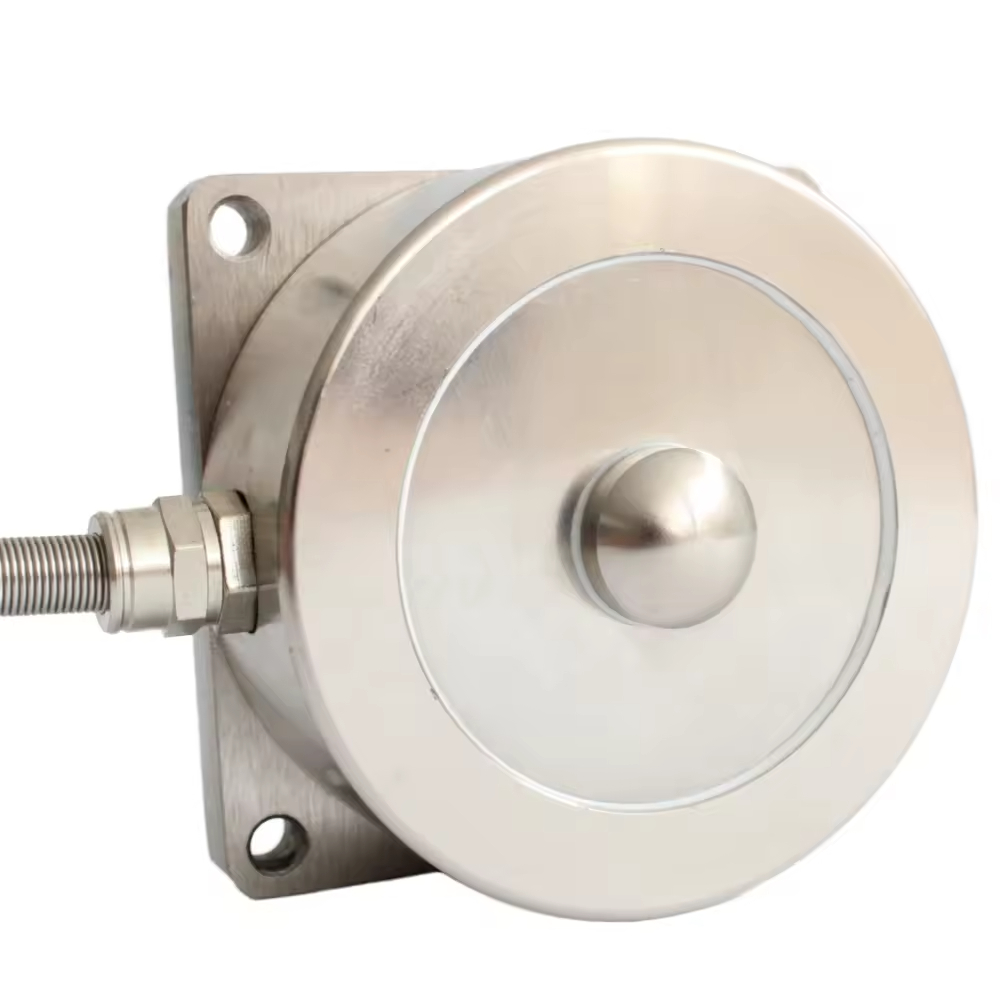
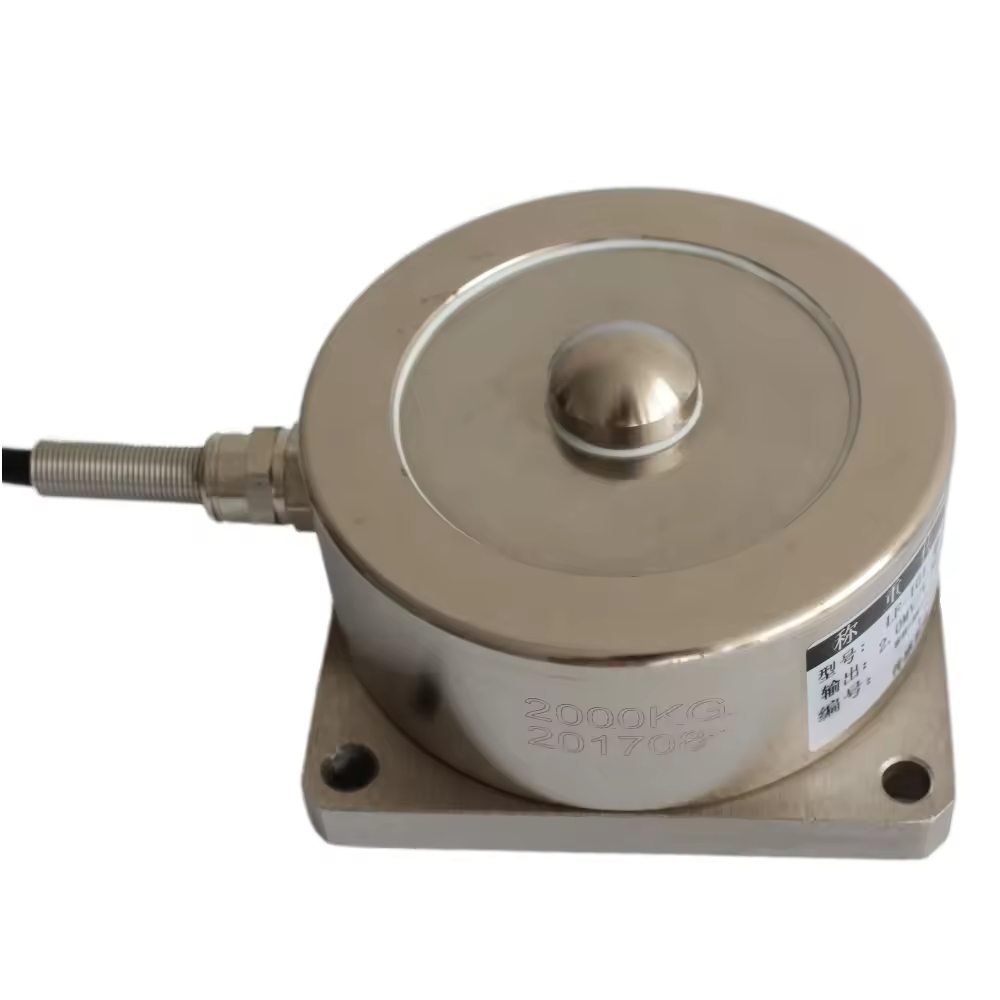
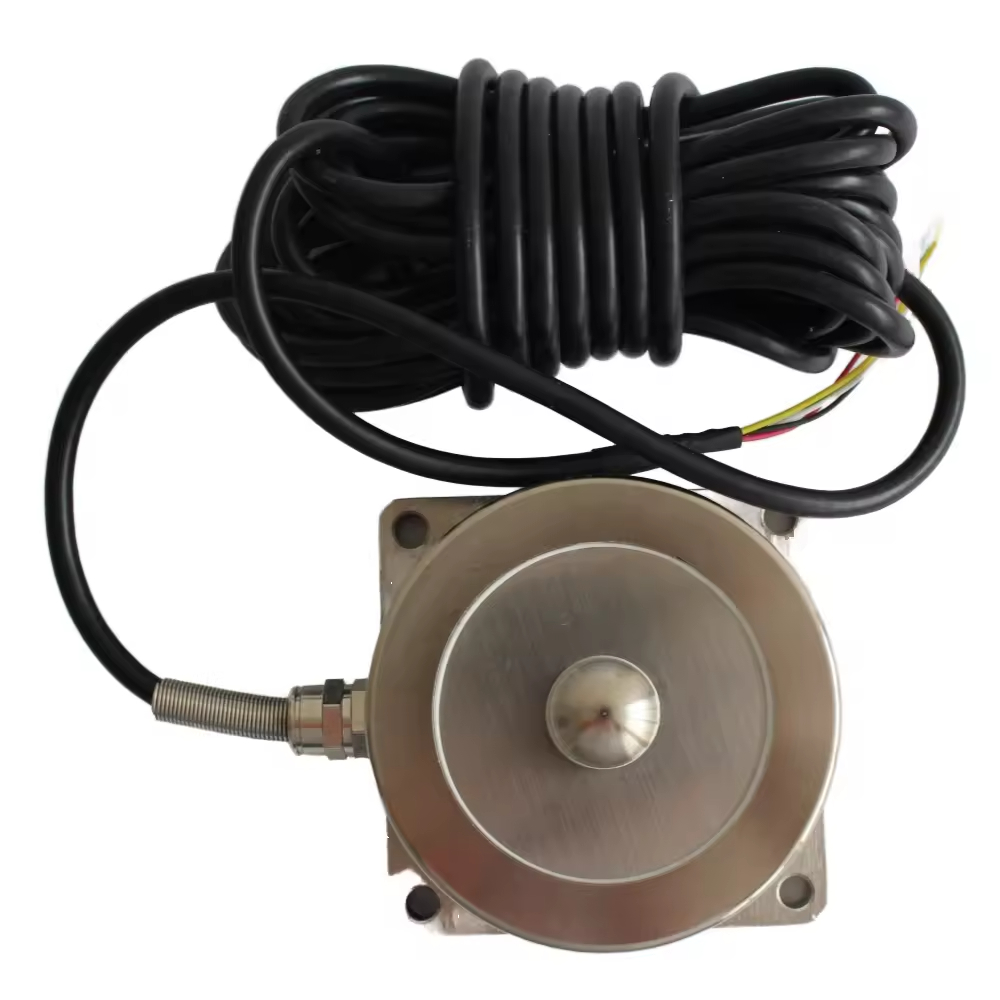
2  ton  load cells are essential  components  in various industrial applications,  providing accurate weight  measurements for lifting, weighing,  and automation  processes. For B2B buyers, such as purchasing managers, contractors, and  engineers,  the quality, precision, and suitability of these load cells are crucial factors to consider.  This  article aims to help  you  understand the key aspects of 2 ton load cells, including  their specifications,  cost  factors, potential problems, and essential information to  ensure  a successful  purchase.

Understanding the Specifications of 2 Ton Load Cells for Contractors

Understanding the Specifications of 2 Ton Load Cells for Contractors

For contractors, understanding the  specifications of 2 ton  load cells  is critical to ensure compatibility with existing systems and applications. Key  specifications to consider include:

Load Capacity: Confirm that the  load cell's  capacity meets or exceeds the required weight.  In  this  case, it should reliably handle loads up to  2 tons. Output Signal: Determine the type of output signal  (e.g., analog or digital) and ensure it  is compatible with your monitoring systems. Material and Construction: The choice of material impacts not only durability but also environmental  resistance. For instance, stainless steel load cells may be better suited for harsh environments due to their  corrosion resistance. Temperature Range: Understanding the operational temperature range is vital, especially for  applications in extreme conditions. Load cells must  maintain accuracy throughout their specified temperature range. Dimensions: The size and shape of the load cell can affect installation; ensure the dimensions fit within your design parameters. By clearly defining these specifications,  contractors can select load cells that are optimally suited for their projects, minimizing  the risk  of operational  issues. For higher accuracy requirements, consider products like Mv Signal Amplifier for Load Cell Transmitter Signal Converter which can enhance performance.
Cost Factors to Keep in Mind When Purchasing 2 Ton Load Cells

Cost Factors to Keep in Mind When Purchasing 2 Ton Load Cells

When budgeting for 2 ton load cells, several cost  factors should be taken into account beyond the  initial purchase price. These include:

Quantity:  Bulk purchases often  yield discounts, but be mindful of the Minimum Order  Quantity (MOQ) set by the  supplier. Large orders may also lead to longer lead times, so  plan accordingly.  Customization: If you require  specific modifications to the load cells, such as unique dimensions or special coatings, this can increase costs. Discuss customization capabilities with the  supplier early in  the process. Shipping and Handling: Depending on  the destination, shipping costs  can vary significantly. Consider logistics and potential tariffs if importing  from international suppliers. Calibration and Testing: Some manufacturers may charge additional fees for calibration services  or testing certificates. This is a crucial step, especially for high-accuracy applications. Long-Term Reliability: Evaluate the total cost of ownership, including maintenance  and potential replacements. Investing in higher-quality load cells may lead to lower maintenance costs and reduced downtime.  Understanding these factors can help you make  a more informed  purchasing decision, ensuring that  you select the best load cells for your operational needs while staying within budget.
Common Problems with 2 Ton Load Cells and Effective Solutions

Common Problems with 2 Ton Load Cells and Effective Solutions

While 2 ton load cells are designed for reliability, common  issues  can arise that buyers should be  aware of. Recognizing these problems  early can save time and resources. Some typical challenges include:

Drift  in Readings: This  can occur due to temperature fluctuations or mechanical stress on the  load cell. To mitigate this, ensure proper installation and  consider load cells with temperature compensation features. Mechanical Damage: Load cells can be susceptible to physical damage if not adequately protected.  Implement protective housing or use load cells designed for rugged environments. Signal Interference: Electrical noise can affect  signal  quality, leading to inaccurate readings. Use  shielded cables and ensure proper grounding in  the installation to minimize interference. Calibration Errors: If a load cell  is not calibrated correctly, it may provide inaccurate  readings. Regular calibration checks and adhering to  the  manufacturer's guidelines for calibration frequency can help maintain accuracy. By proactively addressing  these potential issues, you can  enhance the reliability and longevity of  your load cells, ensuring they perform optimally in your applications.

What You Should Know

When preparing  to purchase 2 ton load cells, it’s  essential  to gather relevant  information to facilitate a smooth transaction. Key points to consider include:

Specifications Required: Be clear on the specifications needed for your application, such as  load capacity, output type, and environmental conditions. Supplier  Evaluation: Research potential suppliers to ensure they have a proven track record in manufacturing high-quality load cells.  Reviewing customer testimonials and case studies can provide insights into their reliability and  responsiveness. Request  for Quotation (RFQ): Prepare a comprehensive RFQ that includes details on required specifications, quantity,  delivery timelines,  and  any customization needs. This  will streamline the quoting process and help suppliers provide accurate pricing. Lead Times: Inquire about  lead  times, especially for bulk  orders or customized solutions. Understanding these timelines will aid in project planning and scheduling. Quality  Assurance Protocols: Discuss the quality control measures the manufacturer has in place. This includes aspects like testing procedures, certification processes, and warranty terms. By being well-informed and prepared, you can ensure a more efficient  buying process and increase the likelihood of selecting  the right 2 ton load  cells for your needs.

Evaluating the Quality and Precision of 2 Ton Load Cells for Bulk Orders

When purchasing 2 ton load cells in bulk, quality  and precision are non-negotiable. High-precision load  cells, like those manufactured by JIANGXI JINGCE SENSING TECHNOLOGY CO.,  LTD.,  are typically designed to meet specific tolerances  and performance standards. Buyers should look for CE and RoHS certifications, which indicate  compliance with safety and quality standards.

To evaluate the quality, consider the manufacturing process,  including the materials used, such as aluminum or stainless  steel, which can affect durability and  performance.  Additionally, inquire about the calibration process employed  by the manufacturer. Precision in calibration ensures that  load  cells deliver accurate  readings,  reducing  discrepancies in weight measurement that could lead to operational inefficiencies. Moreover, it’s advisable to request  sample units for testing before placing a bulk order.  This allows you to assess not only the load cell’s performance in real-world conditions but also its consistency across multiple units. Establishing a quality assurance protocol, including inspections and testing methods,  will  further safeguard your investment.

Frequently Asked Questions

What is the rated capacity of this 2 ton load cell?

The rated capacity is 2 tons (2000 kg). It is designed for high-precision measurement in lifting and weighing applications.
Our 2 ton load cell provides high-precision accuracy suitable for industrial use; exact class can be specified per OEM/ODM requirements.
Yes. The 2 ton load cell complies with CE and RoHS certifications, meeting safety and environmental standards.
Yes. We offer OEM/ODM customization for mounting, connector types, cable length, and signal output to suit application needs.
It is ideal for lifting, weighing, automation, new energy, and other industrial applications requiring reliable force measurement.

Get a Free Quote

Our representative will contact you soon.
0/1000