Key Considerations for Through Hole Load Cells

application/through-hole-load-cell, application/through-hole-load-cell, 
Inquiry
Inquiry

through hole load cell

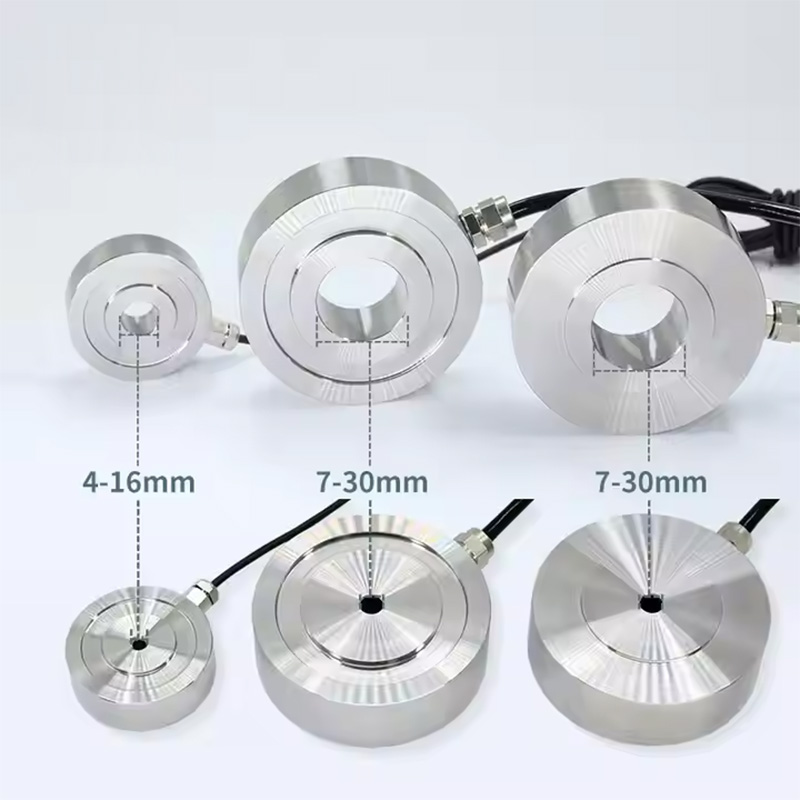
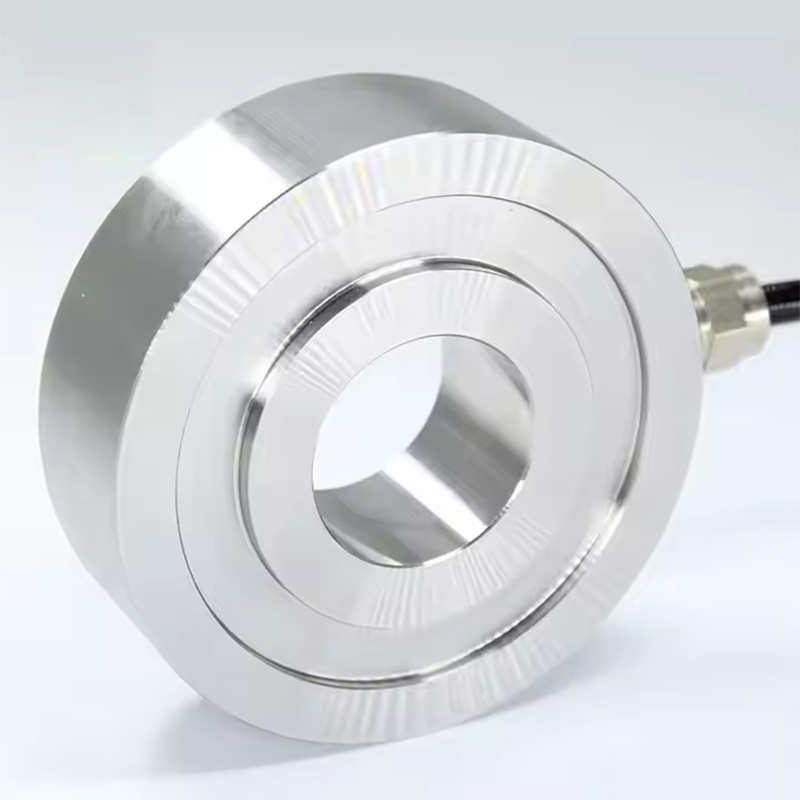
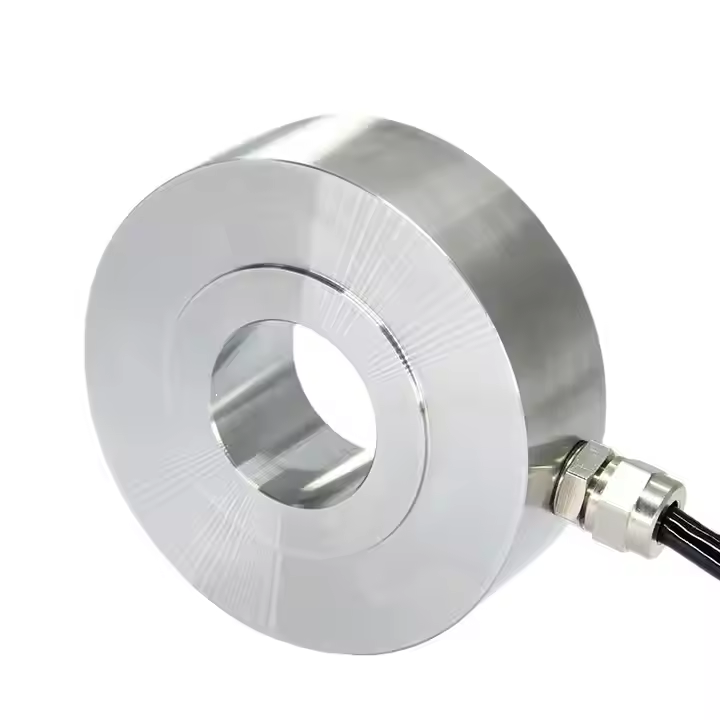
Through hole load  cells are  essential components in  various industrial  applications, providing precise measurements  of force  or weight. These sensors are designed to be mounted through  a structure,  allowing the  load to be  measured directly at the source. For  B2B buyers,  understanding  the specifications, sourcing options, cost factors, installation issues, and quality  standards related to through hole load cells is crucial for  making informed  purchasing decisions. This  article will help clarify  these aspects, enabling purchasing managers, engineers, and product  managers to choose  the right load cells for their needs.

Where to Source Reliable Wholesale Through Hole Load Cells

Where to Source Reliable Wholesale Through Hole Load Cells

Sourcing through hole load cells requires careful evaluation of suppliers to ensure reliability and quality. Here are some avenues to consider:

Direct  Manufacturers: Purchasing  directly from manufacturers  like JIANGXI  JINGCE SENSING TECHNOLOGY CO., LTD. can provide advantages such  as lower costs and customization options. Manufacturers often offer OEM/ODM solutions tailored  to specific  industrial needs, including products like the Mv Signal Amplifier for Load Cell.

Distributors  and Wholesalers: Established distributors often have a range of products from various manufacturers. They can provide valuable insights into different load cell  options and facilitate bulk  orders at competitive prices.

Online Marketplaces: Platforms such  as Alibaba or industry-specific marketplaces can give buyers access to  a wide range of suppliers. However, due diligence is  required to verify supplier credibility and  product quality.

Trade Shows and Industry Exhibitions: Attending trade shows  allows buyers to interact with multiple suppliers, compare products firsthand, and discuss specific requirements. This can  also be  an excellent  opportunity for networking  and establishing long-term  relationships.

Understanding Cost Factors for Bulk Orders of Load Cells

Understanding Cost Factors for Bulk Orders of Load Cells

Several factors influence the pricing of through hole load  cells, particularly for  bulk  orders:

Material  Costs: The choice of materials  directly impacts the  cost. Specialty  materials  or  those requiring advanced processing will typically be more expensive.

Quantity Ordered: Bulk orders usually benefit from reduced  per-unit costs. Suppliers often offer discounts for larger quantities, making it cost-effective for buyers.

Customization Requirements:  Custom specifications, such as unique dimensions or special output types, can increase costs. Buyers should clearly outline their requirements  to receive accurate quotations.

Shipping and  Handling: Logistics can influence the overall  cost. Buyers should consider lead  times and shipping methods, as expedited shipping may incur additional charges.

Quality Assurance and Testing:  Load cells may require testing  and certification to meet specific industry standards. Understanding these  requirements can help  buyers anticipate additional costs associated with quality control.

Common Installation Issues with Through Hole Load Cells and Solutions

Common Installation Issues with Through Hole Load Cells and Solutions

While  installing  through  hole load cells,  several common issues may arise:

Misalignment: If the load cell is not aligned  properly with the load path, it can lead  to inaccurate measurements. To  prevent  this,  ensure that the load is applied centrally to the load cell and that installation guidelines are followed.

Overloading: Exceeding the load cell’s maximum capacity can damage the  sensor. Buyers should implement proper safeguards and monitoring systems to avoid overloading.

Environmental Factors: Conditions such  as temperature fluctuations or exposure to moisture can affect  performance.  Selecting load cells with appropriate environmental ratings and protective features  can mitigate these risks.

Electrical Interference:  Load cells can be susceptible  to electrical noise, which  can impact accuracy. Using shielded cables and proper grounding techniques during installation can help reduce interference.

Calibration Issues: After installation, load cells must  be calibrated correctly to ensure  accurate readings. Buyers should follow the manufacturer’s calibration procedures and consider periodic recalibration based on usage conditions.

Quality Control Standards for Through Hole Load Cell Manufacturing

Quality control is  essential in the manufacturing of through hole load cells  to  ensure reliability and performance. Here are key standards and practices to consider:

Certification Compliance: Ensure that the manufacturer adheres to  international quality standards, such as ISO 9001. This certification indicates a  commitment to quality management practices.

Testing Protocols: Manufacturers should follow rigorous testing  protocols,  including load testing, temperature cycling, and  humidity exposure  tests. This helps verify that  the load cells meet specified performance criteria.

Traceability: Quality control processes should include traceability of materials and components used in production. This allows for accountability and quick resolution in case of defects.

Inspection Procedures: Regular inspections during production can identify defects early. Buyers should inquire about the manufacturer’s inspection processes to ensure that only high-quality products are delivered.

Feedback  Mechanisms: A reliable  manufacturer should have  systems in place for collecting and acting on  customer feedback regarding  product performance. This commitment to continuous improvement is crucial for long-term supplier relationships.

By understanding these aspects of through hole  load  cells, B2B buyers  can make informed decisions that align with their operational needs and quality expectations.

Key Specifications to Evaluate in Through Hole Load Cells

When selecting a through hole load cell, several  key specifications must be  considered:

Load Capacity: This refers to the maximum load the cell can  measure. Buyers should ensure that the  load capacity matches their application's requirements. For instance, a load cell  with  insufficient capacity  may lead to inaccurate measurements or failure.

Accuracy and Resolution: The accuracy of a load cell indicates how close the measurement is to the actual load. Resolution refers to the smallest change  in load that the cell can detect.  High accuracy and resolution are critical in applications requiring precise measurements, such as in laboratory settings or  quality control processes.

Material and Construction: The choice of materials affects the  durability and performance of the load cell. Common materials include stainless steel, which offers corrosion  resistance, and aluminum, which is lightweight. Buyers  should choose materials that can withstand the environmental conditions of their specific applications, such as the Chinese Factory Weighing Compression Tension Junction Box.

Temperature Range:  Load cells are often affected by temperature variations. Understanding the temperature range within which the load cell will operate helps avoid performance issues. Buyers should verify  that the specified range meets their operational environment.

Electrical  Output: Load cells can have  different output types, such  as  analog or digital signals. The choice depends on the existing system compatibility and the desired data processing requirements. Buyers should confirm that the output  type aligns with their data acquisition systems.

Frequently Asked Questions

What is a through hole load cell used for?

A through hole load cell measures tension/compression by allowing a bolt or rod to pass through its central bore, ideal for lifting, weighing, and force monitoring in automation and new energy applications.
Our through hole load cells offer high-precision performance and come with CE and RoHS certifications to meet international quality and safety standards.
Yes. We offer OEM/ODM customization for capacity, mounting, electrical connectors, and calibration to fit specific lifting, weighing, and automation needs.
Capacities range from low to high tonnage; materials include stainless steel and alloy steel options for corrosion resistance and durability in industrial environments.
Contact our sales team with application details, required capacity, and certifications. We provide technical support, quotes, and can arrange performance samples and testing.

Get a Free Quote

Our representative will contact you soon.
0/1000