Key Factors for Sourcing Load Amplifiers

application/load-amplifier, application/load-amplifier, 
Inquiry
Inquiry

Load amplifier

Load amplifiers are essential components in various industrial applications, enabling the precise measurement and control of force and load. As a B2B buyer, your concerns likely revolve around quality, performance, and compatibility with your specific applications. This article aims to provide you with comprehensive insights into sourcing load amplifiers, evaluating suppliers, understanding cost factors, and exploring their diverse applications across industries.

Where to Find Reliable Load Amplifier Suppliers for Distributors

Where to Find Reliable Load Amplifier Suppliers for Distributors

Finding trustworthy load amplifier suppliers is critical for ensuring the quality and reliability of your products. Start by exploring industry-specific trade shows and exhibitions where manufacturers showcase their latest technologies and innovations. Engaging directly with suppliers at these events provides an opportunity to discuss your specific needs and evaluate their offerings firsthand. 

Online platforms such as industry directories and B2B marketplaces can also be valuable resources. Look for suppliers with positive reviews and a proven track record in the load cell amplifier board market. It’s beneficial to request case studies or references from previous clients to gauge their experience and the satisfaction of past customers. 

Networking with industry peers can lead to valuable recommendations for reputable suppliers. Consider joining forums, social media groups, or professional associations related to manufacturing and industrial technology. These platforms often facilitate discussions where members share insights about reliable suppliers and their experiences with different products.

Cost Considerations for Purchasing Load Amplifiers in Wholesale

Cost Considerations for Purchasing Load Amplifiers in Wholesale

Cost is a significant factor when purchasing load amplifiers, especially in wholesale quantities. Pricing typically varies based on specifications, materials, and customization options. It’s crucial to evaluate the total cost of ownership, which includes not just the purchase price but also installation, maintenance, and potential replacement costs over time. 

When negotiating prices, consider the minimum order quantity (MOQ) that suppliers require. Some manufacturers may offer discounts for larger orders, which can be advantageous for distributors planning to stock inventory. However, ensure that the cost savings do not compromise the quality and performance of the amplifiers. 

Additionally, factor in shipping and handling costs, especially if the supplier is located internationally. Import tariffs and duties can also impact the overall cost. Always clarify the terms of delivery and any potential additional charges before finalizing your order.

Installation Guidance for Load Amplifiers in Industrial Applications

Installation Guidance for Load Amplifiers in Industrial Applications

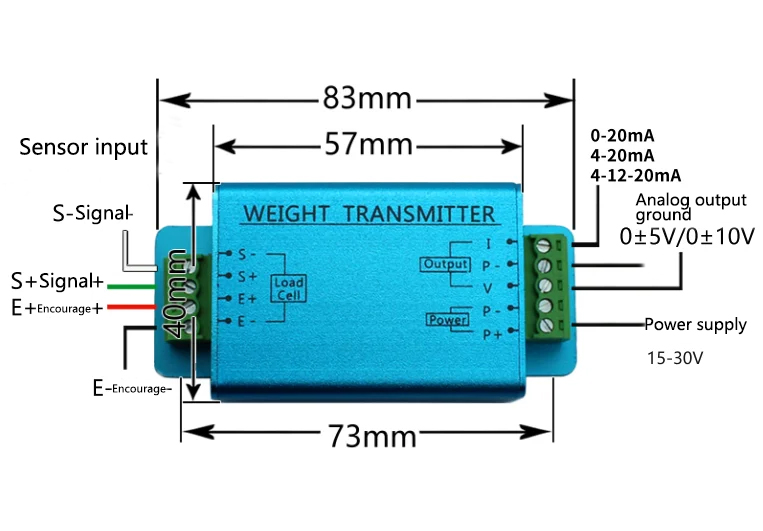
Proper installation of PST load amplifiers is crucial for achieving optimal performance. Begin by reviewing the installation manual provided by the manufacturer, as it typically contains essential information regarding wiring, mounting, and calibration. Ensure that the amplifier is installed in a location that minimizes exposure to environmental factors such as moisture and dust, which can affect its functionality. 

During installation, attention should be paid to the electrical connections. Loose or improperly connected wires can lead to inaccurate readings or amplifier failure. It’s advisable to use high-quality connectors that suit the specific application to ensure reliability. 

After installation, calibration is a necessary step to verify that the load amplifier is functioning correctly. This process involves comparing the amplifier's output against a known reference to ensure accuracy. Regular maintenance checks are also recommended to prevent any performance degradation over time. Implementing a routine inspection schedule can help identify potential issues before they affect production processes. 

Exploring Load Amplifier Applications Across Various Industries

Load amplifiers have a wide range of applications across various industries, making them versatile components in industrial technology. In the manufacturing sector, they are often used in automated assembly lines to monitor and control the force applied during assembly processes. This ensures that components are fitted accurately and securely, reducing the risk of product failures. 

In the construction industry, load amplifiers play a critical role in monitoring structural integrity. They are used in load testing applications to measure the forces exerted on structures such as bridges and buildings, ensuring compliance with safety standards. Their ability to provide real-time data allows engineers to make informed decisions about structural health. 

The automotive industry also leverages load amplifiers in testing applications, such as evaluating the performance of braking systems and suspensions. By accurately measuring forces during testing, manufacturers can optimize designs for safety and performance. 

In the energy sector, particularly in renewable energy applications, load amplifiers are utilized to monitor the performance of wind turbines and solar panels. They help in assessing the load conditions and ensuring that these systems operate efficiently under varying environmental conditions. 

Overall, understanding the specific applications of PST wireless load sensor can aid in selecting the right model for your needs, tailored to the demands of your industry.

Key Quality Factors When Sourcing Load Amplifiers from Suppliers

When sourcing PST load amplifiers, several quality factors should be prioritized to ensure optimal performance and compatibility with your applications. Firstly, consider the specifications that dictate the amplifier's efficiency, such as gain bandwidth, input impedance, and output signal range. These parameters play a crucial role in determining how well the amplifier can manage the input signals from load cells or force sensors. For instance, a higher gain bandwidth allows for better signal fidelity, which is vital in applications requiring precise measurements. 

Additionally, the materials used in construction significantly affect durability and performance. Load amplifiers typically require robust materials that can withstand varying environmental conditions, including temperature fluctuations and humidity. Look for suppliers who can provide detailed information on the materials and construction methods they use. 

Quality control processes are equally important. Assess whether the manufacturer adheres to industry standards and certifications, such as CE and RoHS, which ensure that the products meet safety and environmental regulations. A reliable supplier should also be able to demonstrate their quality assurance processes, including testing protocols and inspection procedures that confirm the performance of their load cell amplifier module.

Frequently Asked Questions

What is a load amplifier used for?

A load amplifier conditions and converts signals from load cells or force sensors into standardized analog or digital outputs for weighing, control, and data acquisition applications.
Compatible with high-precision load cells, force sensors, and dynamometers offering millivolt, voltage, or current outputs when matched to input specifications.
Our products comply with CE and RoHS standards and are manufactured under OEM/ODM quality controls for precision, reliability, and safety.
Yes. We offer OEM/ODM customization for signal types, ranges, mounting, and communication interfaces to suit lifting, weighing, automation, and energy projects.
We supply datasheets, wiring diagrams, calibration instructions, and technical support for installation, calibration, and integration into existing systems.

Get a Free Quote

Our representative will contact you soon.
0/1000