Choosing the Right Small Load Cell for Your Project

application/small-load-cell, application/small-load-cell, 
Inquiry
Inquiry

small load cell

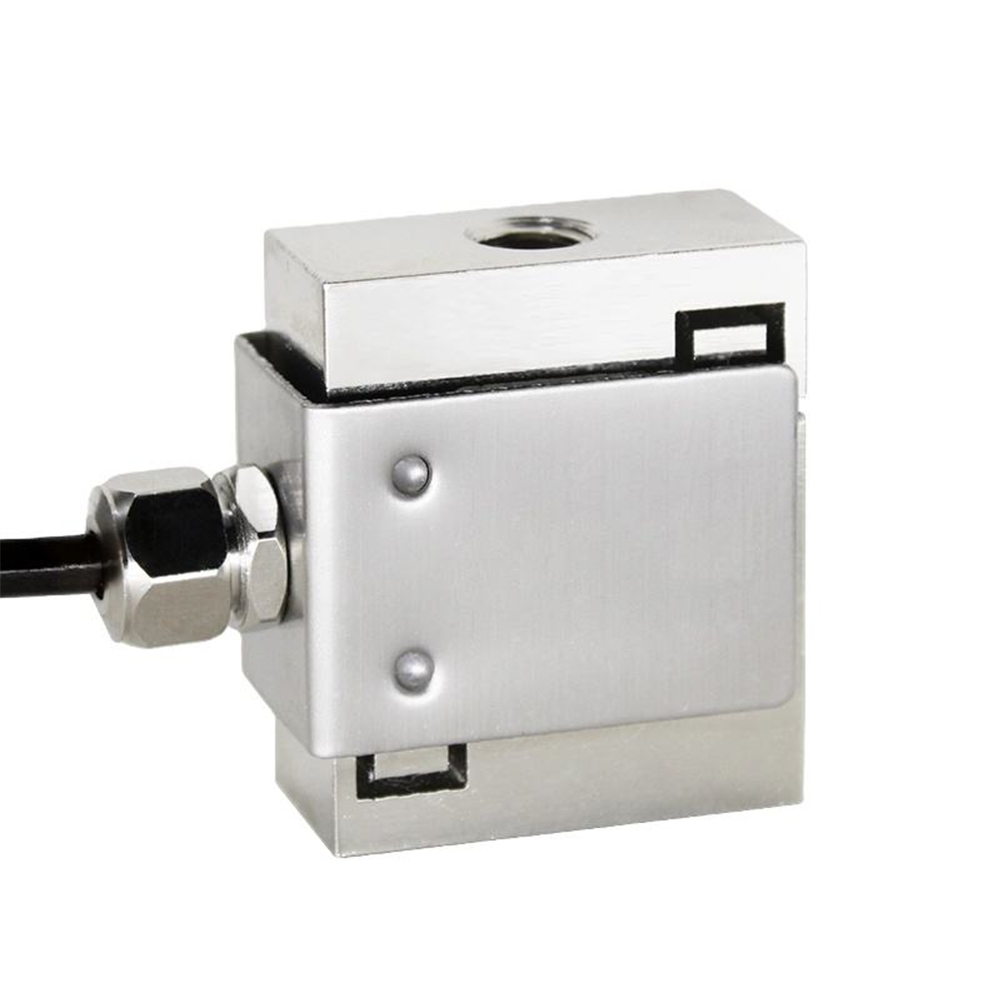
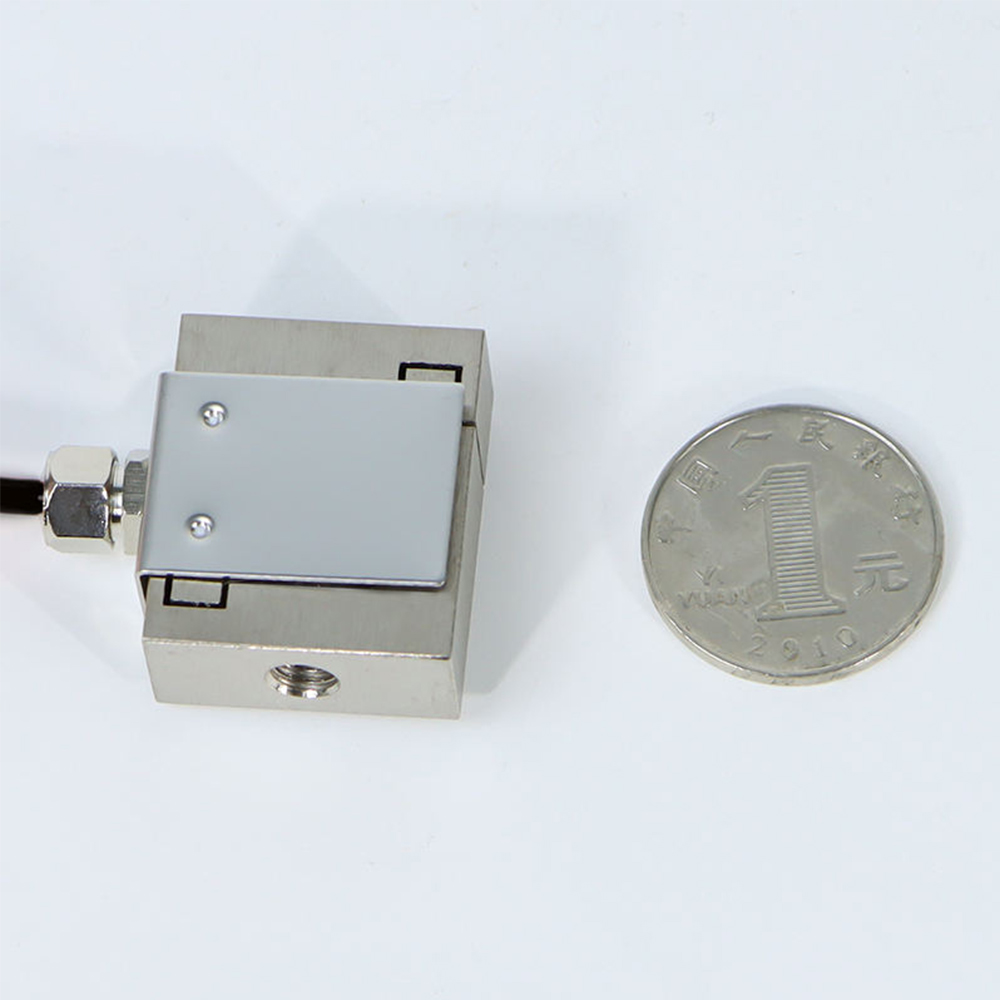
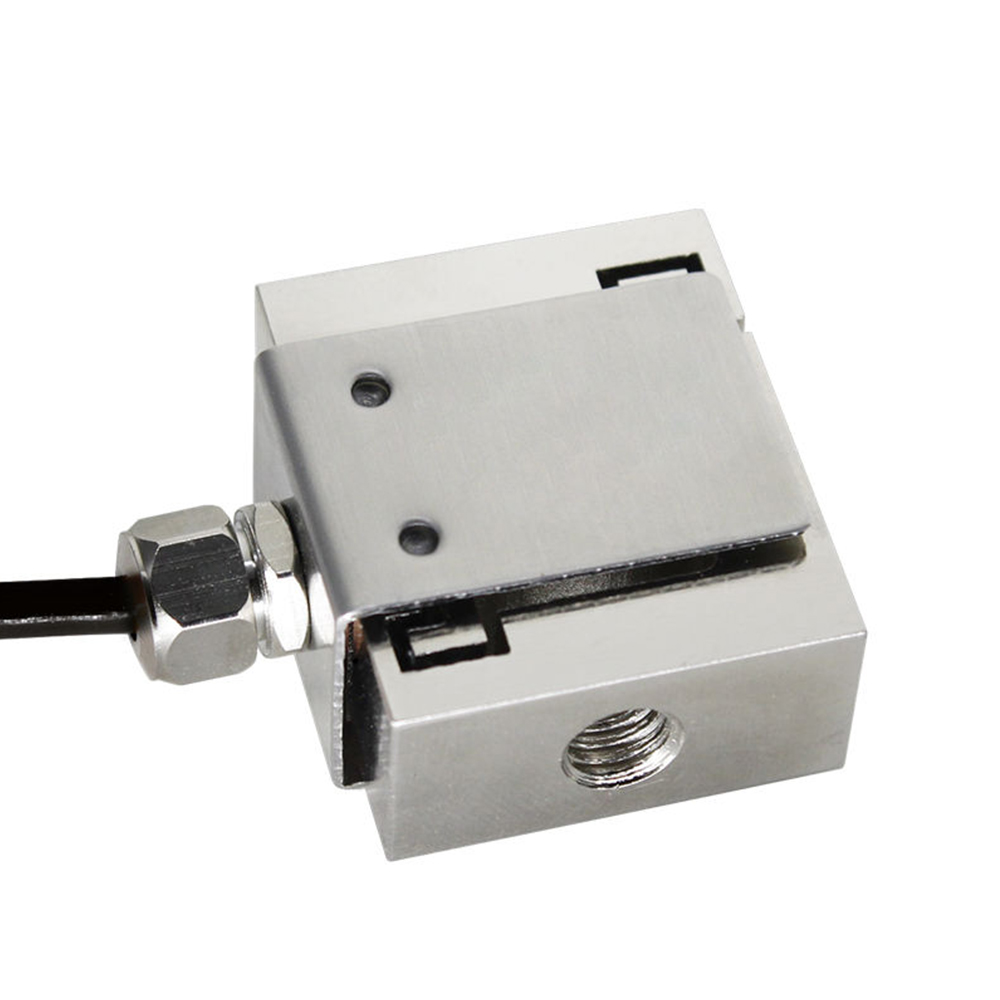
Small load  cells are essential components in various  industries, providing precise measurements  of  force and  weight in compact  designs.  For  purchasing managers, engineers, and product managers, selecting the right  small  load cell can significantly impact  project success.  This  article  will guide you through choosing the right small load  cell, the  specifications to look for,  common problems and their solutions, cost  factors for  bulk purchases, and the diverse  applications across industries.

Specifications to Consider When Sourcing Small Load Cells

Specifications to Consider When Sourcing Small Load Cells

When sourcing small load  cells, several specifications should be carefully evaluated:

Material: Common materials include aluminum, stainless  steel,  and alloy steel. Each has  unique properties  affecting durability, corrosion resistance, and cost. Dimensions: The physical  dimensions of the load  cell affect  its integration into your systems. Be specific about height, width, and  mounting options. Output Signal: Understand the signal type (mV/V,  digital,  etc.) and ensure compatibility with your existing systems. Power Supply Requirements: Check if  the load cell operates on battery power  or requires an  external supply. Calibration: Confirm if  the load cell comes  pre-calibrated or if you will need to perform calibration in-house.

By  clarifying these specifications during the sourcing process, you can  avoid compatibility issues and ensure optimal performance in your  application.

 
Common Problems with Small Load Cells and Their Solutions

Common Problems with Small Load Cells and Their Solutions

Despite their reliability, small load cells can encounter issues. Here  are some common problems  and practical solutions:

Drift  in Readings: This can  occur due to temperature fluctuations or changes in the load cell’s environment. Implementing  a temperature compensation mechanism can help  maintain accuracy. Mechanical  Damage: Overloading a load cell can lead to physical damage.  Always ensure the load  cell is rated for the maximum expected  load and consider adding protective housings. Electrical  Noise: Noise  can distort readings, especially in industrial settings. Using shielded cables and  proper grounding can mitigate this issue. Calibration Errors: Regular recalibration is essential to maintain accuracy. Establish  a routine schedule for calibration to prevent errors in measurements. 

Understanding these issues will help  in  selecting  a supplier who  can provide quality assurance and support. For example, consider investing in a Incremental encoder for enhanced precision in your measurements.

Cost Factors to Evaluate When Purchasing Small Load Cells in Bulk

Cost Factors to Evaluate When Purchasing Small Load Cells in Bulk

When purchasing small load cells in  bulk,  several cost factors must be evaluated:

Unit Price: Generally, the more units you buy, the lower  the price per unit. However, ensure that quality  is not compromised for cost savings. Custom Specifications: Customization  may  increase costs, but it can also lead  to  better performance tailored to your application needs. Shipping  Costs: Larger bulk orders  may incur higher shipping  costs, especially for  international  shipments. Factor these into your total  budget. Lead Times: Faster production may come at a premium. Discuss lead times with your supplier to plan your procurement  accordingly. Warranty and Support: Consider the warranty offered and the availability of  technical support. A longer warranty  may indicate  higher confidence in  product durability.

By evaluating these factors, you can make informed purchasing decisions that align with your  budget and project timelines.

Applications of Small Load Cells Across Various Industries

Small load  cells have a wide  range of  applications across multiple industries, including:

Manufacturing: Used in quality control systems for weight measurement  and force testing.  Automotive:  Employed in crash testing and load analysis to enhance safety  features. Aerospace: Critical for measuring forces in testing equipment and component weight verification. Healthcare: Utilized in  medical  scales and devices to ensure accurate weight measurements. Food and Beverage: Essential in packaging lines for  weighing ingredients and final products. 

Understanding the specific applications of small load cells helps in selecting the right type for your industry's  demands.  Each application may have unique requirements that affect  the choice of load cell,  such as sensitivity, accuracy, and environmental  resistance.

By following this guide,  you can make informed decisions when selecting small load  cells that meet your project needs, ensuring reliable  performance and effective integration into your  systems.

How to Choose the Right Small Load Cell for Your Project Needs

Selecting the appropriate small load cell requires  a thorough understanding of the specific requirements of your  project.  Consider  the following factors:

  Load Capacity: Determine  the maximum load the load cell will  need to  measure. This is crucial  for ensuring accuracy and preventing damage. Accuracy and Precision: Assess the required accuracy level for your application. Load  cells are available in different  classes of precision, and the right one depends  on measurement sensitivity. Environmental Conditions: Consider where the load cell will be used. Factors such  as temperature, humidity, and potential exposure  to chemicals  can influence material selection and design. Size and Form Factor: Ensure  the load  cell fits within the physical constraints of your application. Compact designs are often necessary in space-limited environments. Output Type: Evaluate whether you need analog or digital output.  Digital load cells offer better noise immunity and higher resolution.

Working closely with a manufacturer like JIANGXI JINGCE SENSING TECHNOLOGY CO., LTD. can help identify the best options tailored to  your specific needs. For instance, you might consider an Encoder to complement your small load cells.

Frequently Asked Questions

What is a small load cell used for?

A small load cell measures force or weight in compact applications such as automation, weighing modules, testing rigs, and new energy systems, providing precise, reliable signal output for control and monitoring.
We offer multiple capacities and high-precision ranges with calibration options to meet specific accuracy needs for lifting, weighing, and force measurement applications.
Yes. Our load cells carry CE and RoHS certifications, ensuring compliance with European safety and environmental standards for industrial use.
Yes. We provide OEM and ODM services including custom capacities, mounting configurations, electrical interfaces, and calibration to fit your application requirements.
We offer technical consultation, custom calibration, testing reports, and after-sales support to ensure proper integration and long-term performance in your systems.

Get a Free Quote

Our representative will contact you soon.
0/1000