Choosing the Right Forklift Load Cell for Efficiency

application/forklift-load-cell, application/forklift-load-cell, 
Inquiry
Inquiry

forklift load cell

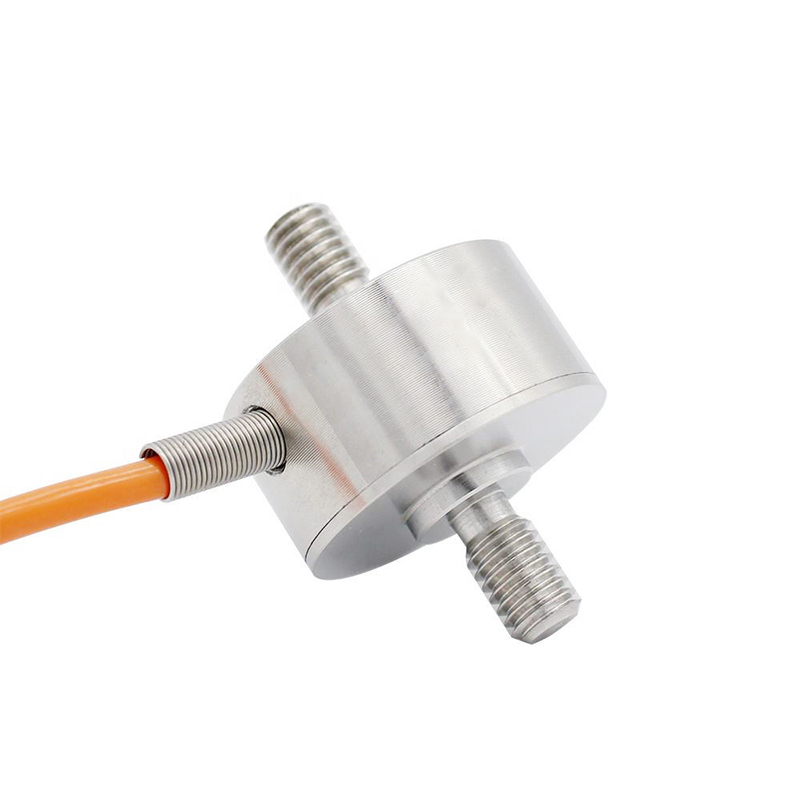
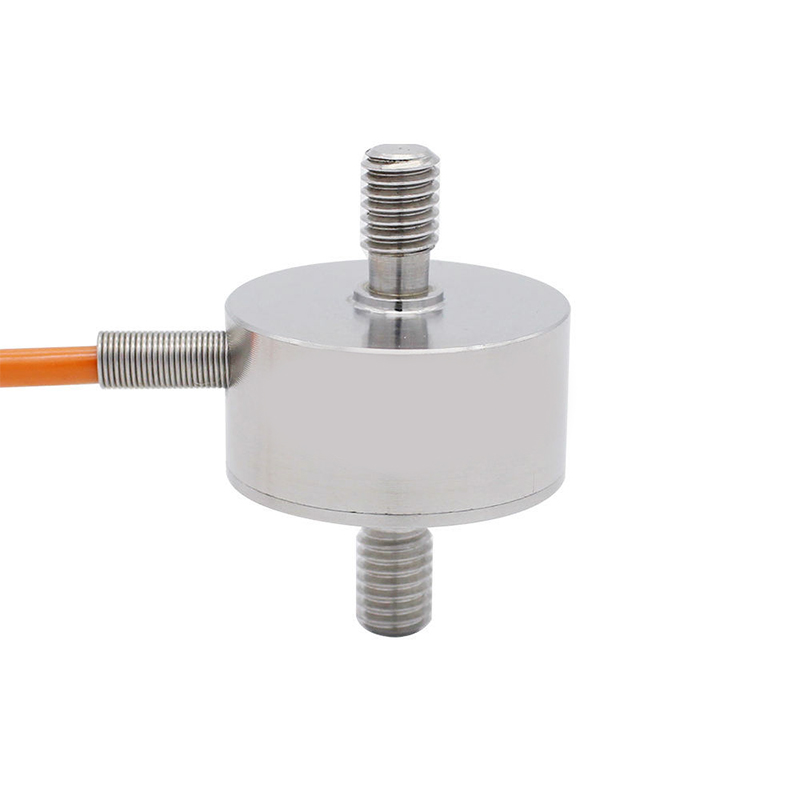
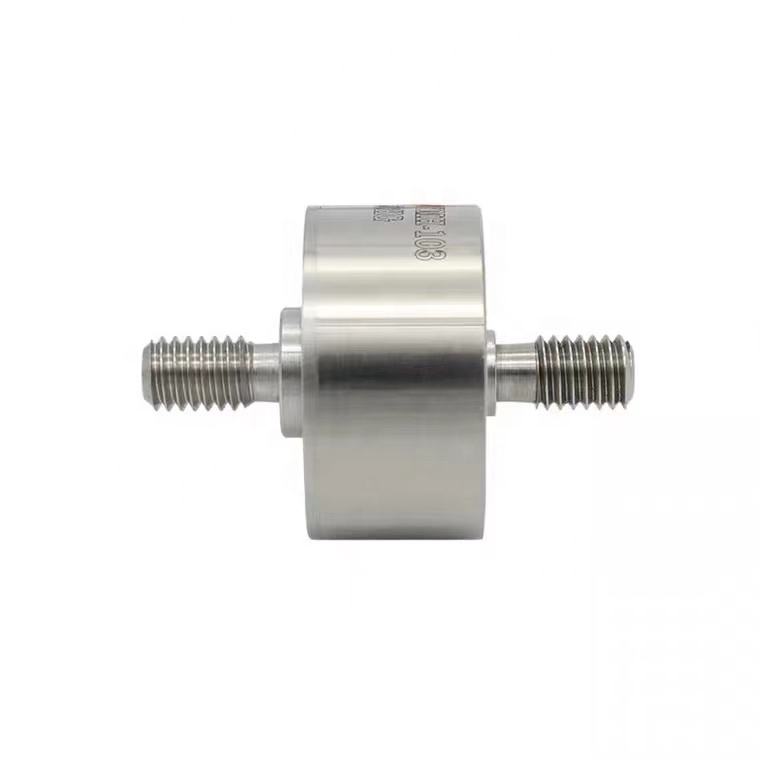
Forklift load cells  are critical components  in modern material handling  and logistics, designed to measure the weight of loads being lifted  by forklifts.  For B2B buyers, understanding how to select  and  evaluate  forklift load cells  is essential, as they directly impact operational efficiency, safety, and compliance with industry standards. , we  will explore how to choose the  right forklift load cell  for your  needs, evaluate their  quality  for bulk orders, provide installation guidance  to maximize performance, discuss their applications in manufacturing processes, and  outline key  features  and benefits  for buyers.

Evaluating the Quality of Forklift Load Cells for Bulk Orders

Evaluating the Quality of Forklift Load Cells for Bulk Orders

When purchasing  forklift load cells in bulk, quality evaluation is crucial to ensure consistency and  reliability.  Start by reviewing certifications such as CE and RoHS, which  indicate compliance  with European  safety and environmental standards. These  certifications are essential for ensuring that the load cells meet industry regulations and can withstand operational demands.

Next, consider the manufacturer's quality control processes. A reputable manufacturer will have stringent testing protocols in place, including load  testing, calibration, and performance assessments. Ask for documentation demonstrating the testing processes and results  for the load cells you are  considering.

Another important factor is the traceability of materials used in production.  High-quality load cells are often made from materials such  as stainless steel, which offer durability and resistance  to  corrosion. Inquire  about the sourcing of these materials and whether they can provide material test certificates.

To  further evaluate quality,  request  samples before placing a bulk order. Testing these samples under your specific operating conditions can help identify any potential issues and ensure that the  load cells will perform as expected in  your environment.

Installation Guidance for Maximizing Forklift Load Cell Performance

Installation Guidance for Maximizing Forklift Load Cell Performance

Proper installation of forklift load  cells  is essential for optimal performance. Begin by ensuring that the load cells are mounted on a stable and level  surface  to prevent  misalignment, which can lead to inaccurate measurements. The mounting surface  should also be free from  vibrations, as  external disturbances can affect the accuracy of the readings.

When connecting the load cells to  the forklift's weighing system, it is crucial to follow the manufacturer's wiring  diagram. Incorrect wiring can lead to malfunction or failure of the load cells. Additionally, use quality  connectors and cables that are compatible with the load cell specifications to  ensure  reliable  signal transmission.

Another aspect to  consider is the calibration of the load cells post-installation. Calibration should be performed according to the manufacturer's guidelines  to ensure accurate weight measurements. Regular calibration checks should also be scheduled as part of your maintenance routine to account for any wear  and tear.

Finally, make sure that the operating personnel are  trained in proper handling and usage of the load cells. Providing guidance on  weight limits and operational best practices can  help prevent misuse and extend the lifespan of the load cells.

Applications of Forklift Load Cells in Modern Manufacturing Processes

Applications of Forklift Load Cells in Modern Manufacturing Processes

Forklift load cells play  a significant role in various applications within modern  manufacturing  processes. They are used  extensively in inventory management, where accurate  weight measurements are  crucial for tracking stock levels and ensuring compliance with shipping and handling standards. By integrating load cells into warehouse management systems, companies can  optimize their logistics and reduce the risk of overloading equipment, including the use of systems like Hanging scale.

In production lines, load cells are  utilized in  quality control  processes. They ensure that the correct amount of materials  is used in each product, minimizing waste  and enhancing efficiency. For example, in the food and beverage industry, load cells help ensure that the correct quantities  of ingredients are mixed, leading to consistent product quality.

Additionally, load cells can be integrated into automated systems for real-time weight monitoring. This technology allows for immediate adjustments in production processes based  on weight readings, streamlining operations and improving overall  productivity.  As such, their applications extend beyond simple  weight  measurement, contributing  to  enhanced automation and efficiency in manufacturing.

Features and Benefits for Buyers

When evaluating forklift load cells, buyers  should focus on specific features that  provide added value. One key feature to look for is the level of accuracy. High-precision load cells can provide measurements with  minimal error, which is essential for applications where accuracy is  critical.

Another important feature is the load cell's durability. Load cells designed for heavy-duty applications should be robust  enough to withstand harsh  conditions and continual use. Features such as waterproofing, dust resistance, and shock absorption contribute to the  longevity of the load cells.

Wireless connectivity can also be  a  significant benefit, allowing for easier  data transmission and monitoring without the  need for extensive wiring. This feature simplifies installation and enhances flexibility in  data collection.

Lastly, consider the manufacturer's  support and warranty offerings.  A reliable supplier will provide comprehensive customer support, including installation assistance, maintenance guidance, and prompt resolution of any issues that may arise.


In summary, understanding the specific features and benefits  of forklift load cells will empower buyers to make informed purchasing decisions that align with their operational needs. By focusing on  quality, customization,  and support, companies  can enhance  their material handling processes and ensure safety and efficiency in their operations.

How to Choose the Right Forklift Load Cell for Your Needs

Selecting the  appropriate  forklift load cell involves understanding several key factors that  relate directly to your operational requirements.  First, consider the load capacity. Load cells come in various capacities, and choosing one that exceeds  your maximum expected  load will ensure safety and accuracy. For instance, if your forklifts routinely lift loads of 5,000 kg, a load cell with a capacity of 10,000 kg would provide a margin  of safety. You can find more information about different types of load cells, such as Load cell, to aid in your selection process.

Next, examine the environmental conditions where the load cells will be used. Factors such as temperature, humidity, and exposure to chemicals can  affect the performance  of the sensor. For outdoor applications, look for  load cells with appropriate environmental sealing and corrosion resistance.

Additionally, consider the type of load  cell: compression, tension, or shear beam.  Compression load cells are typically used in  applications where the load is applied vertically,  while tension load cells are ideal for applications that involve lifting from above. Shear beam  load cells are versatile and can be used in various  configurations.

Lastly, discuss customization  options with your supplier. Depending on your application, you  may need specific dimensions or features tailored to your  equipment. A good manufacturer, like  JIANGXI JINGCE SENSING TECHNOLOGY CO., LTD., can provide OEM/ODM solutions to meet these requirements.

Frequently Asked Questions

What is a forklift load cell used for?

A forklift load cell measures lifting loads and tension to ensure safe handling, accurate weighing, and overload protection in material handling and logistics operations.
We offer high-precision models with various capacities from low-range to heavy-duty, suitable for different forklifts. Specific accuracy and capacity depend on the selected model; contact us for options.
Yes. Our load cells carry CE and RoHS certifications and meet international safety and environmental standards for industrial use.
Yes. We provide OEM/ODM design, calibration, and labeling services to integrate load cells into your lifting and weighing systems.
We provide technical support, calibration guidance, manuals, and after-sales service including installation advice and maintenance recommendations.

Get a Free Quote

Our representative will contact you soon.
0/1000