Key Considerations for Load Cell Sensors

application/load-cell-sensors, application/load-cell-sensors, 
Inquiry
Inquiry

load cell sensors

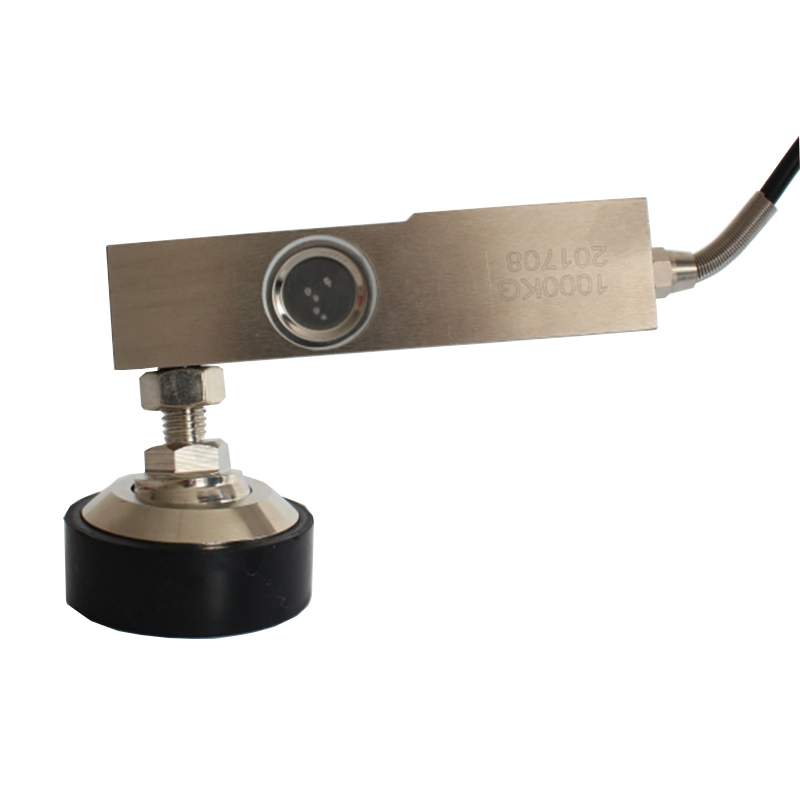
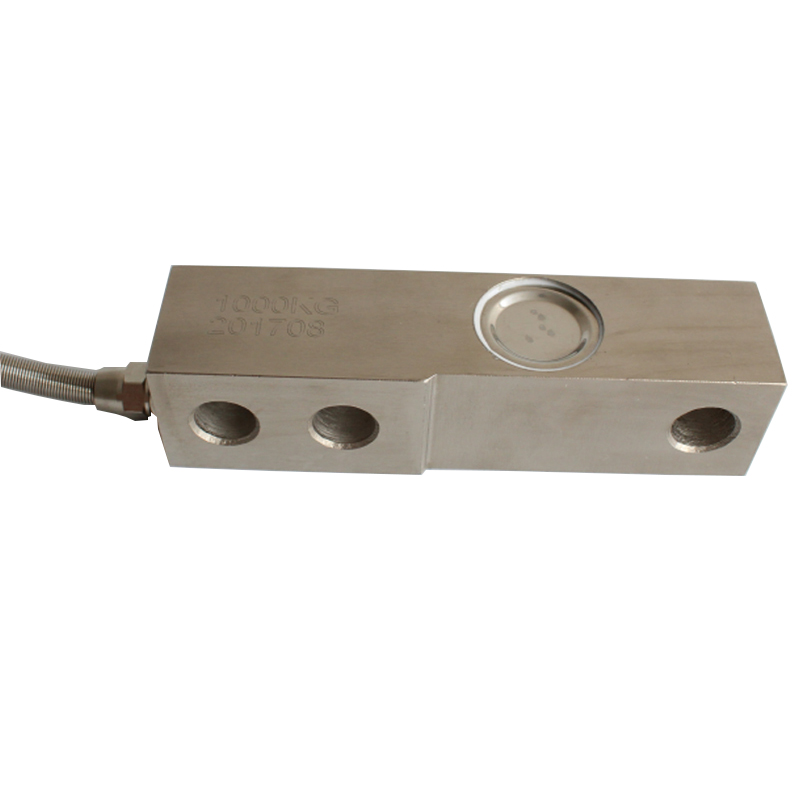
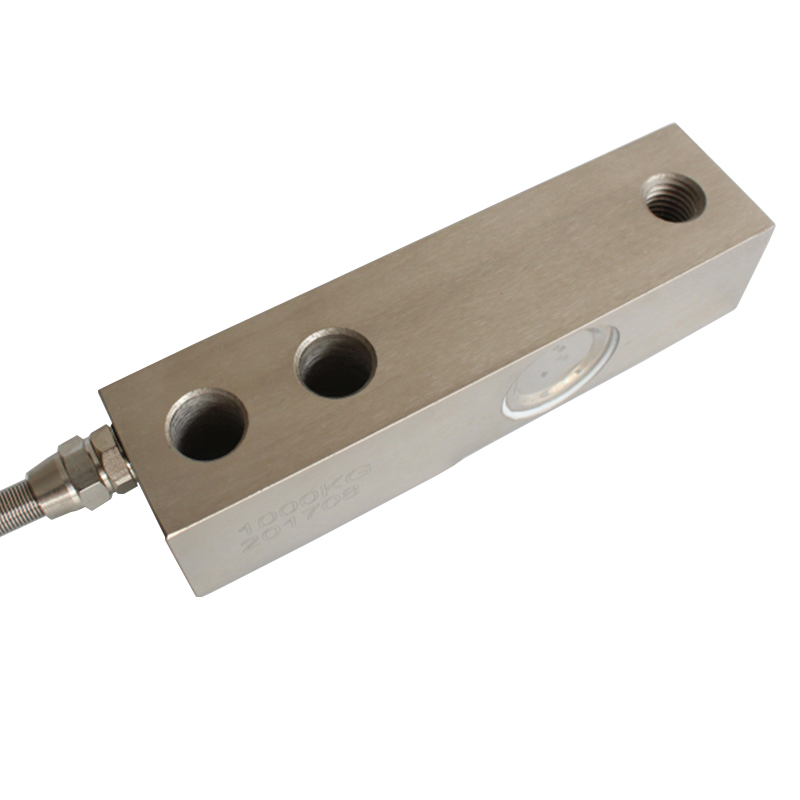
Load&nbsp; cell sensors are critical components&nbsp; used in various industries for precise&nbsp; weight&nbsp; measurement and&nbsp; force detection. As&nbsp; a buyer in the manufacturing, industrial, or commercial sectors, understanding the&nbsp; key&nbsp; specifications,&nbsp; applications, and potential&nbsp; issues associated with load&nbsp; cell sensors is&nbsp; essential for making informed purchasing decisions.&nbsp; This article&nbsp; will guide you through&nbsp; the crucial factors&nbsp; to consider&nbsp; when sourcing load cell&nbsp; sensors, ensuring you select the&nbsp; right product to&nbsp; meet your operational needs.</p>

What Buyers Should Know

What Buyers Should Know

As a buyer, there are several practical aspects to consider when purchasing load cell sensors:

Supplier Reputation: Research the manufacturer's reputation in the industry. Look for certifications such&nbsp; as CE&nbsp; and RoHS, which indicate compliance with international standards. JIANGXI JINGCE SENSING TECHNOLOGY CO., LTD. is a prime&nbsp; example&nbsp; of&nbsp; a manufacturer committed&nbsp; to&nbsp; quality and precision.

Customization Options: Many manufacturers&nbsp; offer customization options to meet&nbsp; specific&nbsp; requirements. Inquire about the possibility of tailoring&nbsp; load cells to suit your unique applications, including dimensions,&nbsp; output types,&nbsp; and additional features. For example, customizable load cell transmitters can be adjusted for various needs.

Minimum Order&nbsp; Quantity (MOQ): Understand the&nbsp; MOQ set by the supplier. This can vary significantly depending on the manufacturer and&nbsp; the complexity of the load cell.&nbsp;

Lead Times: Be aware of production lead times, especially if you require large quantities or customized solutions. Ensure that&nbsp; the supplier can meet your delivery deadlines.

After-Sales Support: A reliable manufacturer should provide robust after-sales support, including technical assistance, warranty services, and maintenance guidance.

By considering these factors, you can ensure a smoother procurement&nbsp; process and a better alignment&nbsp; with your operational needs.

How to Compare Load Cell Sensors for Diverse Industrial Applications

How to Compare Load Cell Sensors for Diverse Industrial Applications

When comparing load&nbsp; cell sensors for various industrial applications, consider the following criteria:

Application Suitability:&nbsp; Identify the specific&nbsp; application, such as weighing, force measurement, or automation. Different applications may require specialized load cells, such as tension load cells for lifting and compression load cells&nbsp; for weighing.

Performance Requirements: Define the performance metrics necessary for your operation, such as response time,&nbsp; temperature stability, and hysteresis. These&nbsp; factors can vary among different models and should align with your operational demands.

&nbsp;

Compatibility with Existing Systems: Ensure that the selected load cell sensors are compatible with&nbsp; your existing equipment&nbsp; and&nbsp; systems. Check the output&nbsp; signal types and ensure they can be integrated without significant modification.

Cost vs. Performance: While price is an important factor, it&nbsp; should not be the sole determinant. Consider the performance and longevity of the load&nbsp; cell in relation to its cost. Sometimes, a higher initial investment can lead&nbsp; to better long-term savings and efficiency.

User Reviews and Case Studies: Look for reviews or&nbsp; case studies from other&nbsp; customers in your industry. This can provide&nbsp; insights into real-world performance and reliability.

By methodically comparing these factors, you can&nbsp; select&nbsp; load cell sensors that best fit your diverse industrial&nbsp; applications.

Common Problems with Load Cell Sensors and Effective Solutions

Common Problems with Load Cell Sensors and Effective Solutions

Load cell sensors&nbsp; can encounter several common&nbsp; issues that may&nbsp; affect their performance:

Calibration Drift: Over time, load cells may experience calibration&nbsp; drift, leading to inaccurate readings. Regular calibration checks and adjustments are crucial. Ensure your supplier provides clear guidelines for calibration procedures.

Environmental Sensitivity: Load cells can be affected&nbsp; by temperature fluctuations, humidity, and exposure to chemicals. To mitigate these issues, select load cells with&nbsp; appropriate environmental ratings and protective coatings.

Mechanical Stress: Excessive mechanical stress or improper installation can lead to sensor damage or inaccurate readings. It’s essential to follow&nbsp; installation guidelines&nbsp; and avoid overloading the devices.

Electrical Interference: Load cells&nbsp; can&nbsp; be sensitive to electrical noise, which can distort measurement signals. Using shielded cables and maintaining proper grounding can help reduce these&nbsp; interferences.

Maintenance Neglect:&nbsp; Regular maintenance checks&nbsp; are&nbsp; vital to ensure optimal performance. Establish a maintenance schedule that includes cleaning, calibration, and&nbsp; inspections for wear and&nbsp; tear.

Addressing these common&nbsp; problems effectively can&nbsp; enhance the longevity and accuracy&nbsp; of load cell sensors in&nbsp; your operations.

Material Advantages of High-Precision Load Cell Sensors

The materials used in high-precision load cell sensors significantly influence their performance characteristics:

Aluminum: Lightweight and cost-effective, aluminum load cells are&nbsp; ideal for applications where weight is a concern. They are commonly used in portable&nbsp; weighing systems but may have lower accuracy compared to other materials.

Stainless Steel: Known for its strength and corrosion resistance, stainless steel is suitable for harsh environments, including those with exposure to moisture or chemicals. These load cells can maintain accuracy and durability&nbsp; over extended periods.

Alloy Steel: Often used in heavy-duty applications, alloy steel load cells offer high strength and durability. They are capable of handling&nbsp; significant load&nbsp; capacities, making them suitable&nbsp; for industrial environments.

Polymer Materials: In&nbsp; specific applications&nbsp; where&nbsp; weight and corrosion resistance are critical, polymers can offer advantages. They&nbsp; are&nbsp; often used in specialized sensors but&nbsp; may not provide the same&nbsp; level&nbsp; of precision as metal components.

Sealing and Coatings: The protective coatings and sealing materials also play a significant role in a load cell's durability. Choosing load cells with appropriate sealing&nbsp; (e.g., IP67) ensures they can withstand exposure to dust, moisture, and&nbsp; other&nbsp; environmental challenges.

Selecting&nbsp; the right material based on your application requirements is essential for achieving optimal performance&nbsp; and&nbsp; longevity in load cell sensors.

Key Specifications to Consider When Sourcing Load Cell Sensors

When sourcing load cell sensors, it's vital to evaluate several&nbsp; key specifications that directly impact their performance and suitability for your application:

Load Capacity: This refers to the maximum weight the load cell can accurately measure. Depending on your application, ensure the selected load cell has&nbsp; a load capacity that meets or exceeds your requirements.</p>

Accuracy and&nbsp; Precision: These parameters define how closely the load cell's measurement&nbsp; aligns with the actual weight. Look for sensors with low percentage error ratings to ensure&nbsp; high accuracy, especially in critical applications.

Output Signal Type: Load cells typically provide output signals in analog&nbsp; (mV/V) or&nbsp; digital formats. Understanding your system's compatibility with these signals&nbsp; is essential for seamless integration.

Environmental Conditions: Consider the operating&nbsp; temperature range&nbsp; and environmental factors such as humidity or&nbsp; exposure to chemicals. Load cells with proper sealing, like IP67 ratings, can withstand harsher conditions, such as those found in high-performance applications.

&nbsp;

Material&nbsp; and Construction: The choice&nbsp; of materials&nbsp; affects durability, accuracy, and performance. Common materials include aluminum for lightweight&nbsp; applications and stainless steel for corrosion resistance in demanding environments. For instance, high-quality load cells are often made from these materials.

&nbsp;

Calibration: Ensure that the&nbsp; load cell can be easily calibrated and that the manufacturer provides detailed calibration procedures. This is crucial&nbsp; for maintaining accuracy over time.

By focusing on these specifications, you can make a more informed decision that aligns with your operational requirements.

&nbsp;

Frequently Asked Questions

What types of load cell sensors do you offer?

We provide high-precision compression, tension, shear beam, pancake, S-type, and custom load cells for various capacities and applications.
Yes. Our load cells carry CE and RoHS certifications, ensuring compliance with European safety and environmental standards.
Yes. We offer OEM/ODM services including customized ranges, mounting, connectors, calibration, and housing to meet specific project needs.
Our sensors serve lifting, weighing, automation, and new energy industries worldwide, supporting industrial and commercial applications.
Yes. We offer factory calibration, documentation, and technical support for installation, integration, and troubleshooting to ensure accurate performance.

Get a Free Quote

Our representative will contact you soon.
0/1000