Evaluating Low Profile Compression Load Cells

application/low-profile-compression-load-cell, application/low-profile-compression-load-cell, 
Inquiry
Inquiry

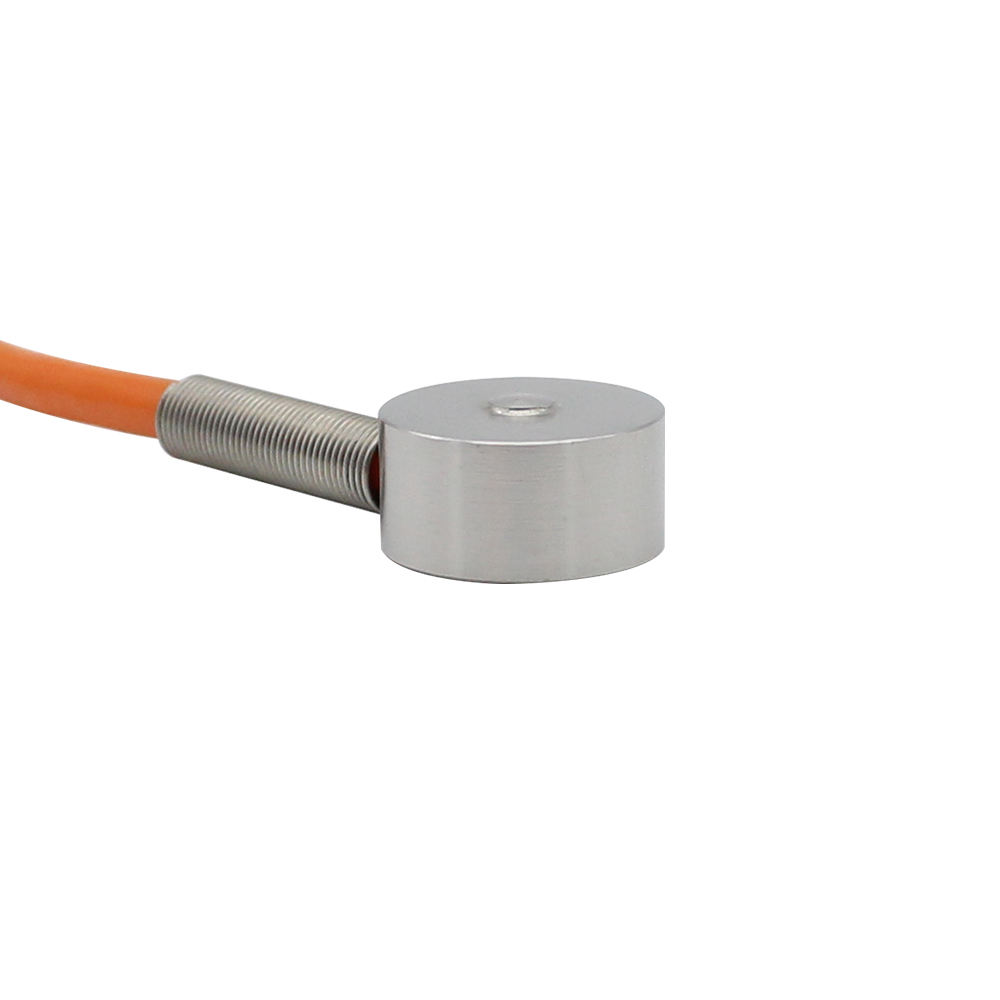
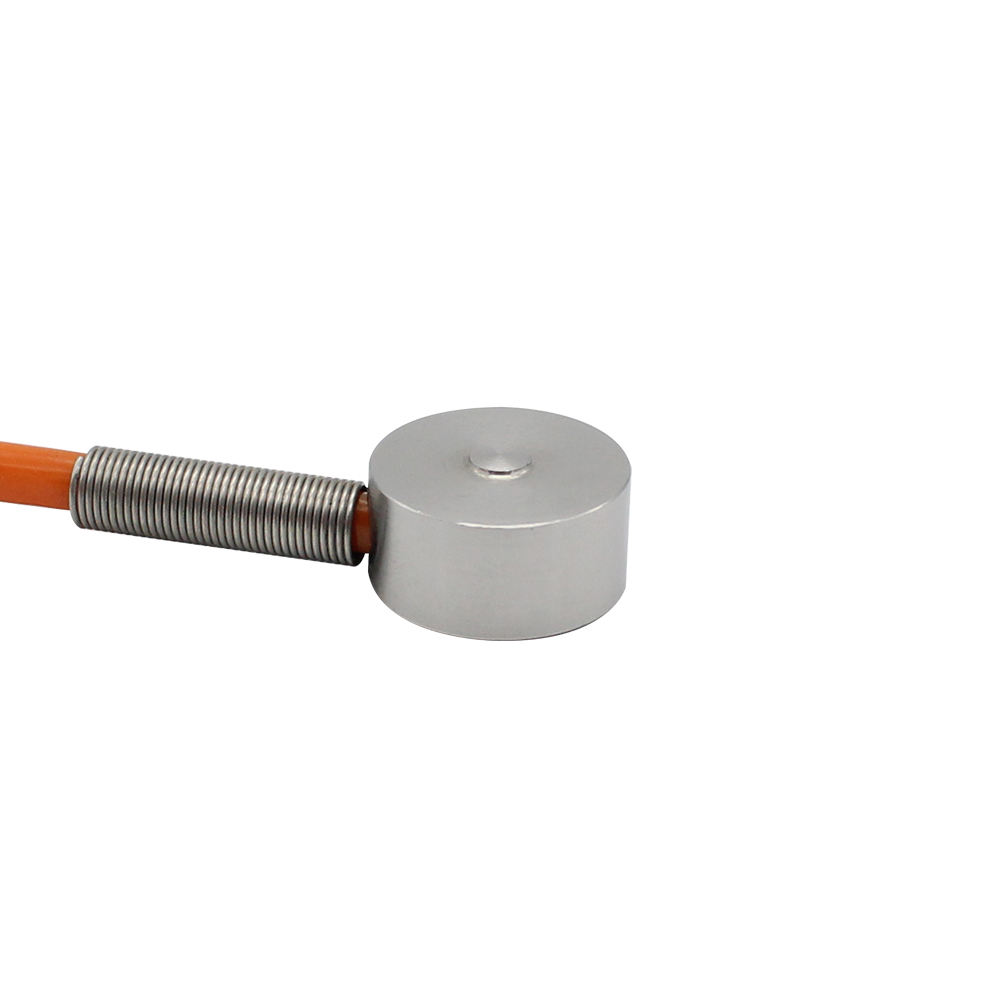
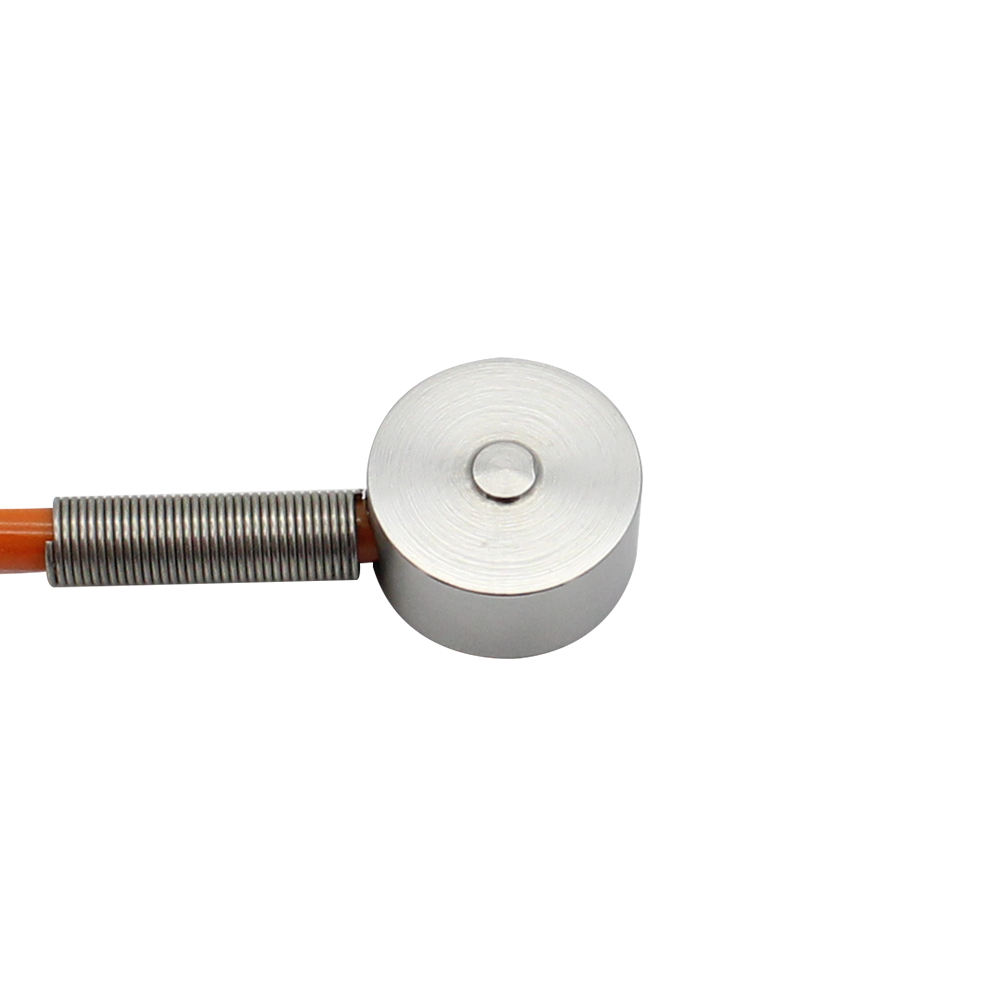
Low profile compression load cell

Low profile compression load cells are essential components in various industrial applications, providing precise measurement of force and weight.  Load cell effectiveness is crucial for B2B buyers, purchasing managers, and engineers seeking reliable solutions. This article will delve into key considerations for evaluating quality, cost factors, installation challenges, applications, and the benefits of low profile compression load cells from PST, helping you make informed purchasing decisions.  

Cost Factors to Consider When Purchasing Low Profile Compression Load Cells

Cost Factors to Consider When Purchasing Low Profile Compression Load Cells

Pricing for low profile compression load cells can vary based on several factors.  First, the complexity of the load cell's design and the materials used significantly impact cost.  Customization options, such as specific dimensions or performance characteristics, may also influence the price, as they often require additional engineering and production resources. 

Volume discounts are another important consideration.  Many manufacturers like PST offer lower per-unit prices for bulk orders, which can significantly benefit companies planning to purchase large quantities. Load cell indicator compatibility may also be considered when evaluating the overall cost and suitability of measurement systems.  Therefore, understanding your organization's needs, including expected volume and specific load requirements, is crucial for negotiating favorable pricing. 

Lastly, consider the total cost of ownership.  Beyond the initial purchase price, factors such as maintenance, potential downtime due to failure, and the longevity of the load cell should be assessed.  Investing in a higher-quality load cell may lead to lower long-term costs, making it a wiser choice for businesses prioritizing reliability and performance.  

Common Installation Issues with Low Profile Compression Load Cells and Solutions

Common Installation Issues with Low Profile Compression Load Cells and Solutions

Installation of low profile compression load cells can present challenges if not executed properly.  One common issue is misalignment during installation, which can lead to inaccurate measurements.  Ensuring that the load cell is installed perpendicular to the load direction is essential; otherwise, it may not function correctly.  Using alignment tools or fixtures can help maintain proper positioning during installation. 

Another frequent problem occurs when the load cell is subjected to excessive loads beyond its rated capacity. This can lead to mechanical failure or permanent deformation.  Buyers should ensure that the load cell's specifications match the intended application, taking into account potential overload scenarios. 

Additionally, environmental factors such as temperature and humidity can affect the performance of 500kg load cell.  Using protective enclosures or selecting load cells designed for harsh environments can mitigate these risks.  Manufacturers like PST can offer guidance on selecting the right load cell for specific installation conditions. 

Applications of Low Profile Compression Load Cells in Various Industries

Applications of Low Profile Compression Load Cells in Various Industries

Low profile compression load cells are versatile devices used across multiple industries.  In the manufacturing sector, they are commonly employed in assembly lines for weighing and quality control, ensuring that products meet specified weight criteria.  In the automotive industry, these load cells are utilized for testing the weight distribution of vehicles, vital for performance and safety assessments.  

In the aerospace sector, low profile compression load cell transmitter help in monitoring loads during component testing, ensuring compliance with rigorous safety standards.  Similarly, in the medical field, they are used in equipment that requires precise weight measurements, such as patient scales and medical devices. 

Moreover, the growing emphasis on automation and smart technology integration has led to increased demand for load cells in robotic systems, where accurate force measurement is essential for proper operation.  Their compact design allows for easy integration into various applications, making them a preferred choice for many industries. 

Key Features and Benefits

Low profile compression load cells offer several key features and benefits that make them attractive to B2B buyers.  One significant advantage is their space-saving design, which is particularly beneficial in applications with limited installation space.  Their low height allows for seamless integration into existing systems without requiring substantial modifications. 

Another important feature is their high accuracy and repeatability, which are critical for applications demanding precise measurements.  Many low profile load cells also come equipped with advanced signal processing capabilities, enhancing their performance in challenging conditions. 

Furthermore, the robust construction of these load cells ensures durability and longevity, even in harsh environments.  This reliability helps reduce downtime and maintenance costs, providing a better return on investment over time. 

In summary, low profile compression load cells combine precision, durability, and versatility, making them an ideal choice for a wide range of industrial applications.  By understanding their quality, cost factors, installation challenges, applications, and benefits, B2B buyers can make informed decisions that align with their operational needs. 

Evaluating Quality in Low Profile Compression Load Cells for Wholesale Buyers

When assessing the quality of low profile compression load cells, buyers should focus on several critical factors.  First, the load cell's accuracy, typically expressed as a percentage of full-scale output, is paramount.  A low total error percentage ensures precise measurements across varying loads, which is especially important in applications requiring strict tolerances.  

Next, the materials used in construction play a vital role in performance.  High-quality stainless steel or aluminum is preferred for durability and resistance to environmental factors like moisture and temperature fluctuations.  Additionally, buyers should inquire about the manufacturer's quality control processes, including calibration procedures and testing against industry standards. 

Buyers should also consider certifications such as CE and RoHS, which indicate compliance with safety and environmental regulations. A reputable manufacturer, like PST, will have these certifications and a proven track record in the industry, providing an added layer of trust. 

Frequently Asked Questions

What is a low profile compression load cell?

A compact, flat force sensor designed to measure compressive loads with high precision, suitable for limited-space applications in lifting, weighing, automation, and new energy systems.
Our low profile compression load cells offer high precision with CE and RoHS compliance. Accuracy classes and specifications vary by model; contact us for datasheets and calibration details.
Capacities range from small (a few kilograms) to high-capacity tonnes. Specific ranges depend on model and customization; OEM/ODM options are available to meet application needs.
Yes. We provide OEM/ODM customization for mounting, electrical interfaces, cable lengths, and calibration to fit lifting, weighing, automation, and renewable energy applications.
Designed for industrial conditions, options include sealed versions for moisture and dust resistance, varied temperature ratings, and robust mounting to ensure accurate compression measurement in harsh environments.

Get a Free Quote

Our representative will contact you soon.
0/1000