Load Cell Sensor Price Comparison for B2B Buyers

application/load-cell-sensor-price, application/load-cell-sensor-price, 
Inquiry
Inquiry

load cell sensor price

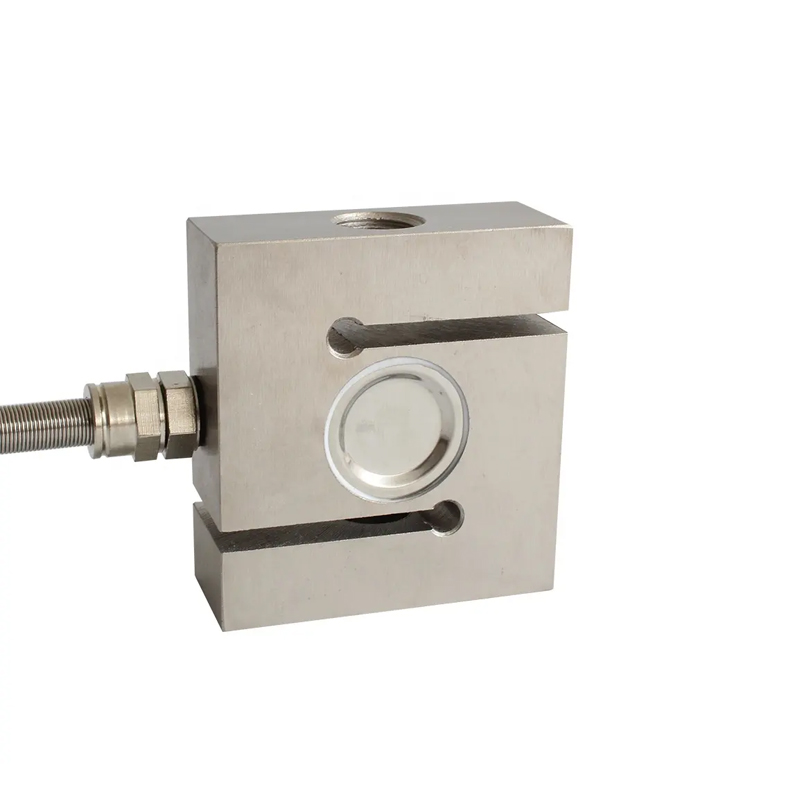
Understanding  load cell sensors and their pricing is crucial for B2B buyers involved in industries  such as automation,  lifting,  and  weighing. A load cell is a transducer  that converts force into an  electrical signal, facilitating precise measurements. When  considering  the  load cell sensor price, buyers often grapple  with concerns  about  quality, functionality,  and cost-effectiveness. This article aims  to provide insights into the factors  that  influence load cell  sensor  pricing and help  you make informed purchasing decisions.

Key Specifications of Load Cells for Industrial Applications

Key Specifications of Load Cells for Industrial Applications

Understanding key  specifications is  vital when  selecting load cells for industrial applications. Critical parameters include:

Load Capacity: This indicates the maximum load the sensor can accurately measure. Selecting a load  cell with an appropriate load range is crucial; exceeding this range can lead to inaccurate readings or  sensor damage.

Accuracy and Resolution: Accuracy is defined as  the degree to  which the measured value corresponds to the true value, while resolution refers to the smallest change that can be detected. Both are crucial for applications requiring high precision, such as in medical devices or quality control processes.

Output Signal: Load  cells typically output signals  in analog (voltage or current) or digital formats. The choice between these depends on your existing systems and the  required integration.

Material and Environmental Factors: Load  cells are often made from materials like aluminum or stainless steel, affecting durability and suitability  for specific  environments (e.g., corrosive or high-temperature  settings).Load cell technology is advancing to meet various industrial needs.

Considering  these specifications will  help ensure that  the load  cell selected aligns  with your operational requirements and enhances performance.

 
Load Cell Sensors for Precision Needs

Load Cell Sensors for Precision Needs

For applications demanding  high precision, selecting  the right load cell sensor is  essential. Precision  load cells are often designed with  advanced materials  and  engineering techniques that minimize errors.

Factors to consider include the sensitivity of  the sensor, which affects how small changes in load can be  detected. Look  for  load cells  with high linearity and repeatability ratings to ensure consistent performance. Absolute value encoder mechanisms can also play a role in enhancing measurement accuracy.

In  high-stakes  environments such as pharmaceuticals or  aerospace, using load cells with certifications like CE or RoHS can also assure compliance  with industry standards, thus enhancing trust in  the  data collected.

Additionally, understanding the calibration process and how often it should be  performed can further ensure  precision. Regular calibration against known standards is vital for maintaining accuracy over time.

Understanding the Costs of Load Cell Sensors for Projects

Understanding the Costs of Load Cell Sensors for Projects

The costs  associated with load  cell  sensors can vary  widely based on several factors. First, the initial purchase price is influenced by the specifications discussed previously,  including load capacity and accuracy.

Consideration  of the total cost of  ownership  is also important.  This includes installation, maintenance, and potential calibration expenses. For  instance,  a more expensive  load cell may offer better durability  and lower maintenance costs, ultimately proving more cost-effective over its lifespan.

Furthermore, customization needs  can impact pricing. If a specific  configuration  or additional features like wireless communication are required, expect  to incur higher costs. It’s prudent to work closely with suppliers to discuss your project requirements  and budget  constraints while exploring any available options for  cost savings.

Choosing the Right Load Cell Sensor for Your Business Needs

Selecting the appropriate load cell  sensor involves a  thorough  understanding of  your specific  business needs and operational environment.  Start by defining the application clearly—whether it’s for weighing, force measurement, or automation.

Consider the following aspects when making your choice:

Application Suitability: Load cells differ in design and functionality based on their intended application. For instance, a load cell used in a warehouse setting may require robust protection against dust and moisture, while one used in a laboratory may prioritize high precision.

Customization Options: Assess whether you need any specific features  such as wireless connectivity or integration  with  existing  systems. Manufacturers like JIANGXI JINGCE SENSING TECHNOLOGY CO., LTD. can provide OEM/ODM solutions that meet  unique specifications.

Supplier Support and Quality Assurance: Evaluate the  supplier's  quality control processes and after-sales  support. A supplier that offers comprehensive  documentation,  including  certifications and warranty information, can instill confidence in your purchase.Hanging scale products from reputable suppliers often come with such assurance.

By carefully considering these factors, you can ensure that the load cell sensor you choose not only meets your current  needs but  is also flexible enough to  adapt to future requirements.

How to Compare Load Cell Sensor Costs for Bulk Orders

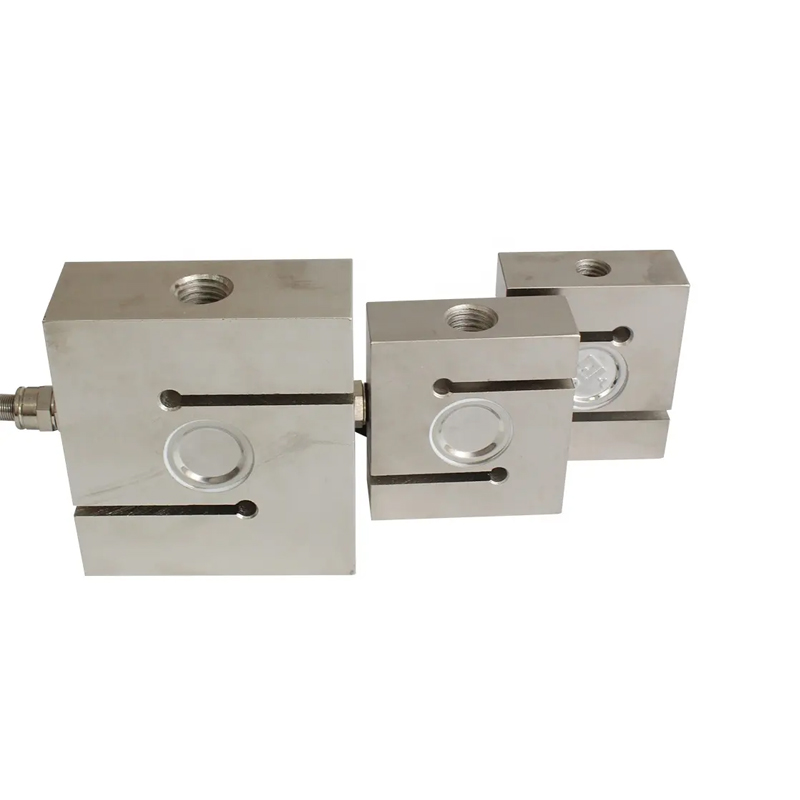
When  assessing load cell sensor prices for bulk purchases, several factors come into play. First, consider the type  of load  cells needed for your application; options include compression, tension, and bending  beam load cells. The complexity  of the design and the required accuracy can  significantly impact the price.

Next, evaluate the suppliers' pricing structures. Some manufacturers may  offer tiered pricing based  on order quantity,  while others may  provide  discounts  for long-term contracts or repeat orders. Don’t forget to account for additional costs such as shipping, handling, and potential customs  duties if importing.

Lastly,  ensure  that you  are comparing  like-for-like specifications. A lower-priced sensor might not meet the same accuracy or durability standards as a more expensive option. It’s advisable to  request detailed quotations that include all specifications, certifications, and warranty information  to make  an apples-to-apples comparison.

Frequently Asked Questions

What is the typical price range for your load cell sensors?

Prices vary by model, capacity, accuracy, and quantity. Contact us with specifications for a competitive quote; we offer OEM/ODM pricing and volume discounts.
Yes. Our quoted prices can include CE and RoHS certified units. Specify certification needs when requesting a quote to confirm documentation and cost.
Yes. We offer customization for mechanical, electrical, and packaging needs. Custom features affect lead time and price; request requirements for a tailored quotation.
Lead time and price depend on design complexity, capacity, calibration, certification, order quantity, and testing requirements. Provide specs for precise lead-time and cost estimates.
Yes. We provide samples for evaluation and discounted bulk pricing. Contact sales with model, quantity, and delivery needs to receive sample costs and volume pricing.

Get a Free Quote

Our representative will contact you soon.
0/1000