Choosing the Right Load Cell Amplifier Board

application/load-cell-amplifier-board, application/load-cell-amplifier-board, 
Inquiry
Inquiry

Load cell amplifier board

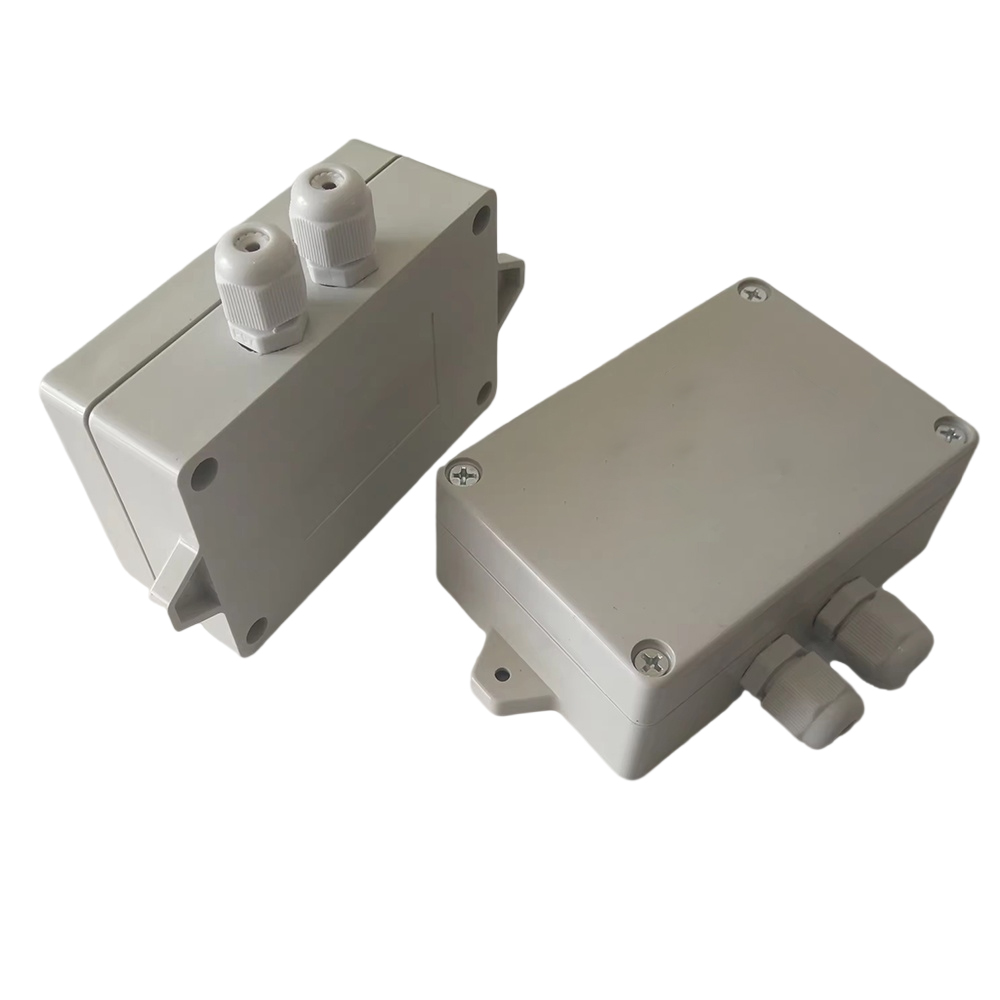
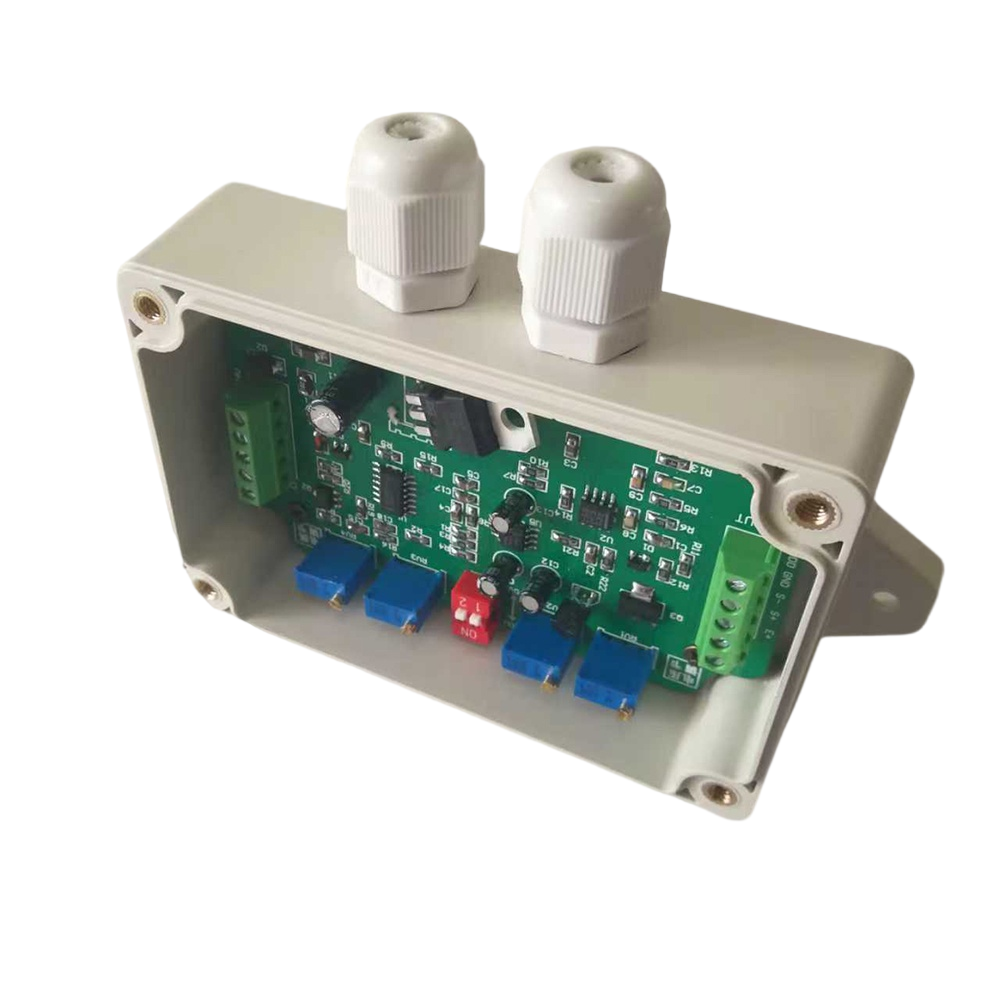
Load cell amplifier boards are vital components in various industries, facilitating the conversion of low-level signals from load cells into usable outputs for measurement and automation systems. For B2B buyers, understanding the technical specifications, quality control processes, and application suitability of these boards is crucial for making informed purchasing decisions. This article will guide you through the essential considerations when selecting a crane load cell, helping you align your choice with your operational needs and budget.

Quality and Cost Considerations

Quality and Cost Considerations

Quality is paramount when selecting a PST load cell amplifier board, as it directly impacts measurement accuracy and system reliability. Here are key quality considerations: 

Certification and Compliance: Look for boards that meet industry standards, such as CE or RoHS certifications. These certifications indicate adherence to safety and environmental regulations, which is especially important for businesses operating in regulated markets. 

Material Quality: The materials used in manufacturing the amplifier board can affect its durability and performance. High-quality components typically result in better longevity and reliability under operational stress. 

Cost vs. Performance: While cost is a crucial factor, it is essential to balance price with performance. A lower-priced board may not provide the necessary features or durability, leading to higher long-term costs due to replacement or maintenance needs. 

Supplier Reputation: Consider sourcing from established manufacturers, like JIANGXI JINGCE SENSING TECHNOLOGY CO., LTD., known for producing high-precision load cells and amplifier solutions. A reputable supplier often indicates higher quality standards and better customer support. 

Key Features of Load Cell Amplifier Boards

Key Features of Load Cell Amplifier Boards

Understanding the key features of load cell amplifier boards will help you make a more informed purchasing decision: 

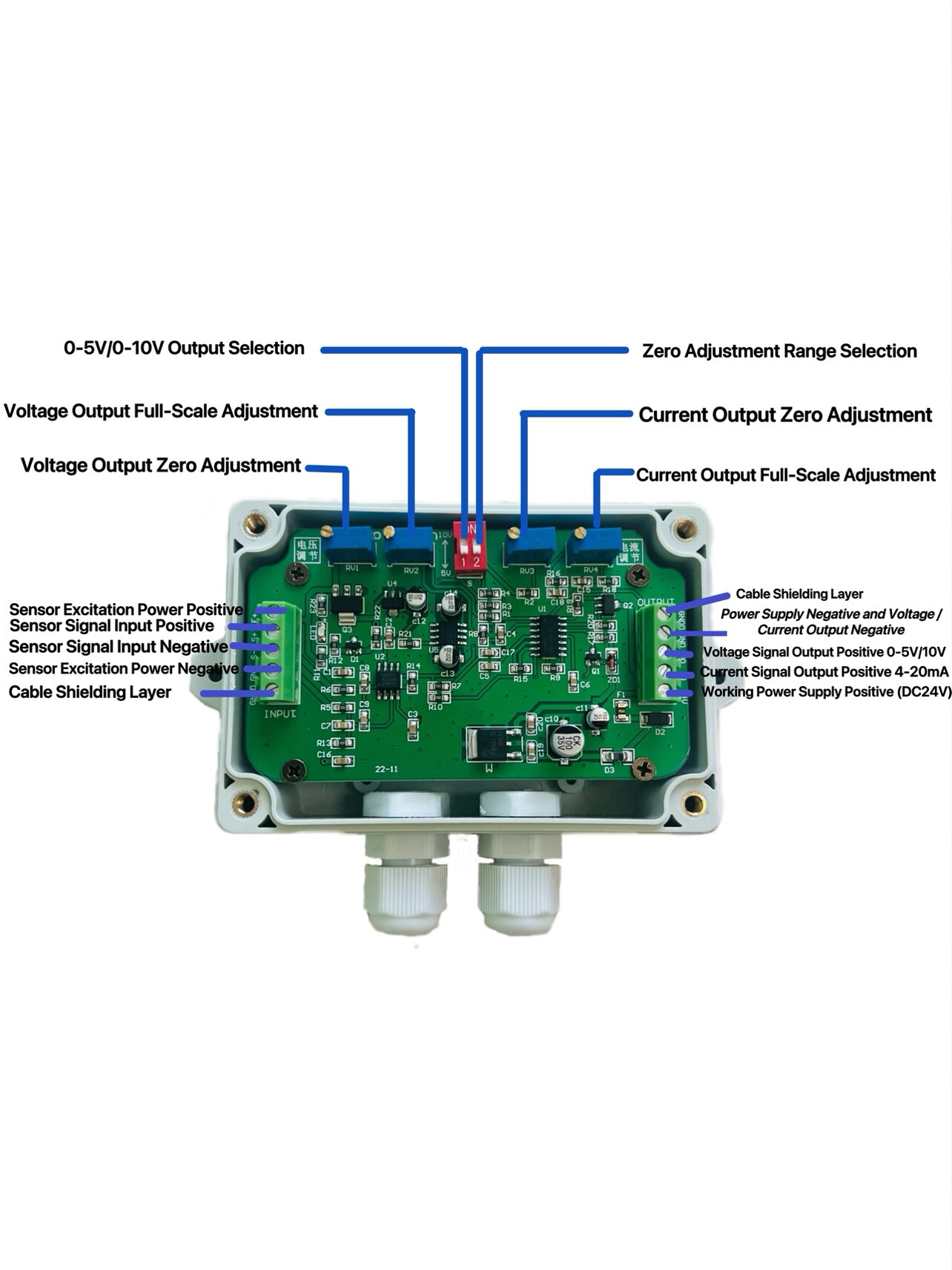
Gain Settings: Many amplifier boards offer adjustable gain settings, allowing for customization based on the load cell's output. This feature is particularly useful for applications requiring precise measurements across varying load ranges. 

Signal Conditioning: Some boards include built-in signal conditioning features like filtering and linearization, which enhance the accuracy of the output signal by reducing noise and compensating for non-linearities. 

Output Types: Evaluate the output options, such as analog (voltage or current) or digital outputs (RS-232, RS-485). The output type should be compatible with your data acquisition or control systems. 

Temperature Compensation: Look for amplifiers with temperature compensation capabilities, which help maintain measurement accuracy despite fluctuations in environmental temperature. 

User Interface and Configuration: Some boards come with user-friendly interfaces that simplify setup and configuration, making them easier to integrate into existing systems.

Where to Buy Load Cell Amplifier Boards in Bulk for Your Business

Where to Buy Load Cell Amplifier Boards in Bulk for Your Business

When purchasing PST load cell amplifier boards in bulk, consider the following options: 

Direct from Manufacturers: Buying directly from manufacturers like JIANGXI JINGCE SENSING TECHNOLOGY CO., LTD. can provide advantages, including better pricing, customization options, and direct access to technical support. 

Distributors and Wholesalers: Partnering with reputable distributors can also be beneficial. They often carry a variety of brands and models, allowing you to compare options and find the best fit for your needs. 

Online Marketplaces: Platforms like Alibaba or specialized industrial supply websites can offer competitive pricing and bulk purchasing options, but ensure to vet the suppliers for reliability and quality standards. 

Industry Trade Shows: Attending industry exhibitions can provide opportunities to meet suppliers, see products firsthand, and negotiate bulk pricing directly, which can lead to better deals and insights into new technologies. 

Understanding the Applications of Load Cell Amplifier Boards in Industry

Load cell amplifier boards are utilized across various industries, including: 

Manufacturing and Automation: In manufacturing settings, these boards are essential for weight measurement and control in automated processes, ensuring accuracy in both raw material usage and finished product weights. 

Transportation and Logistics: In the shipping and logistics sector, load cell amplifiers assist in accurate weight measurements for compliance with transportation regulations, reducing the risk of overloads and fines. 

Food and Beverage: In the food industry, precision weight measurement is critical for portion control and compliance with health regulations. Load cell amplifiers help ensure consistent product quality. 

Healthcare: In medical applications, such as patient monitoring systems, load cell amplifiers are used to measure weight changes accurately, aiding in patient care and treatment planning. 

Energy and Utilities: In the energy sector, these amplifiers are used for monitoring the weight of materials in production processes, such as in power generation, ensuring efficiency and safety. 

By understanding the various applications and selecting the right load cell amplifier board, businesses can enhance operational efficiency, improve measurement accuracy, and ensure compliance with industry standards.  

making an informed decision regarding electronic load cell amplifier boards requires a thorough understanding of the technical specifications, quality factors, and application suitability. By considering these aspects, you can select a product that meets your business needs effectively.

What to Consider When Choosing a Load Cell Amplifier Board for Your Needs

When selecting a PST load cell amplifier board, the first step is to assess your specific application requirements. Consider the following factors:

Signal Compatibility: Ensure the amplifier board is compatible with the type of load cell you are using, whether it’s a strain gauge, piezoelectric, or capacitive load cell. Each type generates different signal outputs, which the amplifier must accurately process. 

Amplification Range: Look for an amplifier that can handle the expected input signal range from your tension compression load cell. This will ensure accurate measurements without distortion or signal loss. 

Environmental Conditions: Evaluate the operational environment where the amplifier will be installed. If the board will be exposed to moisture, extreme temperatures, or vibration, consider models with appropriate environmental ratings. 

Power Supply Requirements: Check the power supply specifications for the amplifier board. Some models may require a specific voltage range or current capacity, which must align with your existing systems. 

Installation Footprint: Consider the physical dimensions of the amplifier board and ensure it fits within your equipment or setup constraints. Compact designs may be necessary for space-limited applications. 

Frequently Asked Questions

What is the load cell amplifier board used for?

It conditions and amplifies low-level signals from load cells/force sensors for accurate conversion to voltage or digital output in weighing, lifting, automation, and testing systems.
Compatible with most strain gauge load cells and force sensors, including single-, double-, and full-bridge configurations when wiring and excitation match the board specifications.
Manufactured under CE and RoHS compliant processes, aligned with our high-precision sensor quality controls and OEM/ODM production standards.
Yes. We offer customization of gain, filtering, mounting, connectors, and firmware to fit specific weighing, lifting, or automation applications.
We supply datasheets, wiring diagrams, calibration guidance, and application support from our engineering team to ensure proper integration and accurate measurements.

Get a Free Quote

Our representative will contact you soon.
0/1000