Load Cell PLC Module: A Comprehensive Buyeru2019s Guide

application/load-cell-plc-module, application/load-cell-plc-module, 
Inquiry
Inquiry

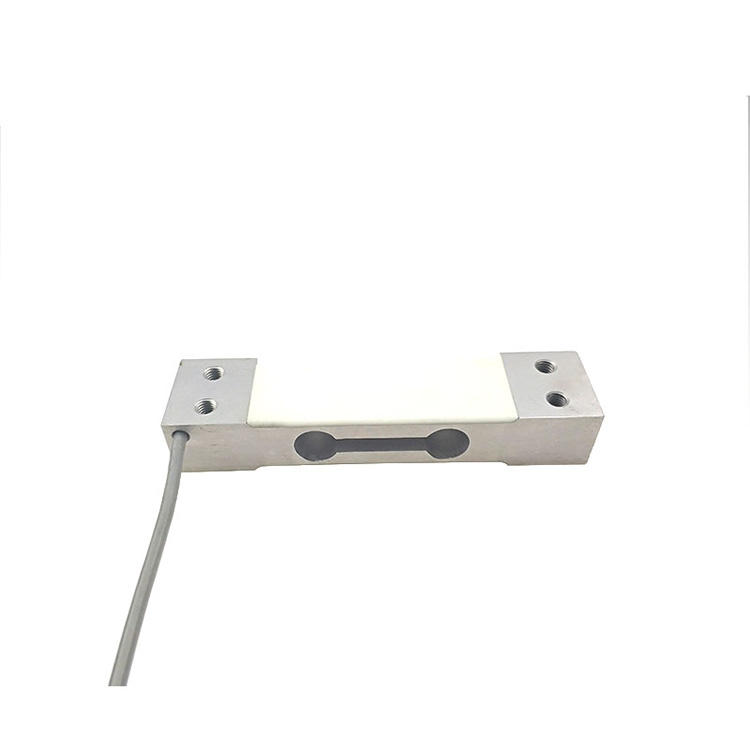
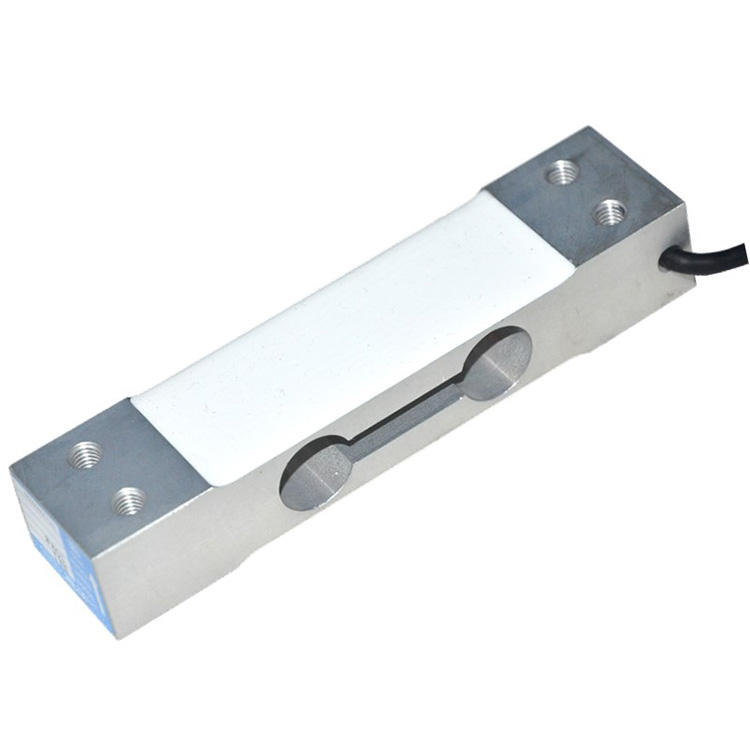
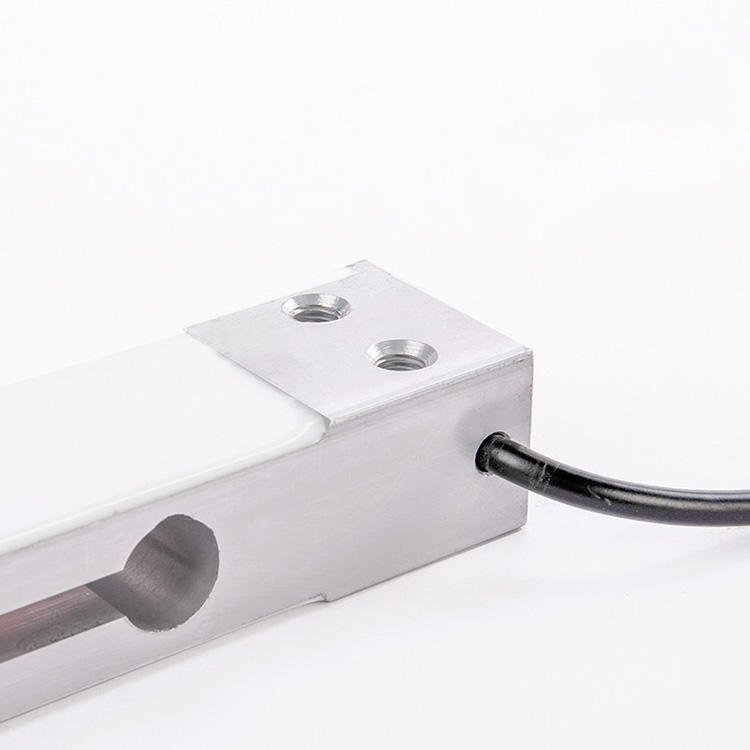
Load cell plc module

Load cell PLC modules are crucial components in various industrial applications, providing accurate weight measurements and force data to automated systems. For B2B buyers, understanding the nuances of selecting the right load cell transducer is vital. This article aims to clarify essential factors in choosing, buying, and troubleshooting load cell PLC modules, helping purchasing managers, engineers, and product managers make informed decisions. This article will help you to understand the product, so keep on reading it all.

What to Consider

What to Consider

When evaluating PST load cell PLC modules, there are several key factors to consider: 

Load Capacity: Determine the maximum load the module will need to handle. This is crucial for ensuring that the module can withstand operational demands without risk of failure. 

Accuracy and Resolution: Look for specifications that detail the accuracy and resolution needed for your process. Higher resolution allows for better precision in measurements, which is essential in applications requiring fine-tuned control. 

Output Signal Type: Different modules offer various output signals, including analog (voltage or current) and digital.  Choose based on what your PLC can read and process. 

Environmental Ratings: Consider IP (Ingress Protection) environmental ratings that indicate resistance to dust and moisture. For outdoor or harsh environments, higher ratings are advisable. 

Calibration and Certification: Ensure the module comes with proper calibration and certifications (like CE and RoHS) to guarantee compliance with industry standards. This will help in reducing liability and ensuring safety. 

A Buyers Guide

A Buyers Guide

When preparing to purchase a load cell transmitter, follow this guide to streamline the process: 

Define Requirements: Clearly outline your application needs, including load capacity, accuracy, and environmental conditions. 

Research Competitors: Identify multiple suppliers and compare their offerings. Pay attention to product specifications, customer reviews, and industry reputation. 

Request Samples: Before committing to a large order, request samples to test under actual operating conditions. This step helps confirm that the module meets your performance expectations. 

Clarify Customization Options: If your application has unique requirements, discuss customization possibilities with the manufacturer. This can include specific dimensions, materials, or output configurations that align with your project. 

Evaluate Support and Warranty: Assess the level of customer support offered by the supplier, including technical assistance and warranty terms, which can be critical in resolving issues after installation. 

Understanding Cost Factors When Purchasing Load Cell PLC Modules

Understanding Cost Factors When Purchasing Load Cell PLC Modules

The cost of PST load cell PLC modules can vary significantly based on several factors: 

Specifications: Higher accuracy, specialized materials, and advanced features typically lead to increased costs. Understanding your actual needs can help avoid overspending on unnecessary capabilities. 

Volume Discounts: Purchasing larger quantities may qualify you for bulk pricing discounts. Discuss Minimum Order Quantities (MOQ) with your supplier to optimize your budget. 

Customization: Custom features can add to the costs. Ensure you have a clear understanding of what modifications are essential versus optional. 

Lead Time: Shorter lead times may incur additional charges. If your timeline is flexible, you may achieve better pricing for standard items. 

Shipping Costs: Factor in shipping costs when comparing prices from different suppliers, especially if they are located internationally. 

Common Problems with Load Cell PLC Modules and Their Solutions

Despite their reliability, load cell PLC modules can encounter several common issues. This product has some issues, all you need to od is to follow all the instructions. Understanding these can help you troubleshoot effectively:

Drift in Readings: Over time, load cell PLC module may show drift, leading to inaccurate measurements. Regular calibration checks can mitigate this problem. Implement a routine calibration schedule to maintain accuracy. 

Signal Interference: Electrical noise can affect the performance of load cell PLC modules. Ensure that the installation environment is free from excessive electromagnetic interference, and consider using shielded cables. 

Mechanical Damage: Improper installation or overloading can damage load cell PLC module. Always adhere to the manufacturer's specifications for installation and usage, and conduct regular inspections to catch potential issues early. 

Temperature Effects: Changes in temperature can affect readings. Choose load cell PLC modules with temperature compensation features if your application experiences significant thermal fluctuations. 

Connection Issues: Loose or corroded connections may lead to erratic performance. Regularly inspect all electrical connections and ensure they are secure and clean. 

By understanding these common problems, buyers can take proactive measures to ensure the longevity and accuracy of their load cell PLC modules. 

This guide offers a comprehensive overview of the critical considerations for selecting and purchasing industrial load cells, ultimately empowering buyers to make well-informed decisions that enhance their operational efficiency and reliability.

Choosing the Right Load Cell PLC Module for Your Project Needs

Selecting the right PST load cell PLC module starts with understanding your specific application requirements. Load cell PLC modules vary in specifications such as capacity, accuracy, and type (e. g., analog vs. digital). Choosing the right product is so easy if you trust on our brand.  For instance, if your project involves high-precision applications, opt for modules with higher accuracy environmental ratings and lower tolerance levels. This article will help you to understand the product more, so keep on reading it all. 

Another consideration is compatibility with existing systems. Ensure that the load cell PLC module you choose can integrate seamlessly with your PLC (Programmable Logic Controller) and any other automation components in your setup. Additionally, assess the environmental conditions where the load cell PLC module will operate—factors like temperature, humidity, and potential exposure to chemicals can influence your choice of materials and design. 

Frequently Asked Questions

What is the Load Cell PLC Module used for?

The Load Cell PLC Module interfaces load cells with PLC systems for accurate weight and force data in lifting, weighing, automation, and energy applications.
Compatible with most strain gauge load cells and force sensors; configurations for single or multiple channels and common excitation/signal ranges are supported.
Manufactured with CE and RoHS compliance; produced under OEM/ODM processes to meet high-precision sensing and industrial reliability standards.
Connect via analog or digital I/O per wiring diagram; configure signal scaling, filtering, and communication protocols in the PLC to read calibrated weight values.
Yes. We provide OEM/ODM customization, calibration services, and technical support for integration, configuration, and application-specific requirements.

Get a Free Quote

Our representative will contact you soon.
0/1000