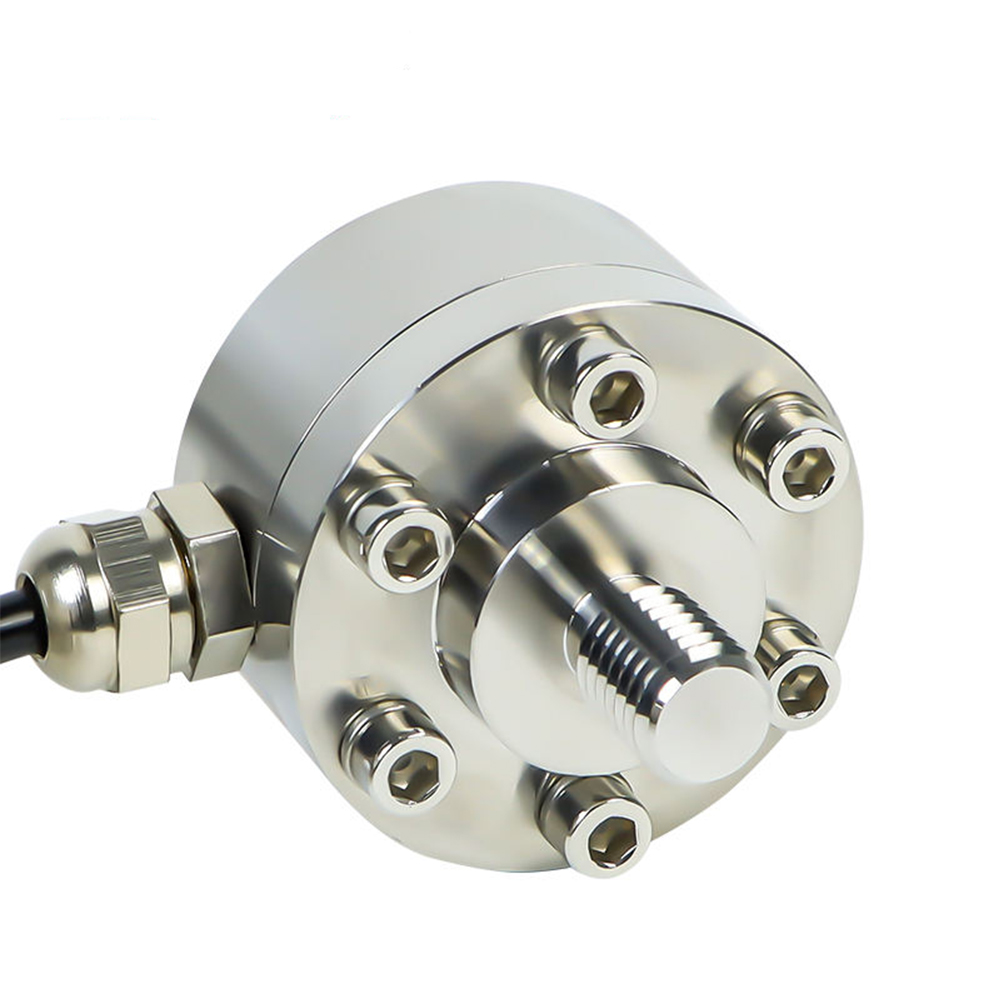
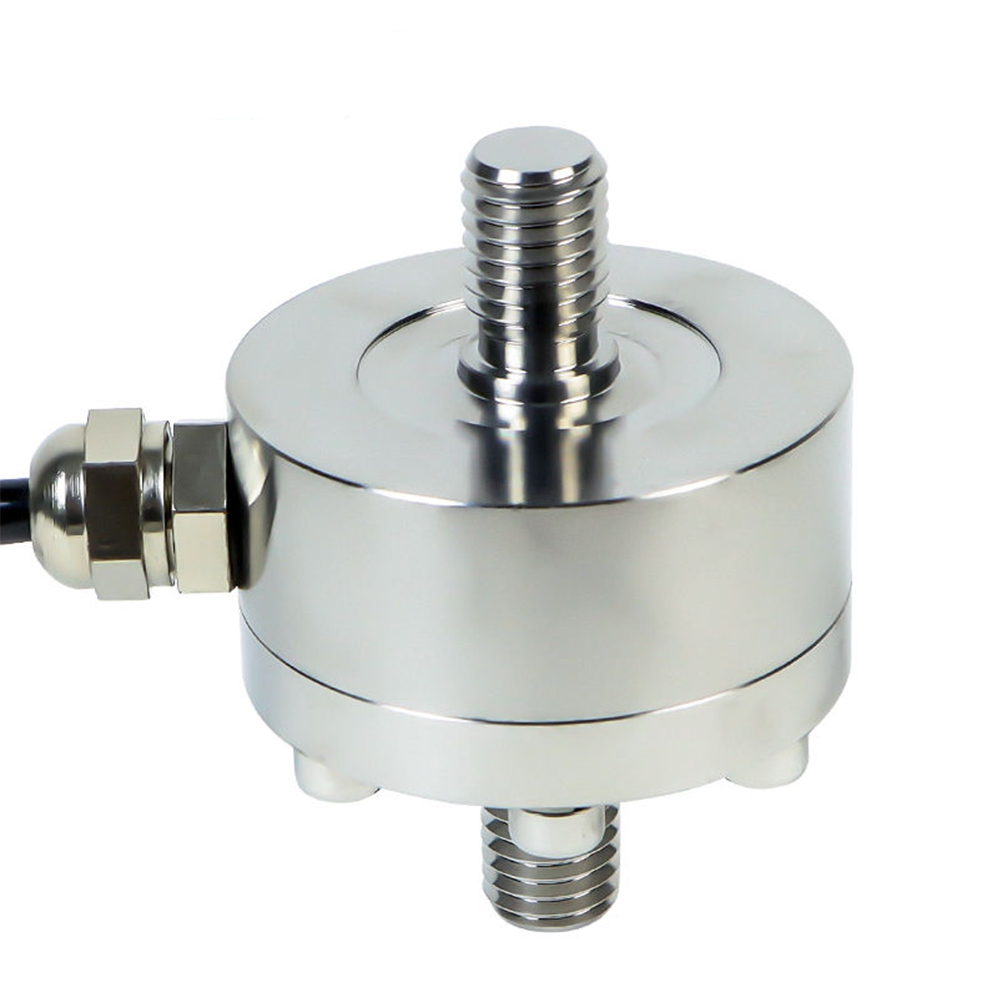
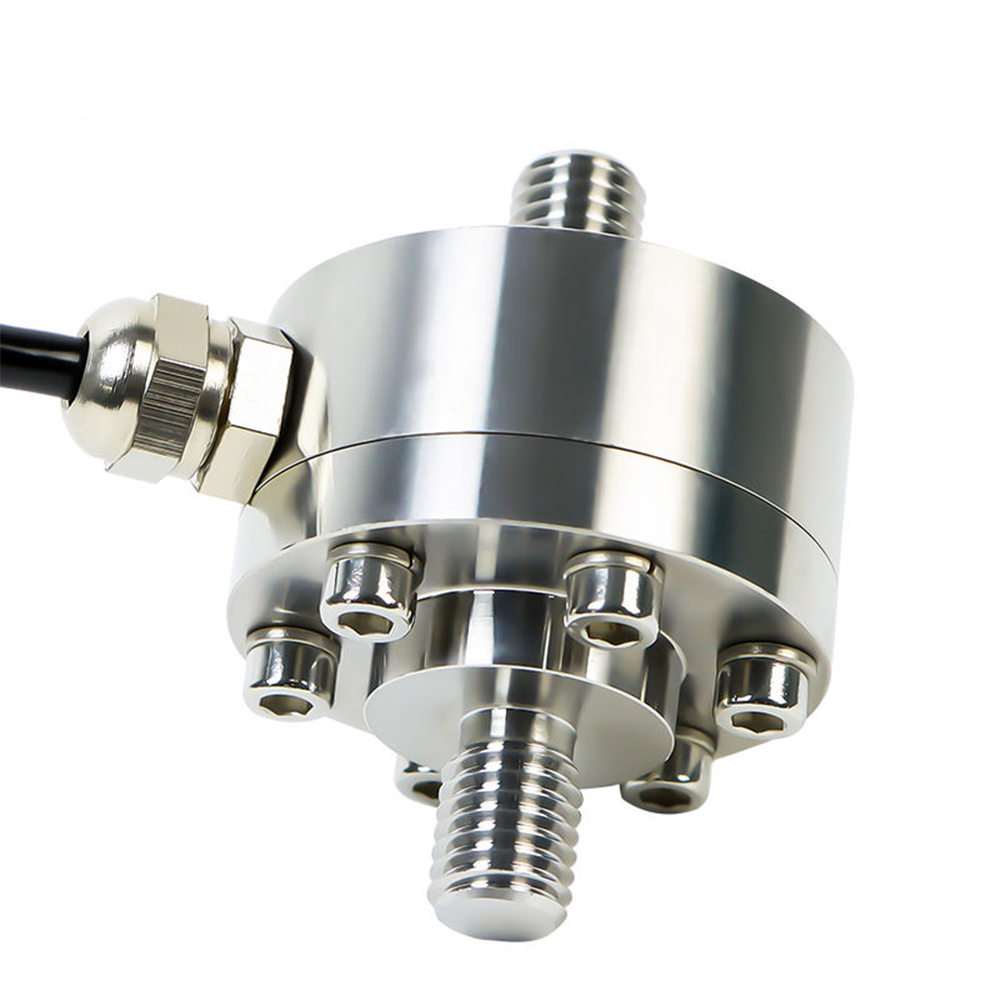
High-Quality Conveyor Belt Load Cells Wholesale

application/conveyor-belt-load-cell, application/conveyor-belt-load-cell, 
Inquiry
Inquiry

conveyor belt load cell

Understanding  conveyor belt load cells is crucial for  industries that rely  on accurate weight measurement  and force sensing during  material  handling  and processing. These  devices ensure  precision  in  applications ranging from manufacturing  to logistics, where  weighing products on conveyor systems  is  essential for inventory management and quality control. , we will explore key considerations for purchasing  conveyor belt load cells, addressing common  buyer concerns  such as specifications,  cost factors, potential  issues, and sourcing reliable products.

Key Specifications to Evaluate in Conveyor Belt Load Cells

Key Specifications to Evaluate in Conveyor Belt Load Cells

Evaluating key specifications is essential when selecting conveyor belt load cells to ensure optimal performance in your application. Here are some critical factors to consider:

Load Capacity: This specification indicates the maximum weight the load cell can measure. It's vital to select a load cell with a capacity that exceeds the maximum expected load to  avoid inaccuracies  or damage.

Accuracy and Resolution: These parameters define  how precise the measurements will be. A higher  accuracy  rating means  more reliable data, which  is crucial in applications where weight discrepancies can lead to significant operational costs.

Temperature Range: Load cells often operate  in various environments.  Understanding the  temperature range within which the load cell can function optimally will help  prevent operational failures.

Material Composition: The materials used in  constructing  the load cell can affect  its durability and ability to withstand harsh conditions, such  as moisture,  chemicals, or extreme temperatures.

Output Signal: Load cells typically provide an  analog output (like 4-20 mA or 0-10 V) or digital output. Knowing which output format is compatible with your system is essential for seamless integration.

By focusing on these  specifications, buyers can ensure that the selected conveyor belt load cell meets  their operational needs and  requirements.

Understanding the Cost Factors of Conveyor Belt Load Cells

Understanding the Cost Factors of Conveyor Belt Load Cells

The cost of conveyor  belt load cells can vary significantly based  on several factors.  Understanding these factors can help buyers make informed decisions:

Material Costs: Load cells made from high-quality materials, such as stainless steel or aluminum, may come  at a  premium. However, investing in durable materials can reduce  replacement costs over time.

Customization: Customized load cells tailored to  specific applications or conditions may incur additional costs. While customization can enhance performance,  it’s  essential to balance these  costs against the benefits. For example, options like Waterproof Digital LED Weighing Controller can enhance usability.

Production Volume:  Ordering in bulk can often lead to reduced  unit prices. Manufacturers may offer discounts for larger orders, which can benefit companies looking to standardize  equipment across multiple systems.


Technology: Advanced load cells with higher accuracy, better temperature tolerance, or integrated features like wireless communication may be more expensive. However, these features can lead to increased  efficiency and reduced operational costs in the long run.

Supplier Reputation: Established  suppliers with a track record of reliability and  quality  may charge more for their products. However, the assurance of quality and  after-sales support can justify  the higher price.

By considering these cost factors, buyers can evaluate their options and choose load cells that fit their budget and performance needs.

Common Problems with Conveyor Belt Load Cells and Their Solutions

Common Problems with Conveyor Belt Load Cells and Their Solutions

Despite  their critical role, conveyor belt load cells can face common issues that may affect their performance. Being aware of these problems and their solutions can help ensure reliable operation:

Calibration  Errors:  Improper calibration can lead to inaccurate readings.  Regular calibration checks and adjustments can help maintain accuracy. It's advisable for buyers to work with suppliers who offer calibration  services or guidance.

Environmental Interference: Load cells can be affected by  environmental factors  such as  temperature fluctuations, moisture, or  electromagnetic interference. Selecting load cells with appropriate sealing (like  IP67 ratings) can mitigate these issues.

Mechanical Stress: Overloading the load cell beyond its rated capacity can lead to permanent  damage. It is essential to  ensure that the load cell is correctly rated for the applications it will  serve.

Signal  Noise: Electrical noise can interfere  with the output signal. Utilizing shielded cables and proper grounding techniques can help reduce interference and ensure  clean signals  are transmitted to the  monitoring system.

Installation Issues: Misalignment during installation can affect the load cell's performance. Proper installation practices, including alignment checks and using appropriate supports, can help prevent these  issues.

By understanding these  common problems, buyers can take proactive measures to ensure the longevity and reliability of their conveyor belt load cells.

Where to Source Reliable Conveyor Belt Load Cells for Bulk Orders

Sourcing reliable conveyor belt load cells requires careful consideration of  potential suppliers. Here are  some strategies  to identify trustworthy manufacturers:

Industry Research: Conducting  thorough research on manufacturers can help identify reputable companies with a history of producing high-quality load cells. Look for those with  positive reviews and a solid presence in the industry.


Certifications and Standards: Verify that potential suppliers meet industry certifications such as CE and RoHS.  These certifications indicate compliance with safety and quality standards, ensuring that the products  meet necessary requirements.

Production Capabilities: Assess  the manufacturer’s production capabilities and  quality control processes. Reliable  suppliers should have  stringent quality assurance measures in place and be willing to provide documentation of their processes.

Customization Options:  Consider suppliers that offer customization services to meet specific operational needs. This flexibility  can be  crucial for ensuring the load cells perform  optimally within your unique systems.

After-Sales Support: Evaluate the level of customer service and support offered by the supplier. A reliable manufacturer will provide technical assistance,  warranty services,  and guidance on installation and maintenance.

By following these strategies,  buyers can confidently source  conveyor belt load cells that will meet their operational demands and provide long-term value.

Wholesale Options for High-Quality Conveyor Belt Load Cells

When looking for  wholesale options for conveyor belt load cells, it’s essential to consider various factors that influence both quality and cost. Many manufacturers, including JIANGXI JINGCE  SENSING  TECHNOLOGY CO.,  LTD., offer OEM/ODM solutions  that  can be tailored to meet specific  industry needs. These load cells are typically constructed from durable materials like stainless steel, which provides resistance to various environmental  factors. Additionally, some suppliers offer customizable PMC Sensors Load Cell Transmitter that can further enhance their performance.

Buyers should look for suppliers that uphold quality standards, such as  CE and  RoHS certifications, which indicate compliance with European health, safety,  and environmental protection standards. Additionally, it’s beneficial to inquire about the manufacturer’s production capabilities, including their quality  control processes and whether they can accommodate bulk orders with the required specifications.


Wholesale options may  also include customizable features, such as different load capacities and dimensions, depending on the specific application requirements. Therefore, understanding the  intended use  of the load cell, including the  weight range and environmental conditions,  will assist in selecting the  right  supplier.

Frequently Asked Questions

What is a conveyor belt load cell?

A conveyor belt load cell is a high-precision sensor that measures tension or weight on conveyor systems to monitor load, prevent overload, and enable accurate weighing in industrial automation.
Our load cells offer high precision with CE and RoHS compliance. Specific accuracy classes vary by model; contact us for model datasheets and calibration options.
They are used in lifting, weighing, automation, new energy, mining, and material handling where precise conveyor load monitoring is required.
Yes. We offer OEM/ODM solutions including custom calibration, mounting options, communication interfaces, and packaging to fit your application.
We provide technical support, installation guidance, and warranty terms with product delivery. Contact our sales team for specific warranty duration and service details.

Get a Free Quote

Our representative will contact you soon.
0/1000