Understanding the Cost Factors of Conveyor Belt Load Cells
The cost of conveyor belt load cells can vary significantly based on several factors. Understanding these factors can help buyers make informed decisions:
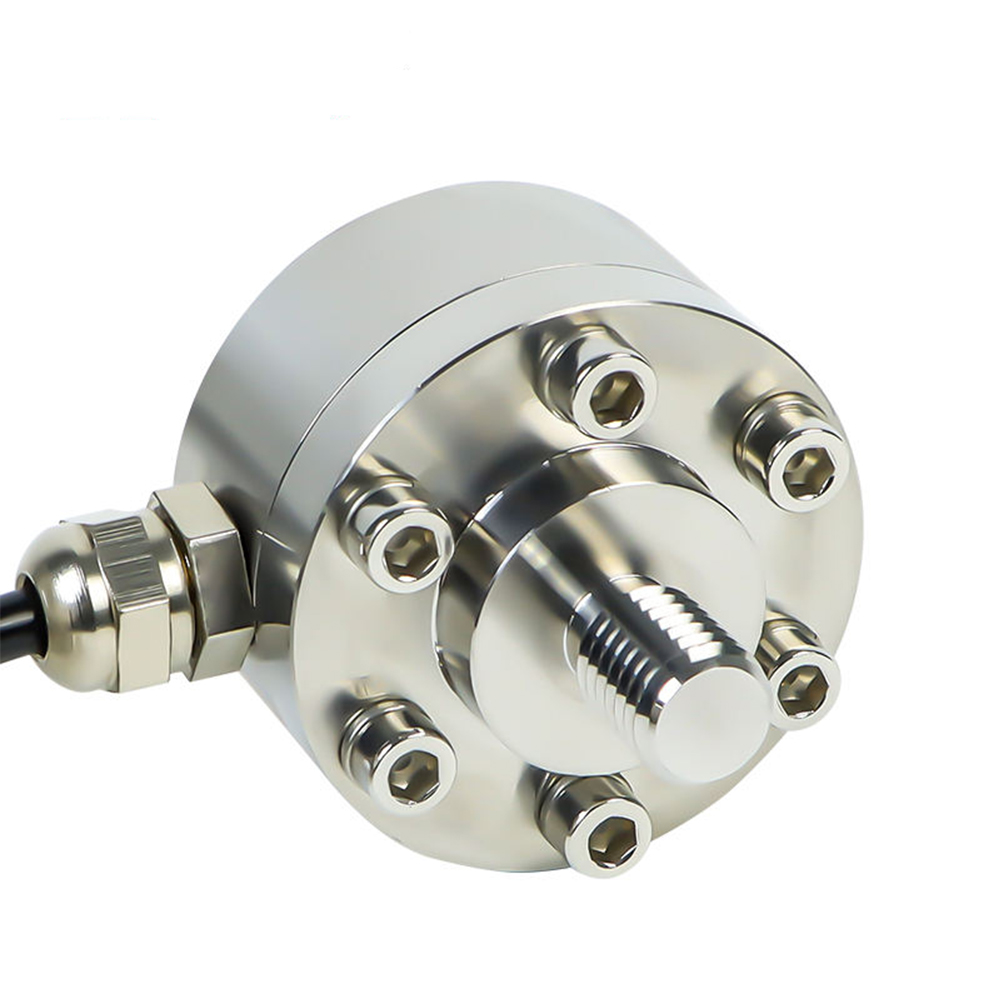
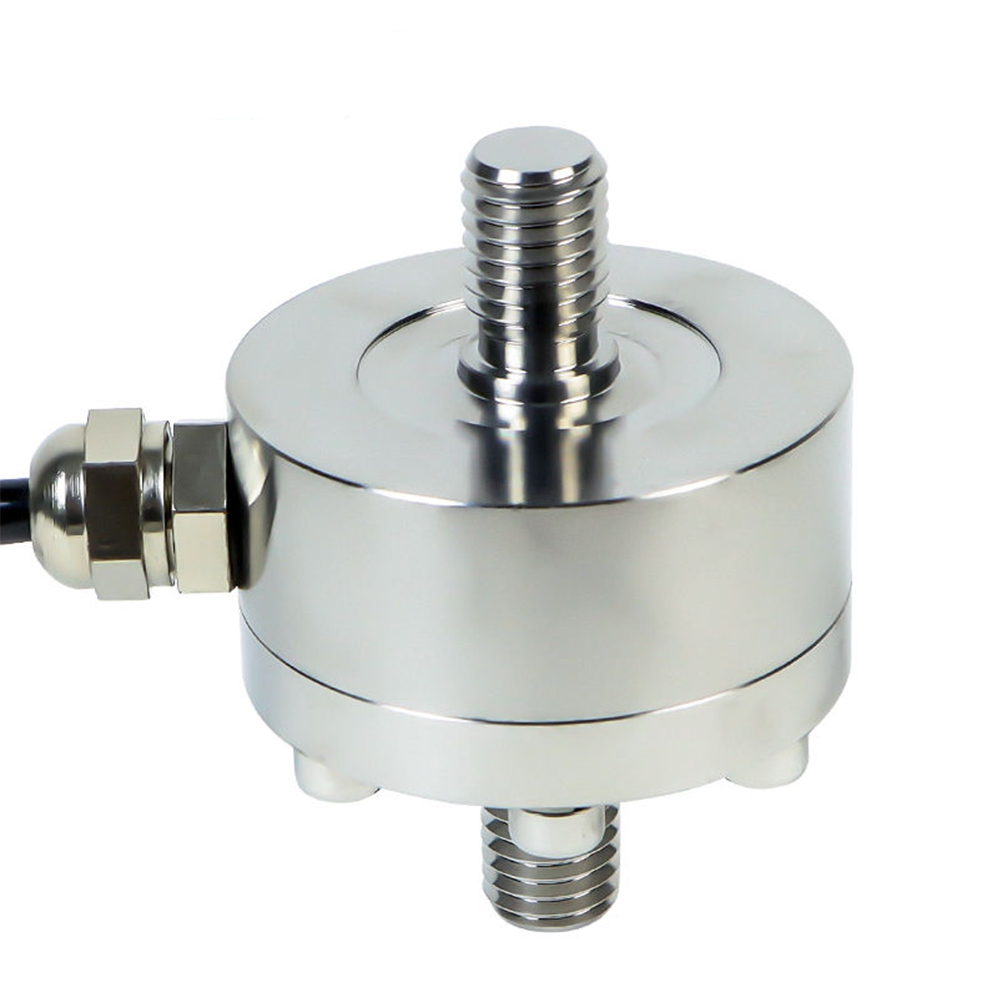
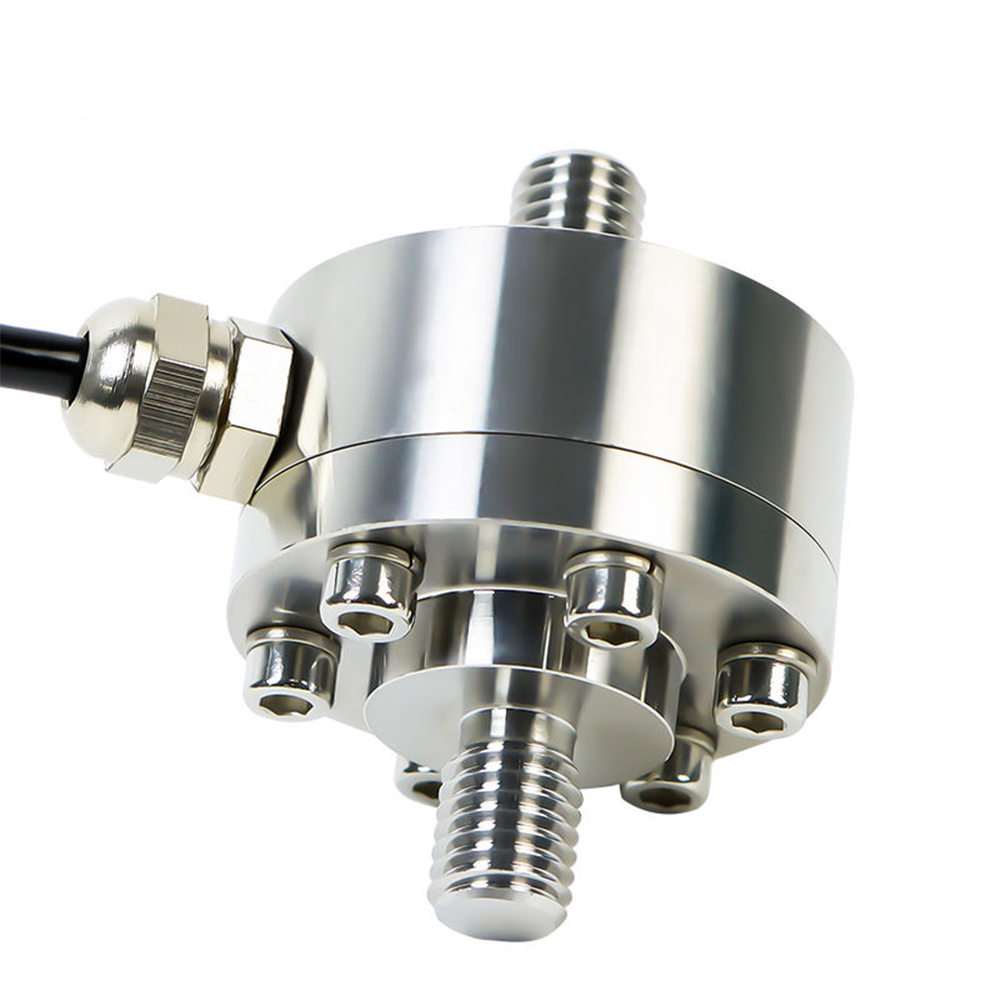
Material Costs: Load cells made from high-quality materials, such as stainless steel or aluminum, may come at a premium. However, investing in durable materials can reduce replacement costs over time.
Customization: Customized load cells tailored to specific applications or conditions may incur additional costs. While customization can enhance performance, it’s essential to balance these costs against the benefits. For example, options like Waterproof Digital LED Weighing Controller can enhance usability.
Production Volume: Ordering in bulk can often lead to reduced unit prices. Manufacturers may offer discounts for larger orders, which can benefit companies looking to standardize equipment across multiple systems.
Technology: Advanced load cells with higher accuracy, better temperature tolerance, or integrated features like wireless communication may be more expensive. However, these features can lead to increased efficiency and reduced operational costs in the long run.
Supplier Reputation: Established suppliers with a track record of reliability and quality may charge more for their products. However, the assurance of quality and after-sales support can justify the higher price.
By considering these cost factors, buyers can evaluate their options and choose load cells that fit their budget and performance needs.
 EN