Load Cell Amplifier: Quality, Cost, and Applications

application/load-cell-amplifier, application/load-cell-amplifier, 
Inquiry
Inquiry

Load cell amplifier

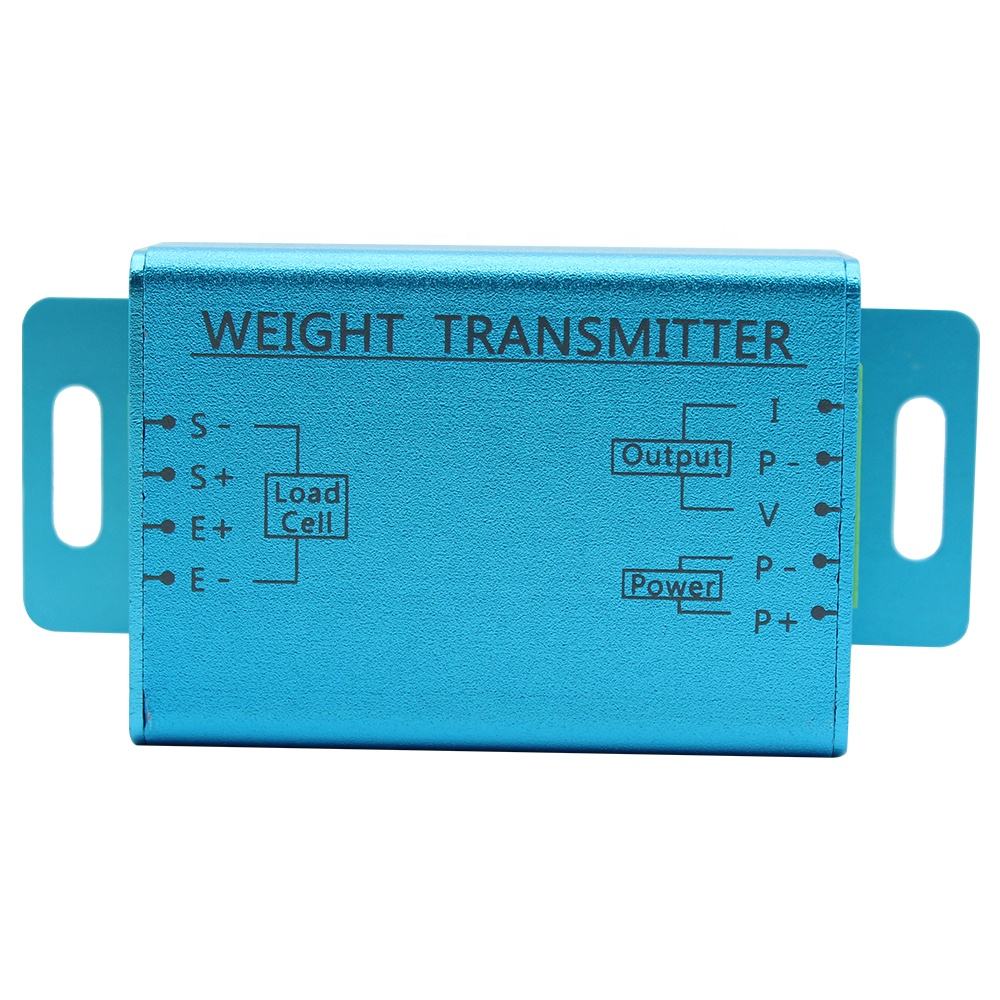
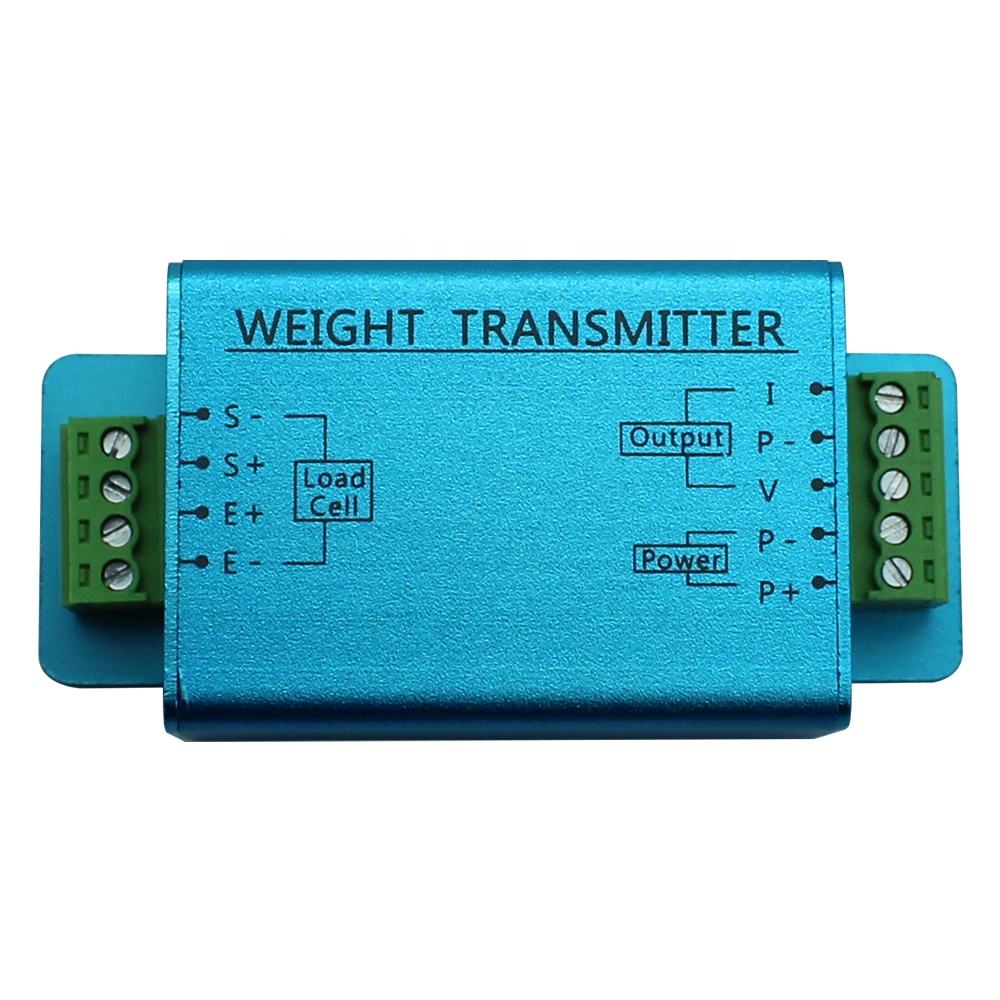
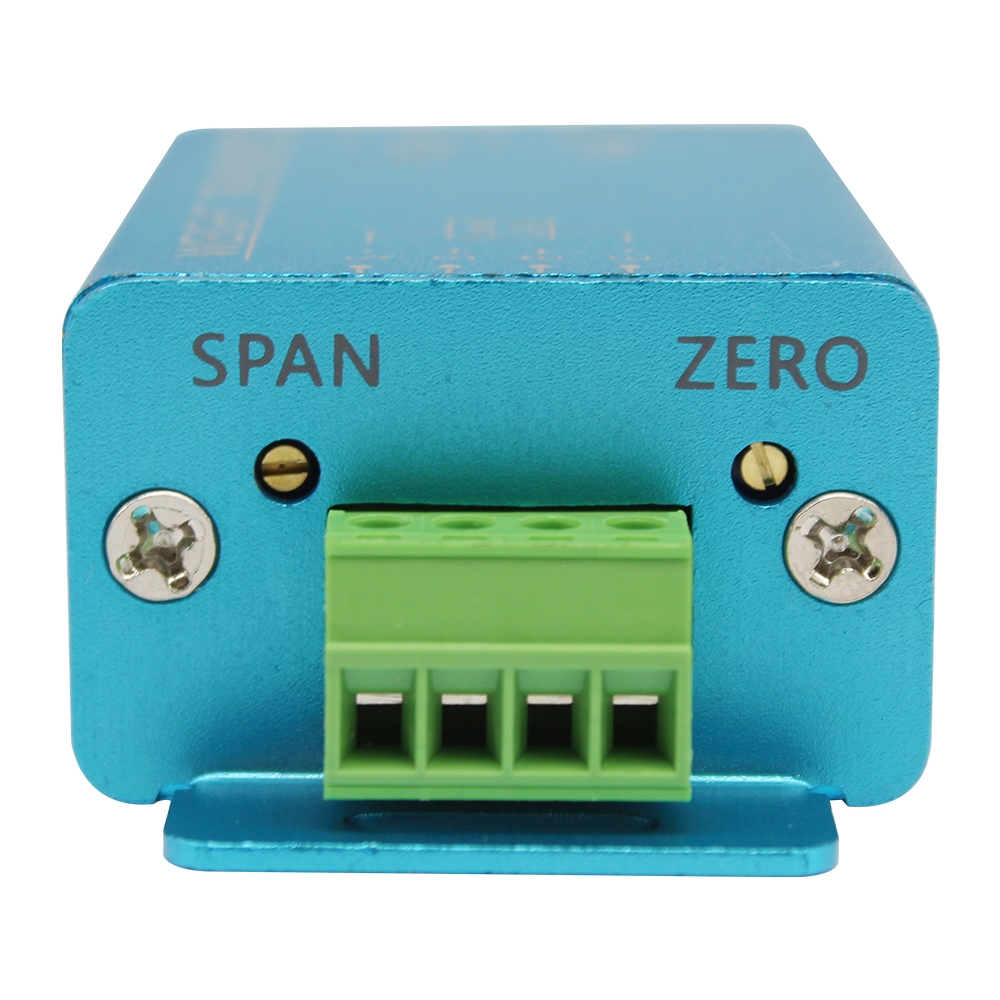
Load cell amplifiers are essential components in various industrial applications, particularly in precision weighing and force measurement systems. These devices enhance the performance of load cells by amplifying the electrical signals they produce, ensuring accurate data transmission for monitoring and control processes. When sourcing load cell amplifiers, B2B buyers often face challenges related to quality, cost, and application suitability. This article provides insights into evaluating bending beam load cell quality, cost factors, applications, features, and common issues, helping buyers make informed purchasing decisions. This article will help you to understand the product more, so keep on reading it all. 

Cost Factors When Purchasing Load Cell Amplifiers Wholesale

Cost Factors When Purchasing Load Cell Amplifiers Wholesale

The cost of PST load cell amplifiers can vary significantly based on several factors. Volume discounts are a primary consideration; larger orders often lead to reduced per-unit costs. Understanding the manufacturer's minimum order quantities (MOQ) is essential for budgeting effectively. 

Material quality also impacts pricing. Amplifiers constructed from high-grade components tend to be more reliable and have a longer lifespan, which can justify a higher initial investment. Be wary of extremely low-cost options, as they may compromise performance or durability. 

Another cost factor is the customization required. If your project demands specific features or configurations, expect higher costs associated with custom design and production. Always communicate your requirements clearly to the supplier to receive accurate quotations. 

Finally, consider the lead time associated with your order. Manufacturers with longer lead times may necessitate larger safety stocks, increasing your overall costs. It’s wise to balance upfront costs against long-term reliability and operational efficiency.

Applications of Load Cell Amplifiers in Industrial Settings

Applications of Load Cell Amplifiers in Industrial Settings

Load cell amplifiers find application across various industries, including weighing systems, automation, and force measurement. In weighing systems, they enhance the accuracy of scales used in manufacturing and logistics, ensuring precise measurement of products for shipping and inventory management. 

In automation, load cell amplifiers are integral to systems that monitor loads on machinery and structures. For instance, in construction, they can measure the load on cranes and hoists, contributing to safety and efficiency. 

Additionally, in force measurement applications, these amplifiers are utilized in testing equipment to analyze the performance of materials and products under stress. This is crucial in industries such as aerospace, automotive, and materials science, where precise measurements can influence design and safety standards. 

Features and Benefits

Features and Benefits

Quality load cell amplifiers come equipped with several features designed to enhance performance and usability. Signal conditioning capabilities, such as filtering and linearization, improve the accuracy of the output signal, making it more reliable for downstream processes. 

Another important feature is multichannel support, allowing multiple load cells to be connected to a single amplifier. This is particularly beneficial in applications where simultaneous measurements are needed, such as monitoring multiple points on a structure. 

Built-in diagnostics can also be a significant advantage, providing alerts for any anomalies or issues in the measurement process. This feature helps in proactive maintenance and minimizes downtime, ultimately improving operational efficiency. 

The benefits of using high-quality industrial load cells include increased accuracy, reliability, and ease of integration into existing systems. These factors contribute to better overall performance of the weighing or measurement system, leading to enhanced productivity and safety. 

Common Problems with Load Cell Amplifiers and Their Solutions

Despite their importance, PST load cell amplifiers can encounter several common issues. One prevalent problem is signal noise, which can lead to inaccurate readings. To mitigate this, ensure that the amplifier is properly shielded from electromagnetic interference and that appropriate grounding practices are followed. 

Another issue is drift, where the amplifier’s output signal shifts over time, leading to errors in measurement. Regular calibration and using amplifiers with high thermal stability can help minimize drift. 

Power supply fluctuations can also adversely affect amplifier performance. Ensure that the power supply is stable and meets the specifications required by the amplifier, and consider using a dedicated power supply to avoid interference from other equipment. 

Lastly, incompatibility with load cells can cause performance problems. Always verify that the amplifier is compatible with the specific load cell type and its output characteristics. Consultation with the manufacturer can help clarify any compatibility concerns. 

By understanding these common issues and their solutions, buyers can make more informed decisions when selecting load cell amplifiers, ensuring that their systems operate smoothly and efficiently.

How to Evaluate Load Cell Amplifier Quality for Your Projects

When assessing the quality of PST load cell amplifiers, several key specifications should be considered. First, accuracy and resolution are critical; they determine how precisely the amplifier can translate the load cell's signals into usable data. A high-resolution amplifier will capture finer changes in load, which is particularly important in applications requiring precise measurements. 

Next, consider the input and output signal types. Most crane load cell provide analog outputs (like 4-20 mA or 0-10 V), but digital outputs (like RS232 or RS485) may be advantageous for integration with modern control systems. Compatibility with your existing equipment is vital. 

Temperature stability also plays a significant role. Load cell amplifiers should maintain accuracy across varying environmental conditions. Look for amplifiers with specified temperature coefficients to understand how performance may fluctuate with temperature changes. 

Finally, evaluate the certifications the manufacturer holds, such as CE and RoHS. These certifications indicate compliance with international standards for safety and environmental impact, ensuring that the product meets industry regulations.

Frequently Asked Questions

What is a load cell amplifier used for?

A load cell amplifier converts low-level signals from load cells or force sensors into standardized voltage, current, or digital outputs for accurate measurement, recording, and control in weighing, lifting, automation, and testing applications.
Our amplifiers support common outputs such as 0-10V, 4-20mA, ±10V and digital interfaces (optional), enabling integration with PLCs, data loggers, and control systems in industrial setups.
Yes. Our load cell amplifiers meet CE and RoHS standards, ensuring safety, electromagnetic compatibility, and restricted hazardous substance compliance for global industrial use.
Yes. We offer OEM/ODM customization for amplification range, output type, mounting, and connector options to match specific force measurement, weighing, and automation requirements.
Provide sensor type, sensitivity (mV/V), excitation voltage, desired output, and application details. Our engineers will recommend the correct amplifier configuration and calibration options for accurate performance.

Get a Free Quote

Our representative will contact you soon.
0/1000