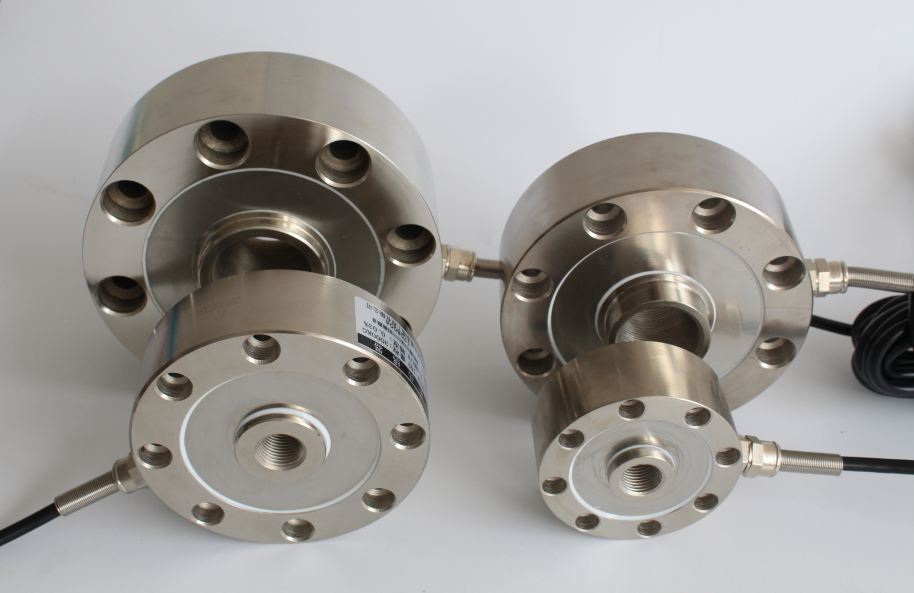
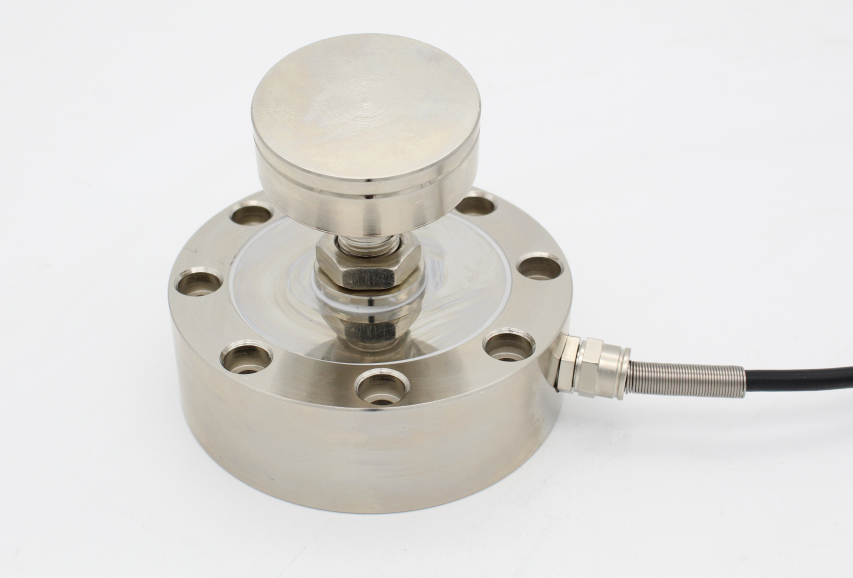
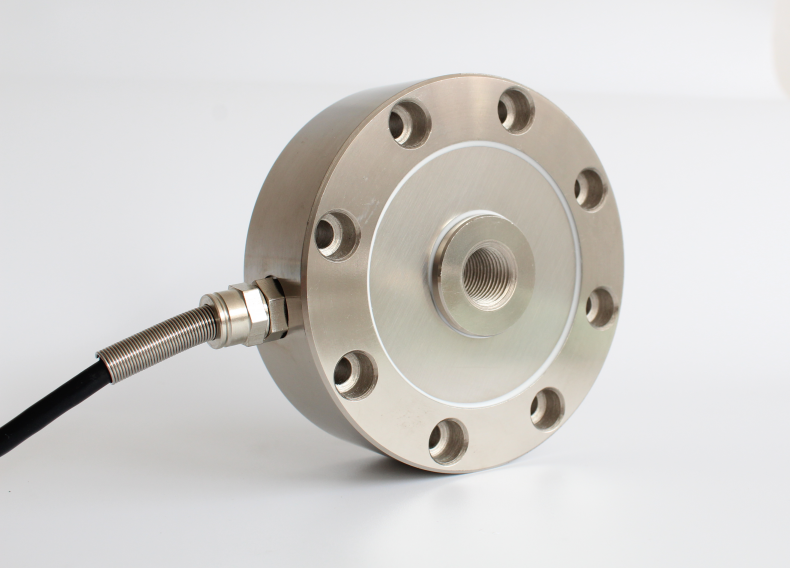
Load Cell 200kg: Key Specifications and Applications

application/load-cell-200kg, application/load-cell-200kg, 
Inquiry
Inquiry

load cell 200kg

Understanding load cells is critical for industries that rely on accurate  weight  measurement, especially  when it comes to the load cell 200kg.  This essential  component is widely  used in various applications, from manufacturing  to logistics. B2B  buyers,  including purchasing managers, engineers, and  product  managers,  often face challenges when selecting the right load cell that meets their specific needs. This article will  guide  you through  the  key specifications, selection criteria, and quality  control standards to consider  when sourcing a load  cell 200kg.

 
How to Choose the Right Load Cell 200kg for Your Projects

How to Choose the Right Load Cell 200kg for Your Projects

Selecting the appropriate load cell 200kg involves several critical considerations:

Application Requirements: Define the specific application for which the load cell will be used. Different  applications, such as weighing,  force measurement,  or material  testing, may require different specifications.

Environment: Consider the environmental conditions where the load cell will be installed.  Factors such as humidity, temperature, and exposure to chemicals can influence  the type of load  cell  suitable for your project.

Compatibility: Ensure that the  load cell is compatible with your existing systems. This includes checking  the output signal type, as well as any necessary interfaces for data acquisition systems.


Customization  Needs: If your application has unique requirements, inquire about customization  options. Many manufacturers, like JIANGXI JINGCE SENSING TECHNOLOGY CO., LTD., offer OEM/ODM solutions that can be tailored to specific applications. For instance, the Heavy Duty Wireless Tension Load Cell may provide additional capability.

Budget  and Cost Considerations: Evaluate the  overall cost, including  potential additional features or customization. Sometimes, a  higher upfront  cost can lead to greater long-term savings  through improved accuracy  and durability.

By carefully assessing these factors, buyers can select the most suitable load cell 200kg that aligns with their project needs.

Evaluating Quality Control Standards for Load Cell 200kg Suppliers

Evaluating Quality Control Standards for Load Cell 200kg Suppliers

Quality control is paramount when sourcing load cells, particularly for critical applications. Here are some essential quality control standards to consider when evaluating  suppliers:

Certifications: Check for relevant certifications such as CE and  RoHS, which indicate compliance with safety and environmental standards. This is especially  important for industries that  have strict regulatory requirements.


Testing Procedures: Inquire about the testing procedures used during production. Effective quality control should include calibration, performance testing, and durability assessments  to ensure that  the load cells meet specified standards.

Traceability: A trustworthy supplier should have traceability systems in place that allow  for tracking the production batch of  each  load cell. This is crucial for quality assurance  and for  addressing any future concerns.


Customer Feedback: Look for customer reviews and testimonials regarding  the supplier's products and services. Consistent positive feedback can  indicate a reliable supplier.

Production Capabilities:  Understanding a supplier's production capabilities, including machinery and workforce skills, can provide  insight into their ability to produce high-quality load cells consistently.

By examining these quality  control standards, buyers can mitigate risks and ensure that they select a reputable supplier  for their load cell 200kg needs.

 
Load Cell 200kg for Importers and Distributors

Load Cell 200kg for Importers and Distributors

For importers and distributors, understanding  the logistics of sourcing load cells is crucial. Here are key  considerations:

Minimum Order Quantity (MOQ): Different manufacturers may have varying MOQs.  Understanding these requirements helps in planning  inventory and managing  costs effectively.

Lead Times: Inquire about lead times for production and shipping. This is  essential for maintaining supply chain efficiency, especially if the load cells  are needed for urgent projects.

Packaging and Shipping: Confirm packaging methods to ensure that  the load cells are protected during transit. Proper  packaging can prevent damage and  ensure that the products arrive in optimal condition.

Customs and Import Regulations: Familiarize yourself with the customs regulations and import duties associated with load cell products  in your region. This knowledge can help in budgeting and avoiding unexpected delays.

Market Demand: Stay informed  about  market trends and demand for load cells in  your region. Understanding these dynamics can help importers and distributors  make strategic purchasing decisions.


By addressing these factors, importers and distributors can  effectively  navigate the complexities of sourcing  load cell 200kg.


Key Applications of Load Cell 200kg in Various Industries

Load cells  200kg are versatile components used across  different industries. Here are  some key applications:

Manufacturing: In manufacturing environments, load cells are employed for precise weight measurement during production processes, ensuring quality control and compliance with specifications.

Logistics and Warehousing: Load  cells are integral to weighing systems in logistics, helping to monitor shipments and manage inventory  accurately.


Food and  Beverage: In the food industry, load cells are used for weighing ingredients accurately, contributing to product consistency and  regulatory compliance.


Pharmaceuticals: Precision in weight measurement is critical in pharmaceuticals for both ingredient formulation and packaging. Load  cells help ensure compliance with industry standards.

Automotive and Aerospace: Load  cells  are utilized in testing applications, such as  measuring  the  force exerted during mechanical  tests, contributing to safety and reliability assessments.

Understanding these  applications helps buyers recognize the importance of selecting the right load cell  200kg for  their specific industry needs, ensuring optimal performance and  compliance with regulatory requirements.

Understanding Load Cell 200kg Specifications for Wholesale Buyers

When evaluating a  load cell 200kg, buyers should consider several  key specifications. The primary factors include:

Rated Capacity: This indicates the maximum load the load cell  can handle, which in this case is 200kg. It's crucial to ensure  that the load  cell can safely accommodate your application’s maximum weight.

Accuracy and Precision: Load cells typically  have a specified accuracy level, often expressed as a percentage of full  scale. Higher accuracy is essential for applications requiring  precise measurements, such  as  in laboratory settings.

Sensitivity: This refers to  the minimum load that can be detected. A higher sensitivity allows for the detection of smaller weight changes, which can be  vital in applications like quality control.


Material: Load cells can be made from various materials, including  aluminum and stainless steel.  The choice of material can affect durability, corrosion resistance, and weight.

Temperature Range: Load cells may perform differently at varying temperatures. Understanding the operational temperature range is  essential, especially for environments that experience extreme conditions.

Output Signal: Load cells can provide analog or digital signals. Knowing the required output type is  crucial for  ensuring  compatibility with existing systems.

Understanding these specifications will help  wholesale buyers make informed decisions, ensuring that the load cell 200kg meets their operational requirements. Additionally, buyers may consider the Customizable PMC Sensors Load Cell Transmitter for tailored solutions.

Frequently Asked Questions

What is the rated capacity of this load cell?

The load cell is rated for 200 kg capacity and designed for high-precision force measurement in industrial applications.
It holds CE and RoHS certifications, ensuring compliance with European safety and environmental standards.
Suitable for lifting, weighing, automation, and new energy applications requiring accurate load measurement.
Yes. We provide OEM/ODM customization including mounting, connectors, calibration, and housing options to meet specific needs.
The load cell provides high-precision accuracy with standard analog outputs (mV/V) and optional calibrated voltage or digital interfaces upon request.

Get a Free Quote

Our representative will contact you soon.
0/1000