Choosing the Right Load Cell Box for Your Project

application/load-cell-box, application/load-cell-box, 
Inquiry
Inquiry

Load cell box

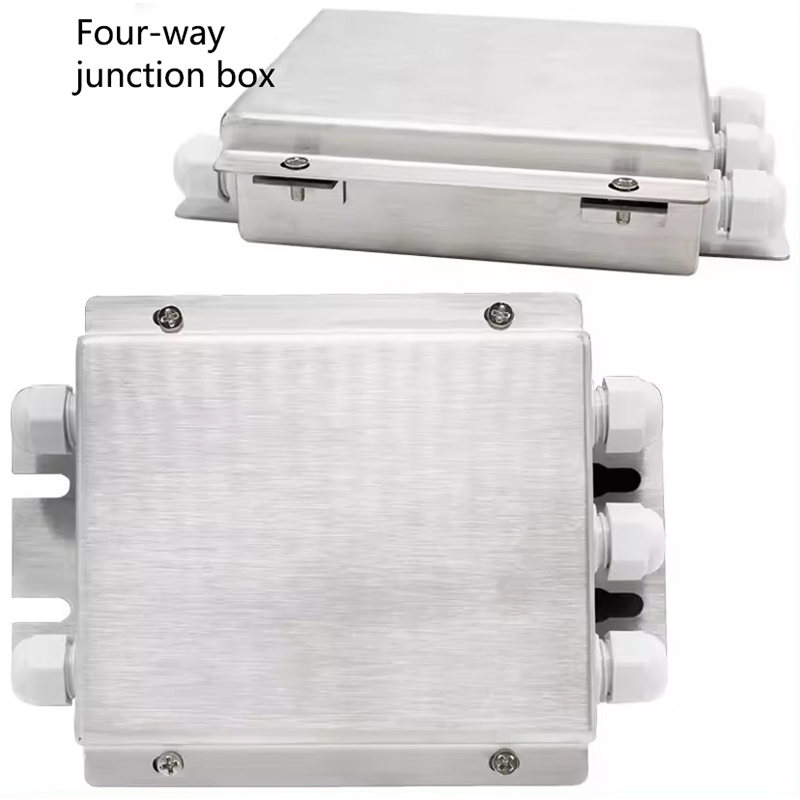
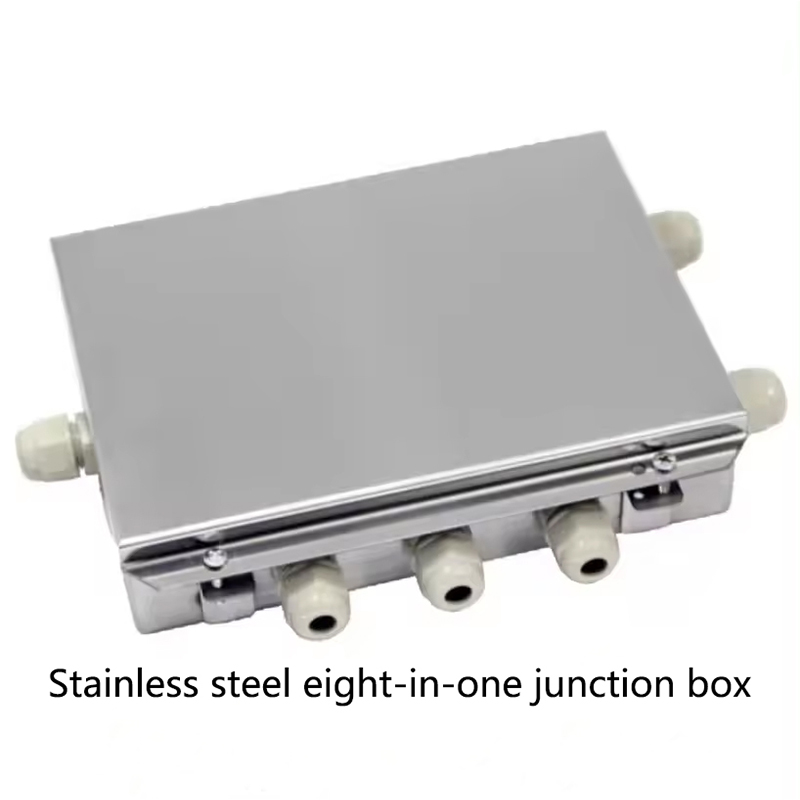
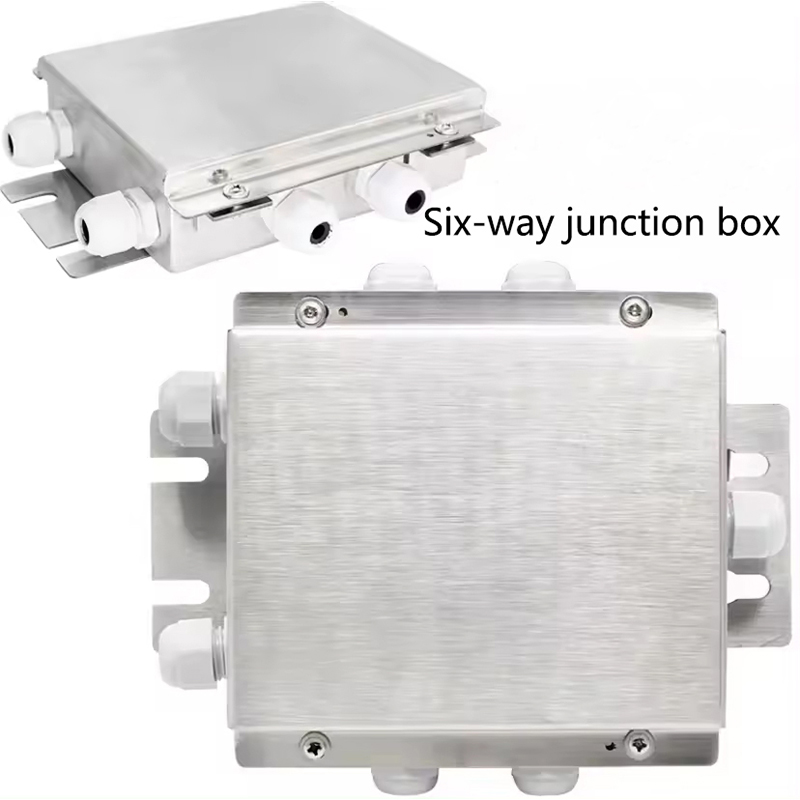
Load cell boxes are essential components in various industrial applications, providing precise measurements of weight and force. For B2B buyers, choosing the right load cell box involves understanding technical specifications, installation requirements, and potential issues that may arise. This article will guide purchasing managers, engineers, and product managers through the critical factors to consider when selecting a load cell box, ensuring that your project meets performance and quality standards.

Key Specifications to Evaluate for Load Cell Box Selection

Key Specifications to Evaluate for Load Cell Box Selection

When evaluating load cell boxes, several specifications should be closely inspected to ensure optimal performance: 

Accuracy and Precision: The accuracy of a load cell box is typically expressed as a percentage of full-scale output. For critical applications, choose a load cell box with a high accuracy rating to ensure reliable measurements. 

Material Construction: The materials used in the load cell box can influence its longevity and performance. Common materials include stainless steel for corrosion resistance and aluminum for lightweight applications. Choose a material based on the operational environment and expected load conditions. 

Temperature Range: Load cell performance can vary with temperature changes. Verify the operating temperature range of the load cell box to ensure it aligns with your application's conditions. 

Signal Output: Understand the type of output signal required—analog, digital, or wireless. This consideration ensures compatibility with your measurement systems and data acquisition setups. 

Dimensions and Configuration: The physical size and configuration of the load cell box must fit within your design constraints. Ensure that the dimensions allow for easy installation and integration with existing systems. 

By thoroughly evaluating these specifications, buyers can select a load cell junction box that meets both operational and technical needs.

Installation Guidance for Load Cell Boxes in Various Applications

Installation Guidance for Load Cell Boxes in Various Applications

Proper installation of a PST load cell box is critical for accurate performance. Begin by ensuring that the mounting surface is flat and stable. Any unevenness can lead to measurement errors. For example, if the load cell box is installed on a vibrating surface, it may produce fluctuating readings. 

Next, consider the orientation and alignment of the load cell box. It should be aligned with the load's direction to avoid unnecessary stress on the sensor. Misalignment can result in skewed measurements and decreased accuracy. 

In applications where environmental factors are a concern, sealing the load cell box against moisture and dust ingress is vital. Use appropriate sealing techniques and materials to ensure the longevity of the device. 

Finally, conduct a calibration check after installation to verify that the load cell box is functioning correctly. Calibration ensures that the readings fall within acceptable accuracy limits and that the system is ready for use.

Common Problems with Load Cell Boxes and Their Solutions

Common Problems with Load Cell Boxes and Their Solutions

Load cell boxes, while robust, may encounter specific issues that can affect their performance. Here are some common problems and their solutions: 

Drift in Measurements: Over time, load cell boxes may exhibit drift in readings. This issue can often be resolved by recalibrating the device. Regular calibration checks are advisable to maintain measurement accuracy. 

Environmental Interference: If the load cell box is used in a challenging environment, such as near heavy machinery or in high humidity, it may suffer from interference. To mitigate this, ensure proper shielding and use a load cell box with adequate environmental protection ratings. 

Mechanical Stress: Applying loads outside the specified capacity can lead to permanent deformation of the load cell. To prevent this, always adhere to the manufacturer's stated load limits and consider implementing overload protection mechanisms. 

Wiring Issues: Loose or damaged wiring can result in erratic readings. Regularly inspect wiring connections and use durable connectors to minimize this risk. It's also wise to ensure that the wiring is protected from mechanical damage and environmental factors. 

By addressing these common issues proactively, buyers can enhance the longevity and reliability of their load cell boxes.

Where to Find Trusted Suppliers for Load Cell Boxes Globally

Finding a reputable supplier for load cell boxes is crucial for ensuring quality and reliability. Here are several strategies to locate trusted manufacturers: 

Industry Certifications: Look for suppliers with recognized certifications, such as CE and RoHS, which indicate compliance with international quality and safety standards. PST is an example of a manufacturer with these certifications, reflecting a commitment to quality. 

Supplier Reviews and References: Research potential suppliers by reading customer reviews and seeking references. Feedback from previous customers can provide insights into the reliability and performance of the supplier's products and services. 

Trade Shows and Industry Events: Attending industry trade shows allows buyers to meet suppliers in person, see product demonstrations, and discuss specific requirements. This face-to-face interaction can foster trust and help assess the supplier's expertise. 

Online Marketplaces and Industry Directories: Utilize online platforms dedicated to industrial products, where you can compare various suppliers, read reviews, and request quotes. Directories often provide detailed information about manufacturers, including their product offerings and contact information. 

Networking within Industry Associations: Engaging with industry associations can lead to valuable connections and recommendations for reputable suppliers. Many associations maintain lists of trusted manufacturers who meet industry standards. 

By leveraging these strategies, buyers can identify and engage with suppliers that align with their quality and performance expectations for multi channel load cell amplifier.

What to Consider When Choosing a Load Cell Box for Your Project

When selecting a load cell box, several key factors should be evaluated to ensure it meets your project's specific requirements. One of the foremost considerations is the load capacity. Determine the maximum load the box will need to handle, as exceeding this limit can lead to inaccuracies or damage. 

Another significant factor is environmental conditions. Consider whether the load cell box will be exposed to moisture, dust, or chemicals, as these elements can affect performance. Selecting a junction box for load cell with appropriate environmental sealing, such as IP ratings, can help protect against these conditions. 

Compatibility with existing systems is also crucial. Ensure that the load cell box interfaces seamlessly with your current equipment or monitoring systems. This includes verifying electrical connections, communication protocols, and any necessary software integration. 

Lastly, customization options may be essential for specific applications. Many manufacturers, including PST offer OEM/ODM solutions that allow for tailored specifications to meet unique project requirements.

Frequently Asked Questions

What is a load cell box used for?

A load cell box houses and protects load cell electronics, enabling signal conditioning, junctioning multiple sensors, and providing stable output for weighing and force measurement applications.
Our load cell boxes serve lifting, weighing, automation, and new energy industries requiring high-precision force measurement and reliable signal management.
Yes. Our load cell boxes comply with CE and RoHS standards, ensuring safety, electromagnetic compatibility, and hazardous substance restrictions.
Yes. We offer OEM/ODM customization for dimensions, connectors, signal conditioning, and labeling to meet specific application and integration requirements.
We provide technical support for installation and calibration guidance, plus standard warranty coverage. Specific terms are offered per project—contact our sales team for details.

Get a Free Quote

Our representative will contact you soon.
0/1000