Choosing the Right Pancake Load Cell for Efficiency

application/pancake-load-cell, application/pancake-load-cell, 
Inquiry
Inquiry

pancake load cell

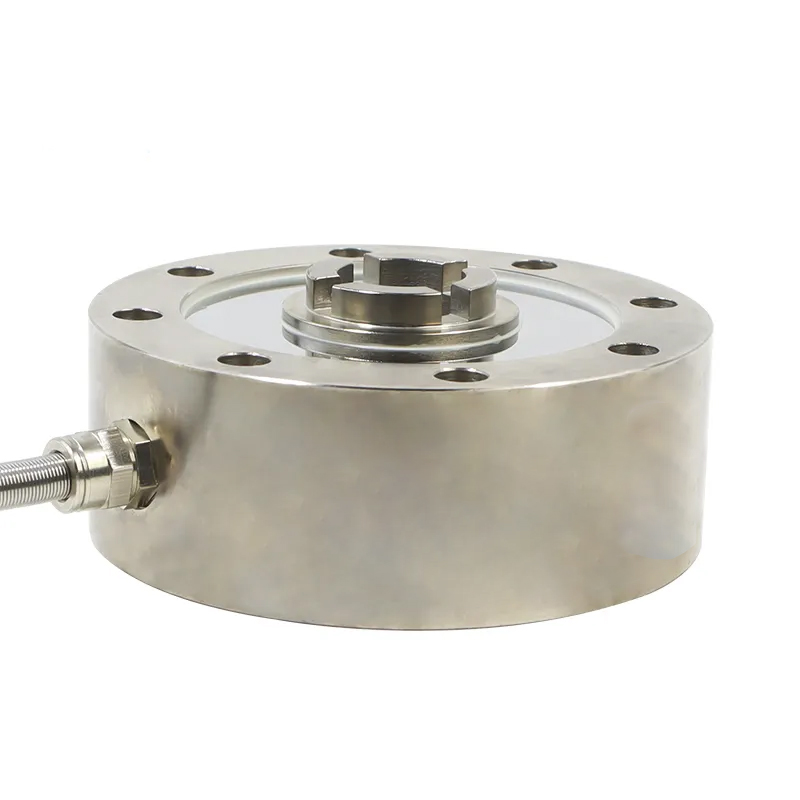
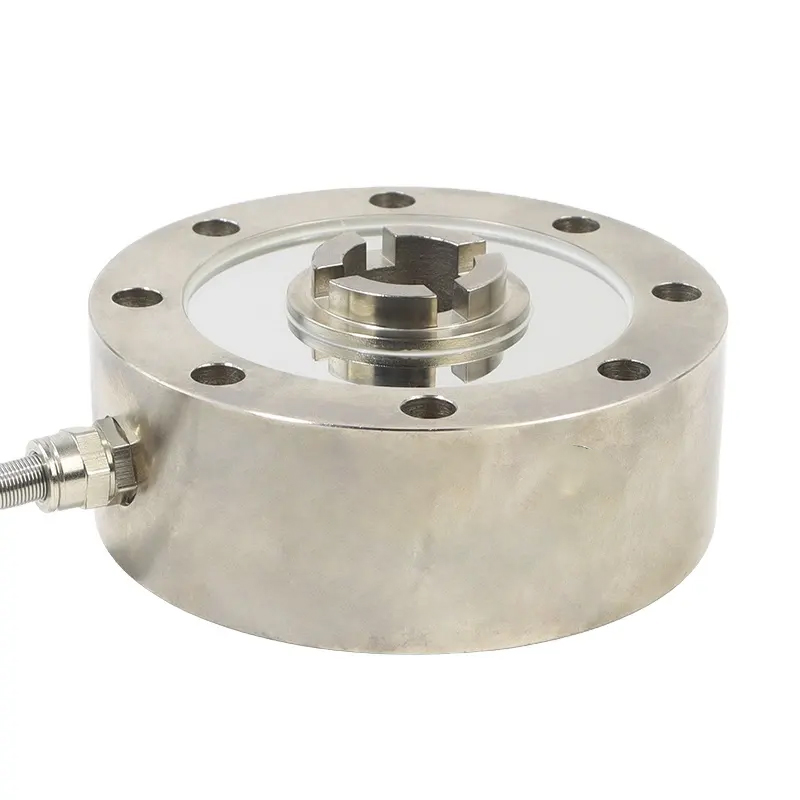
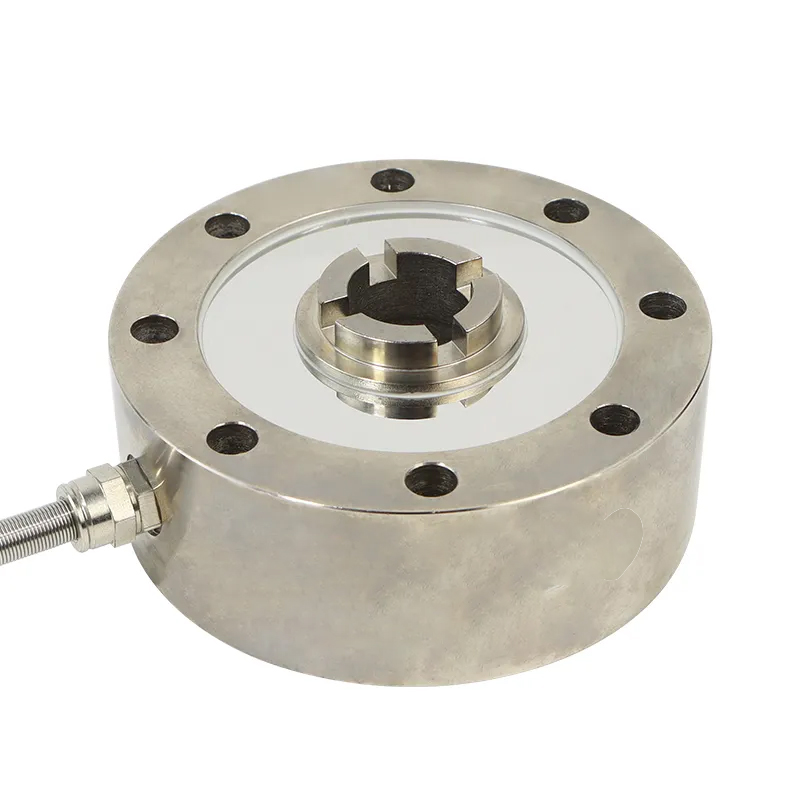
Pancake load  cells are essential components in  various industrial applications, offering precise measurements of force and  weight  in compact designs. As a purchasing manager or engineer, understanding  the nuances of selecting  the right  pancake load cell is crucial for  ensuring operational  efficiency and  accuracy in  your  projects. This article  will address  key  considerations in choosing, sourcing, installing, and evaluating  pancake load cells,  providing valuable insights  to  help you make informed decisions.

 
Where to Source Reliable Pancake Load Cells for Distributors

Where to Source Reliable Pancake Load Cells for Distributors

Sourcing pancake  load cells requires diligence to ensure  reliability and quality. Start by seeking manufacturers with a proven track record in load cell production. Companies like JIANGXI JINGCE SENSING TECHNOLOGY  CO., LTD., known for their high-precision load cells and  robust quality  control processes, are excellent options.


When evaluating  potential suppliers,  consider their certifications, such as  CE and RoHS,  which indicate  compliance with international  safety and environmental standards. This compliance is particularly  important if your  applications fall within regulated industries.

Additionally, inquire about the supplier's production  capabilities and customization  options. A manufacturer that offers OEM/ODM solutions  can provide  tailored products that meet specific project requirements, enhancing compatibility and performance.


Finally, assess  the supplier's customer support and warranty provisions. Reliable manufacturers should offer comprehensive technical support, ensuring that any issues can be resolved quickly and efficiently.

Installation Guidance for Pancake Load Cells in Industrial Applications

Installation Guidance for Pancake Load Cells in Industrial Applications

Correct installation of pancake load cells is vital to ensure their performance and accuracy.  Begin by  preparing the installation site, ensuring that the mounting surfaces are clean, flat, and capable  of supporting the load cell’s weight and  operational stress.

When  installing  the load cell, follow the  manufacturer's guidelines regarding torque specifications  for mounting bolts. Over-tightening can  cause damage or misalignment, leading to inaccurate measurements. It's essential to use appropriate  fixtures and  fittings that are compatible with the load cell's design.

Wiring  and connections  should also be executed with care. Ensure that the electrical connections are secure and that any environmental seals are properly installed to protect against moisture and contaminants.  If the load cell is part of a system with multiple sensors, consider using a  signal conditioning device to ensure accurate readings.


Post-installation, conduct a  thorough calibration process to verify that the load cell  is functioning correctly within the specified range. This step is  crucial for ensuring measurement accuracy and may involve applying known weights to check the load  cell's response.

Material Advantages of Pancake Load Cells for Enhanced Performance

Material Advantages of Pancake Load Cells for Enhanced Performance

The materials used in pancake load cells  significantly  influence their performance,  durability, and suitability for various  applications. Typically,  these load cells are constructed from high-strength alloys or stainless steel, which provide excellent resistance to deformation  under heavy loads.

Stainless  steel,  in particular, is preferred in environments exposed  to corrosion or extreme temperatures due to its robustness and longevity. Additionally, some  load cells may feature specialized coatings that enhance resistance to  chemicals or abrasion, making them suitable  for industries like food  processing or pharmaceuticals.

The choice  of material also affects the load cell's thermal stability. For applications where  temperature fluctuations  are common, selecting a load cell with materials that minimize thermal  drift is essential to maintain measurement accuracy.

Finally, consider the  weight and size of the load cell. Pancake load cells  are designed to be compact, allowing for easy integration into  existing systems without requiring significant space modifications. This is particularly beneficial in applications with space constraints.

What Buyers Should Know Before Ordering

Before placing an order for pancake load cells, buyers should be prepared with specific information to  streamline the procurement  process. First, clearly define the project requirements, including load capacity,  accuracy, and environmental conditions.


When requesting a quotation, provide  details such as the expected  operating environment, any required certifications, and potential  customization needs. This enhances the manufacturer’s ability to recommend suitable models and ensure that  all specifications  are aligned with your expectations.


It’s  also  wise to inquire about the minimum order quantities (MOQ) and lead times, as these can vary significantly  between manufacturers. Understanding these factors will help in planning  and budgeting for your project.

Lastly,  consider requesting  samples for testing before committing to a large order. This allows for verification of the load cell's performance under actual operating conditions, reducing the risk  of issues during mass production.

By following these guidelines, buyers can make informed decisions  that enhance the efficiency and  reliability of their operations involving pancake load cells.


Choosing the Right Pancake Load Cell for Your Project Needs

Selecting the appropriate pancake load cell requires  careful consideration of  several factors. First, assess  the load capacity required for your application. Pancake load cells come in various capacities, typically ranging from a few kilograms  to several tons, making it crucial to match the load cell’s specifications with  your operational  demands.

Next, consider the accuracy and resolution of the load cell. High-precision  applications, such as those in the aerospace or medical sectors, may require load cells with lower tolerances  and enhanced sensitivity. Understanding  the specific  measurement  range and the required accuracy will  help you  avoid underperformance or over-specification. For more details on different types of load cells, you may refer to the Load cell section.

Additionally, environmental conditions play a significant role in  your choice of pancake load cell. Factors such as temperature fluctuations, humidity, and exposure to chemicals or dust should be evaluated. Load cells designed for  harsh conditions may feature protective  coatings or enclosures, which can be critical for  maintaining performance and longevity.

Lastly, think about the compatibility of the load  cell with your existing systems. Ensure that the electrical output matches your data acquisition system, and consider the physical dimensions to confirm that it can  be integrated into your  machinery without requiring extensive modifications.


Frequently Asked Questions

What is a pancake load cell used for?

A pancake load cell measures compressive and tensile forces in confined spaces, ideal for weighing, lifting, automation, and testing applications requiring low profile, high precision sensing.
We offer a range of capacities and high-precision accuracy classes; specific options depend on model. Contact us for detailed capacity and accuracy specifications for your application.
Yes. Our load cells carry CE and RoHS certifications, ensuring compliance with relevant safety and environmental standards.
Yes. We offer OEM/ODM solutions and can customize mechanical dimensions, mounting, electrical connections, and calibration to meet industry requirements.
We provide technical support for installation, wiring, signal conditioning, and calibration guidance. Assistance for system integration in lifting, weighing, automation, and new energy projects is available.

Get a Free Quote

Our representative will contact you soon.
0/1000