Essential Guide to 20kg Load Cells for B2B Buyers

application/load-cell-20kg, application/load-cell-20kg, 
Inquiry
Inquiry

load cell 20kg

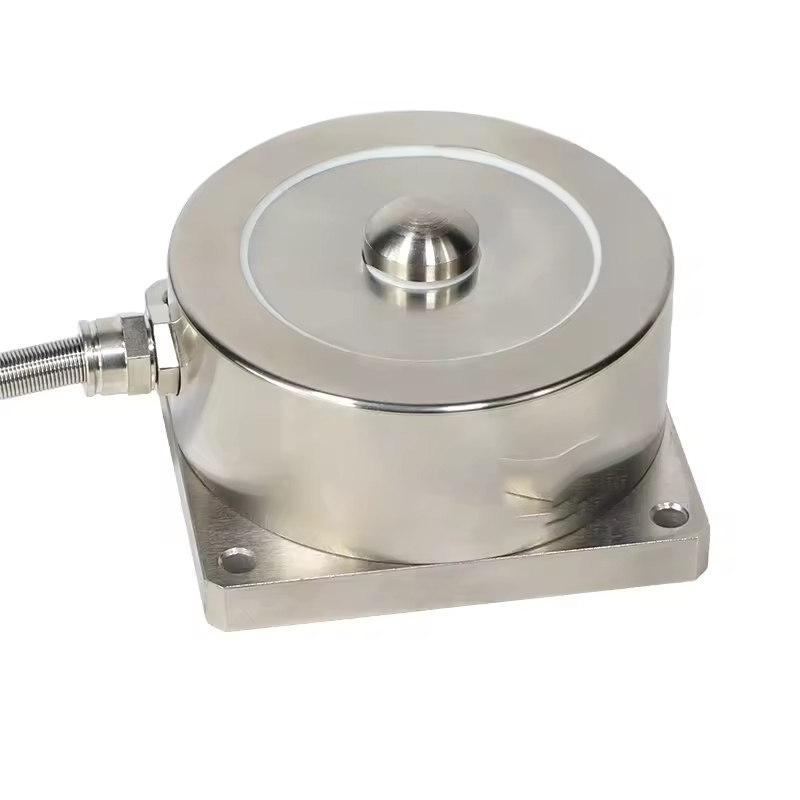
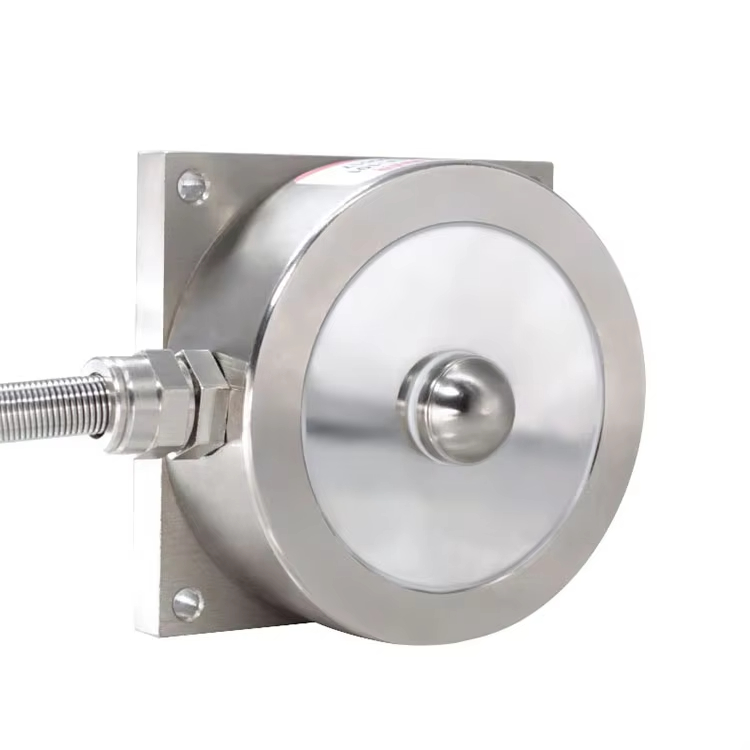
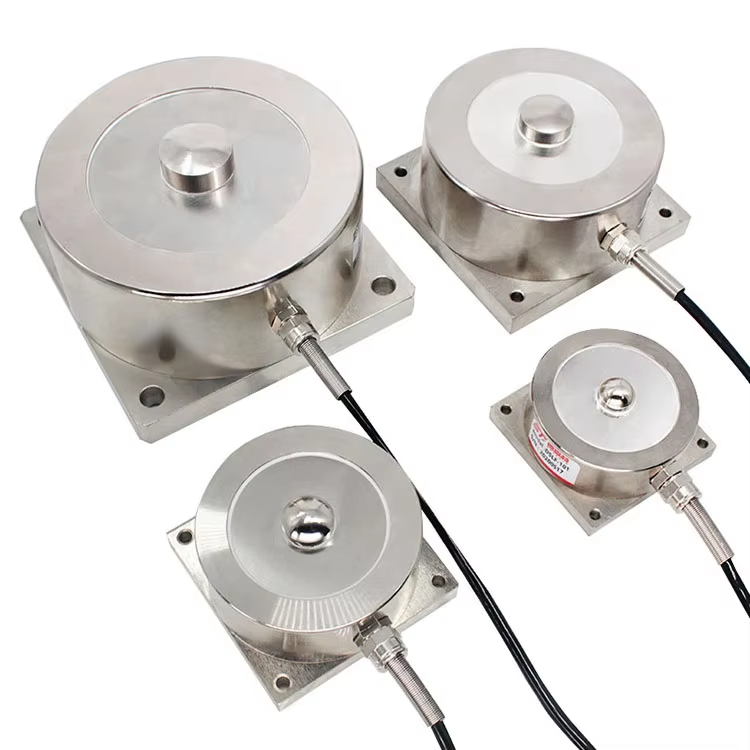
Load cells are critical components in  various  industrial applications, particularly in weighing  and force measurement systems. The load  cell 20kg is designed to  measure  weights  up  to 20 kilograms  with high precision, making it suitable for a  range of  uses  in manufacturing, automation, and other sectors. This article will address key  considerations for B2B buyers, such as  specifications, sourcing  options,  cost factors,  installation  challenges,  and applications relevant to  the 20kg load cell.

Where to Source Reliable Wholesale 20kg Load Cells for Your Business

Where to Source Reliable Wholesale 20kg Load Cells for Your Business

Sourcing reliable wholesale 20kg load cells involves identifying reputable suppliers known for quality and reliability. Here  are some  effective strategies:

Manufacturer Directories: Utilize  online  directories and  platforms that list verified  manufacturers. This can include  specialized  industrial and electronics supplier websites. Trade Shows: Attending industry trade shows  can provide direct access to manufacturers  and allow you  to assess product quality firsthand. Industry  Recommendations: Seeking recommendations from industry peers  can  lead you to suppliers with a proven track record  in load cell manufacturing. Certifications: Ensure that suppliers have relevant  certifications such as CE and RoHS, which  indicate compliance with safety and environmental standards. This can be a good indicator of quality  and reliability. Additionally, consider suppliers that offer a Customizable PMC Sensors Load Cell Transmitter for tailored solutions to your specific needs.

Once potential suppliers are identified, buyers  should request  samples and specifications to evaluate quality before placing bulk orders.

Cost Considerations When Purchasing 20kg Load Cells in Bulk

Cost Considerations When Purchasing 20kg Load Cells in Bulk

Cost is a significant  factor for B2B buyers considering bulk purchases of 20kg load cells. When evaluating  pricing, consider  the following factors:

Volume Discounts: Many  manufacturers offer tiered pricing based  on order quantity. Understanding the minimum order  quantities  (MOQ) can help  in negotiating better prices. Customization Costs: If customized specifications are required, additional costs may be incurred. Buyers  should outline their  needs clearly to get accurate quotes. Shipping  and Handling Fees: These can vary significantly based on the supplier's location and  shipping method. It is crucial to factor these costs into the total expense.  Quality Assurance: Investing in higher-quality load cells may have a  higher upfront cost  but  can lead to reduced failures and maintenance  costs  in the long run.

Buyers should also consider the total cost  of ownership, not just the initial purchase price, to ensure they are making a financially sound decision.

 
Common Installation Challenges with 20kg Load Cells and Their Solutions

Common Installation Challenges with 20kg Load Cells and Their Solutions

Installing a 20kg load cell can present several  challenges. Below are common issues and  their respective solutions:

  Alignment Issues: Improper alignment  can  lead to inaccurate  measurements.  It is essential to mount the load cell  according to the manufacturer’s guidelines and ensure that the load is applied evenly. Environmental Conditions: Exposure to moisture or extreme temperatures can affect performance. Selecting  load  cells with appropriate ingress protection ratings (like IP67) can mitigate  these risks. Electrical Interference: Load  cells can  be sensitive to electrical noise, which  may affect readings. Using shielded  cables  and ensuring proper grounding  can  help reduce interference. 

Prior to installation, it is  advisable to conduct a thorough review of the installation environment and requirements to address these challenges proactively.

Applications of 20kg Load Cells in Various Industries and Sectors

20kg load cells are versatile and find applications across multiple industries. Some notable  applications include:

Manufacturing and Production: Used in  assembly lines to monitor product weights, ensuring  quality control and compliance with specifications. Logistics and Warehousing: Essential for weighing packages  and inventory management to optimize storage and transportation logistics. Food and Beverage: Used in weighing ingredients accurately during the manufacturing process,  helping to maintain  consistency and quality. Research  and Development: Employed in laboratory settings for precise measurements in experiments and product testing. Additionally, incorporating advanced solutions like the High Performance Torque Sensor can enhance measurement accuracy in research applications.

Understanding the specific industry applications can guide  buyers in selecting the right load cell  features tailored to their needs. This ensures optimal performance and reliability  in their respective operations.

the 20kg load cell is  a crucial component  in various industrial applications,  and understanding its specifications, sourcing  options,  cost factors,  installation  challenges, and applications can  significantly assist B2B buyers in  making informed purchasing decisions.  By focusing on these aspects, businesses can ensure they select the right load cells that meet their operational needs effectively.

Understanding Load Cell Specifications for 20kg Applications

When evaluating a 20kg load cell,  several specifications are essential to ensure it meets your  application needs. Key specifications include:

Capacity: The maximum load the  cell can handle. For a 20kg load cell, this should be verified against  the expected maximum load in your application to avoid overstressing the sensor. Accuracy: This is often  expressed as a percentage of  the full-scale output. High accuracy  ensures  that the load  measurements are reliable, which is crucial in applications where precision is paramount. Output Signal: Load cells typically output a signal in mV/V. Understanding the output type helps in ensuring compatibility with  your  data acquisition system.  Material: The construction material can affect the load cell's durability and  performance in  certain environments. Common  materials  include aluminum and stainless steel,  with stainless steel being more  suitable for harsh or corrosive environments.

Buyers should confirm that these specifications align with their specific application requirements, as  mismatches can lead to inadequate performance or premature  failure.

Frequently Asked Questions

What is the rated capacity of this load cell?

The load cell is rated for 20 kg nominal capacity, designed for high-precision weighing and force measurement in industrial applications.
High-precision performance with low non-linearity and hysteresis, suitable for accurate weighing; specific accuracy class available on request for OEM/ODM needs.
This load cell complies with CE and RoHS standards, ensuring safety, environmental compliance, and suitability for international markets.
Ideal for lifting, weighing, automation, and new energy systems; designed for industrial environments with proper mounting and protection.
Yes, we provide OEM/ODM customization, wiring and mounting guidance, and technical support to integrate the 20 kg load cell into your system.

Get a Free Quote

Our representative will contact you soon.
0/1000