Key Factors for Sourcing Load Cells Effectively

application/s-load-cell, application/s-load-cell, 
Inquiry
Inquiry

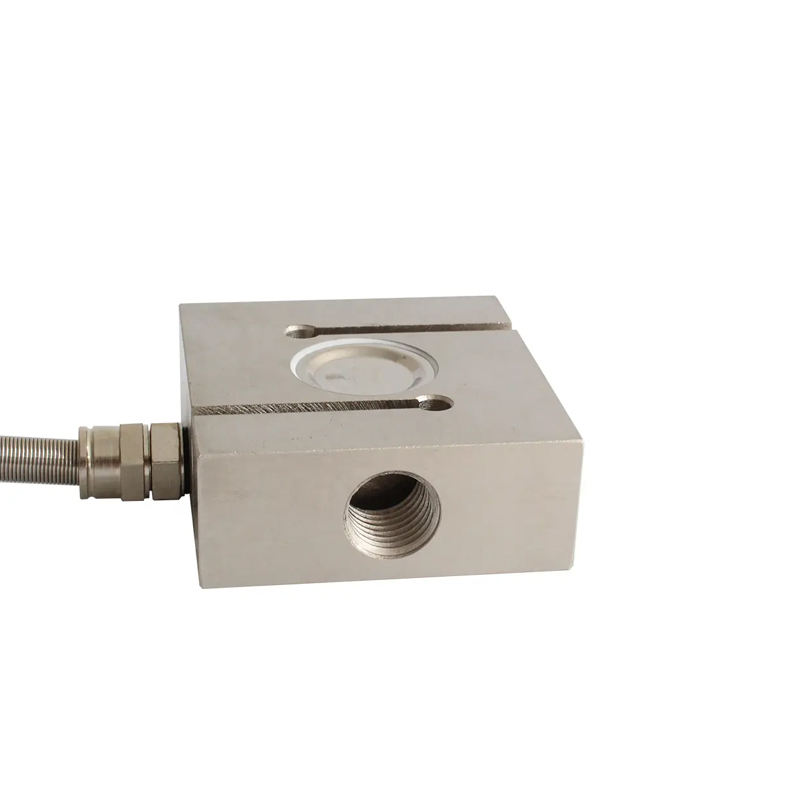
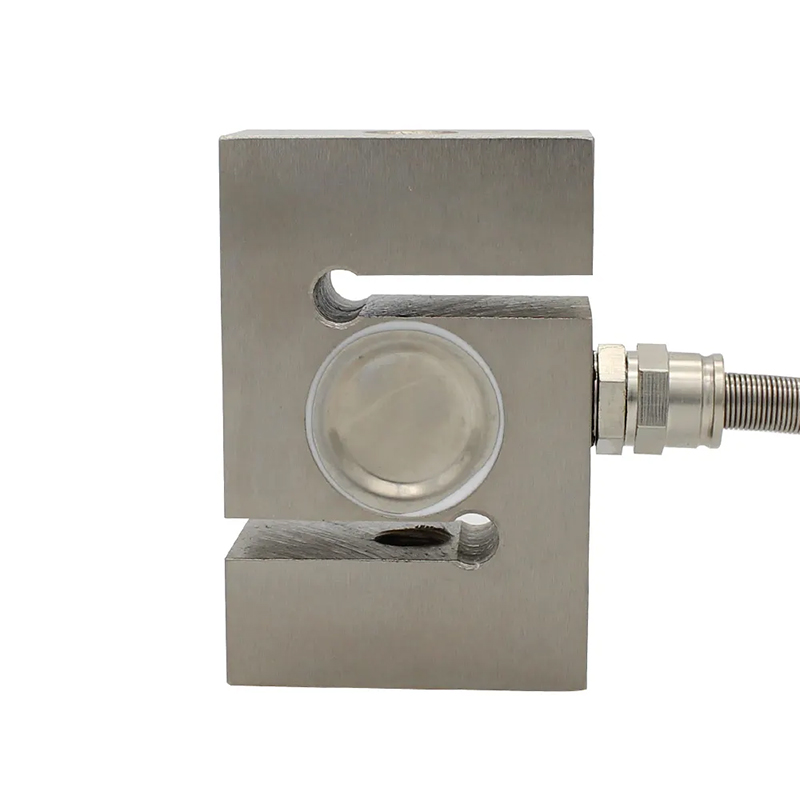
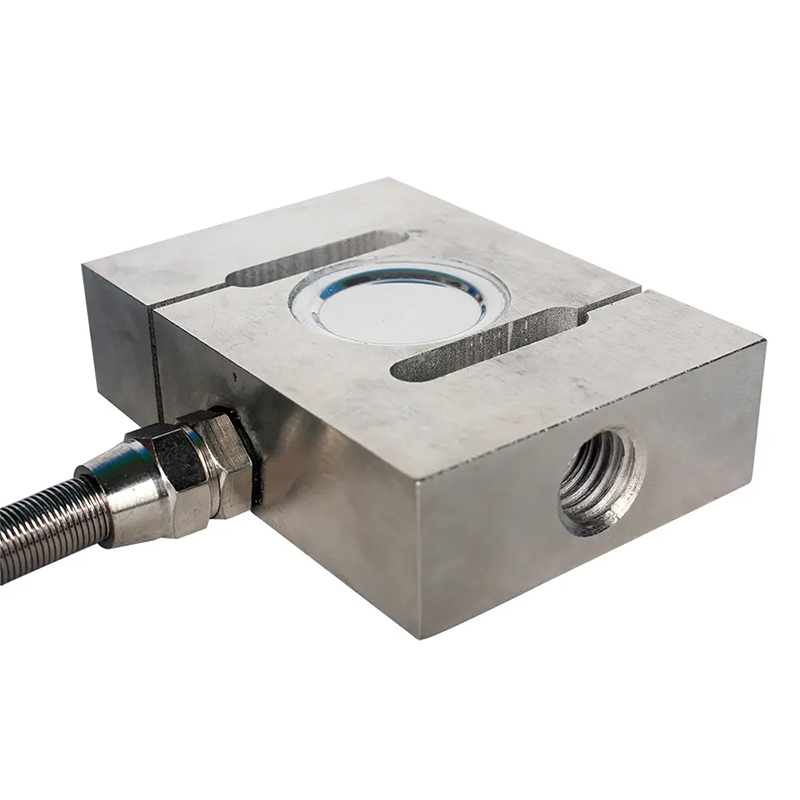
S load cell

Load cells are critical components in various industries, serving as sensors that measure weight or force by converting mechanical force into an electrical signal. As a B2B buyer, understanding load cells involves evaluating specifications, applications, and supplier capabilities. This article will delve into key considerations for sourcing load cells, focusing on practical insights that help buyers make informed decisions while addressing common concerns, such as cost, quality, and application suitability.

Cost Considerations When Sourcing Load Cells in Bulk

Cost Considerations When Sourcing Load Cells in Bulk

When sourcing load cells in bulk, cost considerations play a significant role in the purchasing decision. The price per unit often decreases with larger order quantities due to economies of scale. However, it’s essential to balance cost with quality and performance. 

Buyers should also consider total cost factors beyond the initial purchase price, including shipping costs, import duties, and potential tariffs for international purchases. Additionally, understanding the lead time for bulk orders is vital; longer lead times can affect project timelines and costs. 

It's also worth noting that while opting for the lowest price may seem appealing, it can lead to compromises in quality. Investing in high-quality load cells from reputable suppliers, like PST that offer robust warranties and reliable customer support can ultimately save money in the long run by reducing the risk of failure and associated downtime.

An Overview

An Overview

Load cells are devices that convert force or weight into an electrical signal, which can then be measured and recorded. They are used across various industries, including manufacturing, logistics, and automation, to ensure accurate weight measurements. The primary components of a load cell include the sensing element, which detects the load, and the transducer, which converts the mechanical force into an electrical signal. 

Different types of load cells are available, depending on the application requirements. For instance, tension load cells are used in applications where the load is being pulled, while industrial load cells are used for loads being pushed. This versatility makes load cells an integral part of weighing systems, process control, and load monitoring. 

The choice of materials used in load cell construction can also significantly impact performance. For example, stainless steel is often preferred for its resistance to corrosion, making it suitable for harsh environments. Understanding these materials and their implications for performance and durability is crucial for buyers. 

Key Metrics for Buyers

Key Metrics for Buyers

When evaluating load cells, specific key metrics should be prioritized to ensure the chosen product meets application needs. Here are some critical metrics to consider: 

Load capacity: The maximum weight a load cell can measure. It should be selected based on the expected maximum load in application. 

Accuracy: This indicates how close the measured value is to the true value. High accuracy is vital in applications requiring precise measurements. 

Sensitivity: This refers to the smallest change in load that the sensor can detect. Higher sensitivity is desirable for applications that need to monitor minor weight changes. 

Temperature range: Load cells must operate effectively within specified temperature ranges. Verify that the load cell can withstand the environmental conditions of your application. 

Protection class: This indicates the load cell's resistance to dust and moisture. Look for appropriate IP ratings to ensure functionality in demanding environments. 

Calibration: Load cells must be calibrated to ensure accuracy. Confirm whether the supplier provides calibration services or if you will need to arrange this independently. 

By confirming these metrics before ordering, buyers can ensure their crane load cell will perform effectively in their specific applications.

What to Look For

When sourcing PST load cells, several aspects should be critically assessed to make an informed purchase decision. Start by reviewing product specifications, ensuring that they align with your application requirements. Key specifications to check include: 

Type of load cell: Determine which type suits your application best (e. g., strain gauge, hydraulic).  

Material composition: Consider materials that offer the necessary durability and resistance to environmental factors. 

Manufacturing capabilities: Assess whether the supplier can meet your customization needs, especially for specialized applications. 

Quality control processes: Verify the manufacturer's quality assurance methods to ensure consistency and reliability in production. 

Lead times and MOQs: Understand the manufacturer's capacity to deliver orders on time and any minimum order quantities that may apply. 

Finally, it's crucial to inspect samples before committing to a bulk order. A sample can reveal the load cell's performance under actual operating conditions, allowing you to confirm its suitability for your application. This step can prevent costly mistakes in mass production. 

By focusing on these critical factors, buyers can confidently select load cells that meet their performance and application needs while ensuring a satisfactory purchasing experience. 

Key Factors for Buyers

When sourcing load cells, several factors are essential to ensure the right fit for your application. First, understanding the different types of load cells, such as strain gauge, hydraulic, and pneumatic, is crucial as each type has unique characteristics and applications. Strain gauge load cells, for example, are highly versatile and commonly used in industrial settings due to their accuracy and reliability. 

Next, buyers should consider the load capacity, which refers to the maximum force the bending beam load cell can measure. It’s important to select a load cell with a capacity that comfortably exceeds the expected loads to avoid overloading and potential damage. Additionally, factors like accuracy, repeatability, and environmental conditions (such as temperature and humidity) should be assessed to ensure optimal performance in your specific application. 

Finally, potential buyers should evaluate the manufacturer's experience and certifications. For instance, PST is CE and RoHS certified, indicating compliance with international standards, which adds an extra layer of trustworthiness to their products.

Frequently Asked Questions

What is the S load cell used for?

The S load cell measures tension and compression forces in lifting, weighing, automation, and new energy applications where high precision is required.
S load cells provide high-precision outputs with stable analog or digital signals; specific accuracy and output options depend on model and customization.
Yes. Our S load cells meet CE and RoHS standards and undergo strict QC to ensure reliability for industrial applications.
Yes. We provide OEM/ODM solutions including custom capacities, connectors, calibration, and mounting to meet project requirements.
We supply datasheets, calibration certificates, installation guides, and technical support for integration and commissioning worldwide.

Get a Free Quote

Our representative will contact you soon.
0/1000