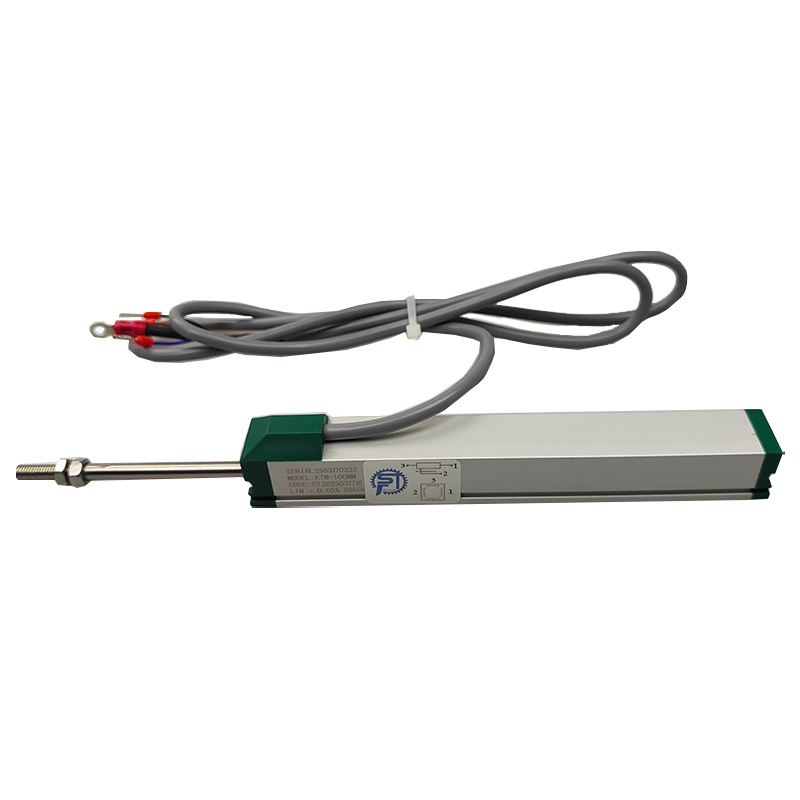
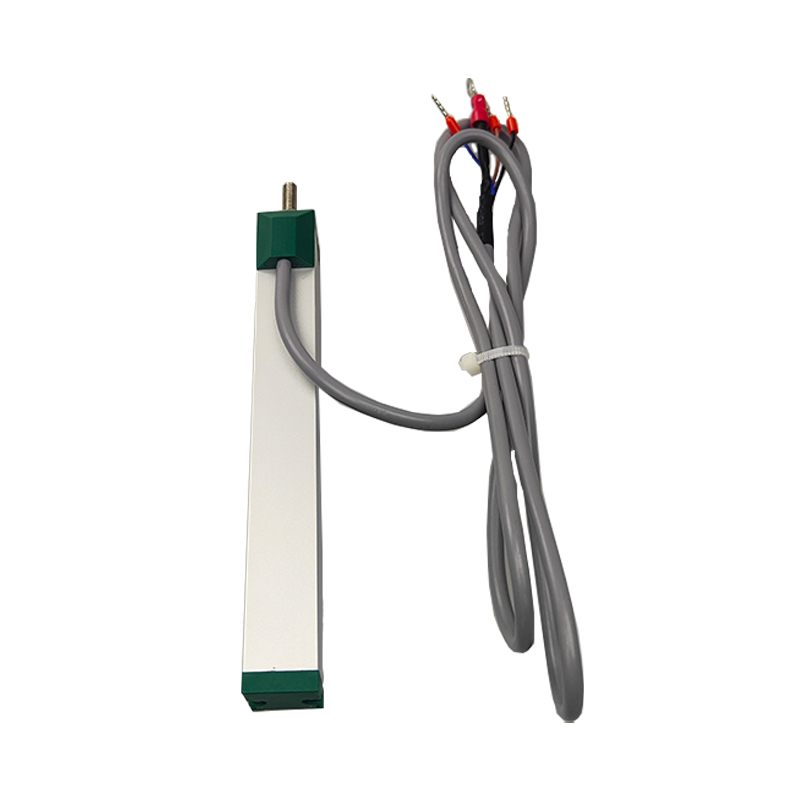
Linear Displacement Sensors: Features and Applications

application/linear-displacement-sensor, application/linear-displacement-sensor, 
Inquiry
Inquiry

Linear displacement sensor

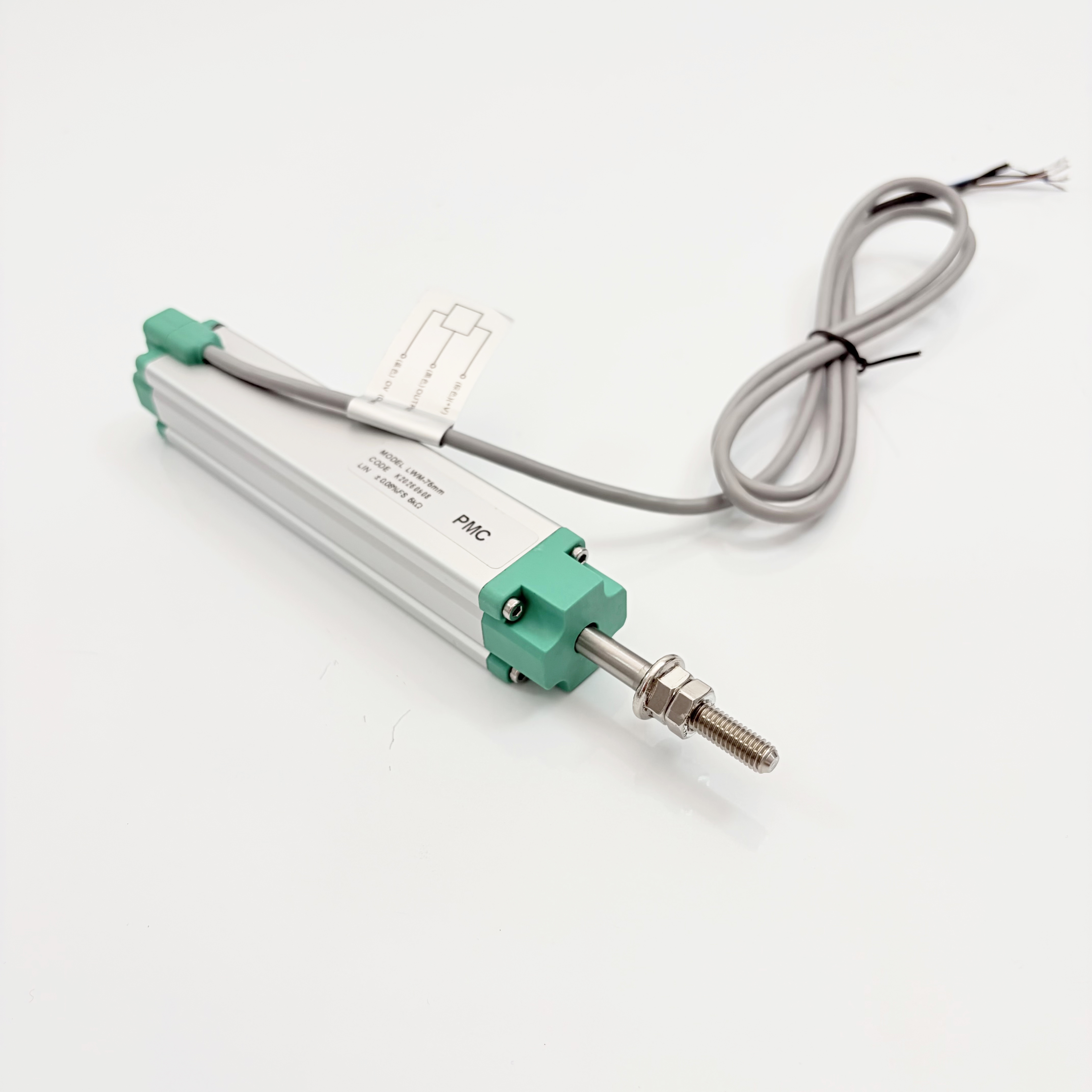
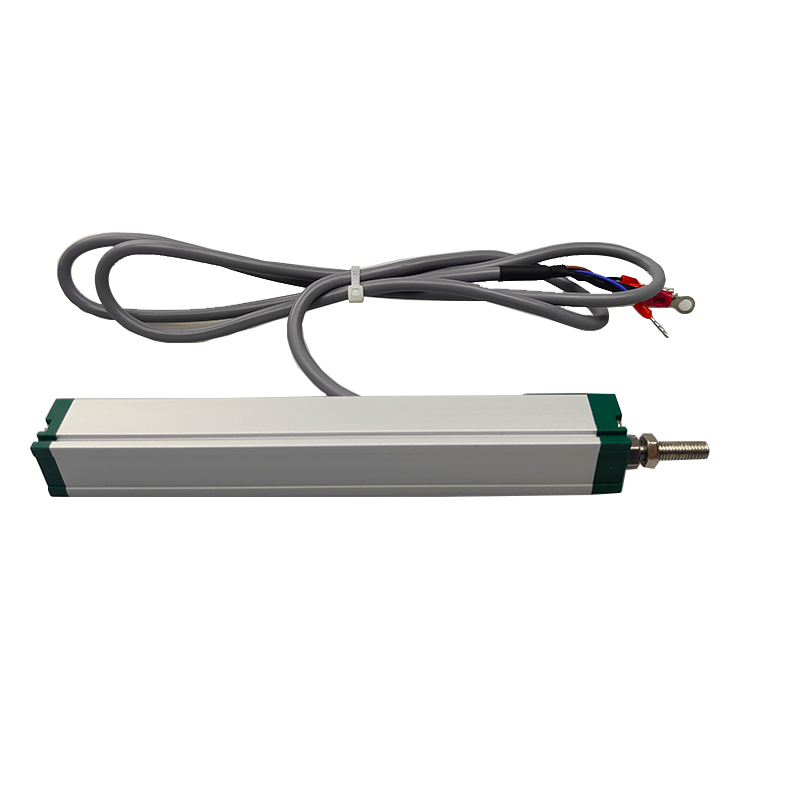
Linear displacement sensors are vital components in various industrial applications, providing precise measurement of linear movement. As a purchasing manager or engineer, understanding the intricacies of these digital load cell weight sensor is key to selecting the right product for your needs. This article addresses common buyer concerns, including installation issues, features, cost considerations, applications, and essential specifications to help you make informed purchasing decisions. This article will help you to understand the product more, so keep on reading it all. This will explain things about this product for you to understand this more. 

Features and Benefits Overview

Features and Benefits Overview

Linear displacement sensors offer a range of features that enhance their usability across various applications. Key specifications include: 

Measurement Range: The distance over which the sensor can accurately measure linear movement. Selecting the right measurement range is critical for applications with specific movement requirements. 

Resolution: This refers to the smallest change in position that the sensor can detect. High-resolution sensors provide more precise measurements, which is often necessary in applications like robotics or automation. 

Output Signal: Many sensors offer different output options, such as analog, digital, or wireless signals. The choice of output can affect compatibility with existing systems and ease of integration. 

Durability: Materials and construction quality determine a sensor’s durability. Choosing a sensor with robust materials ensures it can withstand harsh industrial environments. 

The primary benefits of using linear displacement sensors include improved accuracy, reduced downtime due to maintenance, and enhanced automation capabilities. These attributes can lead to increased efficiency and productivity across various applications.

Cost Considerations for Bulk Orders of Linear Displacement Sensors

Cost Considerations for Bulk Orders of Linear Displacement Sensors

When considering bulk orders of PST linear displacement sensors, the total cost can be influenced by several factors beyond just the unit price. The first factor is the Minimum Order Quantity (MOQ); manufacturers often provide cost benefits for larger orders, which can be a deciding factor for bulk purchasing. 

Shipping costs also play a significant role in total expenses. Evaluating shipping options and choosing suppliers with favorable logistics can lead to substantial savings. Additionally, customs duties and taxes may apply for international orders, so it’s essential to factor these into the overall cost. 

Another consideration is the potential for customization. If your application requires specific modifications to the sensors, this may increase the overall cost. However, customized solutions can result in better performance tailored to your specific needs, justifying the additional expense. 

Moreover, maintaining a long-term relationship with a supplier may yield volume discounts or preferential pricing structures. Establishing such relationships can be advantageous for ongoing projects requiring multiple weight sensing sensor types or replacements.

Applications of Linear Displacement Sensors in Industrial Settings

Applications of Linear Displacement Sensors in Industrial Settings

Linear displacement sensors are utilized in various industrial applications, including: 

Automation and Robotics: In automated systems, these sensors provide essential feedback for positioning and movement control, contributing to enhanced accuracy in tasks such as assembly and packaging. 

Material Handling: They are used to monitor the position of conveyor belts, lifts, and other equipment, ensuring the smooth transfer of materials. 

Manufacturing Processes: In machining and fabrication, linear displacement sensors help ensure that components are produced within specified tolerances, thereby improving quality control. 

Testing and Measurement: These sensors are integral to testing systems that require precise measurement of movement, such as in quality assurance processes. 

The versatility of linear displacement sensors allows them to be tailored for specific applications, enhancing their effectiveness and efficiency.

What to Look for in Linear Displacement Sensors

When selecting PST linear displacement sensors, consider several critical factors. This product is so amazing, you will surely love to have this kind of product: 

Specification Compliance: Ensure that the sensors meet industry standards and certifications relevant to your application, such as CE/RoHS for safety and environmental compliance.  

Material and Construction: Depending on the operating environment, materials should be chosen for their durability and resistance to factors like moisture, chemicals, and temperature variations. 

Compatibility: Confirm that the sensor's output type is compatible with your existing systems and that it can easily integrate into your automation processes. 

Support and Warranty: Evaluate the manufacturer's support services, including warranty terms. A robust support system can be invaluable for troubleshooting and maintenance. 

Additionally, consider requesting samples prior to bulk orders to test the sensors under actual operational conditions. This step can help identify any potential issues before committing to a large purchase, ensuring that the sensors will meet your performance expectations. 

By keeping these considerations in mind, you can make informed decisions that align with your operational requirements and quality standards.

Common Installation Problems with Linear Displacement Sensors and Solutions

Installing PST linear displacement sensors can present several challenges that, if not addressed, could affect their performance. One common issue is misalignment during installation. Sensors need to be aligned correctly with the measurement axis to ensure accurate readings. Misalignment may cause measurement errors or sensor damage over time. To mitigate this, it's essential to use mounting tools that facilitate precise alignment and to conduct a preliminary check before finalizing the installation. 

Another frequent problem is improper wiring, which can lead to faulty readings or industrial weight sensor failure. Ensuring the electrical connections are secure and that the wiring adheres to the manufacturer's specifications can help prevent these issues. Utilizing connectors that are rated for the specific environment—whether it be hazardous, wet, or high-temperature—further protects the sensor's integrity. 

Additionally, environmental factors such as vibration or temperature fluctuations can impact sensor performance. Implementing vibration dampeners or selecting sensors with appropriate temperature ratings can enhance reliability and longevity.

Frequently Asked Questions

What is the linear displacement sensor used for?

It measures linear position or movement with high precision for lifting, weighing, automation, and new energy equipment integration.
Our sensors offer high precision suitable for industrial applications; specific accuracy and resolution depend on model—contact us for model specifications.
Yes. We provide OEM/ODM customization and support for seamless integration into your products and systems.
Our products meet CE and RoHS requirements and are manufactured under strict quality controls to ensure reliable performance.
We provide technical support, calibration guidance, warranty service, and assistance with installation and customization for optimal operation.

Get a Free Quote

Our representative will contact you soon.
0/1000