Choosing the Right Industrial Weight Sensor

application/industrial-weight-sensor, application/industrial-weight-sensor, 
Inquiry
Inquiry

industrial weight sensor

Industrial weight sensors  play  a crucial role in various  sectors, including  manufacturing, automation, and energy management.  These devices measure weight or  force with high precision, ensuring  that  systems operate effectively and safely. For B2B buyers, concerns  often revolve around accuracy, durability, cost, and compatibility  with existing systems.  This article aims to  guide purchasing managers and engineers  in selecting the right industrial  weight sensor, understanding cost  factors, addressing common issues,  exploring  material advantages, and  identifying  reliable suppliers.

 
Cost Factors to Consider When Buying Weight Sensors in Bulk

Cost Factors to Consider When Buying Weight Sensors in Bulk

Cost is a significant consideration for any purchasing decision, especially when buying industrial weight sensors in bulk. Various factors can influence pricing, including the complexity of the sensor design,  materials  used, and the  manufacturing process. 

For instance, high-precision sensors often require advanced technology  and rigorous quality control measures, which can drive  up costs. However, investing in quality sensors can lead to  savings  in  the long run, as they reduce the likelihood of errors  and associated downtime.  Bulk purchasing may  also provide opportunities for  discounts, so it is beneficial to discuss pricing  structures  with  suppliers.

Additionally,  consider the total cost of ownership, which includes installation,  maintenance, and potential replacement costs. Sensors that are easier to install  or require less frequent calibration may present a lower long-term cost, despite a higher upfront price. Always request detailed quotations that  outline these aspects when engaging with suppliers.

Common Problems with Weight Sensors and Effective Solutions

Common Problems with Weight Sensors and Effective Solutions

Weight sensors, while generally reliable, can encounter  various  issues that affect performance. Common problems include inaccurate readings, environmental interference,  and  mechanical damage. Inaccurate readings can often  be  traced back to calibration issues, so regular calibration and  maintenance  are crucial for ensuring ongoing accuracy.

Environmental  factors  such as humidity, temperature fluctuations, and electromagnetic interference can  also impact sensor performance. To  mitigate these  risks, it is advisable to choose sensors designed for  specific environmental conditions. For instance,  sensors with robust enclosures can help protect  against moisture and dust.

Mechanical damage during  handling or installation is another concern. Implementing proper handling protocols  and ensuring that installation procedures are followed can significantly reduce the  risk of damage. Additionally, using protective casings or mounting solutions can enhance durability and prolong the life  of the sensors.

Understanding the Advantages of Different Materials in Weight Sensors

Understanding the Advantages of Different Materials in Weight Sensors

The materials used in the construction  of industrial weight sensors directly affect their performance, durability, and  suitability for  specific applications. Common materials include  stainless  steel, aluminum,  and various polymers, each offering distinct advantages.

Stainless steel is favored for its strength and resistance to corrosion, making it ideal for  harsh industrial environments. Aluminum, while lighter and often  less  expensive, may  not offer  the same level of durability under extreme conditions. In applications where weight is a critical factor,  aluminum sensors can be beneficial.


Additionally, the choice  of materials can impact the sensor's sensitivity and response time. For example, sensors with  strain gauge elements may employ  specialized alloys that  enhance performance characteristics. When selecting materials, consider the specific application requirements, including load  capacity, temperature  range, and chemical exposure.


Where to Find Trusted Suppliers for Industrial Weight Sensors

Finding a reputable  supplier for industrial weight sensors is critical to ensuring quality and reliability. Start by researching manufacturers with a proven track record in the industry. Look for  companies that offer comprehensive product  information, including specifications, certifications, and case studies demonstrating their products in  real-world applications.

Trade shows and  industry exhibitions can also serve as valuable venues  for connecting  with suppliers.  These events provide opportunities to see products firsthand, ask questions, and discuss specific needs. Additionally, online directories and professional  networks can help identify  established manufacturers and distributors.

When evaluating potential suppliers,  consider  factors such as manufacturing capabilities, quality control processes, and customization options. Companies like JIANGXI JINGCE SENSING TECHNOLOGY CO., LTD. highlight their certifications  and global reach, which can provide reassurance about  their commitment  to quality and service.

selecting the right industrial weight sensor involves careful consideration of application  requirements, cost  factors, material  advantages, and supplier reliability. By understanding these elements, B2B buyers can make informed decisions that  align with their operational needs and budget  constraints.

Choosing the Best Industrial Weight Sensor for Your Needs

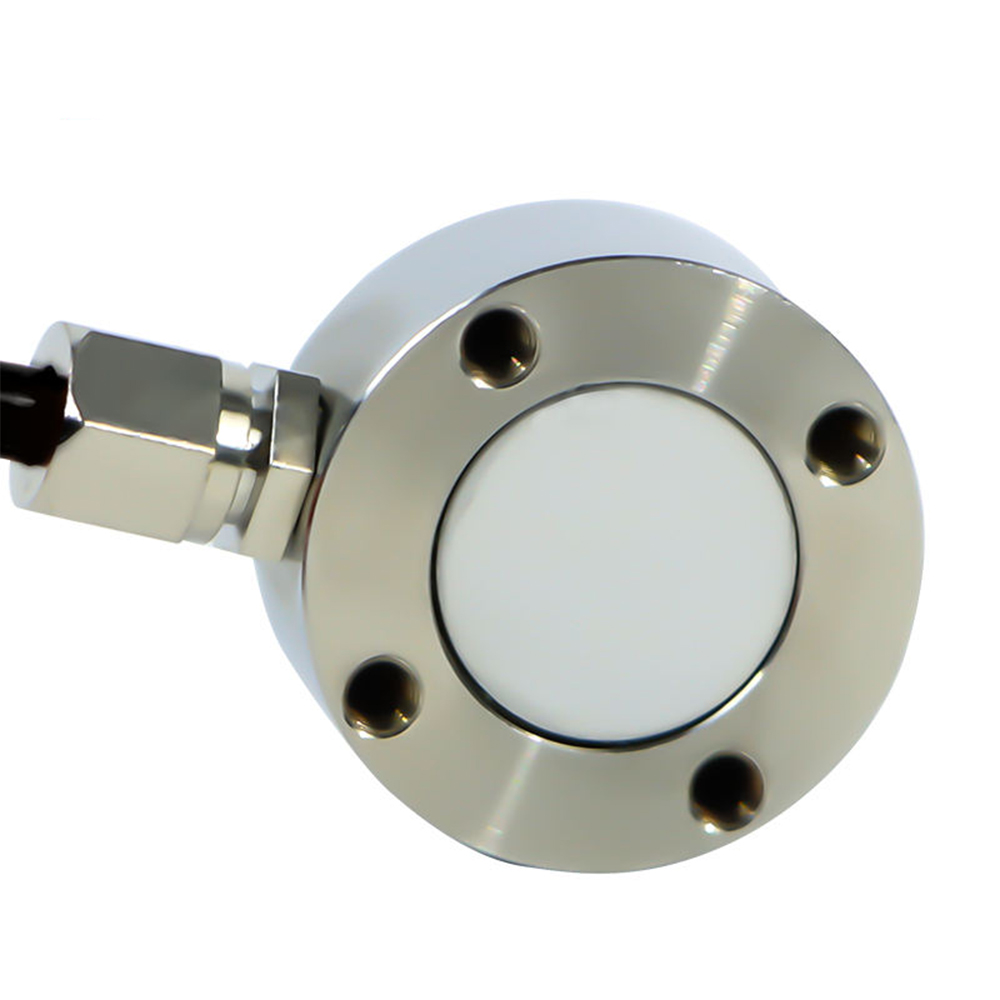
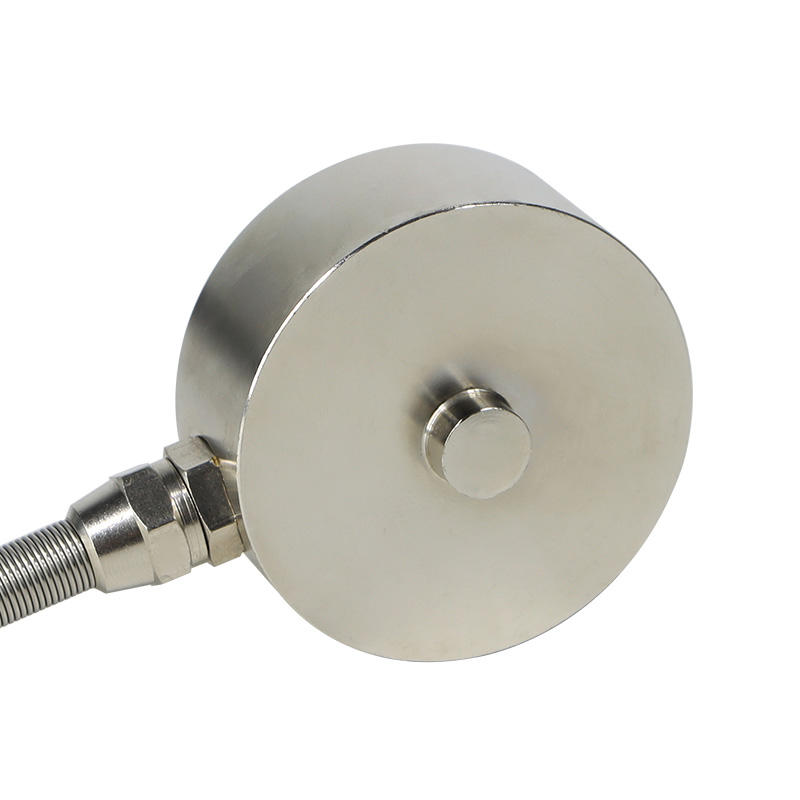
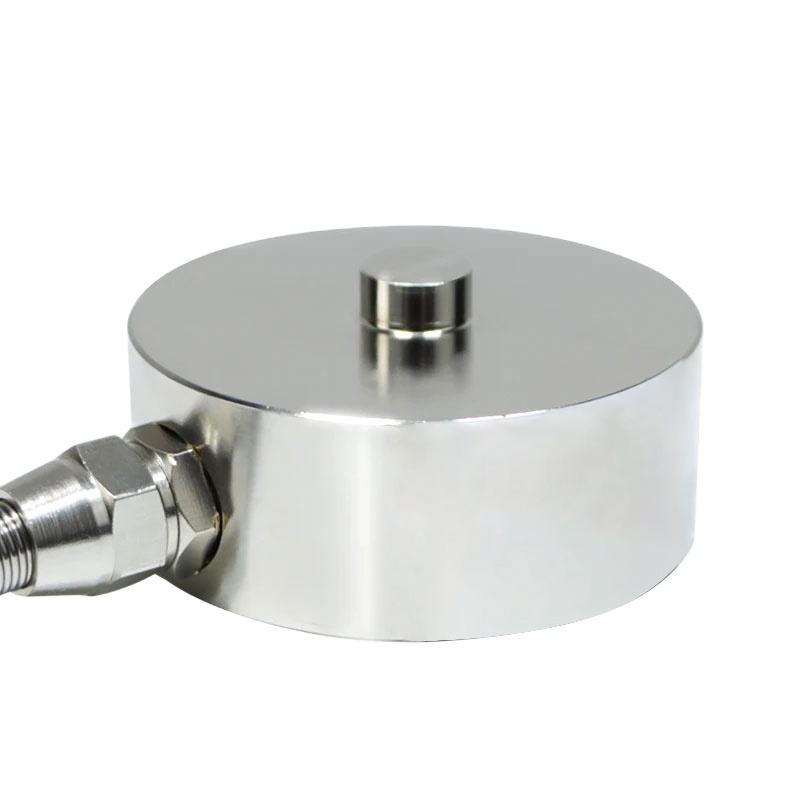
When selecting an industrial weight sensor, it’s essential to consider the specific  application and  environment in which it will be used. Factors such as load capacity, accuracy, and  operational environment significantly influence  the choice. For  instance,  if the sensor will  be exposed to harsh conditions—like extreme temperatures or corrosive substances—selecting  a sensor  with appropriate environmental sealing and materials is critical. For example, using a high-quality Load cell can ensure better performance in these conditions.

Load cells are one of the most common types of industrial weight sensors, available in  various  configurations such as tension, compression, and  bending beam types. Each type has its advantages; for example, compression load cells are ideal for measuring static loads, while tension load  cells are better suited for dynamic applications. It’s also important to assess  the sensor's  output  signal type (e.g., analog or digital) to ensure compatibility with the data acquisition system in use. Additionally, consider integrating advanced systems like an Incremental encoder to enhance the accuracy of your weight measurements.

Additionally, consider the sensor's calibration and certification standards. Sensors with  CE and RoHS  certifications, like those offered by JIANGXI JINGCE SENSING TECHNOLOGY CO., LTD., provide assurance of product quality and  compliance  with industry regulations.

Frequently Asked Questions

What is an industrial weight sensor used for?

An industrial weight sensor measures load or force in lifting, weighing, automation, and new energy applications to provide precise weight data for control and monitoring systems.
Our sensors offer high-precision performance and come with CE and RoHS certifications to meet safety and regulatory requirements.
Yes. We provide OEM/ODM solutions including tailored calibration, mounting, output options, and housing to fit specific industrial needs.
We support standard analog and digital outputs, plus wireless dynamometer options for easy integration into PLCs, data loggers, and control systems.
Contact our sales or technical team with application details and requirements; we will provide configuration advice, lead time, and a formal quotation.

Get a Free Quote

Our representative will contact you soon.
0/1000