Choosing a Digital Compression Load Cell: Key Factors

application/digital-compression-load-cell, application/digital-compression-load-cell, 
Inquiry
Inquiry

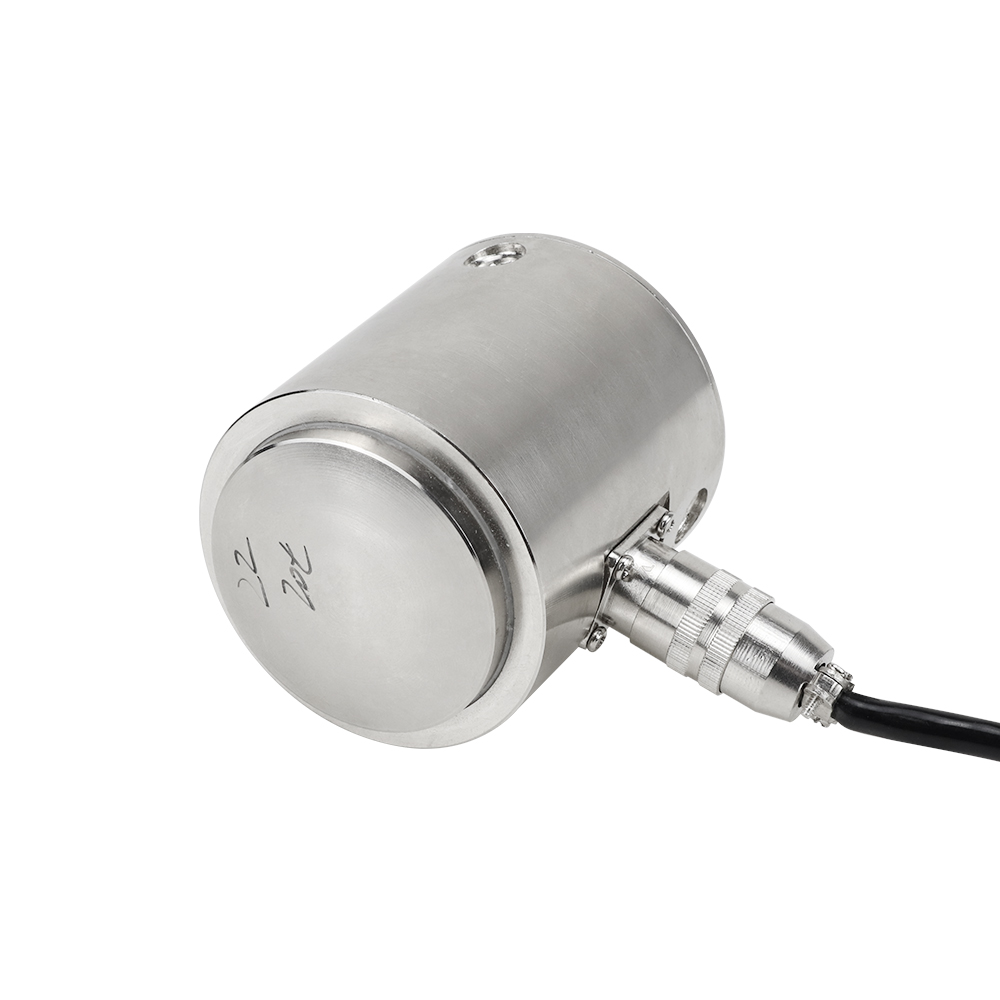
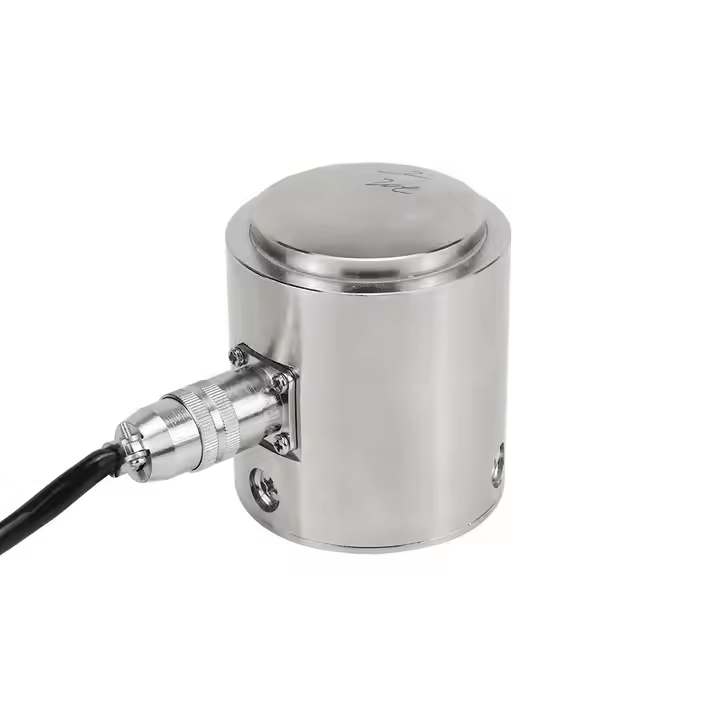
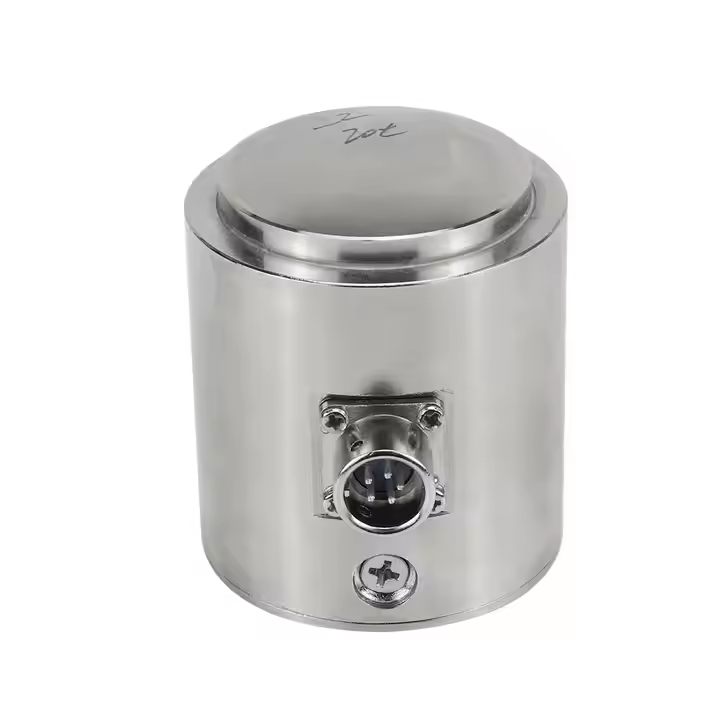
Digital compression load cell

Digital compression load cells are essential components used in various industries for measuring force and weight. Load cell convert mechanical force into an electrical signal that can be easily interpreted by digital displays or control systems. Buyers often face challenges when selecting the right load cell, including concerns about accuracy, compatibility, and application suitability.  This article will guide you through the key factors to consider when choosing a digital compression load cell, how to evaluate its quality, where to source reliable products, its applications across industries, and the material advantages these sensors offer in manufacturing, such as PST. 

How to Evaluate the Quality of Digital Compression Load Cells for Projects?

How to Evaluate the Quality of Digital Compression Load Cells for Projects?

Evaluating the quality of digital compression load cells involves several steps.  Start by checking for certifications, such as CE and RoHS, which indicate compliance with safety and environmental standards.  These certifications can provide assurance of the product's reliability and safety.  

Next, review the manufacturer's quality control processes.  A reputable manufacturer, like PST, will have stringent testing methods in place to ensure each load cell meets specified tolerances.  Requesting detailed documentation on quality tests, such as load verification and calibration reports, can further validate the product's quality.  

It's also advisable to study the materials used in construction.  High-quality materials enhance durability and performance, reducing the likelihood of failure during operation.  Encoder Factory should also be evaluated for their materials and performance to ensure they meet the required quality standards.  Consider requesting samples to test under your specific application conditions, ensuring that they meet your requirements before committing to a larger order. 

Where to Source Reliable Digital Compression Load Cells for Your Business?

Where to Source Reliable Digital Compression Load Cells for Your Business?

Sourcing reliable digital compression load cells requires thorough research and evaluation of potential suppliers.  Start by identifying manufacturers with a strong reputation in the market, focusing on those with experience in your industry.  Look for suppliers lik PST that provide detailed product specifications and custom solutions, as these can be tailored to fit your application needs.  

Online platforms and industry trade shows can be excellent resources for connecting with manufacturers and distributors.  Engaging with suppliers through these channels allows you to ask questions directly, clarify specifications, and gauge their responsiveness.  

Additionally, consider the supplier’s customer support and after-sales service.  A supplier that offers robust support can assist in troubleshooting and maintenance, which is vital for maintaining the efficiency of your operations.  

Applications of Digital Compression Load Cells in Various Industries

Applications of Digital Compression Load Cells in Various Industries

Digital compression load cells find applications across numerous industries, thanks to their versatility and accuracy.  In the manufacturing sector, these sensors are often employed for quality control, ensuring products meet weight specifications during production processes. 

In the automotive industry, load cells are used to test components and systems for safety and performance.  They measure forces in crash testing and ensure that structural integrity meets regulatory standards. 

The construction and civil engineering sectors utilize digital compression load cells for monitoring loads on structures during construction and assessing material strength. In the medical field, they play a crucial role in weighing patients and equipment with high precision. 

Moreover, the logistics and shipping industries rely on load cells to ensure accurate weight measurements for cargo, contributing to compliance with transportation regulations. 

Understanding Material Advantages of Digital Compression Load Cells in Manufacturing

The materials used in the construction of digital compression load cells significantly affect their performance and longevity.  Most load cells from PST are made from high-strength alloys, which provide robustness and durability.  These materials are essential for withstanding the stresses and strains encountered in various applications. 

Stainless steel is a popular choice due to its corrosion resistance, making it suitable for environments where exposure to moisture or chemicals is a concern. Additionally, some load cells come with protective coatings that enhance their resistance to environmental factors, prolonging their lifespan. 

Another important material factor is the internal strain gauge, which should be made from high-quality materials to ensure accurate force measurement.  The choice of materials can also influence the load cell's temperature stability and sensitivity, which are crucial for maintaining measurement precision across different operating conditions.  

In summary, when selecting a digital compression load cell, it’s essential to consider specifications, quality indicators, sourcing channels, application relevance, and material advantages.  By thoroughly evaluating these factors, you can make an informed purchasing decision that meets your operational needs.  

What to Consider When Choosing a Digital Compression Load Cell for Your Needs?

When selecting a digital compression load cell, several critical factors must be evaluated to ensure it meets your specific requirements.  First, consider the load capacity, which should align with the maximum force you expect to measure.  Overloading a load cell can lead to permanent damage and inaccurate readings. 

Next, pay attention to the accuracy specifications, often represented as a percentage of the full scale.  Higher accuracy is essential in applications demanding precise measurements, such as quality control in manufacturing with PST.  

The operating environment is another factor; consider temperature ranges, humidity, and exposure to chemicals.  The enclosure rating (e. g., IP65) can indicate the load cell's resistance to dust and moisture, which can affect its performance. 

Lastly, assess the necessary output signal type (analog or digital) and whether the load cell is compatible with your existing systems. Load cell indicator can also be considered when ensuring compatibility with existing systems and measurement requirements.  

Frequently Asked Questions

What is a digital compression load cell?

A sensor that measures compressive force and outputs digital signals for precise weight or force monitoring in industrial applications.
Ideal for lifting, weighing, automation, and new energy applications requiring high-precision force measurement.
Our digital compression load cells comply with CE and RoHS standards for safety and environmental compliance.
Yes. We provide OEM/ODM customization for specifications, calibration, and housing to meet project requirements.
We offer factory calibration, technical support, documentation, and guidance for installation and integration into systems.

Get a Free Quote

Our representative will contact you soon.
0/1000