Key Considerations for Sourcing Cantilever Load Cells

application/cantilever-load-cell, application/cantilever-load-cell, 
Inquiry
Inquiry

cantilever load cell

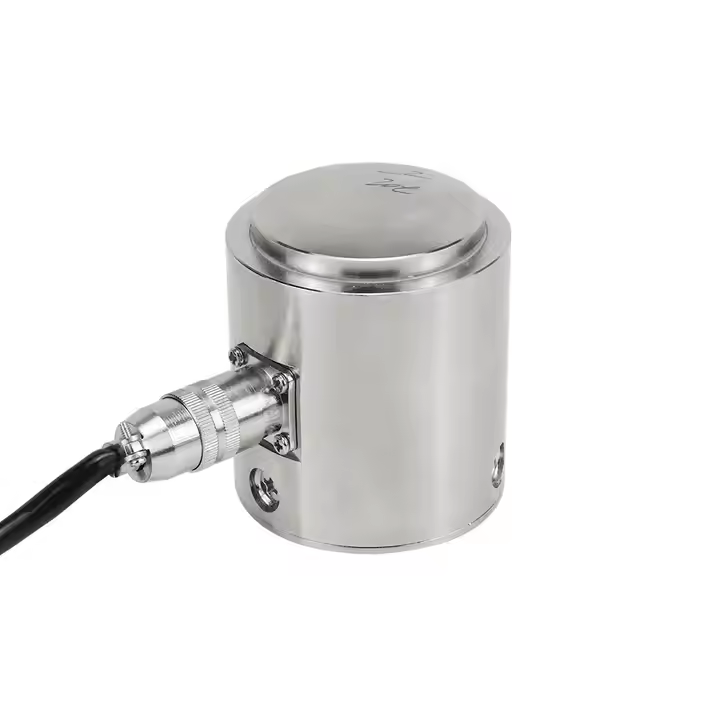
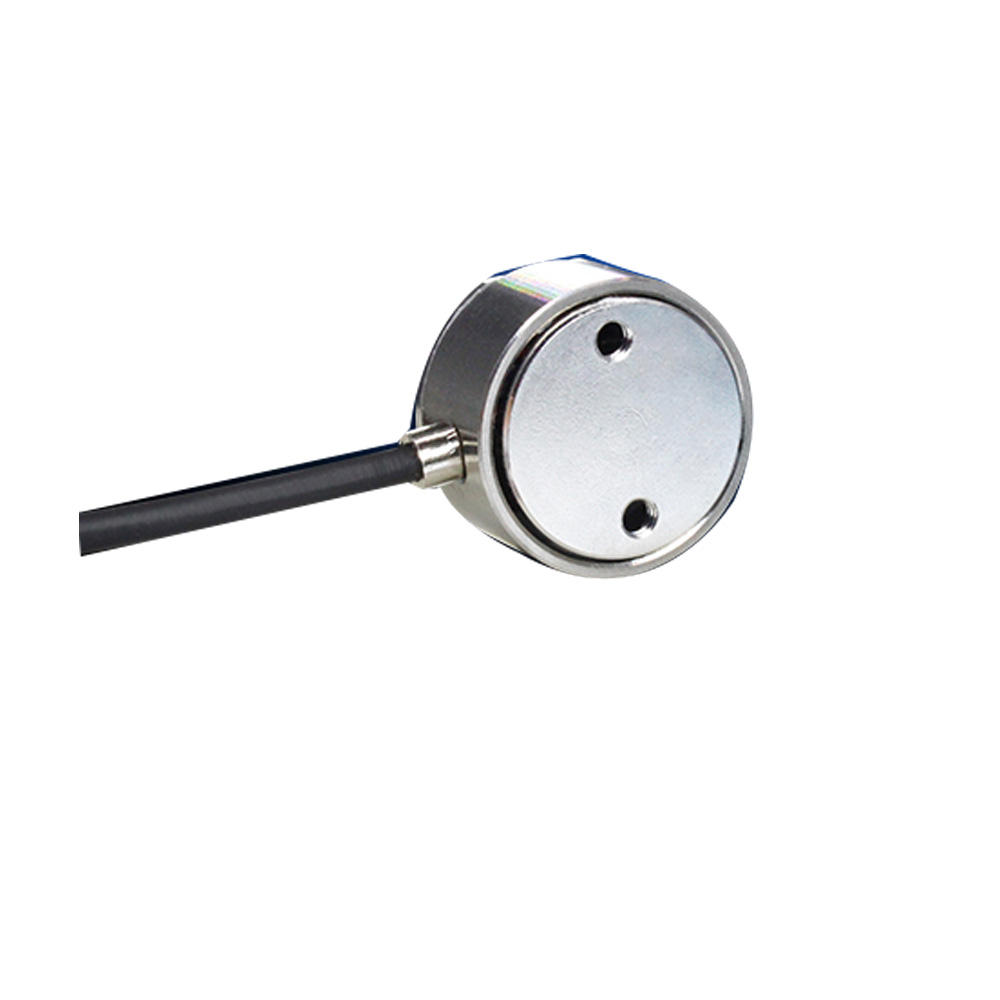
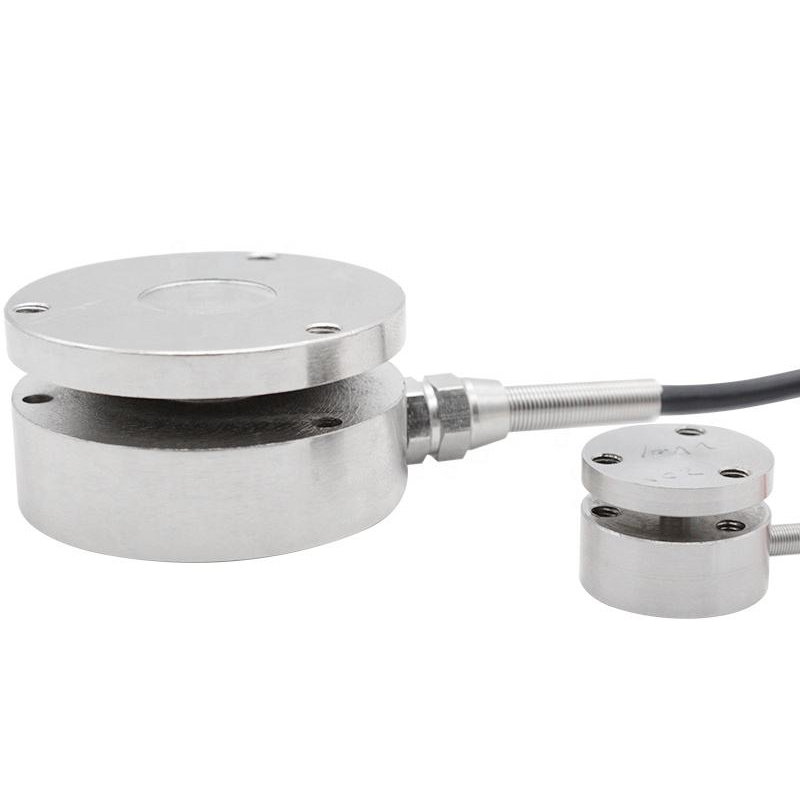
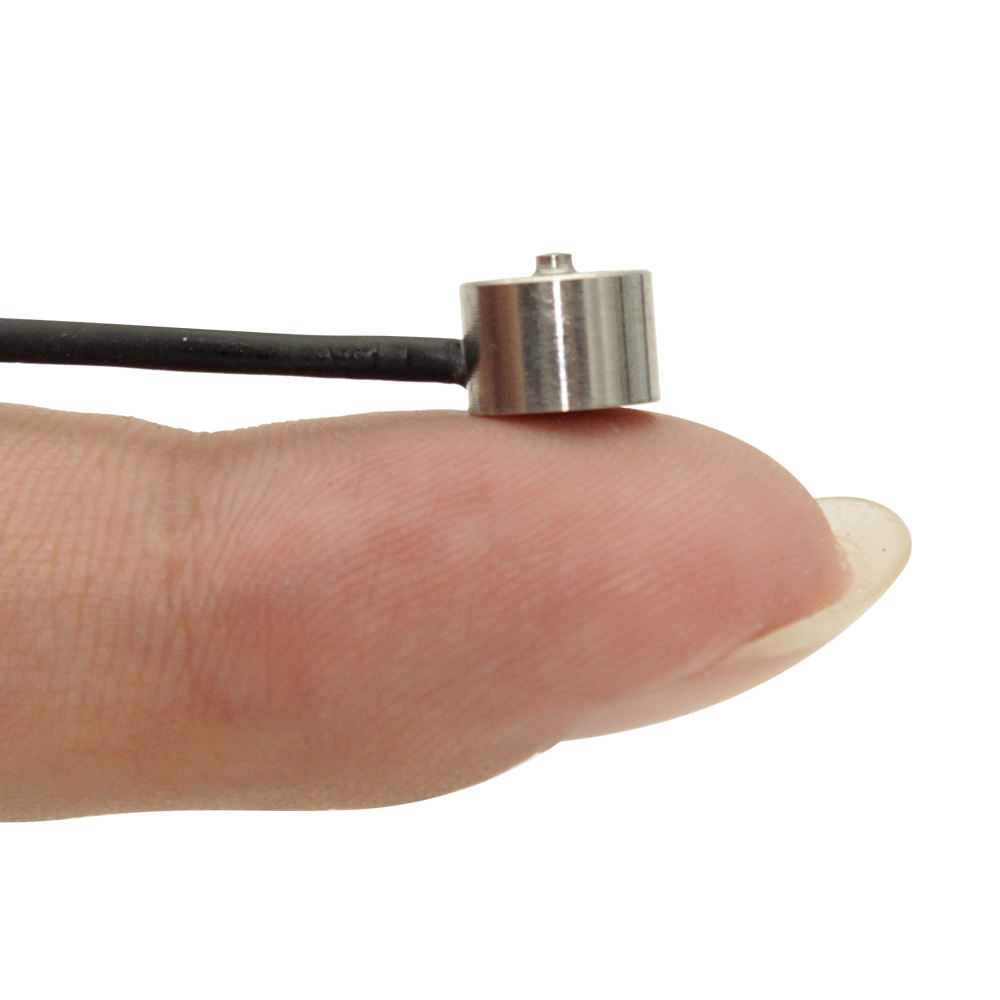
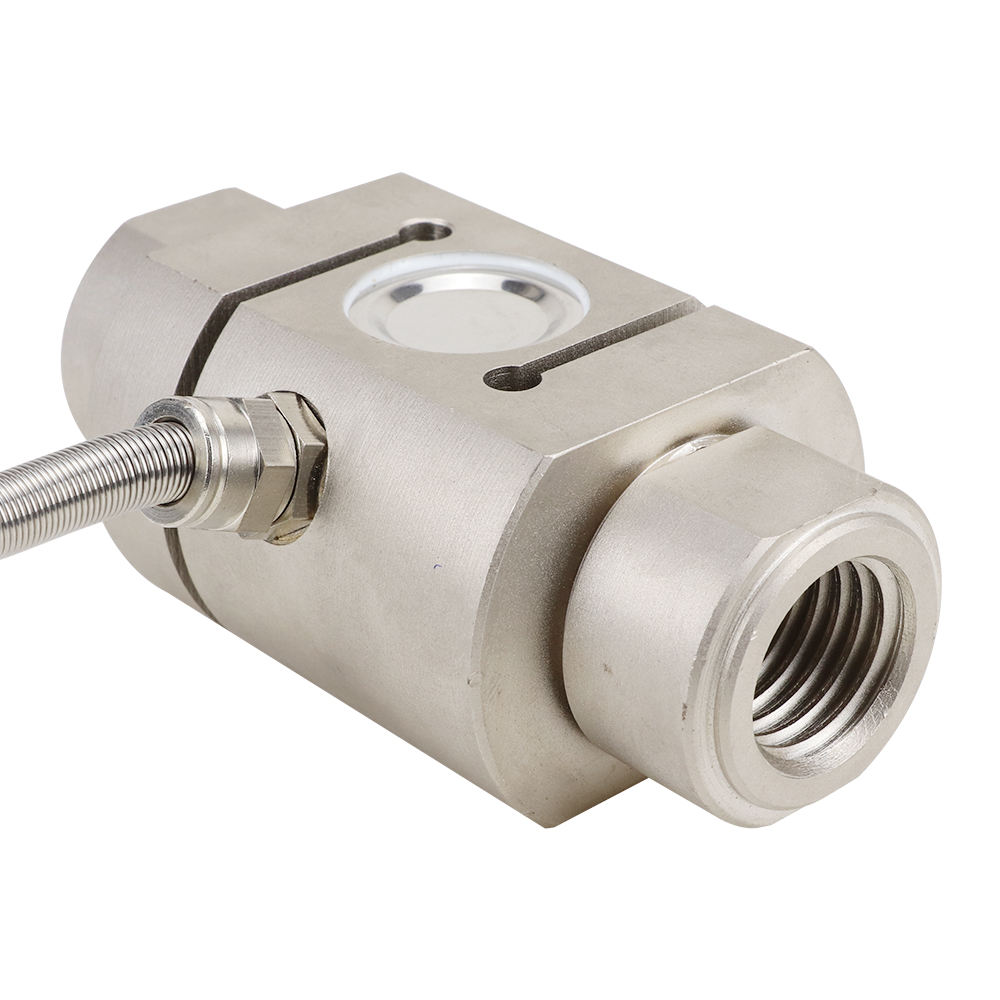
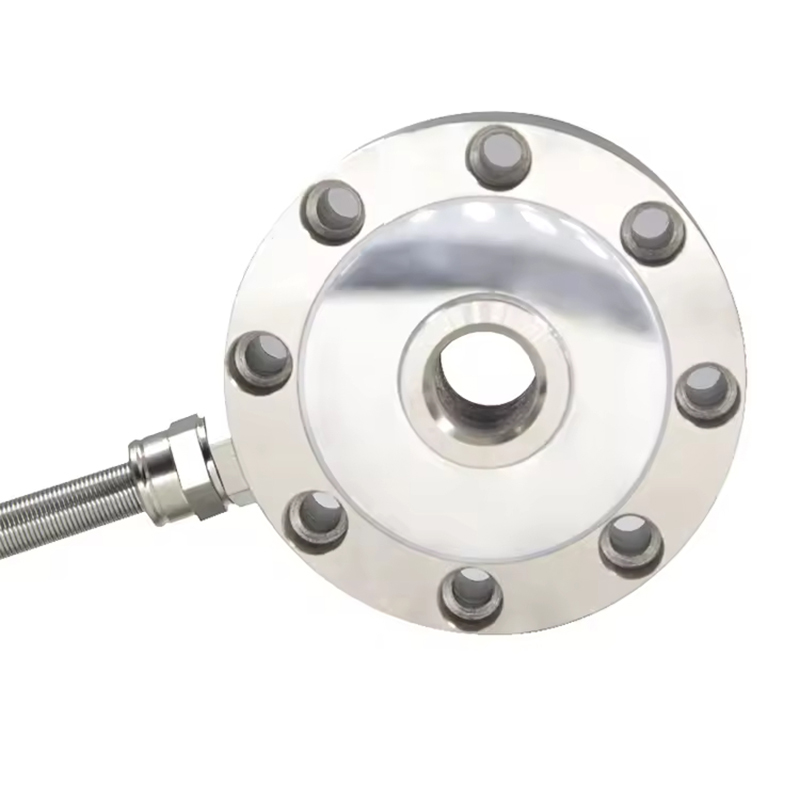
Cantilever load  cells are specialized instruments used to measure  weight  or force  through a beam  that is supported at one end, allowing for  precise applications in various industries.  For  B2B buyers,  understanding the key specifications,  sourcing  tips,  and common challenges associated with  these load cells is essential for  making informed purchasing decisions. This article aims to provide practical insights into the selection  and procurement of cantilever load  cells, helping  professionals navigate  the complexities of sourcing  these critical  components.

Wholesale Buying Tips for Cantilever Load Cells from Reliable Suppliers

Wholesale Buying Tips for Cantilever Load Cells from Reliable Suppliers

Finding a reputable supplier for cantilever  load cells  requires  careful consideration. Here are some tips for wholesale buyers:

Request  Certifications: Look for suppliers  that provide certifications such as  CE and RoHS, indicating compliance with international standards. These  certifications  assure buyers of the product's safety and  reliability.

Inquire About Quality Control Processes: A reliable manufacturer should have stringent quality control measures in place. Ask about the testing  methods used to ensure the accuracy and durability of their load  cells.

Evaluate Customization Capabilities: Many applications require specific adaptations.  Suppliers that offer customization  options can tailor load cells to meet unique requirements, enhancing functionality. For instance, consider the Customizable PMC Sensors Load Cell Transmitter for tailored solutions.

Check References and  Reviews: Seek feedback from other clients or industry professionals about their experiences with the supplier. Positive references can  provide confidence in  the supplier's reliability and product  quality.

Understand Pricing Structures: Be aware of the factors affecting pricing, including materials, production methods, and order quantities.  Discuss  volume discounts and payment terms to ensure a  favorable purchasing agreement.

Common Problems with Cantilever Load Cells and Their Solutions

Common Problems with Cantilever Load Cells and Their Solutions

Buyers should be aware of common issues associated  with cantilever load cells  and  how to address them effectively:

Drift in Measurements:  Over time, load  cells may exhibit drift,  which can  affect measurement accuracy. Regular calibration is necessary to maintain  precision. It is advisable to establish a routine calibration schedule based on the load cell's usage frequency.

Mechanical  Overload: Exceeding the load cell's maximum capacity can lead to permanent damage. To prevent this,  ensure the load cell's specifications match the application requirements and implement overload protection measures. Using a quality load cell like the High Performance 100Nm Static Torque Sensor Load Cell can help mitigate these risks.

Temperature  Effects: Changes  in  temperature can impact performance. Selecting load cells with built-in temperature compensation features can help mitigate this issue. Additionally, consider  the operating  temperature  range during procurement.

Vibration Sensitivity: In environments  with significant vibrations, load cell readings can be affected. Mounting solutions that minimize vibrations or  using load cells designed for high-vibration environments can help alleviate this concern.

Incorrect Installation: Improper installation can lead to measurement errors.  Follow the manufacturer’s installation guidelines closely, and consult with an engineer if necessary  to ensure correct alignment and support.

What Buyers Should Know

What Buyers Should Know

Before purchasing cantilever load cells,  buyers should gather detailed information to facilitate a smooth transaction:

Application Requirements: Clearly define the application for the  load  cell, including required load capacity, accuracy, and environmental  conditions. This  information will guide your selection process.

Sample Testing: Always request samples  for testing. This  allows you to evaluate the load cell's performance under  actual  operating conditions before committing to a bulk  order.

Lead Times and MOQ: Understand the supplier's lead times and  minimum order quantities (MOQ). This information is critical  for planning your procurement  process and ensuring timely  project completion.

Technical Documentation: Request technical  datasheets and installation manuals to ensure that all specifications and requirements  are met. This documentation is essential  for troubleshooting and maintenance.

Support and Warranty: Inquire  about the supplier’s customer support and warranty policies. A good warranty can provide peace of mind and protection  against manufacturing  defects.

Where to Find Trusted Suppliers for Cantilever Load Cells in Bulk

Finding reliable suppliers for cantilever load cells can be straightforward if you know where to look:

Industry Trade Shows: Attending trade shows focused on manufacturing and automation can  provide opportunities to meet suppliers in person, allowing for direct  discussions  about their products and services.

Online Marketplaces  and Directories: Platforms such as Alibaba or ThomasNet  can connect you with various suppliers. Look for verified suppliers  with good ratings  and  reviews.

Industry Associations:  Many manufacturing and engineering associations maintain directories of reputable suppliers. These organizations can often  provide recommendations based on  industry standards and practices.

Networking with Peers: Engaging with industry peers  through forums and  professional networks can lead to valuable recommendations. Experienced professionals often  share insights about trustworthy suppliers based on their past experiences.

Manufacturer Websites:  Visiting the websites  of manufacturers like JIANGXI JINGCE SENSING TECHNOLOGY CO., LTD. can provide detailed information on the products they offer, including specifications, certifications, and customization options.

By focusing on these areas,  buyers can ensure they  make informed decisions when sourcing cantilever load cells, ultimately leading to successful implementations in their respective applications.

Key Specifications to Consider When Sourcing Cantilever Load Cells

When sourcing  cantilever load cells, several key specifications should be evaluated to ensure optimal performance for your application.

Load Capacity: This is the  maximum weight the load cell can accurately  measure.  It is crucial to select a load cell with a capacity that exceeds the expected maximum load to prevent overload and potential damage.

Accuracy and Precision: The accuracy of a cantilever load cell is  typically expressed as a percentage of the full-scale output. Buyers  should look for load cells with high accuracy to ensure reliable measurements,  especially  in critical applications like manufacturing and quality control.

Material and Environmental Resistance: The choice of materials affects durability and suitability  for different  environments. Stainless steel is commonly used for its strength and corrosion resistance, making it ideal for harsh industrial conditions. Additionally, consider environmental factors such as temperature fluctuations and exposure to chemicals.

Dimensions and Mounting  Options: Ensure that  the physical  dimensions of the load cell fit within  the intended installation space. The mounting method should also be compatible with existing equipment, as improper  mounting can lead to measurement errors.

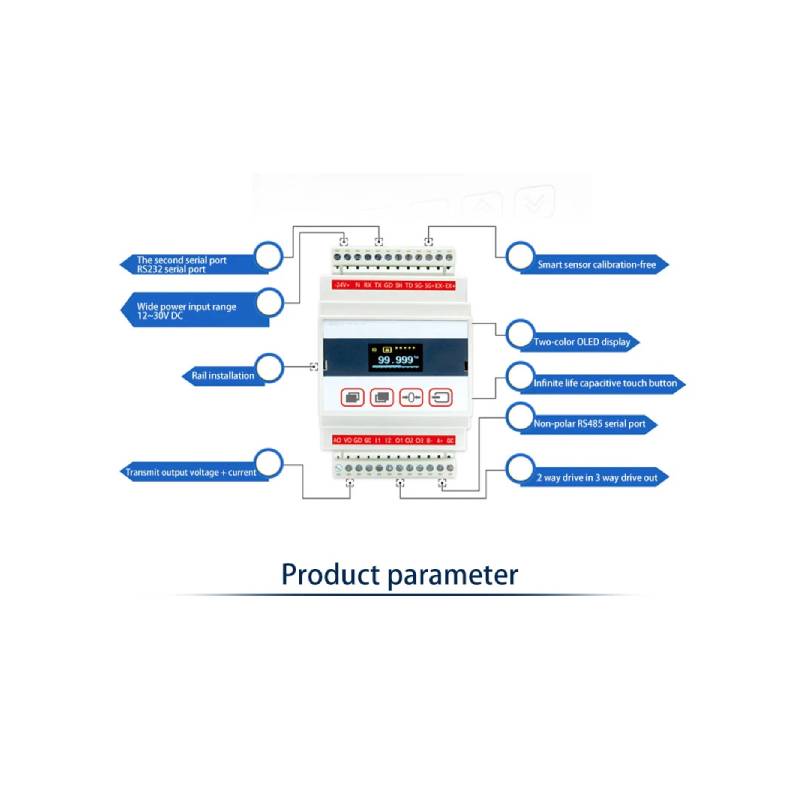
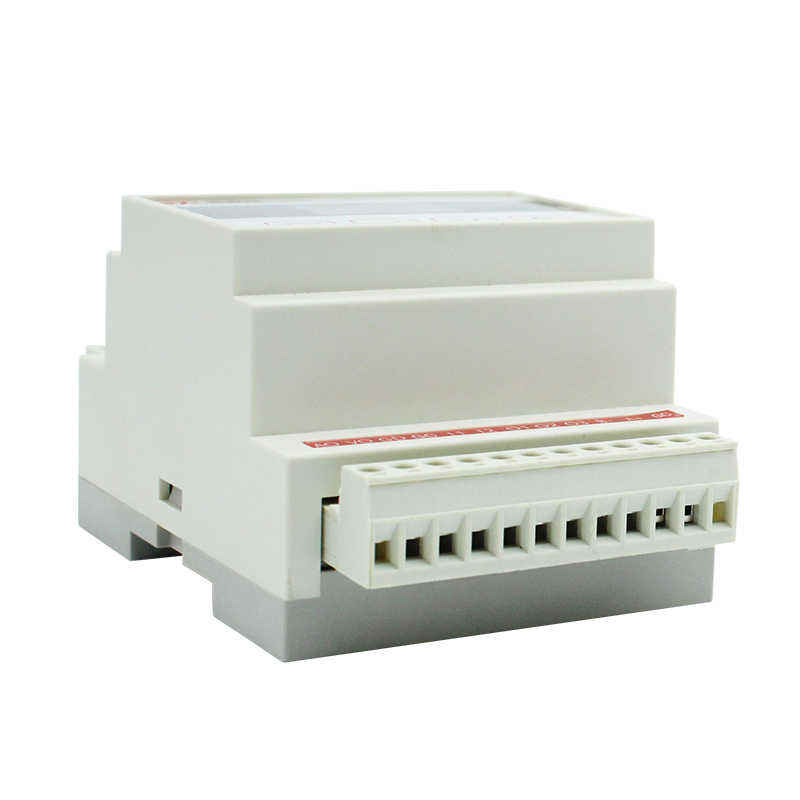
Output Signal Type: Cantilever  load cells can  generate  various output signals, such as analog (voltage or current) or digital outputs. Understanding the compatibility of these outputs with your monitoring systems  is essential for seamless integration. For example, some systems may benefit from using a Mv Signal Amplifier for Load Cell to enhance signal processing.

Frequently Asked Questions

What is a cantilever load cell used for?

A cantilever load cell measures force or weight where one end is fixed and the other bears load. It's ideal for tension/compression, material testing, and compact weighing applications in lifting, automation, and new energy systems.
Our cantilever load cells offer high precision with CE and RoHS certifications. OEM/ODM calibration options ensure traceable accuracy to meet specific industry requirements.
We provide a range of capacities from low to high tonnage with customizable mounting holes, flanges, and adapters to fit various installation and mechanical constraints.
Yes. It supports wired outputs for PLCs and data acquisition, and can be paired with our wireless dynamometers or telemetry modules for remote monitoring and automation integration.
Yes. We provide OEM/ODM customization, calibration, and technical support including installation guidance, troubleshooting, and spare parts to ensure reliable long-term operation.

Get a Free Quote

Our representative will contact you soon.
0/1000