How to Choose the Right Precision Load Cell

application/precision-load-cell, application/precision-load-cell, 
Inquiry
Inquiry

precision load cell

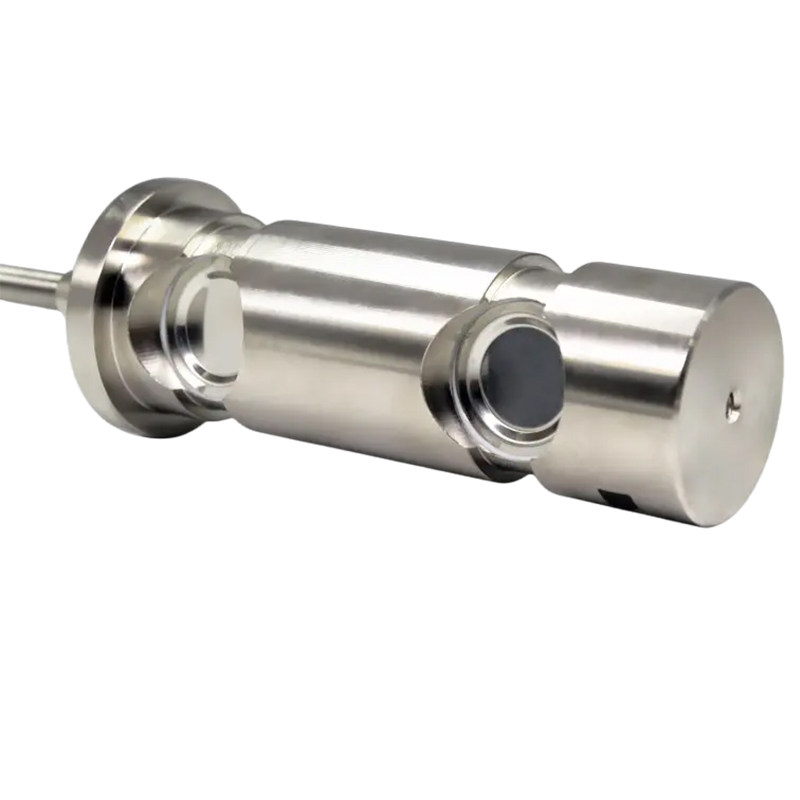
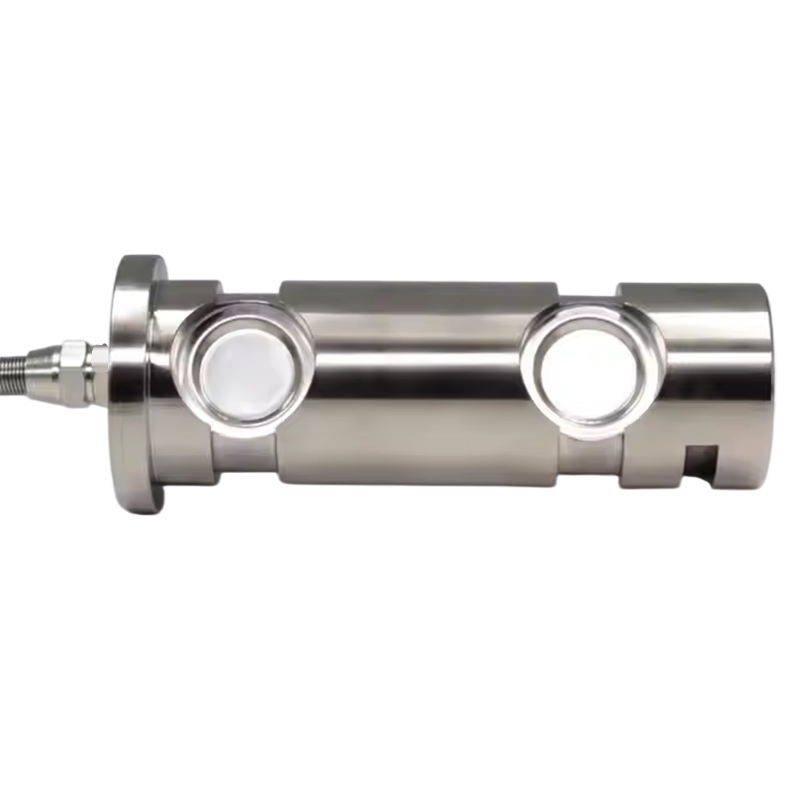
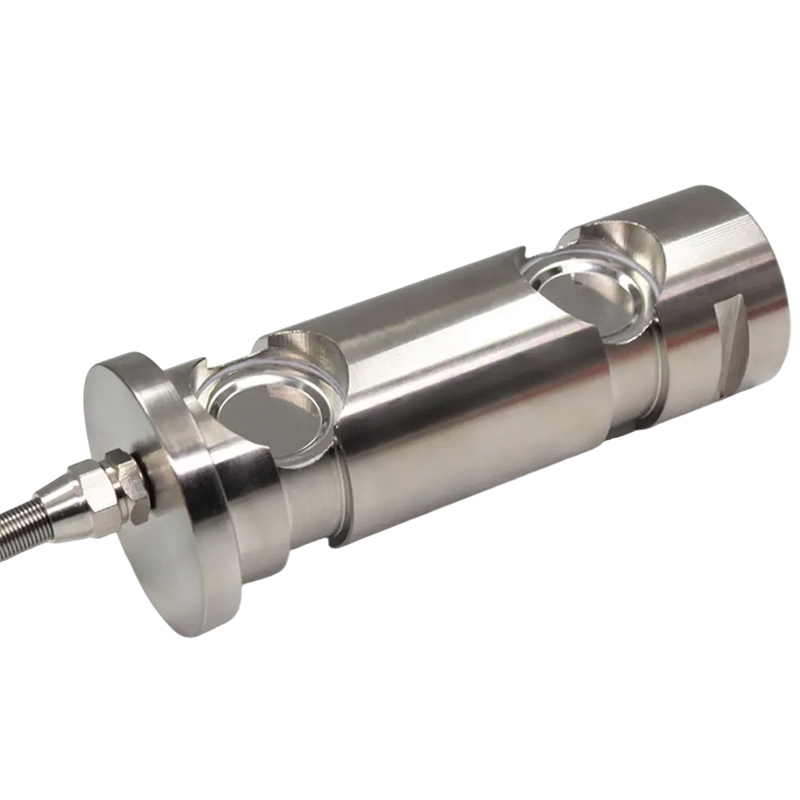
Precision load cells  are essential  components in various  industrial applications, providing  accurate measurements of  force, weight, and  pressure. As  a buyer or engineer in  the manufacturing, automation, or new energy sectors, you may have  specific concerns  regarding  accuracy, compatibility, and performance  under varying conditions. This article  will  guide you through the crucial  considerations when selecting  a  precision load cell, ensuring you make  an informed purchasing  decision.

 
Evaluating Quality Standards in Precision Load Cell Manufacturing

Evaluating Quality Standards in Precision Load Cell Manufacturing

When sourcing precision load cells,  quality assurance is paramount. Look for manufacturers  who adhere to  recognized quality standards, such as ISO 9001. This  certification indicates a commitment to  maintaining quality management systems throughout  production.


Additionally, inspect the following:

Certification  Compliance: Ensure that  the load cells meet  relevant industry standards,  such as CE and RoHS, which affirm the  safety  and environmental  compliance of the products.

Testing Procedures: Reliable manufacturers will conduct rigorous testing at various stages  of the production process. This may  include load testing, environmental testing, and calibration  checks. Understanding these processes helps  ensure the load cell performs as expected.

Traceability: A transparent supply chain and documentation of materials used in  production can enhance trust. This is  particularly important for industries that require high compliance standards.

Understanding Cost Factors for Bulk Orders of Load Cells

Understanding Cost Factors for Bulk Orders of Load Cells

Cost considerations for bulk  orders of  precision load cells can vary based  on several  key factors:

Material Costs: The choice of materials significantly affects pricing. Higher-quality materials or specialized coatings for environmental resistance may increase the overall cost.


Customization  Needs: If your application requires specific modifications, such  as  unique dimensions or  additional  features, expect to pay more for customized solutions, like the Customizable PMC Sensors Load Cell Transmitter.

Quantity  Discounts: Many manufacturers  offer tiered pricing based on order volume. Higher quantities  often  lead to lower per-unit costs, making it beneficial to evaluate your  needs for bulk purchasing.

Lead Time: Shorter lead  times for urgent projects may incur additional costs. Balancing  lead time with budget constraints is essential for  project planning.

Shipping and Handling: Consider the logistics associated with large orders, including shipping fees and  handling costs. Ensure your  supplier provides clear communication regarding these factors.

Installation Guidelines for Precision Load Cells in Industrial Settings

Installation Guidelines for Precision Load Cells in Industrial Settings

Proper installation of precision load cells is critical for  achieving  accurate readings. Follow these guidelines to ensure effective  setup:

Mounting:  Ensure the load cell is mounted on a stable, flat surface  to avoid misalignment or unwanted stress on the sensor. Use the recommended mounting  hardware for secure attachment.

Electrical Connections: Verify that all electrical connections  are secure, and  follow the  manufacturer's wiring diagram to avoid misconfigurations. Proper grounding is essential to  minimize noise  and  interference.

Calibration: After installation, calibrate the load cell according to the manufacturer's instructions. This process ensures that the load cell provides accurate  readings based on the specific application conditions.

Environmental Considerations: If the load cell will be exposed to harsh conditions, such as extreme  temperatures  or humidity, consider implementing protective measures, such as enclosures or  moisture barriers.

Regular Maintenance: Establish a routine for inspecting and maintaining the load cells to  ensure  long-term performance. Regular checks can help  identify  issues before they impact measurement accuracy.

Applications of Precision Load Cells in Various Industries

Precision load cells are versatile components used across multiple industries. Here are some notable applications:


Manufacturing  and  Automation: In manufacturing,  load cells  are used for quality control and process automation, ensuring that products meet  weight specifications throughout production.


Material Testing: In laboratories, precision load cells measure force and weight during material testing, providing critical data to engineers and researchers.

Transportation  and Logistics:  Load cells play  an essential role in weighing cargo and ensuring  compliance with weight regulations in shipping and transportation.

Medical Devices:  Precision load cells are used in medical scales and equipment, where accurate weight  measurements are vital for patient care and dosing.

New  Energy  Applications: In renewable energy, load  cells monitor forces in wind turbines and solar tracking systems, contributing to efficiency and safety in energy generation.

selecting the right precision load cell requires careful consideration of  your specific application needs,  quality standards, cost factors, and installation practices. By understanding these  elements, you can ensure the reliability and accuracy of your measurements,  ultimately supporting your operational goals.

How to Choose the Right Precision Load Cell for Your Projec

Choosing the  right precision load cell involves understanding your specific application requirements. Consider the following factors:


Capacity  and Range: Determine the maximum load  your application  will exert on the load cell. Precision load cells come in various capacities, so select one that accommodates your maximum expected load while  also providing the necessary range for your  measurements.

Material and Environmental Resistance: Depending on your operational environment, you may need load cells made from  specific materials.  For example, stainless steel is commonly used  for its durability and corrosion resistance in  harsh conditions. Evaluate whether your load cell needs to withstand moisture, chemicals,  or temperature extremes.

Output Signal  Type: Load cells can provide analog or digital output. Consider how the load cell will integrate with your existing  systems. Analog signals may require additional signal conditioning, while digital outputs can simplify integration with modern control systems.

Installation Requirements: Ensure the load cell fits within your installation space and that you have the necessary mounting hardware. Some load cells, such as the Chinese Factory Weighing Compression Tension Junction Box, offer  built-in features for easier installation.

Calibration  and Accuracy: Check  the load cell's specifications for accuracy and calibration  options. A load cell with a higher  accuracy rating will yield more reliable data, critical for  applications that require precise measurements.

Frequently Asked Questions

What is a precision load cell used for?

A precision load cell measures force or weight with high accuracy for lifting, weighing, automation, and new energy applications.
Our load cells offer high precision and come with CE and RoHS certifications to meet industry compliance requirements.
Yes. We provide OEM and ODM options for custom ranges, form factors, mounting, and signal outputs to suit specific projects.
Available outputs include mV/V, mA, and digital interfaces; options depend on model and can be customized during order.
We offer technical support, calibration guidance, and warranty terms; contact our sales team for specifics based on model and application.

Get a Free Quote

Our representative will contact you soon.
0/1000