Choosing the Right Load Cell Junction Box

application/load-cell-junction-box, application/load-cell-junction-box, 
Inquiry
Inquiry

Load cell junction box

Choosing the right load cell junction box is critical for ensuring accurate and reliable measurements in various applications. Load cell junction boxes serve as the interface between load cell conditioner, making it essential for buyers to understand their specifications and features. This article addresses key concerns for B2B buyers, including selection criteria, quality evaluation, sourcing strategies, common issues, and vital features to consider. By the end, readers will gain practical insights to make informed purchasing decisions.

Evaluating Quality and Reliability in Load Cell Junction Boxes

Evaluating Quality and Reliability in Load Cell Junction Boxes

Quality and reliability are paramount when evaluating load cell junction boxes. Start by examining the materials used in production. High-quality junction boxes are typically made from corrosion-resistant materials such as stainless steel or high-grade plastics, which enhance durability and longevity. 

Next, inquire about the manufacturer's quality control processes. A reputable manufacturer will implement rigorous testing procedures to ensure that each high-precision load cell junction boxes meets performance standards. Request documentation regarding testing methods, including load testing and environmental stress tests. 

Moreover, consider the manufacturer's experience in the industry. For instance, we specializes in load cell tension, which suggests a solid understanding of the technical requirements and potential pitfalls. A manufacturer with a proven track record is more likely to deliver reliable products. 

Finally, review product reviews and case studies from other buyers. Real-world applications can provide insights into how the high-precision load cell junction boxes performs under various conditions, helping you assess its reliability.

Where to Source High-Precision Load Cell Junction Boxes for Bulk Orders

Where to Source High-Precision Load Cell Junction Boxes for Bulk Orders

Sourcing high-precision PST load cell junction boxes for bulk orders involves identifying reliable suppliers who can meet your specifications and quantities. Start by exploring manufacturers known for their specialization in load cells and related technologies, such as our brand. This company offers OEM/ODM solutions tailored to various industries, which can be beneficial for bulk orders. 

Engage in direct communication with manufacturers to discuss your specific needs, including volume, customization options, and lead times. Request product samples to evaluate the quality and performance before committing to a larger order. This step is vital to ensure that the high-precision load cell junction boxes meet your standards and requirements. 

Additionally, consider online marketplaces and industry trade shows, which can provide access to multiple suppliers in one location. These venues often allow you to compare products, gather information, and negotiate pricing effectively.

Common Problems with Load Cell Junction Boxes and Their Solutions

Common Problems with Load Cell Junction Boxes and Their Solutions

Load cell junction boxes can encounter several common problems that impact their functionality. One issue is signal interference, often caused by improper shielding or grounding. To mitigate this, ensure that the junction box is installed in a location free from electromagnetic interference and that proper grounding techniques are employed. 

Another frequent problem is moisture ingress, which can lead to corrosion and malfunction. Selecting a high-precision load cell junction boxes with an appropriate IP rating (Ingress Protection) can help prevent moisture-related issues. For example, an IP67-rated box is well-suited for environments prone to water exposure. 

Additionally, improper wiring can lead to erroneous measurements. Ensure that installation is performed according to the manufacturer's instructions, and consider labeling connections to prevent confusion during setup. 

If issues persist, consult the manufacturer for troubleshooting assistance. They can provide insights into potential causes and solutions based on their expertise and experience.

Key Features to Look For

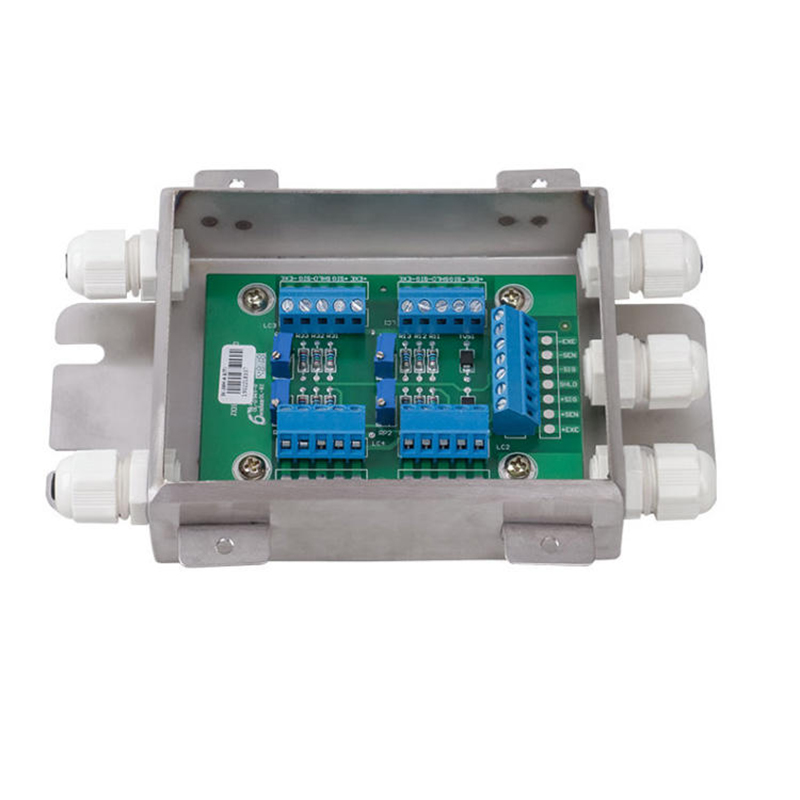
When evaluating PST load cell junction boxes, several key features are essential for ensuring ideal performance. First, consider the number of inputs and outputs. Depending on your application, you may need a junction box that supports multiple load cells or one with a single input for a straightforward setup. 

Next, examine the type of connectors used. High-quality connectors ensure reliable signal transmission and reduce the risk of connection failure. Look for connectors that are easy to work with and can withstand frequent plugging and unplugging. 

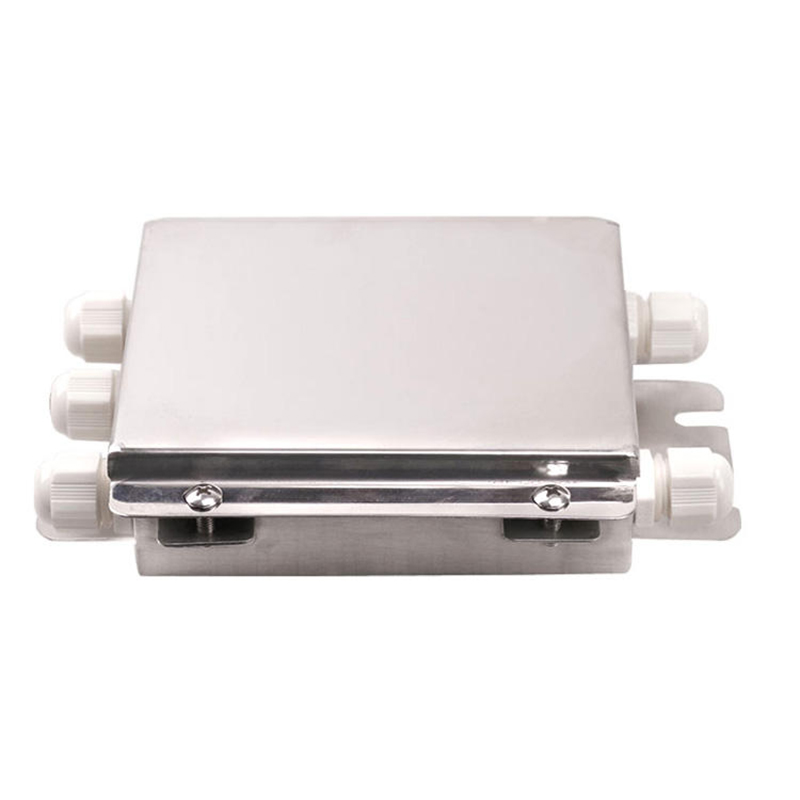
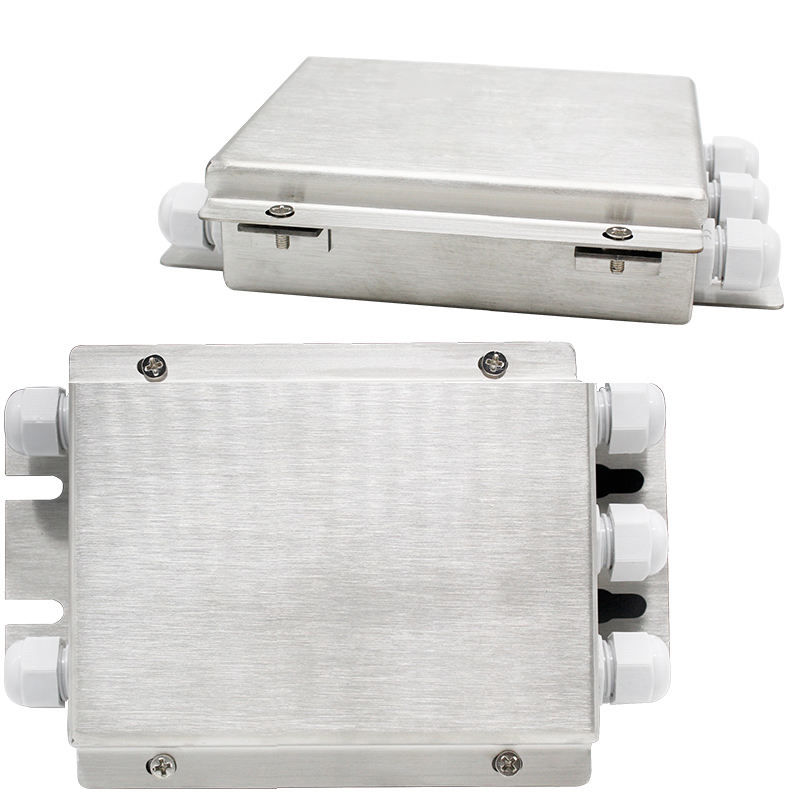
Another critical feature is the enclosure design. A robust enclosure protects internal components from dust, moisture, and physical damage. This is particularly important in industrial settings where environmental conditions can be harsh. 

Finally, review the documentation and support offered by the manufacturer. A well-documented product with clear installation instructions and troubleshooting guides can save time and effort during setup and maintenance. 

Choosing the right load cell junction box involves careful consideration of your specific needs, quality assurance, and supplier reliability. By understanding the key features and common issues associated with these products, you can make informed purchasing decisions that enhance the accuracy and reliability of your measurement systems. 

How to Choose the Right Load Cell Junction Box for Your Project

Selecting the right PST load cell junction box requires a thorough understanding of your specific application and the associated requirements. Start by identifying the type of load cells you will use, as high-precision load cell junction boxes must be compatible with the load cell's output signals, whether they are analog or digital. 

Next, consider the environmental conditions in which the high-precision load cell junction boxes will operate. Factors such as temperature range, humidity, and potential exposure to moisture or chemicals can significantly impact performance. For example, if the junction box is for use in outdoor settings or harsh industrial environments, opt for a model with robust sealing and durable materials. 

Additionally, evaluate the number of compression load cell to be connected. Junction boxes come in various configurations—some support multiple load cells, while others are designed for single connections. Ensure the chosen high-precision load cell junction boxes can accommodate your setup without compromising signal integrity. 

Finally, confirm that the high-precision load cell junction boxes aligns with your project's electrical standards, including CE/RoHS certifications, which ensure compliance with safety and environmental regulations. 

Frequently Asked Questions

What is a load cell junction box used for?

A load cell junction box consolidates signals from multiple load cells into a single output for accurate weighing, signal summing, and easy connection to indicators or PLCs in industrial and weighing systems.
Capacity varies by model; common junction boxes support 4 to 8 load cells. Contact the manufacturer for specific model capacities and customization options for OEM/ODM projects.
Yes, our junction boxes are compatible with standard single-ended and full-bridge load cells. Provide load cell specs and we will confirm compatibility or recommend an appropriate model.
Our products meet CE and RoHS requirements and are manufactured to high-precision quality standards appropriate for lifting, weighing, automation, and new energy applications.
Yes. We offer OEM/ODM customization for wiring, enclosure, connectors, and calibration to meet specific industry requirements and system integration needs.

Get a Free Quote

Our representative will contact you soon.
0/1000