Choosing the Right Multi Channel Load Cell Amplifier

application/multi-channel-load-cell-amplifier, application/multi-channel-load-cell-amplifier, 
Inquiry
Inquiry

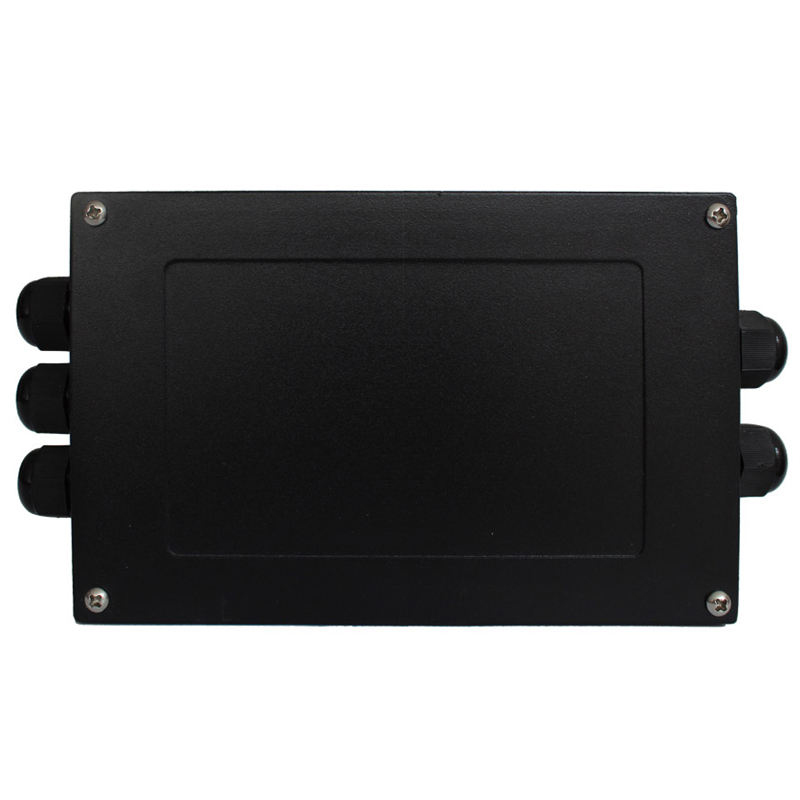
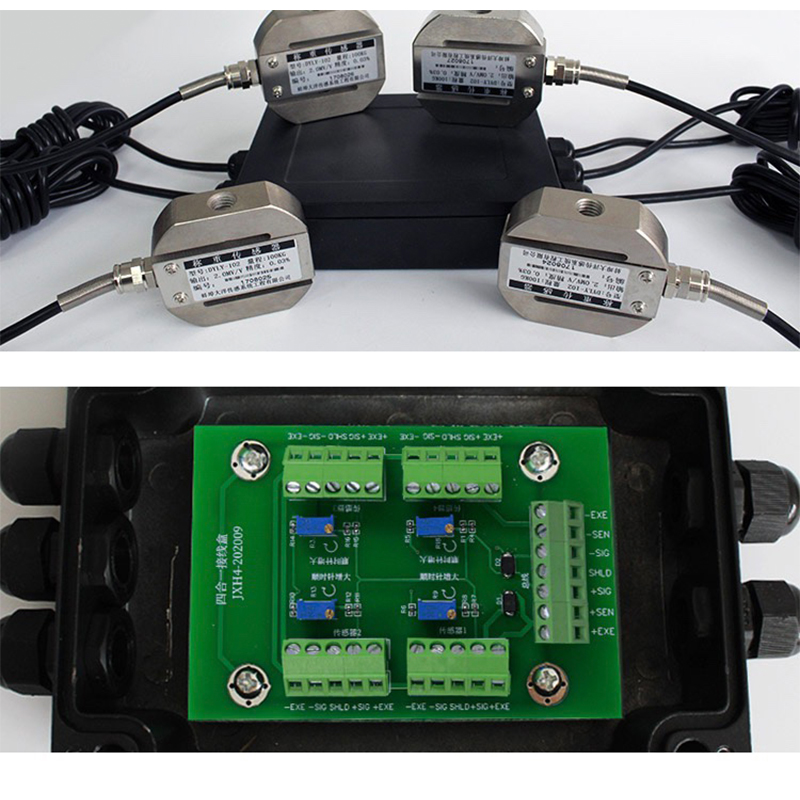
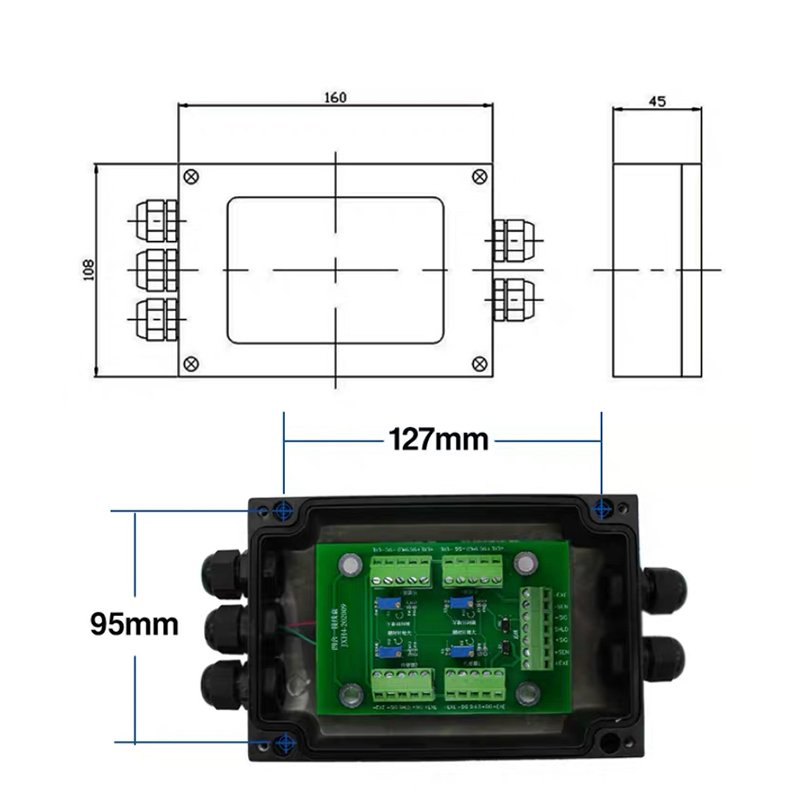
Multi channel load cell amplifier

Multi-channel load cell amplifiers are vital components in various industrial applications, serving to enhance the accuracy and reliability of weighing and force measurement systems. For B2B buyers, selecting the right amplifier involves understanding the technical specifications, performance requirements, and potential challenges associated with installation and use. This article aims to provide practical insights into choosing the right bending beam load cell for your projects, ensuring that purchasing managers, engineers, and other stakeholders can make informed decisions.

What to Look for in Load Cell Amplifier Products

What to Look for in Load Cell Amplifier Products

When evaluating PST load cell amplifiers, focus on several critical specifications. First, check the input voltage range and power requirements. A versatile amplifier with a wide input voltage range allows for greater flexibility in various applications. Next, consider the resolution and accuracy specifications—higher resolution translates to more precise measurements, which is crucial in applications where even small discrepancies can lead to significant operational issues. 

The temperature range is another vital specification, especially in industries where environmental conditions can vary significantly. An amplifier that operates effectively across a broad temperature range will provide consistent performance without the risk of failure. Additionally, look for features such as overload protection and built-in diagnostics, which can help prevent damage and facilitate troubleshooting. 

Lastly, ensure that the amplifier complies with relevant certifications such as CE or RoHS, which indicate adherence to safety and environmental standards. This is particularly important for companies operating within regulated industries like pharmaceuticals or food production.

Cost Factors to Consider When Purchasing Load Cell Amplifiers in Bulk

Cost Factors to Consider When Purchasing Load Cell Amplifiers in Bulk

Bulk purchasing can lead to significant cost savings, but several factors influence the overall pricing of multi-channel industrial load cells. First, consider the quantity being ordered; larger orders often attract volume discounts. However, be aware that customization options can affect pricing. If your project requires specific features or configurations, this may lead to higher costs. 

Shipping and handling fees can also impact the total cost. Evaluate potential suppliers based on their shipping policies, including lead times and logistics capabilities. A reliable supplier should provide transparent shipping options tailored to your location and operational needs. 

Another cost factor is the warranty and post-purchase support. Investing in amplifiers with comprehensive warranties can save money in the long run, as they often cover repairs or replacements for defects. It's also beneficial to assess the supplier's customer service and support capabilities, as responsive support can mitigate long-term operational costs associated with downtime. 

Common Installation Challenges with Multi Channel Load Cell Amplifiers

Common Installation Challenges with Multi Channel Load Cell Amplifiers

Installing PST multi-channel load cell amplifiers can present various challenges, especially in complex systems. One common issue is ensuring that all connections are secure and properly configured. Improper wiring can lead to inaccurate readings or even damage the amplifier. It's advisable to follow the manufacturer's installation guidelines closely and conduct thorough testing after installation to confirm functionality. 

Another challenge is the calibration of the load cell system. Each load cell may have different characteristics, and the amplifier must be calibrated accordingly to ensure accurate measurements. This process can be time-consuming and requires a good understanding of the specific calibration procedures. 

Environmental factors can also affect installation. For example, if the amplifier will be used in a high-vibration environment, consider using mounting solutions that minimize the impact of vibrations on performance. Additionally, ensure that the amplifier is adequately shielded from electromagnetic interference, which can distort signals and lead to erroneous readings.

Practical Applications of Multi Channel Load Cell Amplifiers in Industry

Multi-channel load cell amplifiers find applications across various industries, including manufacturing, automation, and energy sectors. In manufacturing, they are crucial for accurate weight measurement during the production process, ensuring that products meet specified tolerances and quality standards. 

In the automation industry, these amplifiers facilitate real-time monitoring and control of loads on conveyor systems, robotic arms, and other equipment. By providing precise data, they enable operators to make informed decisions that enhance efficiency and reduce waste. 

The energy sector also benefits from these amplifiers, particularly in weighing and monitoring systems for renewable energy applications, such as wind turbines and solar panels. Accurate load measurements are essential for optimizing performance and ensuring safety. 

Overall, the versatility and reliability of load cell transmitter make them indispensable tools in a wide array of industrial applications, providing the necessary data to improve operational efficiency and safety. 

By understanding these key aspects, purchasing managers and engineers can confidently select the appropriate multi-channel load cell amplifier for their specific applications, ensuring optimal performance and value in their operations.

How to Choose the Right Multi Channel Load Cell Amplifier for Your Project

When selecting a PST multi-channel load cell amplifier, consider the specific application requirements. Key factors include the number of channels needed, the type of load cells being used, and the required output format. It's essential to match the amplifier's specifications with the load cells' characteristics to ensure compatibility. 

Additionally, assess the amplifier's signal processing capabilities, such as filtering and amplification accuracy, which can significantly impact measurement precision. For instance, a high-precision application in the automation industry may require amplifiers that support advanced filtering technologies to eliminate noise and improve signal integrity. Ensure the amplifier you choose can handle the expected workload, including peak loads during operation. 

Lastly, consider the ease of integration with existing systems. The amplifier should be compatible with the communication protocols and interfaces used in your operations, whether it’s RS232, RS485, or Ethernet. This will facilitate smoother data transfer and overall system performance.

Frequently Asked Questions

What is the multi channel load cell amplifier used for?

It conditions and amplifies signals from multiple load cells or force sensors for accurate weighing, monitoring, and data acquisition in lifting, automation, and new energy applications.
Channel count varies by model; common options include 4, 8, or custom configurations through OEM/ODM to match multi-sensor systems.
Typical outputs include analog (mV/V, 0-10V), ±V, and digital options like RS485/Modbus or configurable industrial protocols on request.
Yes. It’s designed for high-precision load cells and force sensors and can be supplied with CE and RoHS compliance as needed.
Yes. We provide OEM/ODM customization, technical integration support, and application guidance for weighing and automation projects.

Get a Free Quote

Our representative will contact you soon.
0/1000