Key Material Advantages of Load Cell Modules for Durability and Accuracy
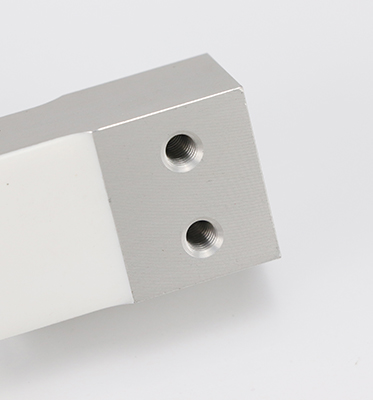
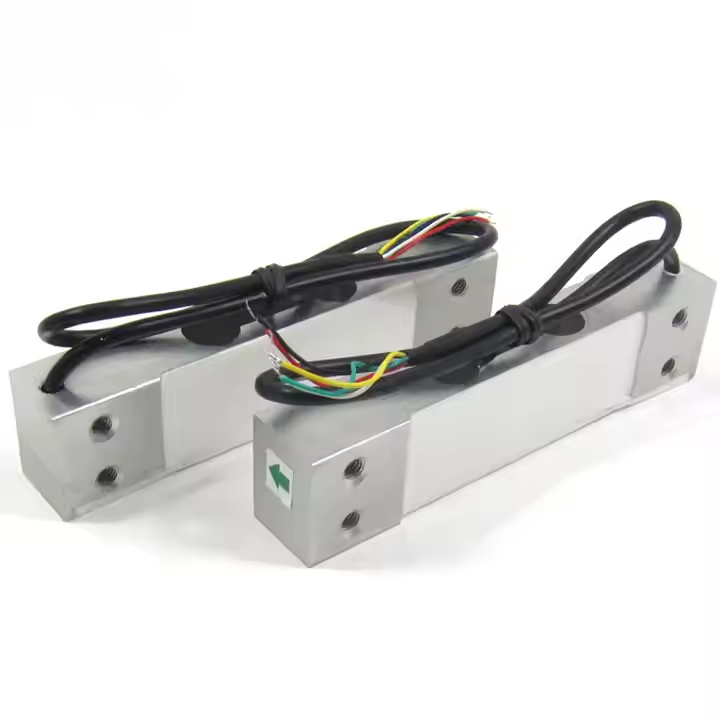
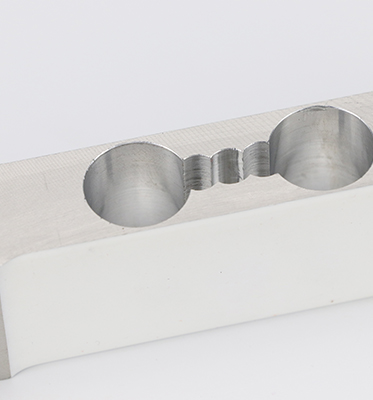
The materials used in the construction of PST load cell modules significantly impact their durability and accuracy. Common materials include aluminum and stainless steel. Aluminum load cells are lightweight and cost-effective, making them suitable for applications where weight is a concern. However, they may not offer the same durability as stainless steel options.
Stainless steel load cells, on the other hand, provide superior corrosion resistance and structural integrity, making them ideal for harsh environments. This is particularly important in industries like food processing or chemical handling, where exposure to moisture and corrosive substances is common.
Another consideration is the surface treatment of load cells, which can enhance their resistance to environmental factors. Anodizing or coating may be applied to improve durability without compromising accuracy. When selecting a load cell module, discuss these material options with your supplier to ensure they meet the demands of your specific application, including expected lifespan and operational conditions.
By understanding the specifications, sourcing options, installation issues, and material advantages of cantilever load cell for PLCs, B2B buyers can make informed decisions that enhance operational efficiency and product reliability.
 EN
EN