Choosing Tension and Compression Load Cells Wisely

application/tension-and-compression-load-cell, application/tension-and-compression-load-cell, 
Inquiry
Inquiry

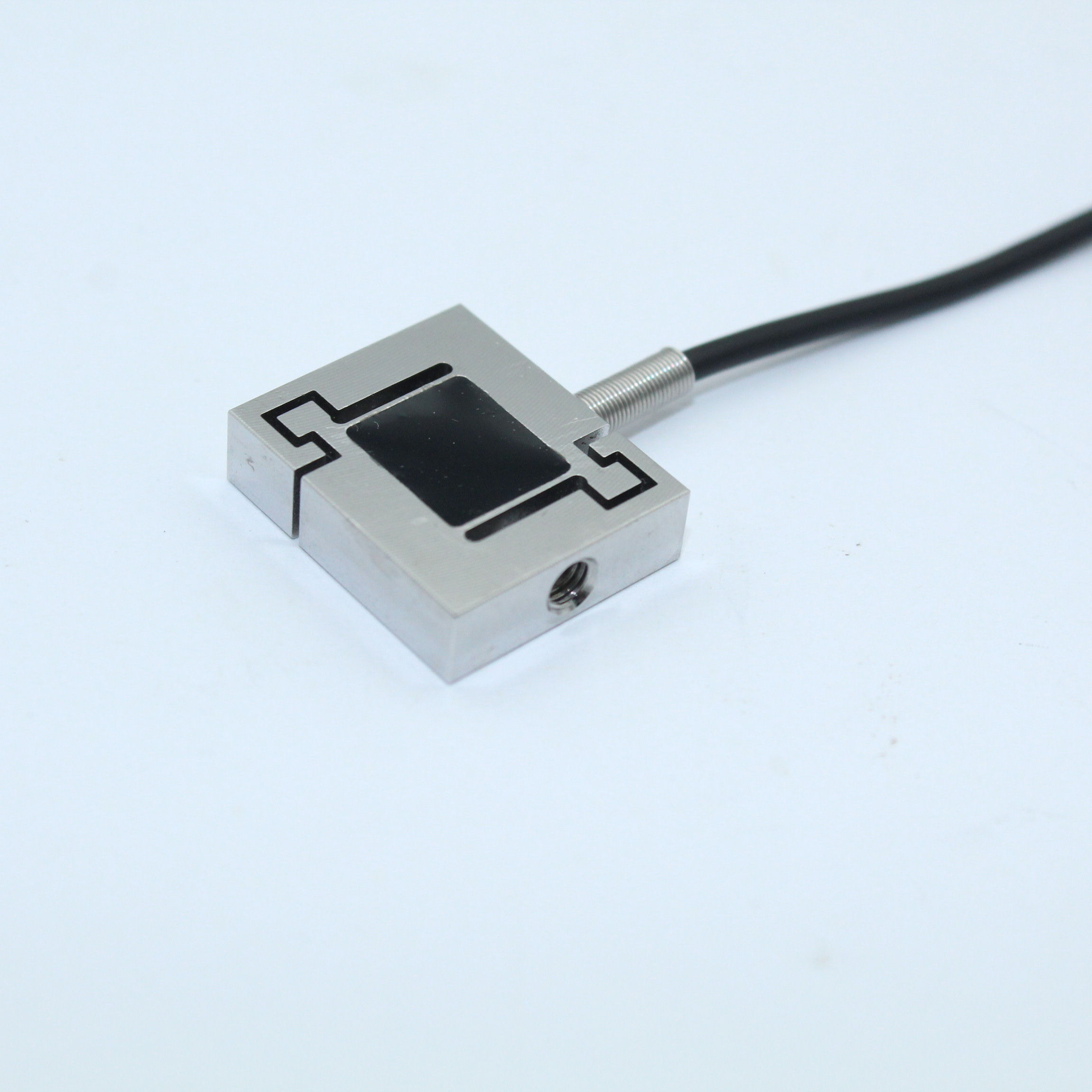
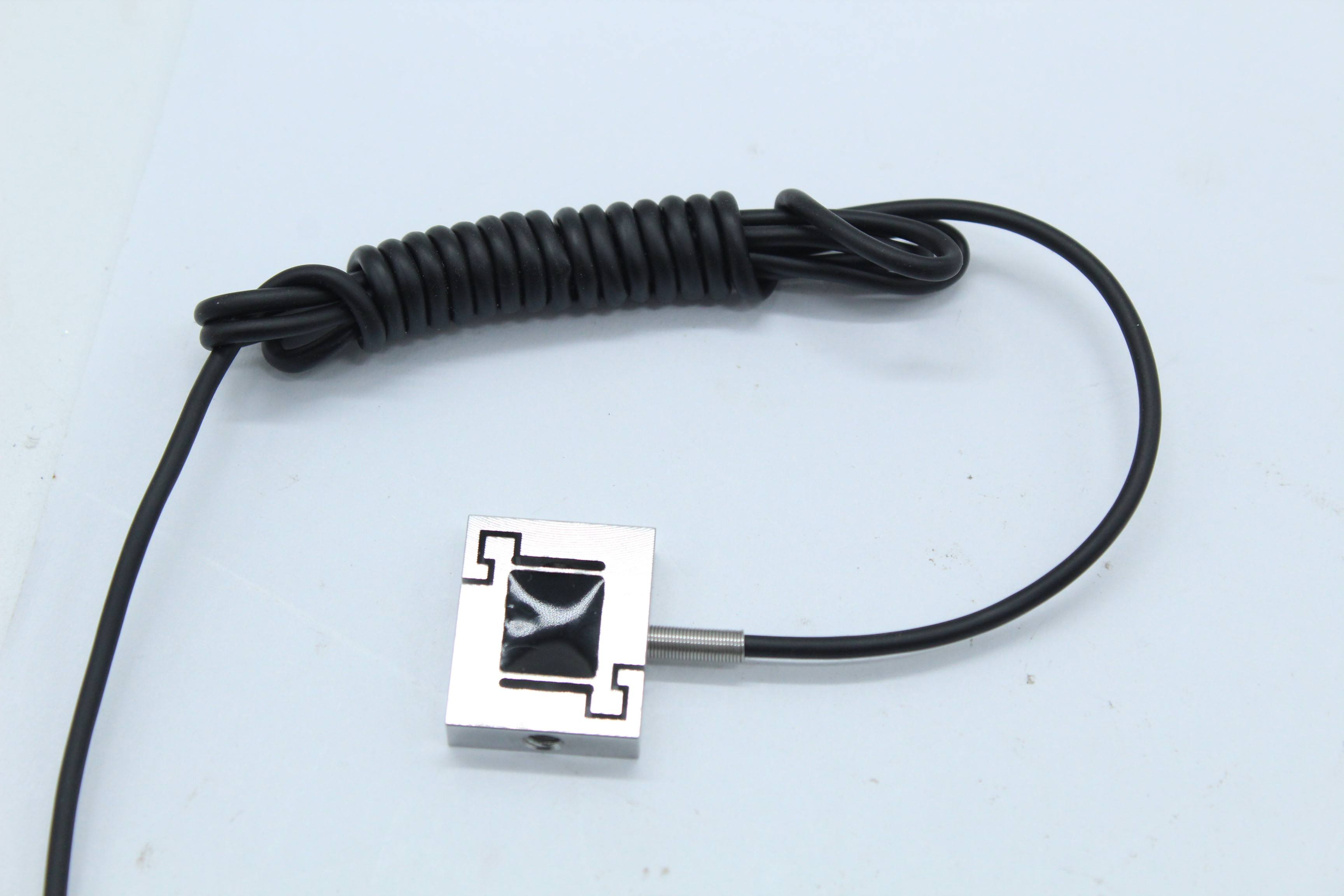
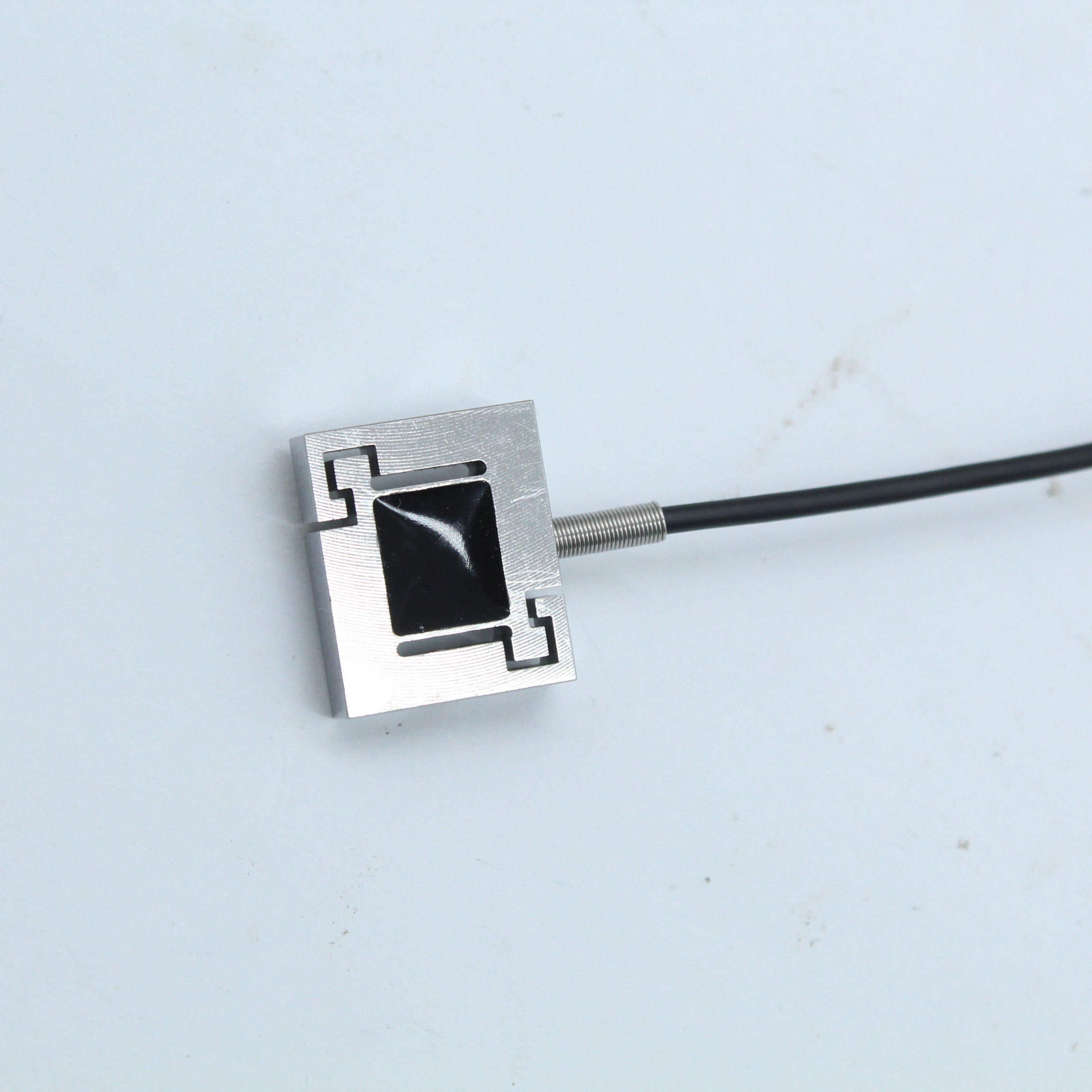
Tension and compression load cell

Tension and compression  load cells are critical devices used  to  measure force or weight in  various industrial  applications. These PST sensors play a vital role  in ensuring accurate  data for processes in  lifting, weighing, and automation. As a purchasing manager or  engineer, understanding how to select the right tension and compression load cells, identify  reliable suppliers, and navigate  common issues can significantly impact your project’s success. This article  will provide insights into  choosing tension  and  compression load cells,  addressing  buyer concerns, and ensuring quality and  reliability in your operations. For more details on the types of tension and compression load cells, you can check out our article on bending beam load cell. 

Where to Find Reliable Suppliers for Tension and Compression Load Cells

Where to Find Reliable Suppliers for Tension and Compression Load Cells

Finding a reliable supplier for  tension and compression  load cells requires thorough research. Start by exploring manufacturers with a proven track record of quality and innovation  in  load  cell technology. Look for companies  that hold certifications  such as CE and RoHS, as these indicate  adherence to safety and environmental standards. 

Industry trade shows and expos can also  be valuable opportunities to meet suppliers and see  products firsthand.  Engaging directly with manufacturers allows you to ask specific questions about their  products and capabilities  while assessing their expertise. 

Online platforms and industry directories can provide insights into supplier reputation. Customer  reviews and testimonials can help gauge the  reliability of a supplier. It’s also advisable  to request  samples before committing to bulk  orders,  as this allows you to evaluate product quality and performance in your application. 

Common Problems with Load Cells and Effective Solutions for Buyers

Common Problems with Load Cells and Effective Solutions for Buyers

Purchasing and using load cells can come with challenges  that may affect performance and reliability. One common issue is improper calibration. Load cells must be correctly calibrated  for accurate measurements. Ensure that your supplier provides calibration services  or  guidelines for setting the tension and compression load cells before use. 

Another problem is  environmental interference, which can lead to erroneous readings. Buyers  should consider tension and compression load cells with  built-in protection  against electrical noise or  environmental factors. Implementing appropriate shielding or  using signal conditioning  equipment can mitigate these issues. 

Additionally, installation errors  can  lead  to performance problems. Ensure that your installation team is trained  and understands  the specific  requirements for the wireless load cell type being used, including alignment and mounting techniques. Regular maintenance  checks can also help identify issues early, allowing  for timely solutions.


Comparing Quality Standards of Tension and Compression Load Cells

Comparing Quality Standards of Tension and Compression Load Cells

Quality  standards  for PST tension  and compression load cells vary significantly across manufacturers. It’s essential to compare these standards to ensure you are investing in a product that  meets your  operational requirements. 

Start by examining the material specifications used in the tension and compression load cells construction. High-quality materials, such as stainless steel, offer  durability and resistance to corrosion, which are critical in many industrial applications.  Additionally, the load cell's design—whether it's a  bending beam, shear  beam, or  another type—impacts its accuracy  and load  range. 

Manufacturers should also adhere to international quality standards, such as ISO 9001, which ensures systematic management  of quality in production processes. Reviewing the supplier’s quality  control processes can provide insight  into their commitment to  delivering reliable products. 

Lastly, consider the warranty and support offered by the supplier. A longer warranty  period often indicates confidence in the product’s reliability, and robust  customer support can be invaluable  in resolving issues quickly.

Understanding Cost Factors for Tension and Compression Load Cells

The cost of tension  and compression  load cells can vary widely based on several factors. First, the complexity of the load cell design plays a significant role.  Custom solutions with unique specifications will typically  cost more than standard  models. 

Material choice also  impacts pricing.  Load cells made from high-end materials, such as aerospace-grade alloys or specialized coatings for  corrosion resistance, may carry a premium. 

Another factor is the required accuracy level. Load cells with higher precision ratings often come  at a higher cost, but they are crucial in applications where accuracy is paramount, such as in the pharmaceutical or aerospace industries. 

Lastly, consider the total cost of ownership, which includes installation, calibration,  and maintenance expenses. Investing in a slightly  more expensive  load cell may lead to lower long-term costs if it reduces downtime and maintenance needs. Always request a detailed quotation that outlines all potential costs associated with your tension and compression load cells purchase to avoid surprises. 

With these insights,  you can  make informed decisions  when purchasing tension and compression tension and compression load cells.  Understanding the  specifications, quality standards,  and  potential challenges will enable you to choose the right solutions for  your industrial applications.

How to Choose the Right Tension and Compression Load Cell for Your Needs

When selecting a PST tension and compression load cell, several key factors should be considered to ensure  optimal performance for  your specific application. Start by evaluating the maximum load capacity required for your operation. Each load  cell has a defined range; exceeding  this can lead  to inaccurate readings or sensor damage. 

Next, consider the environmental  conditions in which the tension and compression load cells will operate. Factors such as  temperature fluctuations, humidity, and exposure to chemicals can affect sensor performance. For instance, a tension and compression load cells designed for  outdoor use may include moisture-proofing and a robust casing  to withstand harsh conditions. 

Additionally, pay attention to the sensor's output type. Load cells can provide analog or digital signals,  depending on the system requirements. Understanding your  data processing system will  help  you choose a  compatible load cell, ensuring  seamless integration. If you're looking for specific models, you might want to consider options like the industrial load cells for enhanced performance. 

Lastly, customization  capabilities are crucial. Many suppliers, like JIANGXI JINGCE SENSING TECHNOLOGY CO., LTD.,  offer OEM/ODM solutions, allowing you to specify dimensions, materials,  and features tailored  to your needs.

Frequently Asked Questions

What is a tension and compression load cell?

A sensor that measures both tensile and compressive forces, converting force into an electrical signal for accurate monitoring in lifting, weighing, automation, and new energy applications.
Our load cells provide high-precision accuracy and hold CE and RoHS certifications, ensuring reliable performance and regulatory compliance.
Yes. We offer OEM/ODM customization for capacity, mounting, output, and connectors to fit specific application requirements.
Designed for lifting, weighing, automation, and new energy industries, our load cells perform in industrial and outdoor environments with appropriate sealing and protection options.
Contact our sales or technical team via company channels for quotes, technical drawings, lead times, and dedicated support for integration and testing.

Get a Free Quote

Our representative will contact you soon.
0/1000