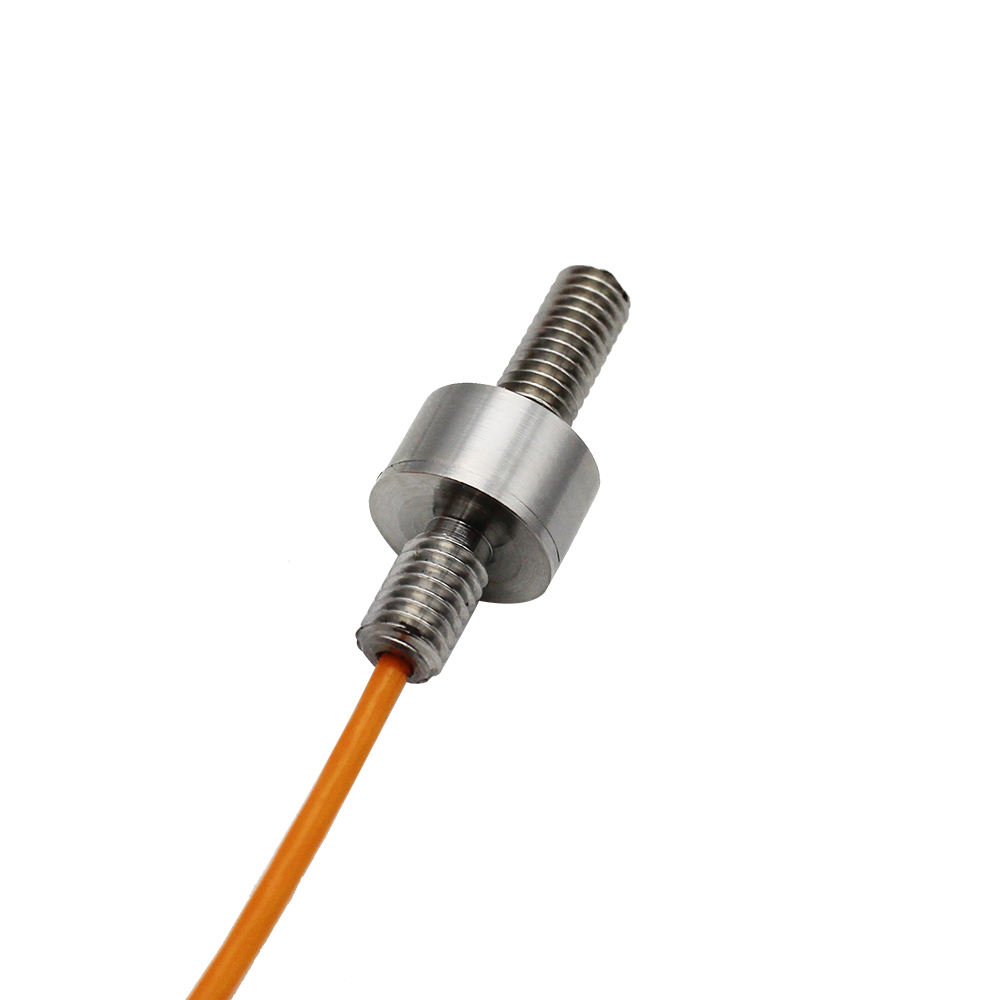
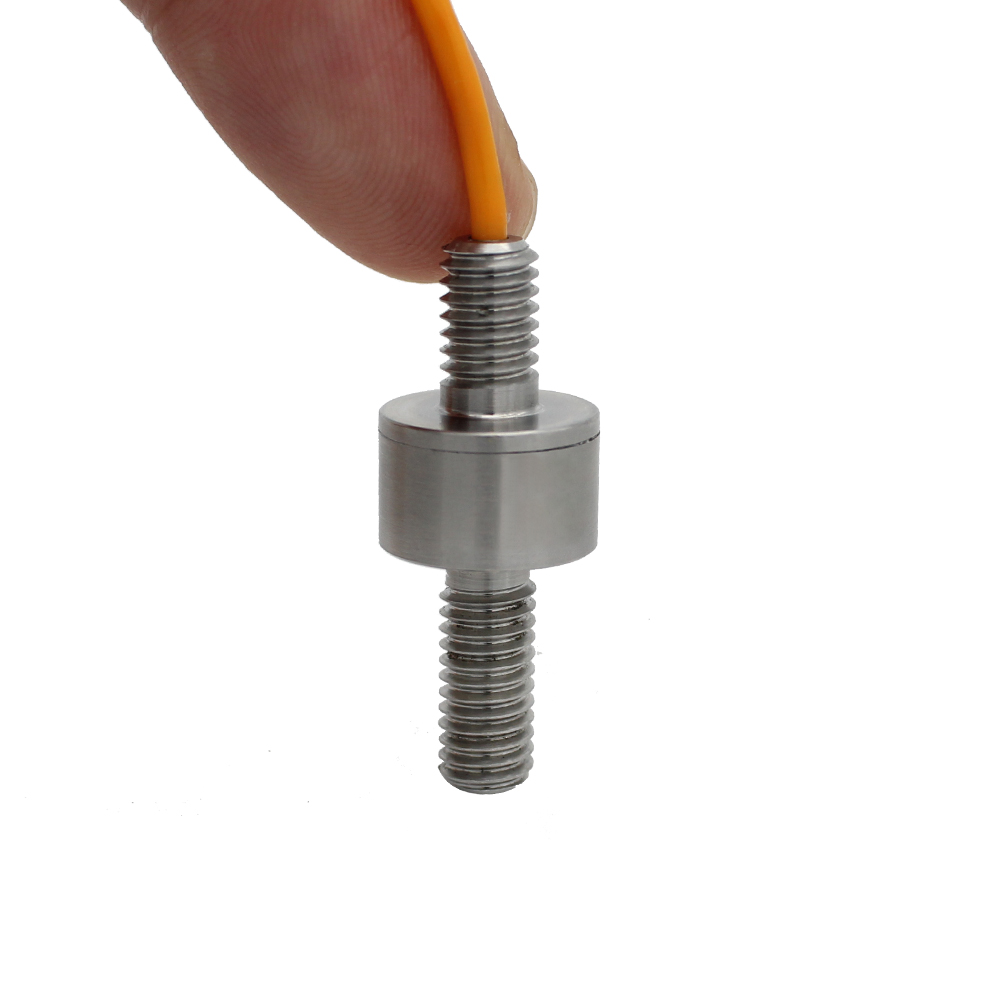
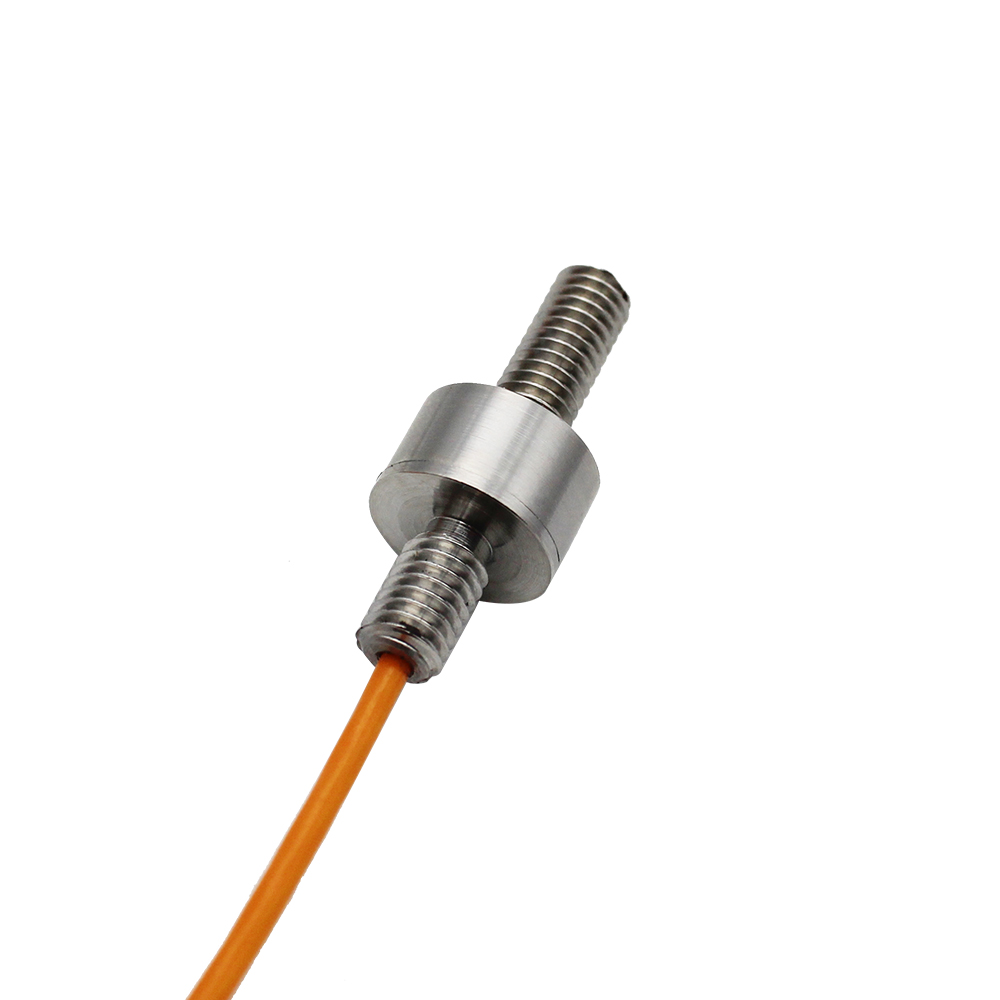
What to Consider When Choosing a Low Profile Tension Compression Load Cell
When selecting a low-profile tension compression load cell, several critical factors should be taken into account:
Load Capacity: Determine the maximum load the cell will measure. The load cell should have a capacity that exceeds the maximum expected load to ensure accuracy and prevent damage.
Material: Load cells can be made from various materials, such as aluminum or stainless steel. The choice of material impacts durability, weight, and resistance to environmental factors such as moisture or chemicals. Stainless steel is often preferred for its strength and corrosion resistance.
Accuracy and Resolution: Look for specifications on accuracy, usually expressed as a percentage of full scale. The resolution indicates the smallest change in load that can be detected. High accuracy and resolution are crucial in applications requiring precise measurements.
Environmental Conditions: Consider the installation environment. Will the load cell be exposed to moisture, vibration, or temperature extremes? Ensure the load cell is rated for the specific conditions it will encounter.
Output Signal: Different load cells provide various output signals (e.g., analog voltage, digital, or wireless). Choose a signal type that is compatible with your existing systems or measurement equipment. For example, a Mv Signal Amplifier for Load Cell can be a great choice.
Certification and Compliance: Verify that the load cell meets industry certifications, such as CE or RoHS, ensuring compliance with safety and environmental standards.
By considering these factors, buyers can select a low-profile tension compression load cell that meets their specific needs and applications.
 EN
EN