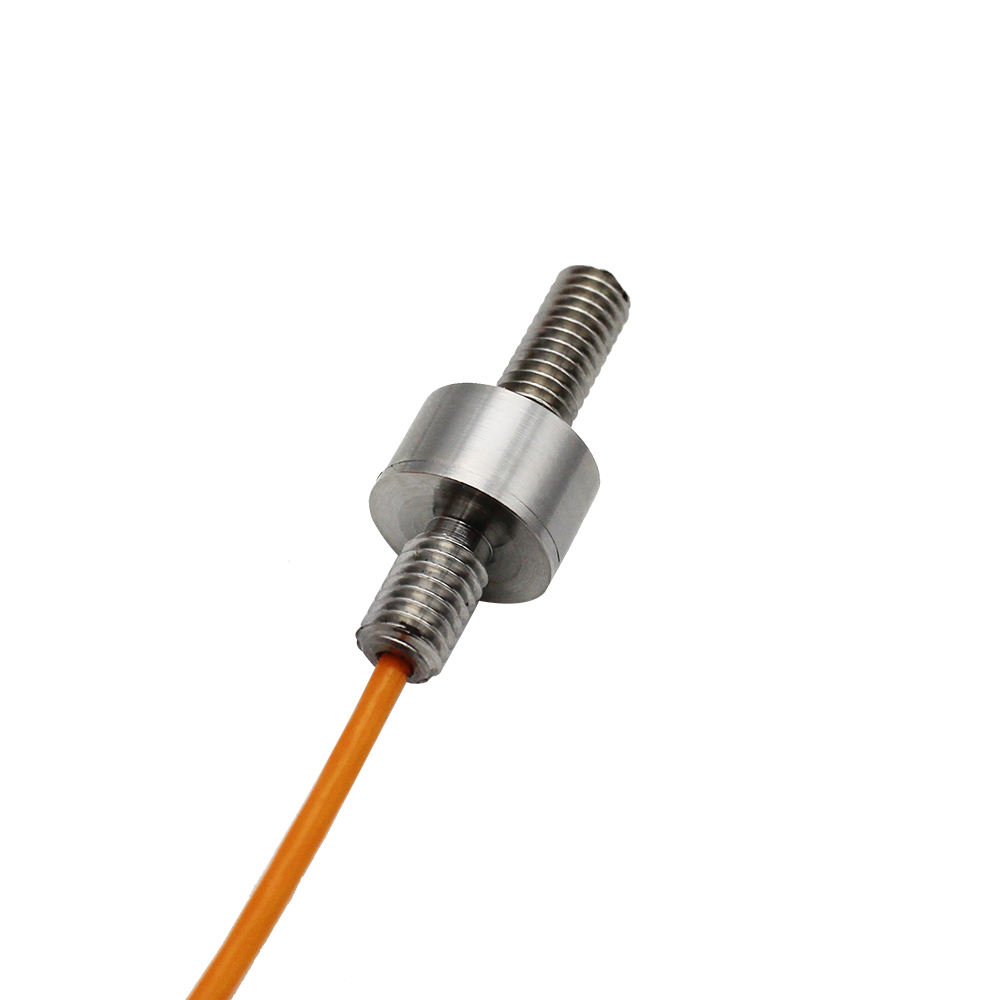
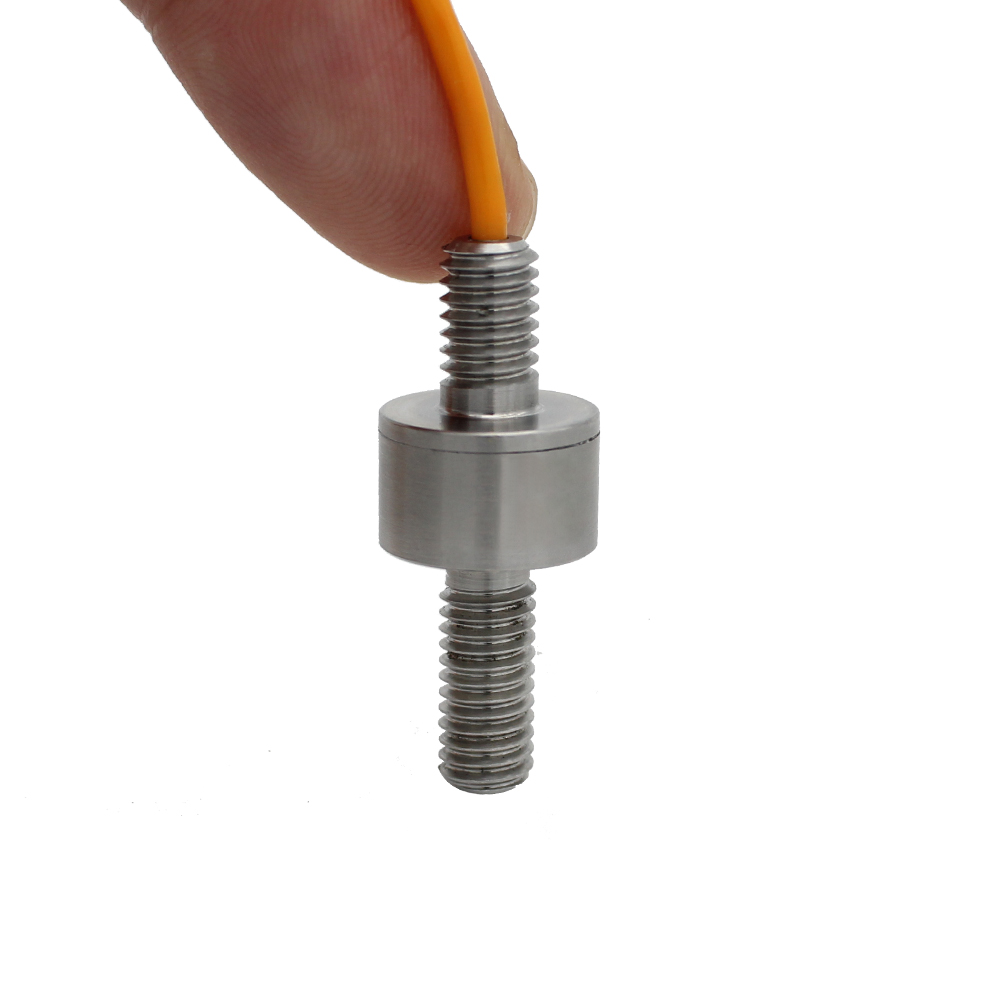
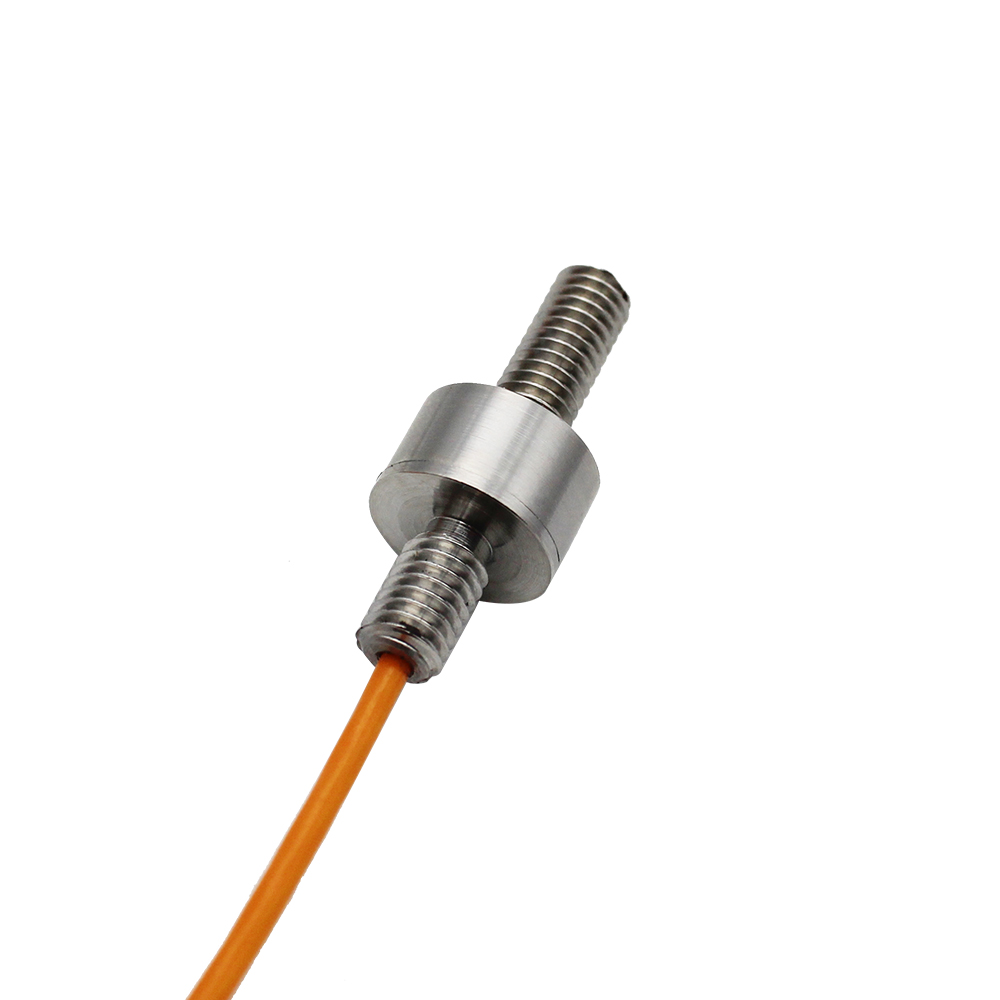
Low Profile Tension Compression Load Cells Guide

application/tension-compression-load-cell-low-profile, application/tension-compression-load-cell-low-profile, 
Inquiry
Inquiry

tension compression load cell low profile

Choosing the  right tension compression load cell is crucial for  ensuring accurate measurements in various applications, especially when  it comes to low-profile designs. Low  profile tension compression load cells  are engineered  to provide precise force measurements while maintaining a compact  size,  making them ideal for installations where space is limited.  Buyers often have concerns regarding specifications,  compatibility, quality, and sourcing  reliable manufacturers.  This article will  address  key considerations for selecting low-profile load  cells, where to source  them, common installation challenges,  their various applications,  and the features  and benefits that set  them apart. For instance, using a Customizable PMC Sensors Load Cell Transmitter can enhance your measurement capabilities.

Where to Source Reliable Low Profile Load Cells for Wholesale Purchases

Where to Source Reliable Low Profile Load Cells for Wholesale Purchases

Sourcing reliable low-profile  load cells requires due diligence to ensure that suppliers meet quality and performance standards. Here are some strategies for finding reputable  manufacturers:

Industry Associations and Trade  Shows: Attend industry  events or trade shows where load cell manufacturers showcase their products. This allows for direct interaction and provides opportunities to compare multiple suppliers.

Online  Marketplaces and  B2B Platforms: Utilize platforms like Alibaba or ThomasNet to identify manufacturers that specialize in load cells. Look for  those with positive  reviews, verified certificates,  and a history of successful transactions.

Manufacturer Directories: Research online directories  that focus on industrial components. Many directories categorize suppliers  by product type and include user  reviews, which can help gauge reliability.

Request  Samples: Before committing to bulk orders, request samples from  potential suppliers. This  is essential for evaluating the load  cell's performance in your specific application.

Check Certifications and Quality Control:  Ensure that the manufacturer maintains rigorous quality  control processes and possesses relevant certifications. This not only guarantees product quality but also demonstrates the manufacturer’s commitment to industry standards.

By following these steps, buyers can effectively identify trustworthy suppliers for  low-profile tension compression load cells.

 
Common Installation Challenges with Low Profile Load Cells and Solutions

Common Installation Challenges with Low Profile Load Cells and Solutions

While installing low-profile tension compression load cells, several challenges may arise. Here are some common issues and  their respective solutions:

Misalignment: Load cells must be aligned properly  to ensure accurate measurements.  Misalignment can  cause measurement errors. Use alignment tools or fixtures during installation  to ensure the load cell is positioned correctly.


Vibration  and Shock: Excessive vibrations from nearby machinery can affect load cell performance. To mitigate this, consider  installing isolation mounts or damping materials that absorb vibrations.

Temperature Fluctuations: Load cells can be sensitive to temperature changes, which may affect their readings. Ensure that the load cell is rated for the temperature range of the  environment. Additionally, consider  using temperature compensation techniques in your application.

Electrical Noise: Electrical noise  from nearby equipment  can interfere with the load cell’s output signal. Use shielded  cables for connections and ensure proper grounding  to reduce interference.

Inadequate Support: Ensure that the load  cell is adequately supported according  to its specifications.  Insufficient support can  lead to  damage or incorrect measurements.

By anticipating these challenges and implementing effective solutions, users can  ensure the successful installation and operation of low-profile tension compression load cells.

Applications of Low Profile Tension Compression Load Cells in Industry

Applications of Low Profile Tension Compression Load Cells in Industry

Low-profile tension  compression load cells  are versatile devices with applications across various industries:

Manufacturing:  Used in automated weighing  systems, load  testing equipment, and robotic assembly lines,  these load  cells ensure precision in manufacturing processes.

Aerospace: In aerospace applications, low-profile  load cells are  utilized for testing components  and structures, providing critical data that informs safety and  performance standards.

Automotive: These load cells are instrumental  in crash testing  and  component  testing within the automotive industry, allowing engineers to evaluate performance under  various load conditions.

Medical Devices: Low-profile  load cells are used in medical equipment for accurate  weight measurements, ensuring patient safety and  compliance with medical standards.

Construction and Civil Engineering: Load cells are employed in structural health monitoring, providing real-time data on the load-bearing capacity of structures. For instance, the High Performance 100Nm Static Torque Sensor Load Cell is widely used in this field.

By understanding the diverse applications of low-profile tension compression load cells, buyers can better assess their requirements  and select suitable products.

Features and Benefits Explained

Low-profile tension compression load cells offer several features  and benefits that enhance their performance in various applications:

Compact Design: The  low-profile design allows installation in tight spaces, making them suitable for applications where height  restrictions are a concern.

High Precision: These  load cells are engineered for  high accuracy, ensuring reliable measurements  that enhance overall system  performance.

Robust  Construction: Typically made from durable materials, these load cells  are designed to withstand harsh environments, contributing to longevity and  reducing maintenance needs.

Versatile Output Options:  Many low-profile load cells offer  multiple output options, allowing seamless integration with various control systems and  data acquisition systems.

Customization Capabilities: Many manufacturers, including JIANGXI  JINGCE  SENSING TECHNOLOGY CO., LTD., provide OEM/ODM solutions, allowing for tailored products that meet specific customer requirements.

By understanding these features and benefits, buyers can make informed decisions that  align with their  operational  needs  and enhance their measurement  systems.

What to Consider When Choosing a Low Profile Tension Compression Load Cell

When selecting a low-profile tension compression load cell, several critical factors should be taken into account:

Load Capacity: Determine the maximum load the cell will measure. The  load cell should have a capacity  that exceeds the maximum expected load to ensure accuracy and  prevent damage.

Material: Load cells  can be made from various materials, such as aluminum or stainless steel. The choice of material impacts durability, weight,  and  resistance to environmental factors such  as moisture or chemicals. Stainless steel is often preferred for its strength and corrosion resistance.

Accuracy and Resolution: Look for specifications on accuracy, usually expressed as a  percentage of full scale. The resolution indicates the smallest change  in load that can be detected. High accuracy and resolution  are crucial in applications requiring precise measurements.

Environmental Conditions: Consider the installation environment. Will the load cell be exposed to moisture, vibration, or  temperature extremes? Ensure the load cell  is  rated for the specific  conditions it will  encounter.

Output Signal: Different load cells provide various output signals (e.g., analog voltage, digital, or wireless). Choose a signal type that  is compatible with your  existing systems  or measurement equipment. For example, a Mv Signal Amplifier for Load Cell can be a great choice.

Certification and Compliance: Verify that the load cell meets industry certifications, such as CE or RoHS, ensuring compliance with safety and environmental standards.

By considering these factors,  buyers can select a low-profile tension compression load cell that meets  their specific needs and applications.

Frequently Asked Questions

What is a tension compression low profile load cell?

A compact load cell that measures both tensile and compressive forces with a low-profile design for limited-space installations, providing high precision for lifting, weighing, and automation applications.
Our load cells offer high precision and come with CE and RoHS certifications to meet international safety and environmental standards.
Capacities vary by model to suit different needs, from small-scale force measurement to heavy-duty lifting; please contact us for specific ranges and recommendations.
Yes. We offer OEM and ODM services to customize load cell specifications, mounting options, and calibration to fit your application and industry requirements.
Ideal for lifting equipment, industrial weighing, automation systems, and new energy projects where space is limited and precise tension/compression measurement is required.

Get a Free Quote

Our representative will contact you soon.
0/1000