Load Cell Specifications and Applications

application/load-cell-and-amplifier, application/load-cell-and-amplifier, 
Inquiry
Inquiry

Load cell and amplifier

Load cells and amplifiers are critical components in various industrial applications, providing precise measurement of force and weight. For businesses in lifting, weighing, automation, and new energy sectors, understanding the specifications and proper implementation of these devices is essential for optimal performance. This article will address key buyer concerns, including specifications, purchasing factors, installation guidance, application suitability, and industry-specific uses. By the end, readers will have a clearer understanding of how to choose the right bending beam load cell for their needs.

Key Factors for Bulk Purchases

Key Factors for Bulk Purchases

When considering bulk purchases of load cells and amplifiers, several factors should be evaluated to optimize cost and efficiency:

Minimum Order Quantity (MOQ): Determine the supplier's MOQ, which can affect pricing and inventory management. Larger orders often result in discounts, but it's essential to balance cost with storage capacity. 

Pricing Factors: Assess the total cost of ownership, including shipping, handling, and potential tariffs if importing. In addition, inquire about price breaks for larger quantities or long-term contracts. 

Lead Time: Understand the production time before shipping. This is critical for planning project timelines, especially in industries with strict deadlines. 

Customization Options: Many manufacturers, like JIANGXI JINGCE SENSING TECHNOLOGY CO., LTD., offer OEM/ODM solutions, allowing you to tailor load cells to specific needs. Discussing customization can lead to better integration with existing systems and improved performance. 

Quality Assurance: Request information on quality control processes to ensure that bulk purchases meet consistent standards. Understanding testing protocols and failure rates can provide peace of mind. 

By carefully evaluating these factors, companies can make informed decisions that enhance their operational efficiency and cost-effectiveness.

Installation Guidance for Load Cells and Amplifiers in Projects

Installation Guidance for Load Cells and Amplifiers in Projects

Proper installation of PST load cells and amplifiers is crucial for accurate performance. Here are key considerations: 

Mounting Techniques: Ensure the load cell is mounted securely, typically using a bolted connection. Misalignment can lead to inaccurate readings or premature failure. 

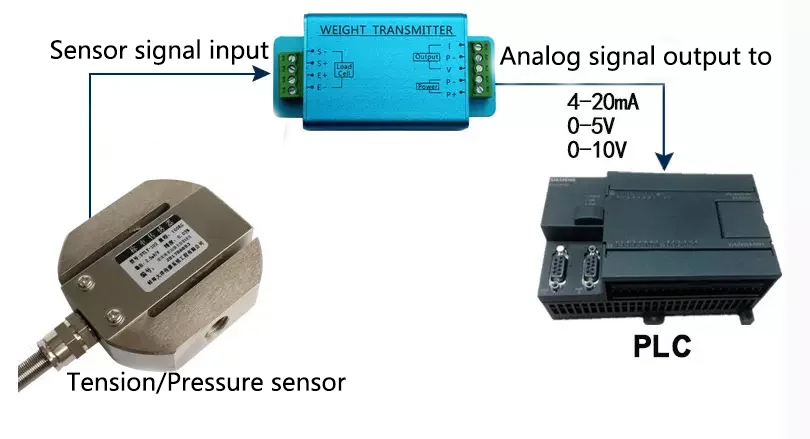
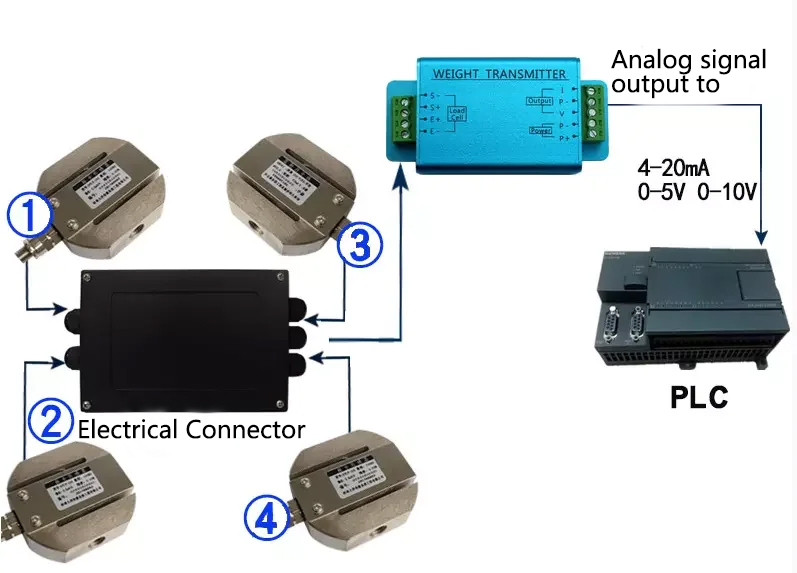
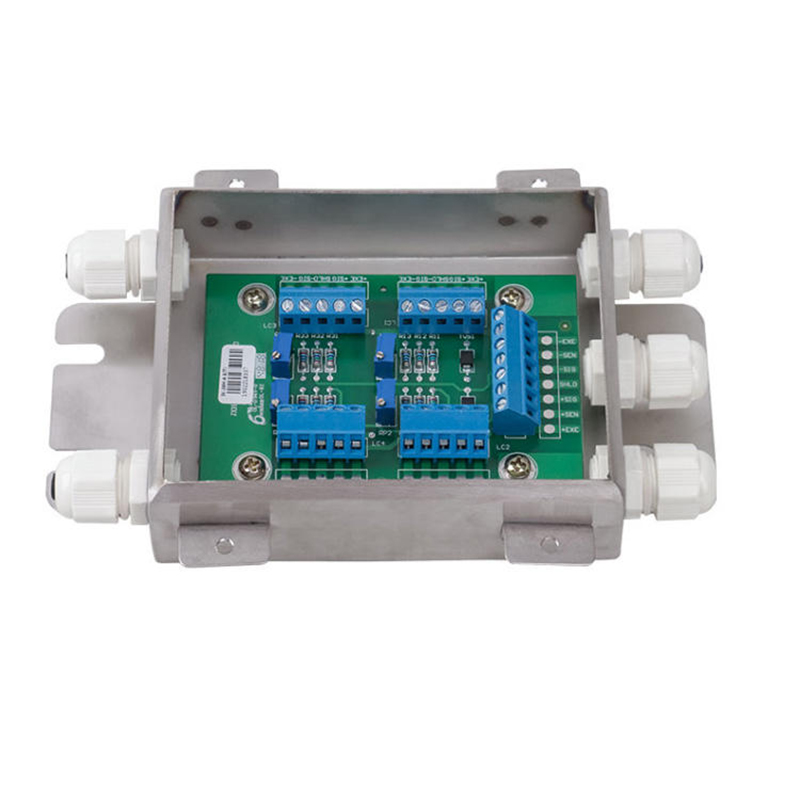
Wiring and Connections: Follow the manufacturer’s guidelines for electrical connections. Use appropriate gauge wires to minimize signal loss, and ensure all connections are secure to prevent issues from vibration or movement. 

Calibration: After installation, calibrate the load cell and amplifier according to the manufacturer's specifications. Regular calibration is recommended to maintain accuracy over time. 

Environmental Considerations: If the application involves exposure to harsh conditions, ensure the load cell is appropriately protected (e. g., using enclosures or weatherproofing) to prolong its lifespan. 

Testing: Conduct tests under actual operating conditions post-installation. This helps confirm that the setup is functioning correctly and provides an opportunity to make adjustments as needed. 

By following these guidelines, businesses can enhance the reliability and accuracy of their load cell and amplifier systems.

Which One Fits Your Application?

Which One Fits Your Application?

Choosing the right PST load cell and amplifier depends on specific application requirements. Here are some considerations to guide your selection: 

Type of Measurement: Different load cells (e. g., compression, tension, shear beam) are designed for specific applications. For instance, tension load cells are ideal for weighing suspended loads, while compression load cells are suited for static applications. 

Working Environment: Consider the environmental conditions where the load cell will be used. For example, a load cell exposed to moisture may require a hermetically sealed design or corrosion-resistant materials. 

Integration Requirements: Evaluate how the load cell and amplifier will integrate with existing systems, including data acquisition systems or control units. Compatibility with communication protocols (like RS-232 or RS-485) may also be necessary. 

Performance Needs: Identify the accuracy and sensitivity levels required for your application. For high-precision tasks, choose load cells that offer lower error margins and higher sensitivity. 

Cost vs. Performance: Balance the cost of the load cell and amplifier with the performance needs of your application. Sometimes, investing in higher-quality components can lead to lower total operating costs due to reduced maintenance and increased efficiency. 

By assessing these factors, buyers can make informed choices that enhance operational efficiency and meet their specific application needs.

Exploring Applications of Load Cells in Various Industries

Load cells are versatile components used across various industries, each with unique requirements: 

Manufacturing: In production lines, load cells monitor material weights in real-time, ensuring quality control and efficient processing. They are essential for applications like batching, filling, and inventory management. 

Transportation: Load cells are used in weighbridges for trucks and railcars to ensure compliance with weight regulations. Accurate measurements help avoid penalties and improve logistics planning. 

Healthcare: Load cells are integral in medical scales and hospital beds, providing precise weight measurements for patient care and dosing calculations. 

Aerospace: In the aerospace sector, load cells monitor the forces acting on structures during testing phases. High precision is critical for ensuring safety and performance. 

Agriculture: Load cells contribute to modern agricultural practices, such as monitoring the weight of produce during harvesting and transport. This data is vital for optimizing yield and supply chain management. 

Understanding these applications helps buyers identify the best load cell solutions for their industry needs, ensuring optimal performance and compliance with regulatory standards. 

By focusing on the specifications, purchasing factors, installation guidance, application suitability, and industry-specific uses, businesses can better navigate the complexities of selecting the right load cell weight sensor for their needs.

Understanding Load Cell Specifications for Optimal Performance

When selecting a PST load cell and amplifier, the specifications are paramount to ensure they meet your application requirements. Key specifications include load capacity, accuracy, sensitivity, and environmental ratings. 

Load Capacity: This indicates the maximum force a load cell can measure. It is crucial to select a load cell that exceeds the anticipated loads to prevent damage and ensure reliability. 

Accuracy: This refers to how closely the load cell's output corresponds to the actual load. High-precision applications demand load cells with minimal error rates, typically indicated as a percentage of full scale. 

Sensitivity: This is the smallest change in load that the load cell can detect, expressed in mV/V. A higher sensitivity is beneficial for applications requiring fine measurements. 

Environmental Ratings: Load cells may need to withstand harsh conditions like moisture, chemicals, or extreme temperatures. Look for IP ratings or specific material choices that offer protection against these elements. 

Understanding these specifications helps buyers select digital load sensor that not only fit within their engineering criteria but also provide long-term reliability in their specific environments.

Frequently Asked Questions

What types of load cells do you offer?

We supply high-precision load cells including single-point, S-type, shear beam, compression, and tension models tailored for weighing and force measurement applications.
Yes. Our load cells and amplifiers carry CE and RoHS certifications, ensuring compliance with safety and environmental standards.
Yes. We offer OEM/ODM customization for mechanical design, calibration, connectors, mounting, and firmware to meet specific industry requirements.
Yes. Our sensors and wireless dynamometers are designed for lifting, weighing, automation, and new energy applications with robust accuracy and reliability.
We provide technical support for installation, signal conditioning, amplifier setup, calibration procedures, and documentation to ensure proper integration and accuracy.

Get a Free Quote

Our representative will contact you soon.
0/1000