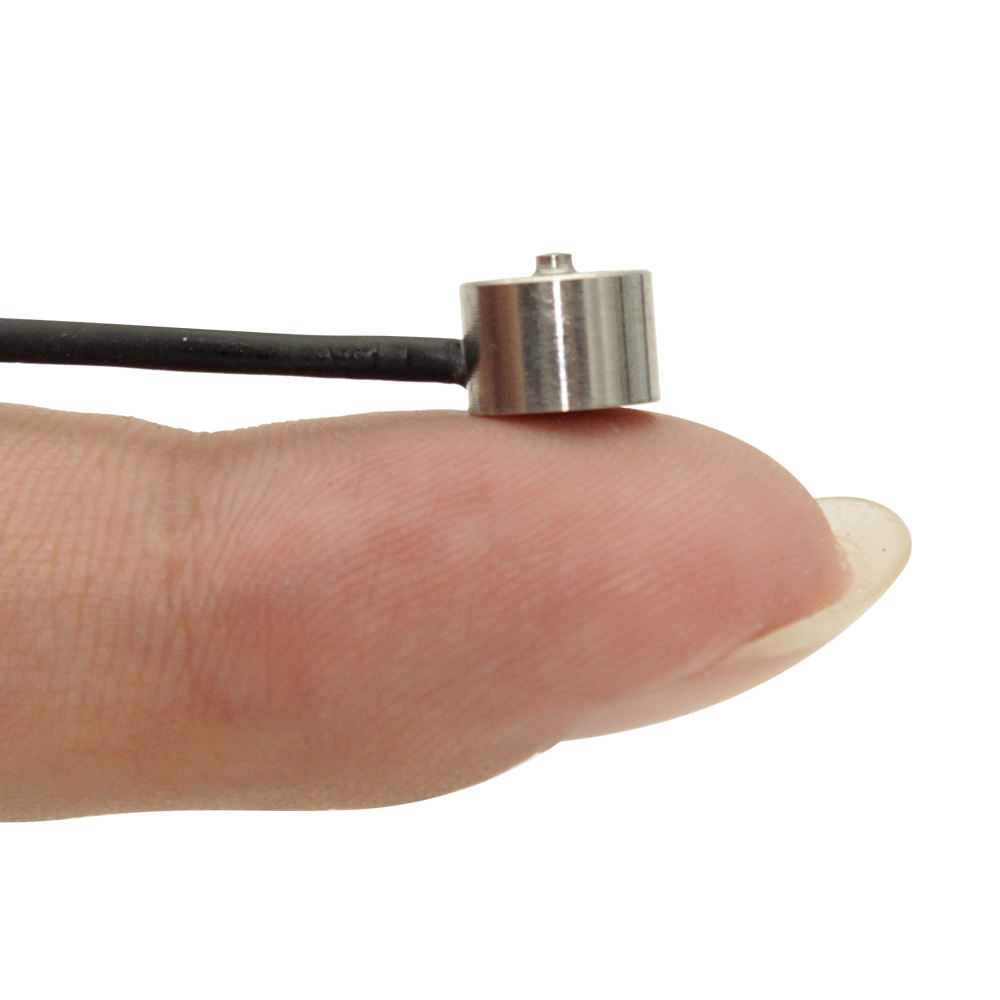
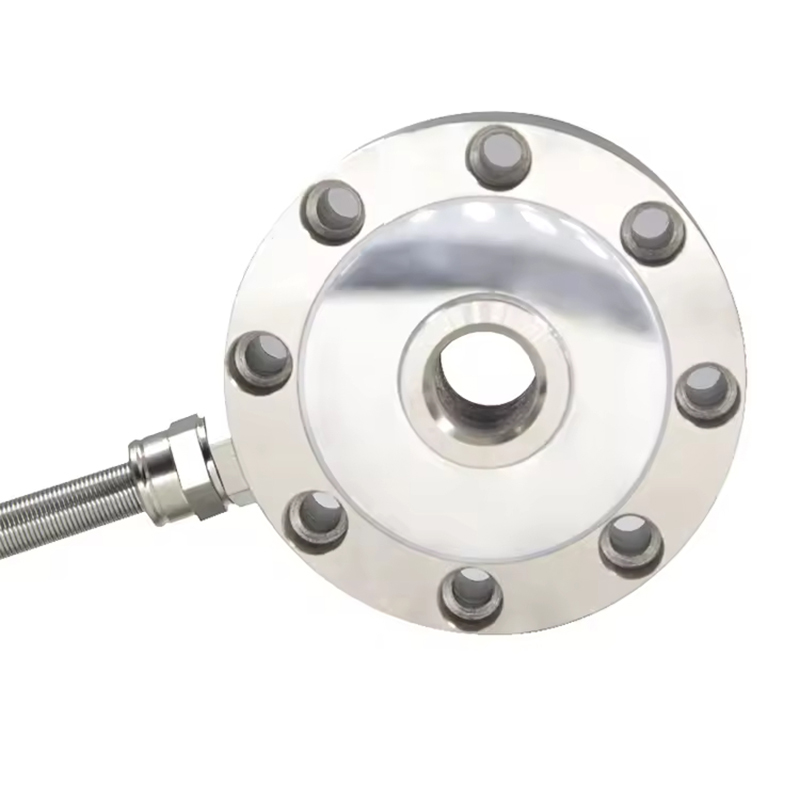
Key Specifications to Consider in Truck Scale Load Cells
When selecting truck scale load cells, several specifications are pivotal to ensuring optimal performance. Key considerations include:
Load Capacity: Truck scale load cells are designed to handle specific weight ranges. Evaluating the load capacity is crucial; exceeding the rated limit can result in inaccurate measurements or even damage to the load cell.
Accuracy and Precision: Look for load cells with high accuracy levels, typically expressed as a percentage of full-scale output. This is essential in applications where precise weight measurements are mandatory for regulatory compliance.
Material and Construction: The materials used in manufacturing load cells significantly affect their durability and performance. Common materials include stainless steel, which offers corrosion resistance and durability, making it suitable for outdoor environments. For more insights into various load cell types, refer to our article on Load cell.
Environmental Resistance: Depending on the application, load cells may need to withstand harsh conditions, such as moisture, dust, or extreme temperatures. Ensure that the load cells have adequate IP ratings or protective coatings to prevent degradation.
Calibration and Certification: Verify if the load cells are calibrated and certified (e.g., by CE or RoHS) for your specific application. This ensures that they meet industry standards and enhances reliability.
Installation and Compatibility: Consider the physical dimensions and installation requirements of the load cells to ensure they will fit and function correctly within your specific truck scale system.
By focusing on these specifications, you can make informed decisions that align with your operational needs.
 EN
EN