Truck Scale Load Cells: Key Specifications & Benefits

application/truck-scale-load-cells, application/truck-scale-load-cells, 
Inquiry
Inquiry

truck scale load cells

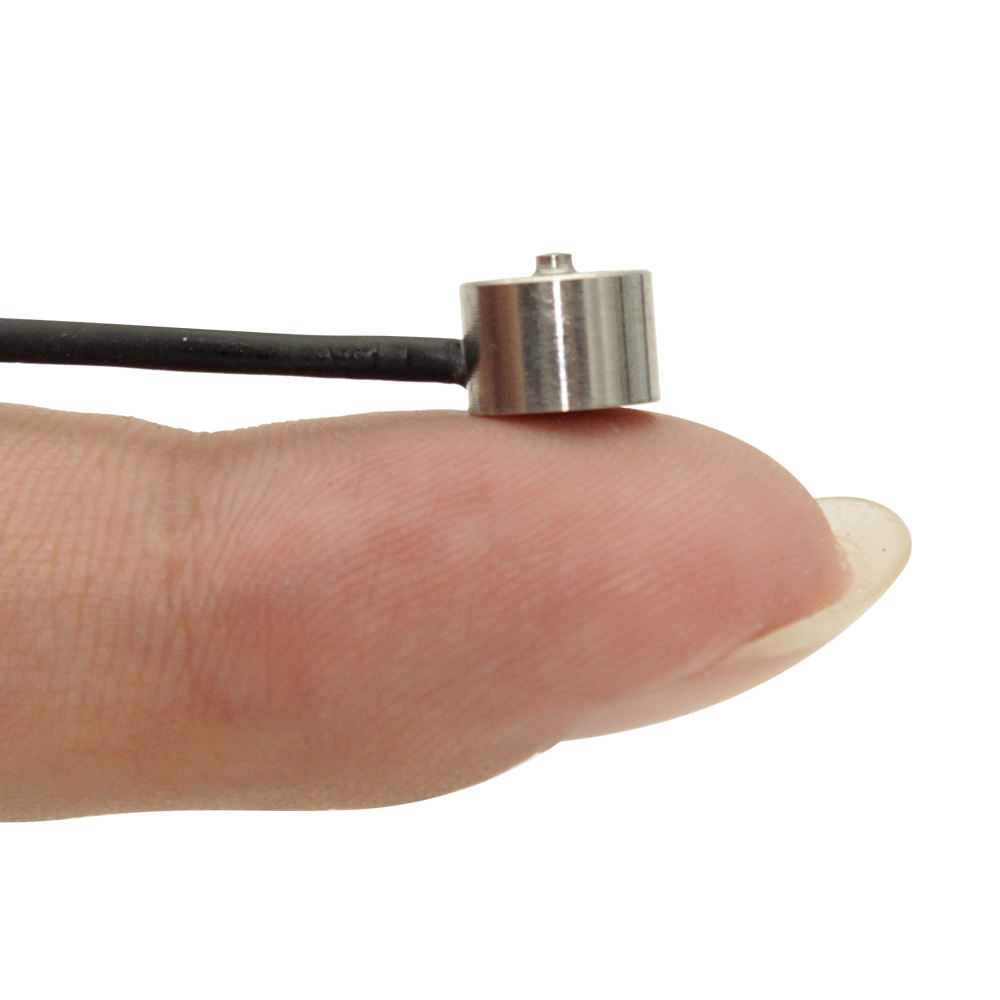
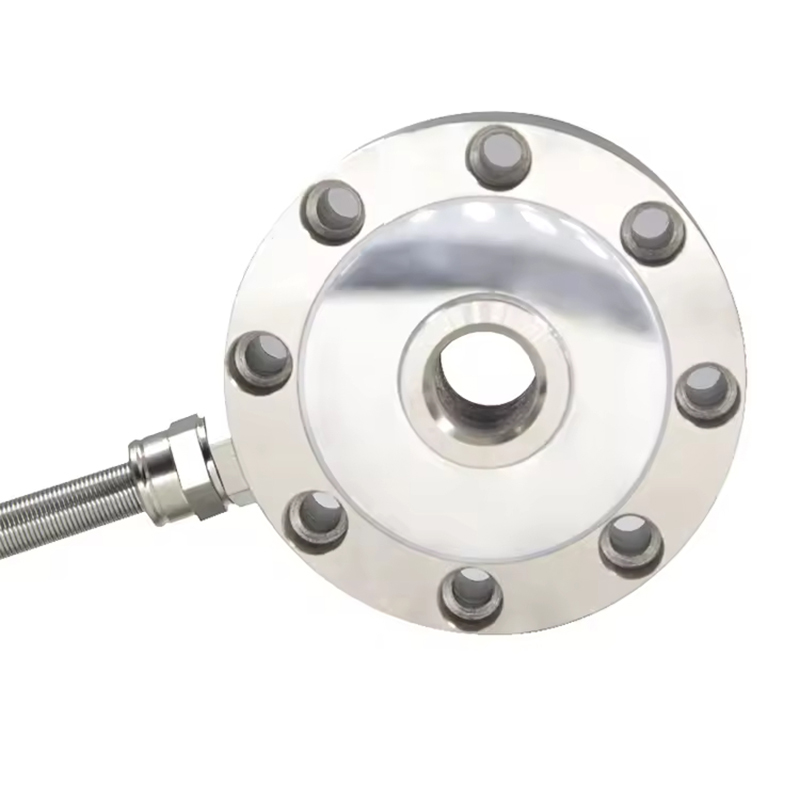
Truck scale  load cells are critical components used in the weighing of large vehicles and  their loads, ensuring accurate measurements  that are essential  for compliance, operational efficiency,  and safety. As a  purchasing manager or engineer,  understanding the  key  specifications  of truck  scale  load cells, their applications, and selecting  a reliable supplier is crucial. This  article will delve into the key specifications to consider, where to find trustworthy  suppliers, the  various applications across industries,  their features  and  benefits, and the material advantages of  these load cells.

Where to Find Reliable Suppliers for Truck Scale Load Cells

Where to Find Reliable Suppliers for Truck Scale Load Cells

Finding reliable suppliers  for truck scale load cells involves researching vendors who demonstrate a solid reputation and industry experience. Here are some methods to identify trustworthy suppliers:

Industry Directories:  Utilize online B2B platforms or industry-specific directories that list manufacturers and suppliers of load cells. Look for companies with positive  reviews and ratings.


Trade Shows  and Expos:  Attend industry trade shows where manufacturers showcase their products. This is an excellent opportunity to meet potential  suppliers face-to-face, discuss your  needs, and  assess product quality firsthand.

Networking: Engage with industry professionals  through forums, LinkedIn groups, or local  chapters of relevant trade associations. Recommendations from peers can  lead you to  reliable suppliers.

Certifications and Standards: Ensure that the suppliers adhere to  recognized industry standards  and possess necessary certifications. This can  be an indicator of their commitment to quality and reliability.

Request for  Proposals (RFPs): When you have a  clear understanding of your requirements, issue  RFPs to multiple suppliers. This allows you to compare offerings, pricing, and lead times  while also gauging their responsiveness and professionalism.

By employing these strategies, you can streamline the procurement process and select suppliers that meet your specifications and quality standards.

Applications of Truck Scale Load Cells in Various Industries

Applications of Truck Scale Load Cells in Various Industries

Truck scale load cells  find applications across a diverse range of industries, each with unique requirements:

Transportation  and Logistics: These  load cells are essential for ensuring the accuracy of freight weights during loading and unloading processes, helping  companies comply with transportation regulations.

Mining and Agriculture: In these sectors, truck scale load cells are used to measure the weight of bulk materials, such  as  minerals or harvested crops, enabling better inventory management and operational efficiency.

Construction:  Load  cells play  a  vital role in monitoring the weight of construction materials transported to job  sites, ensuring that  vehicles do not exceed weight limits that could affect road safety.

Waste Management: In waste collection, truck scale load cells are used to accurately measure the weight of refuse being collected,  which is essential for billing and compliance with regulations.


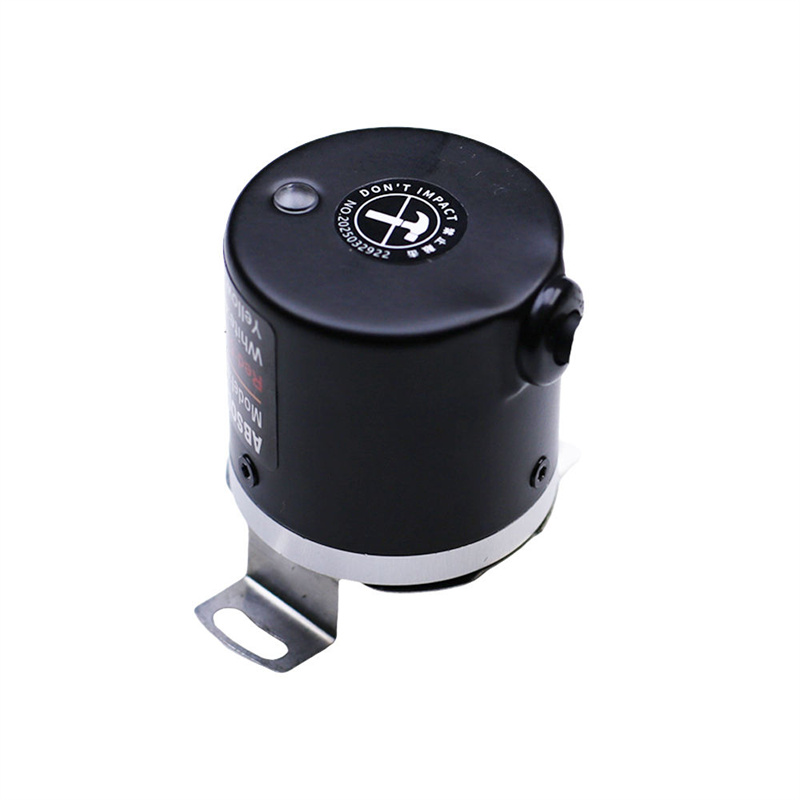
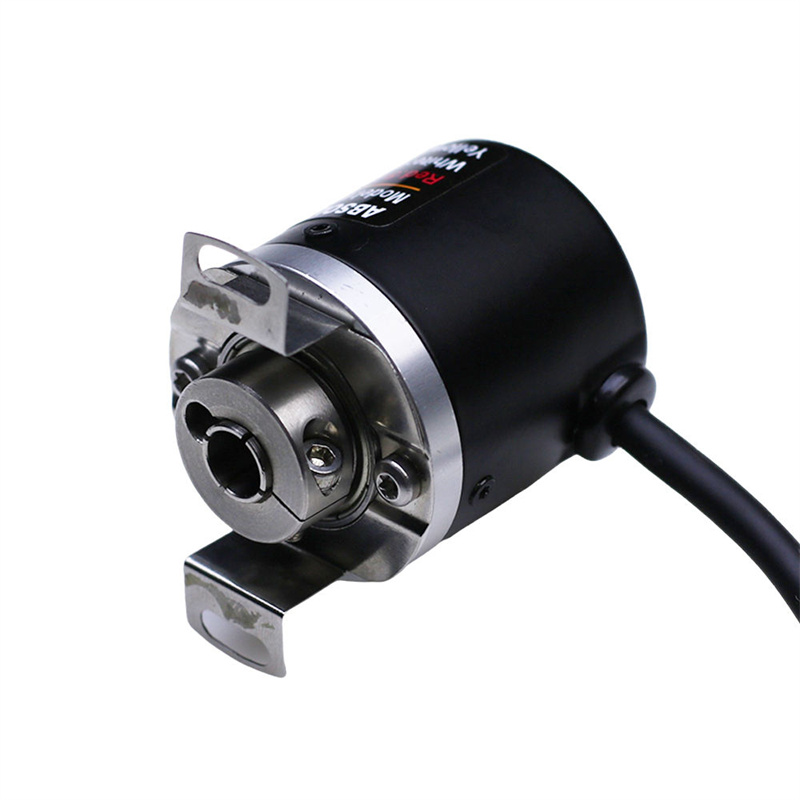
Manufacturing: Many manufacturing  processes  require accurate weight measurements for raw materials or finished products,  making load cells integral  to maintaining quality control. To explore more about the load cell technology, check our section on Incremental encoder.

Understanding these  applications helps in selecting the right load  cells tailored to specific industry needs.

Features and Benefits

Features and Benefits

Truck scale load cells come equipped with numerous features that enhance their functionality:

High Sensitivity: Many load cells are  designed with high sensitivity,  allowing  for  accurate readings  even with small weight changes.

Digital Output: Some models offer digital output options,  simplifying integration with  modern weighing  systems and improving data accuracy.

Rugged Design: Built to  withstand  harsh conditions, these load  cells often feature weatherproof designs, making them reliable for outdoor use.

Ease of Installation: Many load cells are designed for easy  installation, reducing downtime and labor costs during setup.

Cost Efficiency:  Investing in high-quality load cells  can  lead to long-term savings by reducing inaccuracies that may lead  to penalties or operational  inefficiencies.

The  combination of these features results in  enhanced operational efficiency and reliability, making truck scale load cells  a worthwhile investment for businesses.

Understanding the Material Advantages of Truck Scale Load Cells

The materials  used in the construction of truck scale load cells significantly influence their performance and longevity. Common materials include:

Stainless Steel: Known for its excellent corrosion resistance, stainless steel is  often used in load cells exposed to outdoor environments or harsh chemicals. This durability helps maintain accuracy over  time.

Aluminum: While lighter than stainless steel, aluminum  load cells can provide  sufficient strength  for certain applications. They are often chosen for their affordability and ease of installation.

Coatings and Treatments: Load cells may feature protective coatings, such as epoxy or powder coatings, to enhance  their resistance to environmental factors, including moisture  and  dust.


Selecting the appropriate material based on  the application  can greatly enhance the performance and lifespan of truck scale load cells, ultimately supporting operational efficiency and accuracy.

By understanding  these specifications, sourcing reliable suppliers,  and recognizing  the applications and material advantages of truck scale load cells, B2B buyers can make informed decisions  that  align  with their  operational requirements and contribute to  overall success.

Key Specifications to Consider in Truck Scale Load Cells

When selecting truck scale load cells, several specifications  are pivotal to ensuring optimal performance. Key considerations include:

Load Capacity: Truck scale load cells are designed to handle specific weight ranges. Evaluating the  load capacity  is crucial; exceeding the rated limit can result in inaccurate measurements or even damage to the load cell.

Accuracy and Precision:  Look for load cells with high accuracy levels, typically expressed as a percentage of  full-scale output. This is essential in applications where precise weight measurements are  mandatory for regulatory compliance.

Material and Construction: The materials used  in manufacturing load cells significantly affect  their durability  and performance. Common materials include stainless steel, which offers corrosion resistance and durability, making it suitable for outdoor environments. For more insights into various load cell types, refer to our article on Load cell.

Environmental Resistance: Depending  on the application, load cells may need  to withstand harsh  conditions, such as moisture, dust, or extreme temperatures. Ensure that the load cells have adequate IP ratings  or protective coatings to prevent degradation.

Calibration and Certification: Verify if the load cells are calibrated and certified (e.g.,  by CE or RoHS) for your specific application. This ensures that they meet industry standards and enhances reliability.

Installation  and Compatibility:  Consider  the physical dimensions and installation  requirements of the load cells  to ensure they will fit and function correctly within your specific truck scale system.

By focusing on these specifications, you can make informed  decisions that align with your operational needs.

Frequently Asked Questions

What are truck scale load cells used for?

They measure axle and gross vehicle weight for truck scales, ensuring accurate weighing in logistics, industrial, and transport applications.
Our high-precision load cells provide reliable accuracy suitable for commercial truck weighing, with performance meeting industry standards and CE/RoHS compliance.
Yes. We offer OEM/ODM options and standard interfaces to integrate with most weighing systems, PLCs, and indicator units for easy installation.
Our load cells include sealed housings, IP-rated protection, and corrosion-resistant materials to withstand outdoor, wet, and harsh industrial conditions.
Yes. We provide calibration guidance, technical support, and customization services to ensure long-term accuracy and reliable operation.

Get a Free Quote

Our representative will contact you soon.
0/1000