Key Specifications to Consider
When evaluating compression load cells, several key specifications need attention.
Load Capacity: This specification indicates the maximum load the load cell can handle. Typically, capacities range from a few grams to several tons. Buyers must match the load cell capacity with their specific application requirements to ensure accurate measurements.
Accuracy and Precision: Defined by the load cell's percentage error, accuracy is crucial for applications requiring precise measurements. A lower percentage error indicates higher accuracy, making it essential for applications in sectors such as automation and weighing.
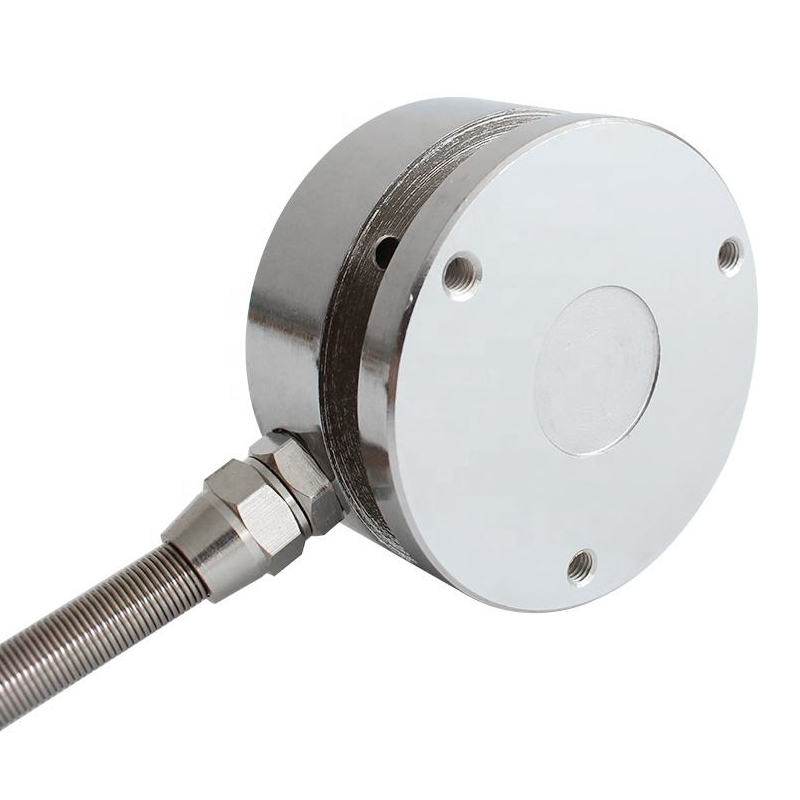
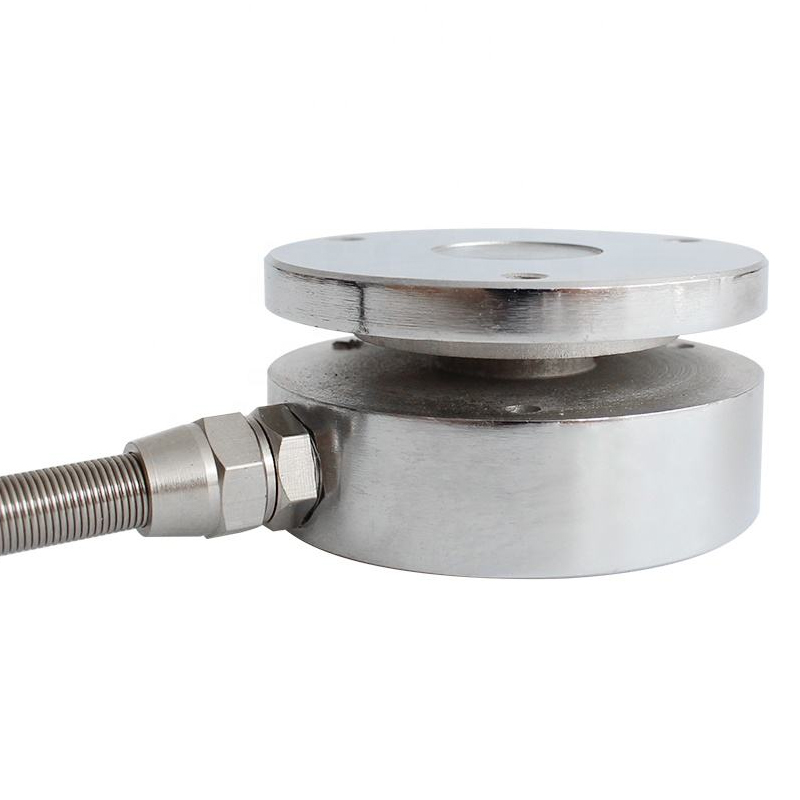
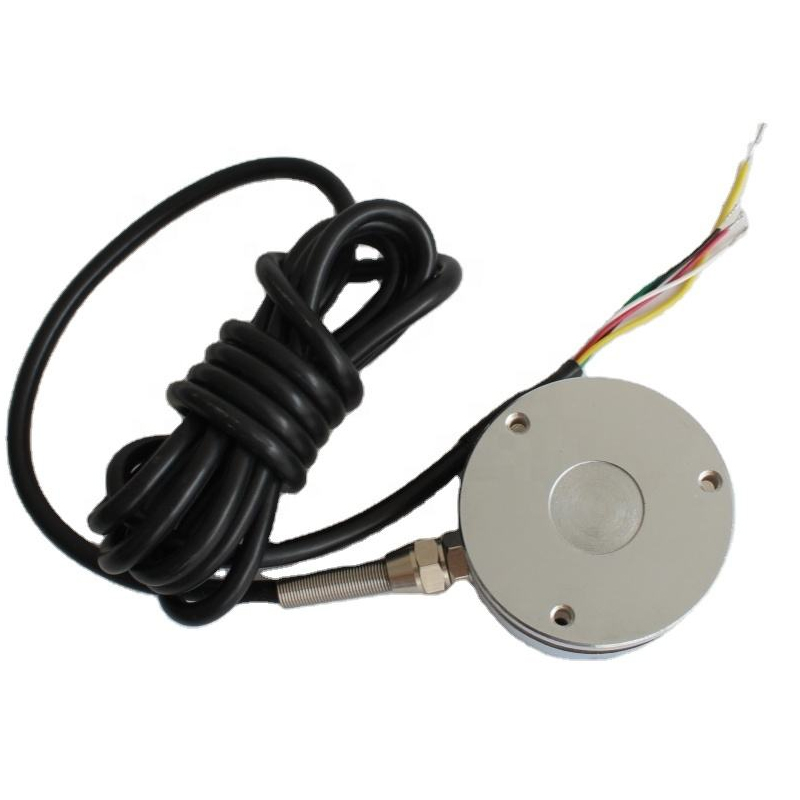
Material and Construction: The material used (such as aluminum, stainless steel, or alloy steel) impacts durability, environmental resistance, and performance. For instance, stainless steel is often preferred for its corrosion resistance in harsh environments.
Output Signal: Understanding the output signal type (e.g., analog or digital) is vital for compatibility with existing systems. Analog signals generally provide continuous data, while digital signals can offer enhanced accuracy through digital processing.
Temperature Range: Load cells operate within specified temperature ranges. Buyers should consider the operating environment to avoid inaccuracies due to thermal effects.
Calibration: Load cells must be calibrated to ensure accuracy. Manufacturers often provide certification, which is essential for compliance with industry standards.
Selecting the right specifications will directly influence the load cell's performance and lifespan.
 EN
EN