Compression Load Cell Manufacturers for B2B Buyers

application/compression-load-cell-manufacturers, application/compression-load-cell-manufacturers, 
Inquiry
Inquiry

compression load cell manufacturers

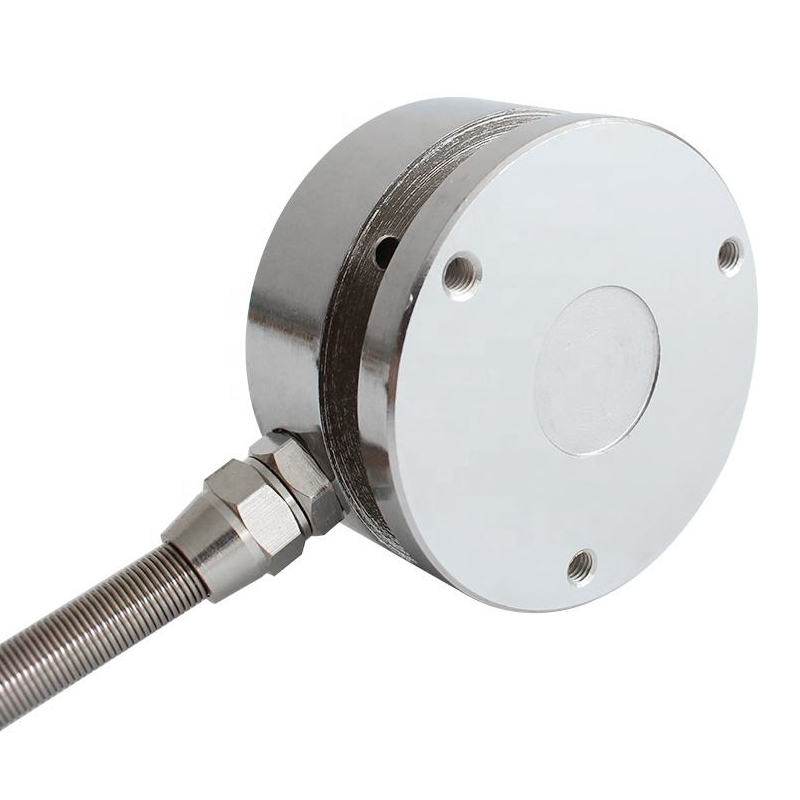
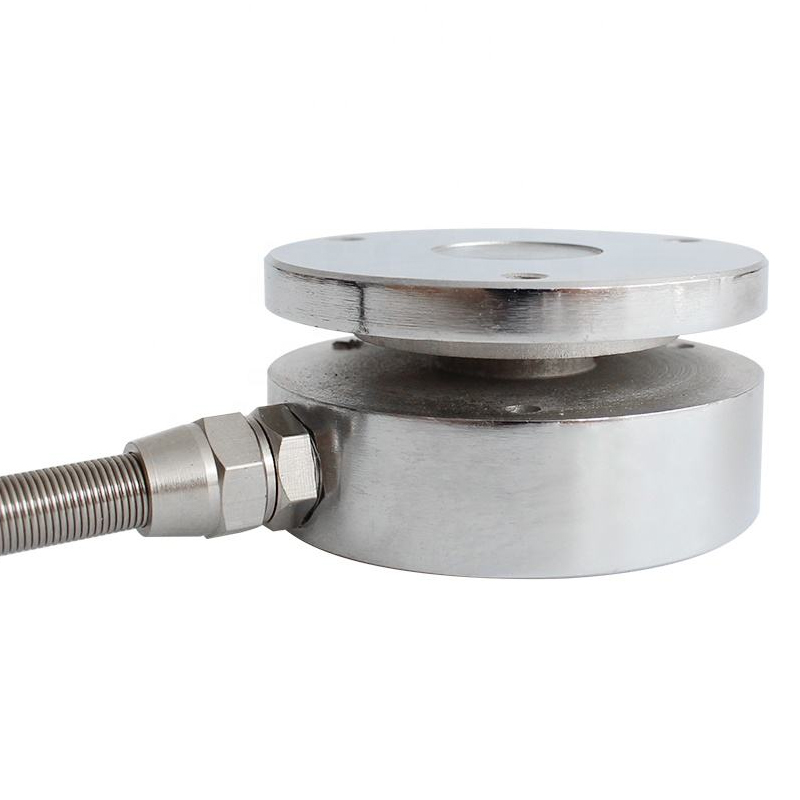
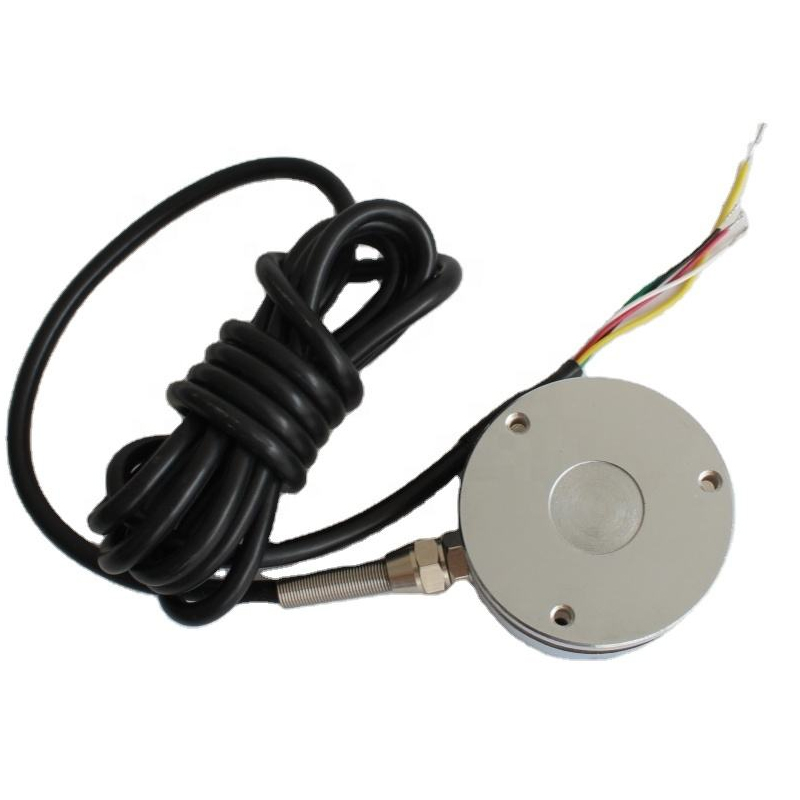
Compression load cells are critical  components used  in  various industrial applications to measure force  or  weight accurately. As a  B2B buyer, understanding the  intricacies involved in selecting reliable compression load cell manufacturers  is  essential. Key concerns often include  the load cell's specifications,  performance in specific applications, quality control processes, and overall cost factors. This article  will provide a comprehensive  overview  of what  to consider when  sourcing compression load cells, including specifications,  bulk purchasing  strategies, cost factors, installation guidance, and where to  find wholesale options.

 
Compression Load Cells in Bulk Purchases

Compression Load Cells in Bulk Purchases

For companies looking to purchase compression load cells  in bulk, several factors come into  play.

Minimum Order Quantity (MOQ): Manufacturers  typically set an MOQ based on production capabilities. Understanding this can help buyers negotiate better terms and  pricing.

Discounts and Pricing: Bulk purchases often qualify for discounts. Buyers should inquire about pricing structures and consider the total cost of ownership, including  shipping and  potential tariffs for international purchases.

Lead Times: Bulk orders  may have different lead times compared to smaller orders. It's crucial to confirm production timelines to  ensure that delivery aligns with project schedules.

Quality Assurance: When ordering  in bulk, quality control becomes paramount. It is advisable for buyers to specify quality assurance processes, such as inspection and testing,  to ensure that every unit meets the required specifications.

Customization Options: Many manufacturers, including JIANGXI JINGCE SENSING TECHNOLOGY CO., LTD., offer OEM/ODM services, allowing buyers  to customize  load  cells to meet specific  application needs. Discussing these options early  in the procurement process  can lead  to better alignment with project requirements. Additionally, exploring options like Customizable PMC Sensors Load Cell Transmitter can provide tailored solutions for unique applications.


Understanding these factors can  streamline the bulk purchasing  process and help establish a reliable supply chain.

Cost Factors in Sourcing High-Precision Compression Load Cells

Cost Factors in Sourcing High-Precision Compression Load Cells

The cost of compression load  cells can vary  significantly based  on several factors:

Materials Used: Higher-quality  materials typically  increase the cost but may provide longer-lasting performance and reliability. For example, stainless steel options may be  more  expensive than aluminum but are  often necessary  for demanding  environments.

Manufacturing Complexity: The complexity of the  manufacturing process, including  customizations and precision machining, can impact pricing. More intricate designs may require advanced manufacturing  techniques, raising the cost.

Testing and Certification: Load cells often undergo  rigorous testing to meet industry standards. The costs associated with these processes should be factored into the overall pricing.

Supplier Location: The geographical location of the manufacturer can influence shipping costs and delivery times. Import duties  and taxes should also be considered when  sourcing internationally.


After-Sales Support: Some manufacturers offer  extensive after-sales support, including installation guidance and troubleshooting. While this may increase upfront costs, the value of ongoing support  can justify the investment.

Buyers should conduct a comprehensive cost analysis that includes these factors to ensure they are making  an informed purchasing decision.

Installation Guidance for Compression Load Cells in Various Applications

Installation Guidance for Compression Load Cells in Various Applications

Proper installation of  compression load cells is  crucial for achieving accurate  measurements.  Here are  some general guidelines:


Alignment: Ensure that the load cell is aligned correctly with the load  application to avoid shear forces, which can lead  to inaccurate readings or damage.

Mounting: Follow the  manufacturer's recommendations for mounting configurations. Load cells  should be  securely mounted to prevent movement during operation, which can affect measurement accuracy.

Electrical  Connections: Ensure that electrical connections are secure and follow the correct wiring diagrams. Incorrect connections can  lead to faulty readings.

Testing Post-Installation: After installation,  conduct a test run to  verify that the load cell is functioning correctly. This may involve applying known weights and checking  the output against expected values.

Environmental Considerations:  Depending on the application, consider  environmental factors such as moisture, dust, or extreme temperatures, which may require additional protective measures. For example, using a High Performance 100Nm Static Torque Sensor Load Cell can enhance durability in challenging environments.

Following these installation guidelines will help ensure the reliability and  accuracy of compression load cells in various  applications.

Where to Find Wholesale Compression Load Cells for Your Projects

Finding reliable suppliers for wholesale compression load cells can be challenging. Here are some strategies:

Industry Trade Shows: Attending trade shows  focused on manufacturing and automation  can provide direct access to manufacturers  and suppliers. This is an excellent  opportunity to assess product quality and establish relationships.

Online Marketplaces: Platforms such as Alibaba or ThomasNet can connect buyers with multiple manufacturers. However,  it's essential to vet suppliers  thoroughly  by  checking reviews, certifications, and previous  work.

Manufacturer Directories: Utilizing  industry-specific directories can help identify reputable compression load cell manufacturers. JIANGXI JINGCE SENSING TECHNOLOGY CO., LTD., for example, specializes in high-precision solutions and can be  a reliable source for bulk orders.


Networking: Leveraging industry contacts can lead to recommendations for trusted suppliers. Engaging in professional networks can provide valuable  insights into supplier performance and reliability.

Requesting Samples: Before committing to a bulk purchase, requesting samples can help assess quality and  suitability for specific applications. Testing samples under actual operating conditions will provide critical  insights into performance.

By employing  these strategies, buyers can effectively source  wholesale compression  load  cells tailored to their project needs.


Key Specifications to Consider

When evaluating compression load cells, several key specifications need attention.

Load Capacity: This specification indicates the  maximum load the load cell  can handle. Typically, capacities range from  a  few grams to several tons. Buyers must  match the load cell capacity with their specific application requirements  to ensure accurate measurements.

Accuracy and Precision: Defined by the load  cell's percentage error, accuracy is  crucial  for applications requiring precise measurements. A  lower percentage error indicates higher accuracy, making it essential for  applications in sectors such as automation and weighing.

Material and Construction: The material  used (such  as aluminum, stainless steel, or alloy steel) impacts durability, environmental resistance, and performance. For instance, stainless steel is often preferred for its corrosion resistance  in harsh environments.

Output Signal: Understanding the output  signal type (e.g., analog or digital) is  vital for compatibility with existing systems. Analog signals generally provide continuous data, while digital signals can offer enhanced accuracy through digital processing.

Temperature Range: Load cells operate within specified temperature ranges. Buyers should consider  the operating environment to avoid inaccuracies due to thermal effects.

Calibration: Load cells must be calibrated to ensure accuracy.  Manufacturers often provide certification, which is essential for compliance with industry standards.

Selecting the right specifications  will directly influence the load  cell's performance and lifespan.

Frequently Asked Questions

What compression load cells do you manufacture?

We produce high-precision compression load cells and force sensors in various capacities and sizes, plus wireless dynamometers for lifting, weighing, automation, and new energy applications.
Yes. Our products carry CE and RoHS certifications and meet international safety and environmental standards for industrial use.
Yes. We provide tailored OEM/ODM solutions including custom design, calibration, and branding to fit specific application requirements.
Our load cells are used in lifting, weighing systems, automation, new energy projects, and other industrial measurement applications worldwide.
We use precision manufacturing, strict quality control, and calibration procedures to ensure accuracy and reliability, backed by component traceability and testing.

Get a Free Quote

Our representative will contact you soon.
0/1000