Choosing Load Cell Systems for Industrial Applications

application/load-cell-systems, application/load-cell-systems, 
Inquiry
Inquiry

load cell systems

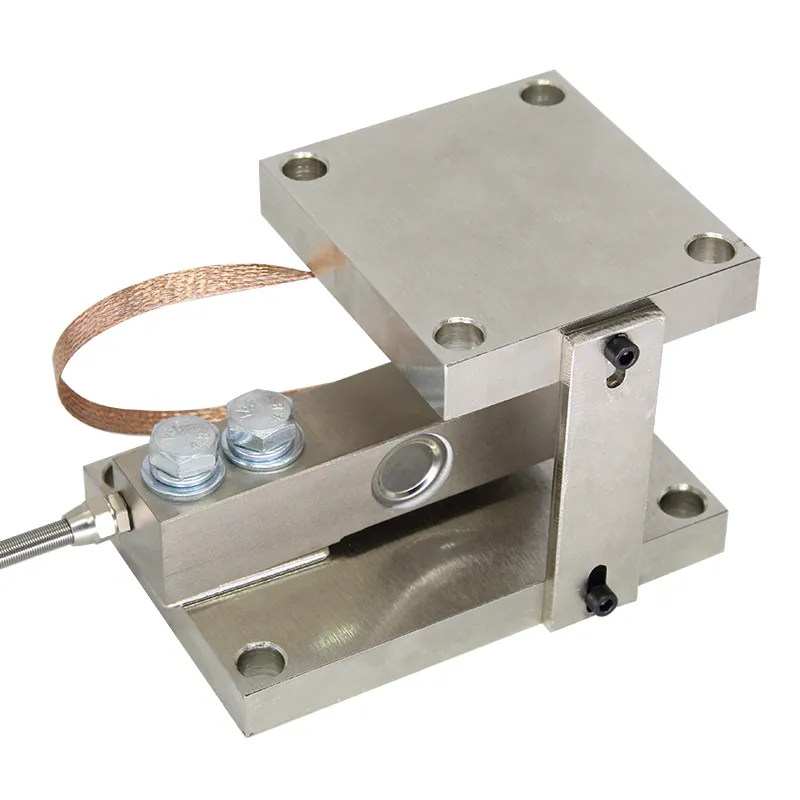
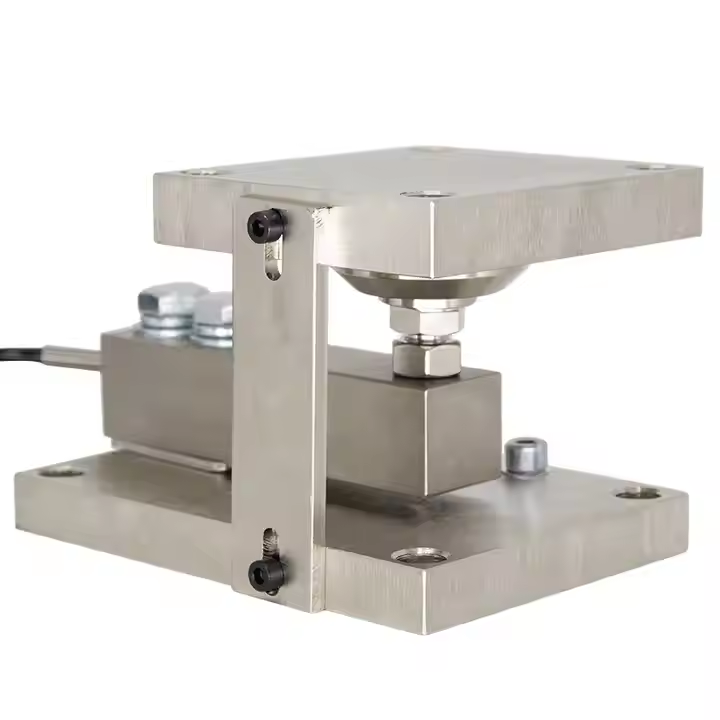
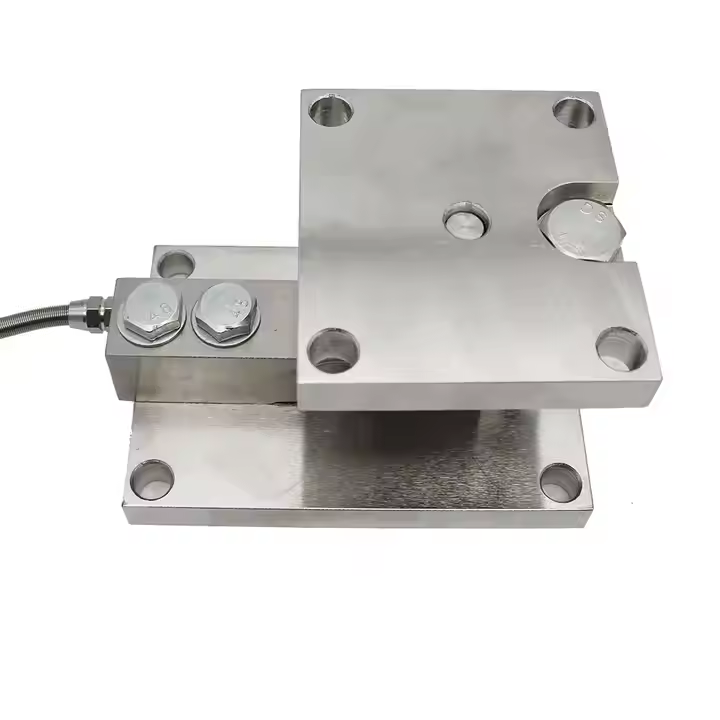
Load cell systems are essential  components in various industrial applications, providing  accurate measurements of force and weight. As a purchasing  manager or  engineer, your primary  concerns may  revolve around selecting the right load cell systems that meet your specific operational requirements, ensuring quality  and reliability, and  understanding  the technical  specifications  that  dictate performance.  This article will  guide you through  the  process of choosing load cell  systems,  comparing specifications,  implementing best practices, evaluating  quality, and addressing common issues.

How to Compare Load Cell Specifications for Optimal Performance

How to Compare Load Cell Specifications for Optimal Performance

Comparing load cell specifications  is vital for ensuring optimal performance. Key  specifications to evaluate include:

Capacity:  The maximum weight the load cell can measure. It’s important to select a load cell  with a capacity that exceeds your maximum anticipated load. Accuracy:  This is often expressed as a percentage of the full scale. Higher accuracy ratings  are crucial  in applications where precision is paramount, such as in laboratory settings. Sensitivity:  This  refers to the smallest change  in load that the load cell  can detect. Higher sensitivity is important for  applications requiring fine measurements. Temperature Range: Load cells should operate  effectively within specific temperature ranges. Ensure that the chosen load cell can withstand the operating conditions  of your environment. Material and Design:  This affects durability and performance. For example, a load cell designed for outdoor use should have appropriate weatherproofing.

When  comparing specifications,  it’s also essential to  consider your specific industry requirements and how  they may affect load cell selection. For instance, in the food industry, hygiene standards may  necessitate specific materials and designs.

Best Practices

Best Practices

To ensure the best performance from load cell systems,  follow these best practices:

Calibration: Regular calibration is essential to maintain  accuracy. Ensure that your  load cells are calibrated according to the  manufacturer's recommendations  and industry standards.

Installation:  Proper installation is critical. Follow  the manufacturer’s guidelines for  mounting and ensure that the load cell  is not subjected  to  undue  stress that could affect its accuracy.

Maintenance: Regular maintenance checks can help identify potential issues before they lead to failure. Inspect for  signs of wear or damage,  particularly in high-stress environments.

Use of Signal Conditioning: Implement signal conditioning to enhance  the output signal from the load cell.  This can help improve  accuracy  and reduce noise  in the measurements.

Documentation: Keep thorough documentation of all calibration, maintenance, and installation  procedures. This not only aids in troubleshooting but is often necessary for compliance in regulated industries.

Evaluating Quality in Load Cell Systems for Long-Term Reliability

Evaluating Quality in Load Cell Systems for Long-Term Reliability

Quality evaluation is crucial for ensuring the  long-term reliability of  load cell systems. Look for the following indicators of  quality:

Certifications: Ensure  that the load cells  comply with industry standards such as CE and RoHS, which indicate adherence to safety and environmental regulations. Material  Quality: High-quality materials enhance durability. For  instance,  stainless steel load  cells offer better performance in harsh environments compared  to  those made from lower-quality  materials. Manufacturer Reputation: Research  the manufacturer’s history and customer feedback. A manufacturer with a proven track record  in the  industry may offer products that have been field-tested and validated for reliability. Testing Procedures: Inquire about the manufacturer’s quality  control  processes. Understanding the testing methods used, such as load testing, can  provide confidence in the product’s performance.

Regular audits and  quality checks of your load cell systems can  help maintain performance and catch any potential issues early.

Common Problems with Load Cell Systems and Effective Solutions

Despite their reliability, load cell systems can encounter common issues that may  affect performance. Here  are some problems and their solutions:

Drift in Readings: Over time, load cells may exhibit drift, where the output readings gradually change even without a  change in load. This can often be rectified by recalibrating the system regularly.

Temperature Sensitivity:  Load cells can be sensitive to temperature changes, affecting accuracy. Using temperature compensation techniques or selecting load cells designed for specific temperature ranges can mitigate this issue.

Mechanical Overload: Exceeding the maximum load capacity can damage the load cell. To  prevent this, implement overload protection measures and ensure that operators are aware of the load limits.

Signal Interference:  Electrical noise can  disrupt the signal from the load cell. Use proper shielding and grounding techniques  to minimize  interference, particularly in environments with heavy machinery.

Moisture Ingress: Inadequate sealing  can lead to moisture ingress, affecting performance. Selecting  load cells with appropriate ingress protection ratings (such as IP67 or IP68) for your  application can prevent this issue.

By understanding these common problems and implementing effective  solutions, you can enhance  the reliability and performance of your load cell systems.

In summary, selecting the right load cell systems involves understanding your  specific needs, comparing critical specifications, and adhering to best practices for installation and maintenance.  By evaluating  quality indicators and  addressing common issues proactively, you can ensure that your load cell systems deliver the  accuracy and reliability required for your industrial applications.

Choosing the Right Load Cell Systems for Your Industrial Needs

When selecting  load cell systems, it’s crucial to first  identify your specific  application  requirements. Load cells come in various types—such as  compression,  tension, and shear—each  designed for particular uses. For instance, compression load cells are often utilized  in  weighing applications, while tension  load cells are suitable for  measuring force in lifting scenarios. To gain a deeper understanding of the various types, you might want to explore Load cell technologies.

Consider factors  such  as load capacity, environmental conditions, and installation space. The load capacity  should align with the maximum weight you expect to measure. Additionally, environmental factors, such as exposure to moisture or  chemicals, will influence your choice of materials and sealing requirements. For example, stainless steel load cells are typically preferred  in harsh conditions due to their corrosion resistance.

Furthermore, understanding your automation and data integration needs is essential. If your  application  requires real-time data transmission, look for wireless load cell systems to facilitate seamless communication  with your  control systems.

Frequently Asked Questions

What types of load cell systems do you offer?

We provide high-precision load cells, force sensors, and wireless dynamometers for lifting, weighing, automation, and new energy applications, available in multiple capacities and form factors for OEM/ODM integration.
Yes. Our products carry CE and RoHS certifications, ensuring compliance with relevant safety and environmental standards for international markets.
Absolutely. We offer OEM/ODM services including custom calibration, mechanical designs, connectors, and firmware adjustments to meet specific application requirements.
They are designed for lifting equipment, industrial weighing, automation systems, and new energy applications such as battery testing and assembly lines.
Yes. We offer factory calibration, documentation, and technical support for installation, integration, and troubleshooting to ensure accurate, reliable performance.

Get a Free Quote

Our representative will contact you soon.
0/1000