Key Considerations for Double Ended Beam Load Cells

application/double-ended-beam-load-cell, application/double-ended-beam-load-cell, 
Inquiry
Inquiry

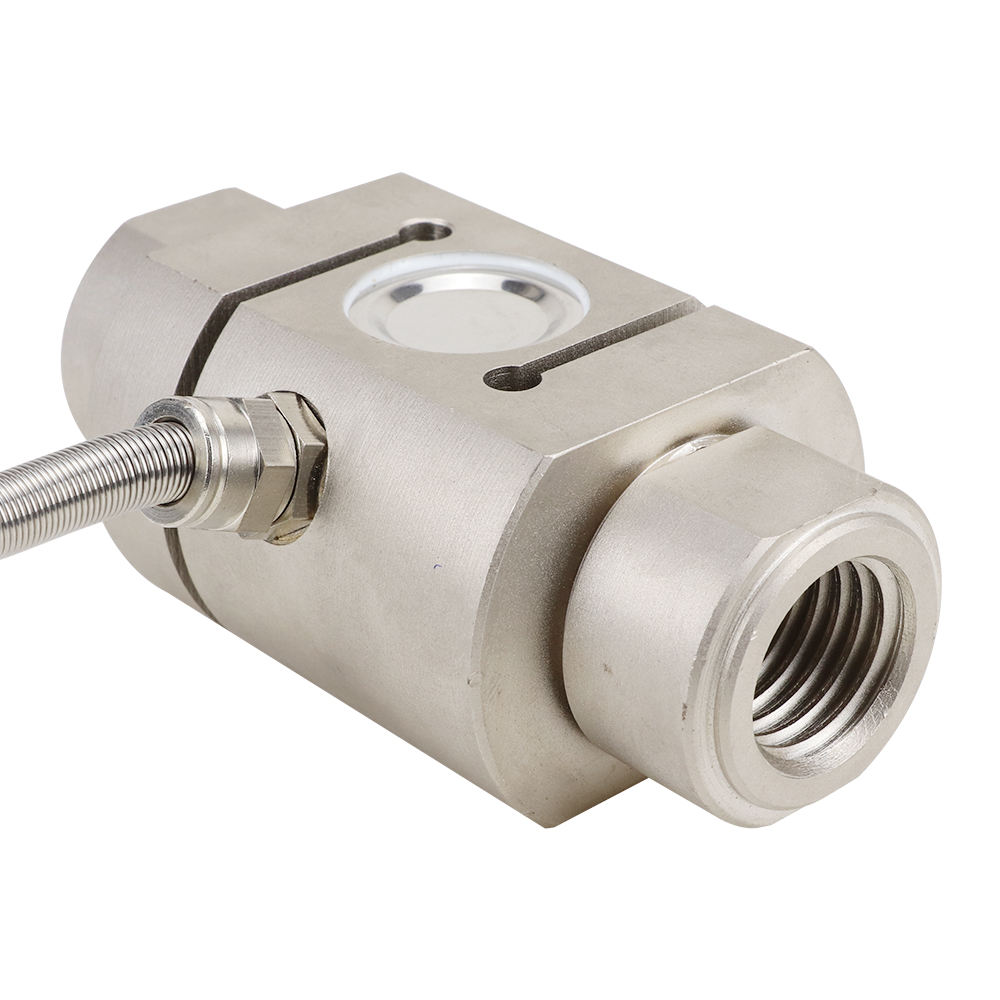
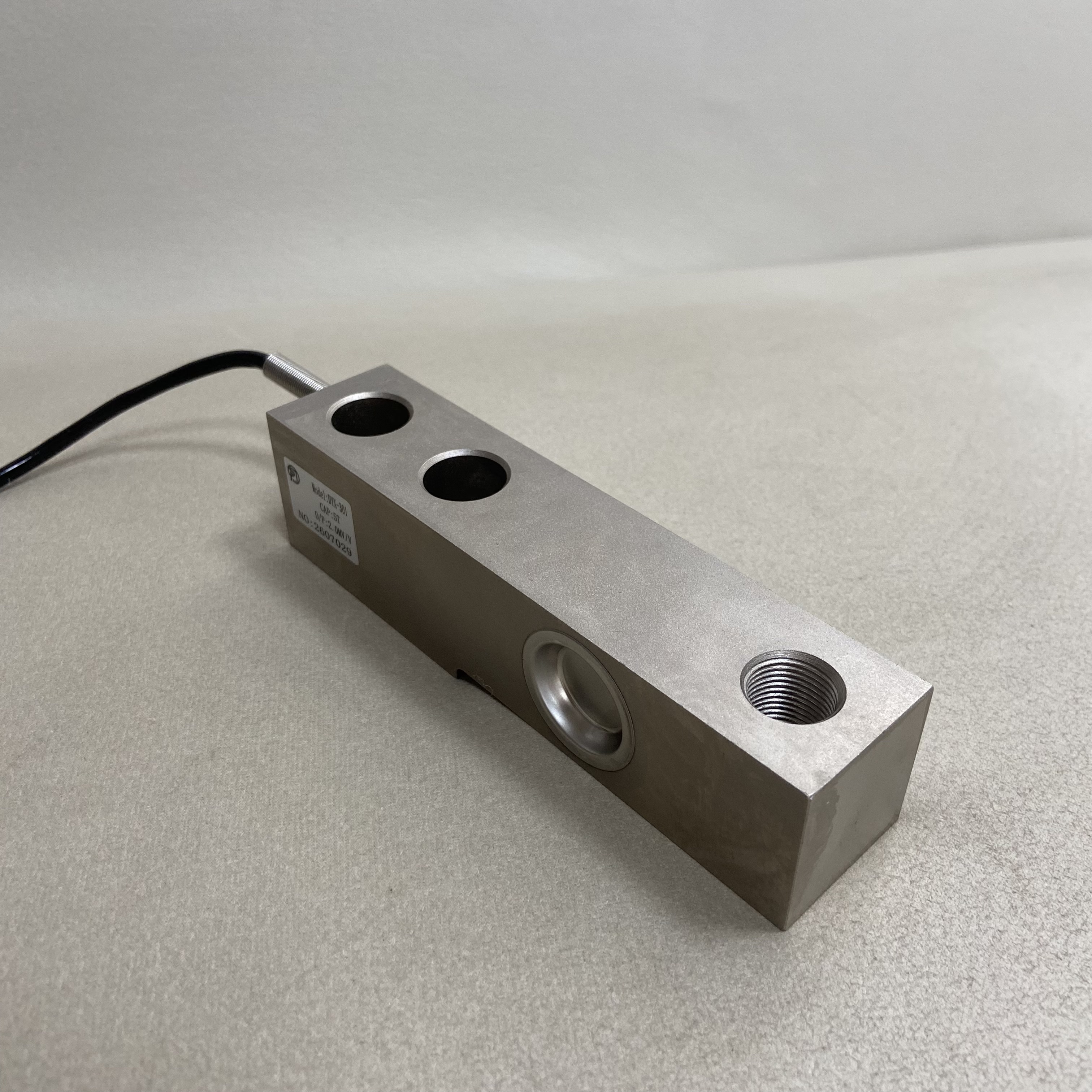
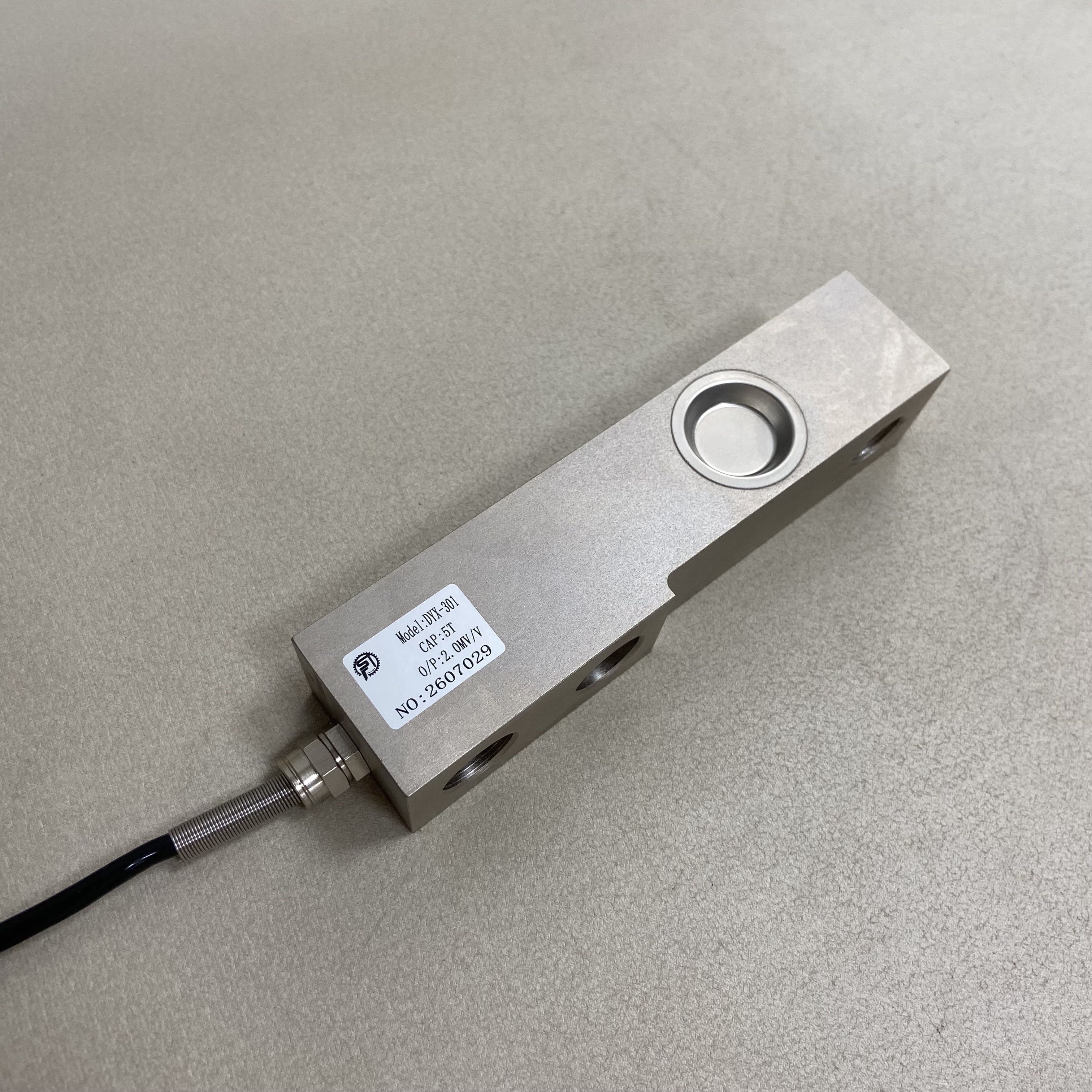
double ended beam load cell

In the realm of industrial measurement  technology, double  ended beam load cells  play a  crucial  role in accurately  gauging weight and force. These devices are essential for various  applications across multiple industries,  including  lifting, weighing, and automation.  As a  B2B buyer, your primary  concerns likely  revolve around finding a  reliable  product that meets your specifications while ensuring quality  and cost-effectiveness. This  article will  guide you through key  considerations when purchasing  double ended beam load cells, helping you make informed decisions for your projects.

Cost Factors to Consider When Purchasing Double Ended Beam Load Cells

Cost Factors to Consider When Purchasing Double Ended Beam Load Cells

Understanding the cost implications of double ended  beam load cells is crucial for budgeting and forecasting. Here are key factors  that can  influence pricing:

Material Quality: Higher quality  materials  can lead to  better performance and durability, but  they may also increase the initial cost of the load cell.

Manufacturing Process: Load cells produced using advanced technology or specialized techniques (like  in-depth calibration) may incur higher costs. Manufacturers with ISO  certifications often have rigorous quality control processes,  which can add to the price.

Customization: If your application  requires  tailored specifications or specific features, custom load cells may be necessary. Customization can significantly affect costs, so it’s essential to communicate your requirements  clearly during the RFQ process.


Quantity: Bulk orders can lead to discounts. Understand the minimum  order quantity (MOQ) for the supplier and consider negotiating pricing  for larger  orders.

Shipping  and Handling: Depending on the supplier’s location and your delivery needs, shipping costs can vary. Ensure you factor in these costs when evaluating total expenditure.

By considering these cost  factors, you can make a  more informed decision that aligns with your budget constraints while ensuring the necessary quality and reliability.

Application Scenarios for Double Ended Beam Load Cells in Various Industries

Application Scenarios for Double Ended Beam Load Cells in Various Industries

Double ended beam load cells are versatile components used in a wide range of industries. Here are some common  applications:


Manufacturing and Automation: In assembly lines,  double ended beam load cells are often used for  quality control  by measuring the weight of components  and ensuring they meet specifications before assembly.

Weighing Systems: These load cells are integral to truck scales and platform scales, providing  accurate weight measurements for shipping and receiving operations. For instance, the Mv Signal Amplifier enhances the functionality of these systems.


Material Testing: In laboratories, they are used to test the strength and durability of materials  by measuring the force applied to them.

Lifting  Equipment: In the lifting and hoisting industry, double ended beam load cells help  ensure safe  operation by measuring the load being lifted, providing critical data for load monitoring  systems.

Food and Beverage: In this  industry, load cells are used  for portion control and recipe accuracy, ensuring consistency in the final product.


Understanding these applications  helps buyers identify how double ended beam load cells can address specific  needs in  their operations, ensuring they choose  the right product for their context.

Understanding Material Advantages of Double Ended Beam Load Cells

Understanding Material Advantages of Double Ended Beam Load Cells

The  material composition of double ended beam load cells  significantly influences their performance and durability. Here are some material considerations:

Stainless Steel: This is the most  common material used in  load cells due to its excellent resistance to corrosion and mechanical stress. It is ideal for use in  environments where the load cells may be exposed to moisture or chemicals.

Aluminum: Aluminum load cells are typically lighter  and may be more cost-effective than stainless steel options. However,  they may not provide the same level of durability in harsh conditions.

Coatings: Some load cells come with  protective coatings that enhance their  resistance to environmental  factors, such as humidity,  dust, and chemicals. Consider the  operating environment when assessing material suitability.


Thermal Expansion: Different  materials expand and contract at different rates with temperature changes. Choosing a material that minimizes the effects of  thermal expansion helps maintain  accuracy across varying temperatures.

Load Cell Design: The design and structure of the load  cell also  depend on material choice. Ensure that the material supports the intended load without deformation or failure.

Choosing the right material for your double ended beam  load cells is  essential for ensuring reliable performance and longevity in their intended applications.

How to Ensure Supplier Reliability for Double Ended Beam Load Cells

Finding a trustworthy supplier for  double ended beam load cells is crucial for ensuring product quality and after-sales support. Here  are some steps to evaluate  supplier  reliability:


Check Certifications: Ensure that the supplier holds relevant certifications, such as ISO 9001 or CE/RoHS,  which indicate adherence to quality standards and regulatory compliance.

Review Manufacturing Capabilities: Assess  the  supplier’s manufacturing processes and equipment. A manufacturer with advanced technology and stringent quality control measures is more likely to produce high-quality  load cells.

Request Product Samples: Before placing a bulk order, request samples of the load cells to evaluate their performance  and suitability for your application. Testing samples  under actual conditions can reveal potential issues that may not be apparent from specifications alone.

Evaluate Customer Service: A responsive and knowledgeable customer  service team is essential for addressing queries and resolving issues that may arise during the purchasing process.

Seek References and Reviews: Look for testimonials or case studies  from  other clients. Engaging with  past customers can provide  insights into the supplier's reliability and the quality of their products.

By following these steps, you can  foster a successful partnership with a supplier that provides  high-quality  double ended beam load cells that meet  your operational requirements.

Key Specifications to Consider When Buying Double Ended Beam Load Cells

When selecting  double ended beam  load  cells, several specifications must be evaluated to ensure compatibility with your application.

Load Capacity: This is the maximum weight the load cell can measure. Assess your application’s  requirements to choose  a capacity  that provides a  safe margin above the expected load. For instance, if your application requires a measurement of 1,000 kg,  consider a  load cell with a  capacity of at least  1,200 kg to  accommodate potential overloads.

Accuracy and Precision: Accuracy indicates how close the measurement is to the actual weight,  while precision refers to the degree to which  repeated  measurements under unchanged conditions show the same results. Look for load cells with high accuracy ratings, typically expressed in percentage terms (e.g., ±0.1%).

Material: The choice of material affects durability, resistance to environmental factors, and overall performance. Stainless steel is commonly used due to its strength and resistance to corrosion, making it suitable for harsh environments. For example, the Chinese Factory Weighing Compression Tension Junction Box is designed for robust applications.

Temperature Range: Load cells can be sensitive to temperature variations, which can affect their performance. Verify that the load cell can function effectively within the temperature  range of your  application.

Output Signal: Load cells can output signals in various formats, such as analog or digital.  Ensure the output signal is compatible with your existing measurement systems.

These specifications play a pivotal role in the successful integration of  load cells into your operations, ensuring that you achieve accurate and reliable measurements.

Frequently Asked Questions

What is a double ended beam load cell?

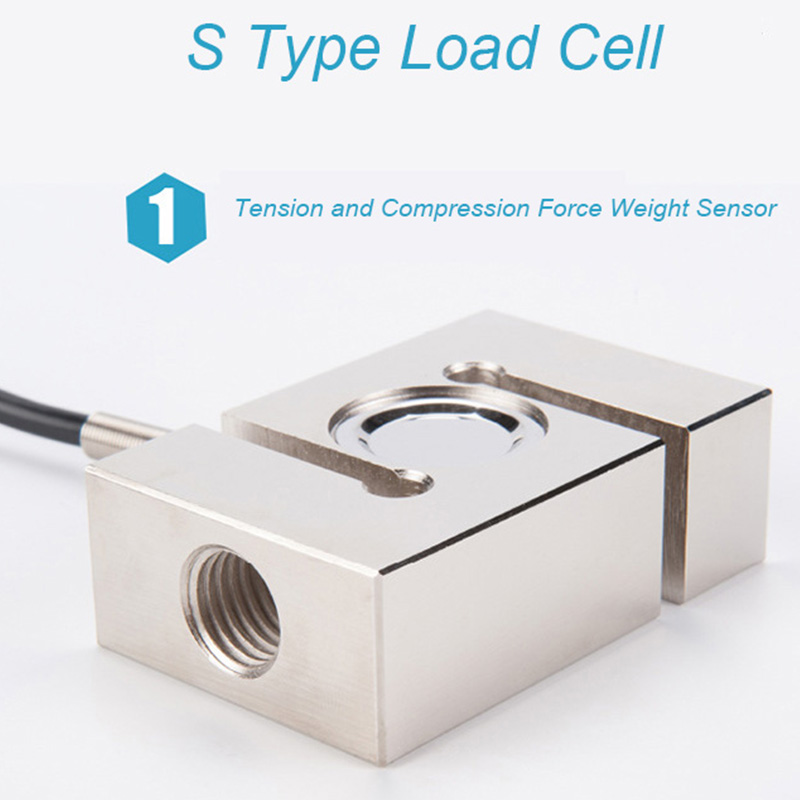
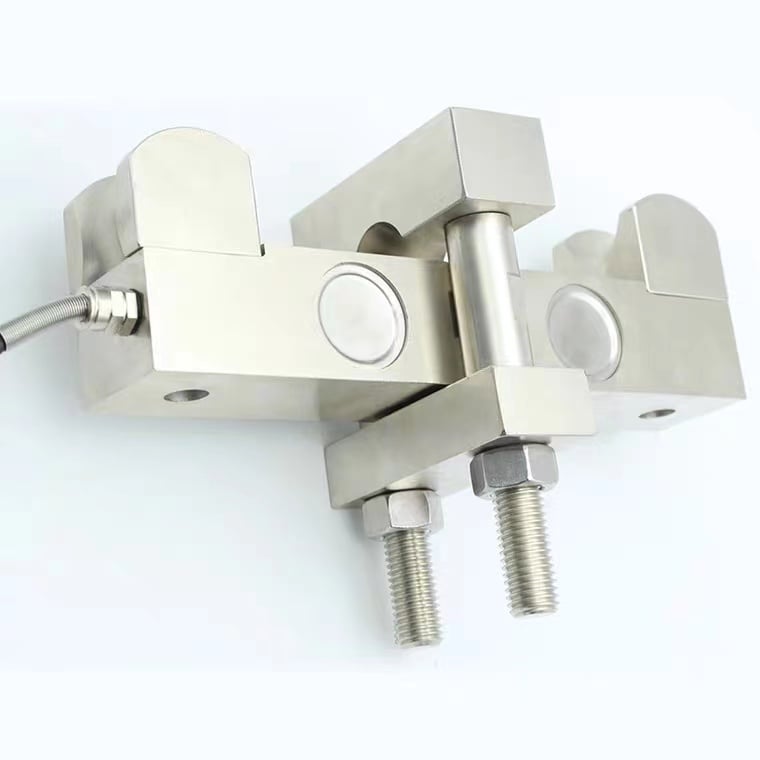
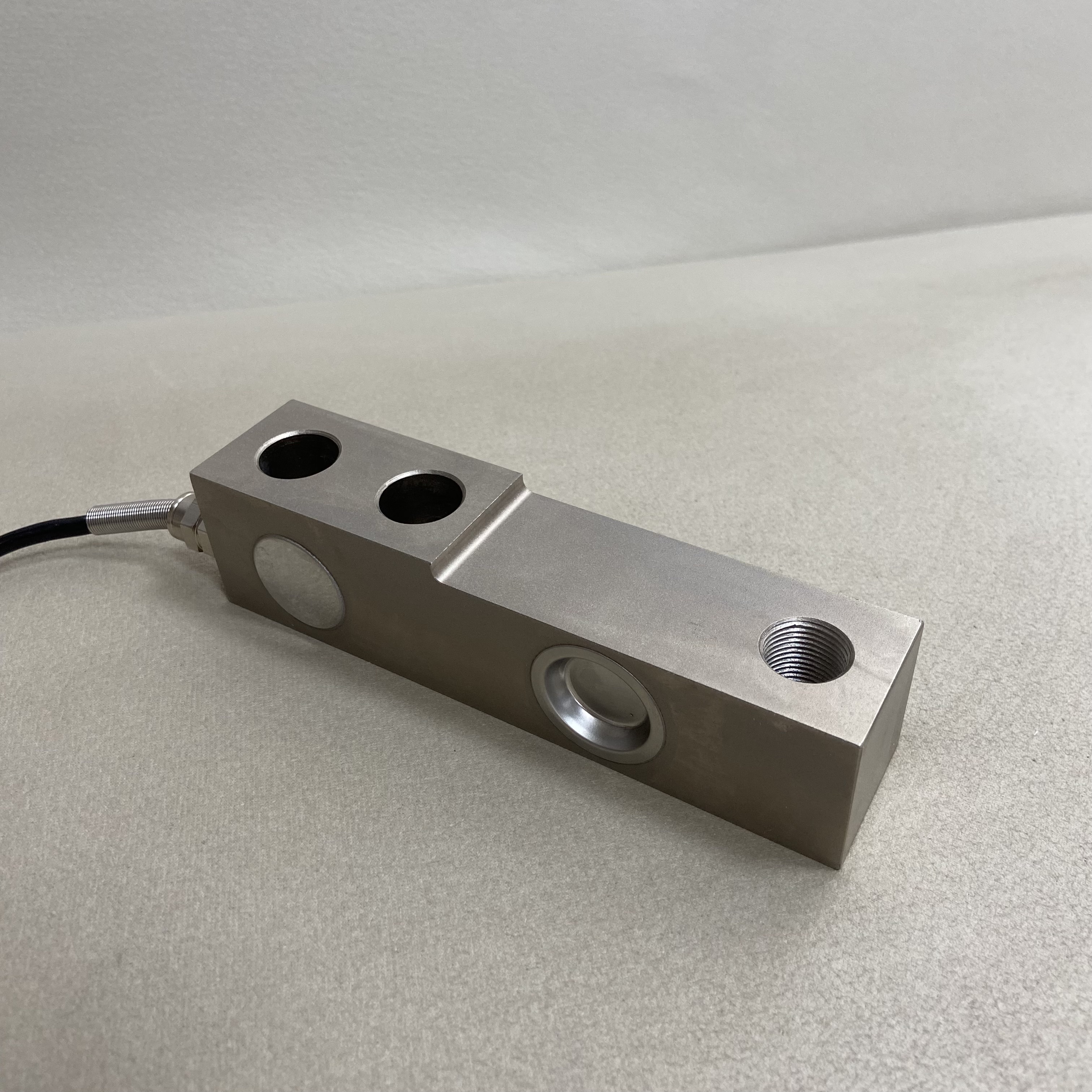
A double ended beam load cell is a high-precision sensor that measures tension and compression using a beam supported at both ends, providing stable output for weighing and force applications.
Suitable for lifting, weighing, automation, and new energy sectors where accurate force or weight measurement is required.
Our load cells offer high precision and comply with CE and RoHS standards; specific accuracy depends on model and can be provided on request.
Yes. We provide OEM/ODM services and can customize specifications, mounting, connectors, and calibration to meet your application needs.
We supply datasheets, calibration reports, installation guides, and technical support to ensure proper integration and reliable performance.

Get a Free Quote

Our representative will contact you soon.
0/1000