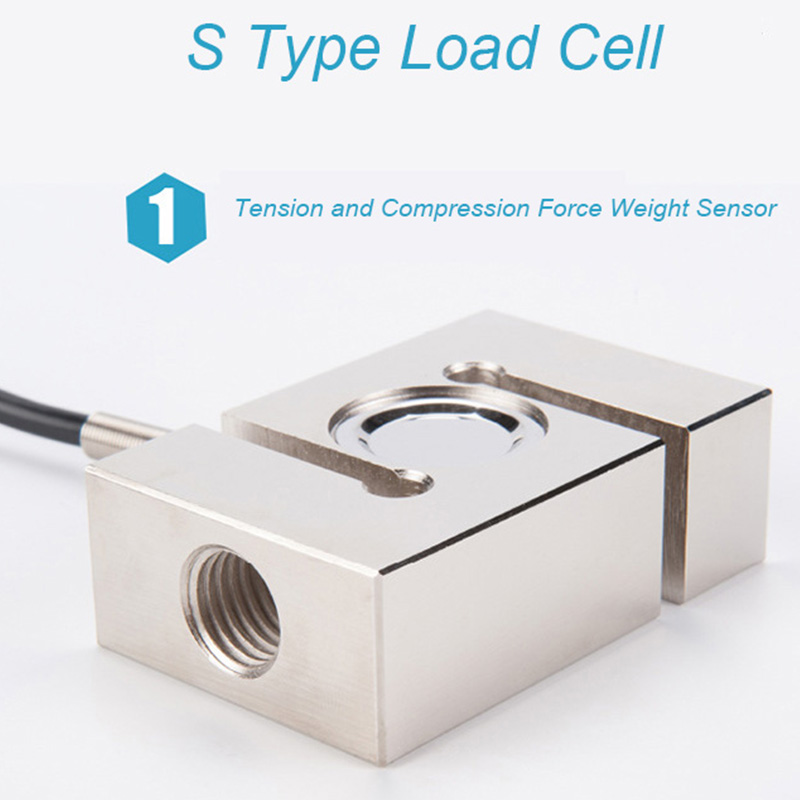
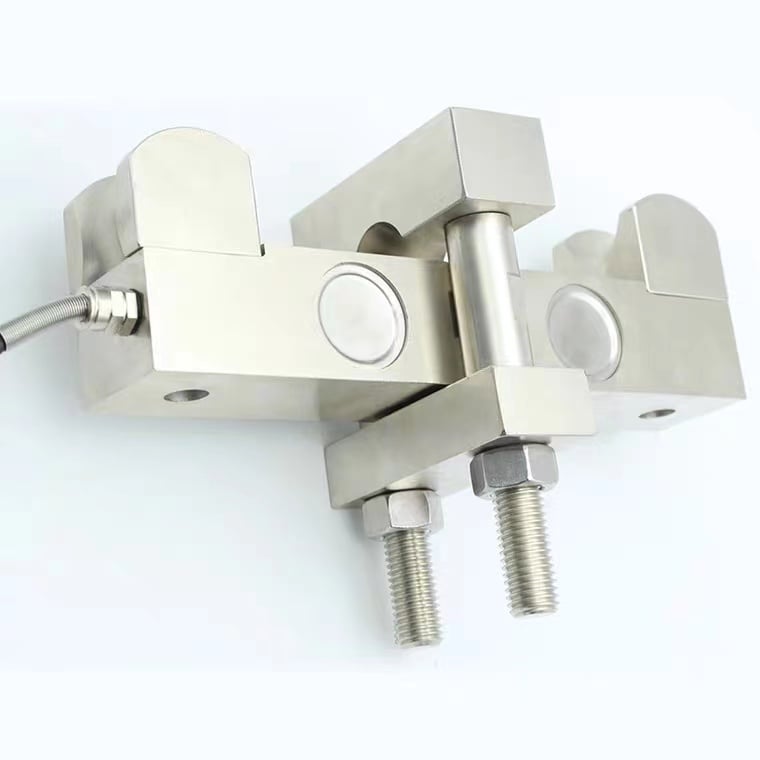
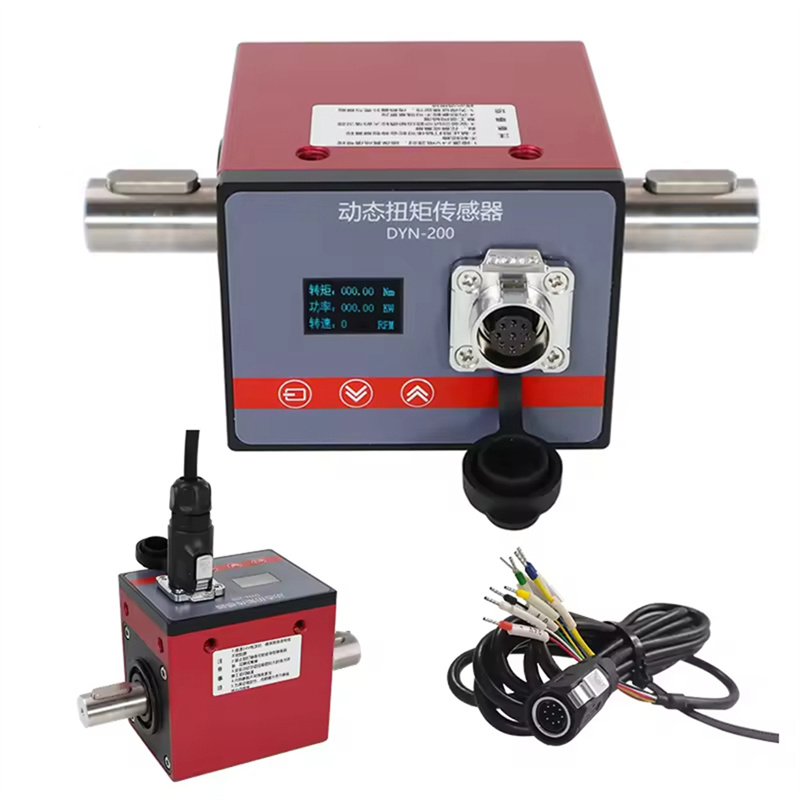
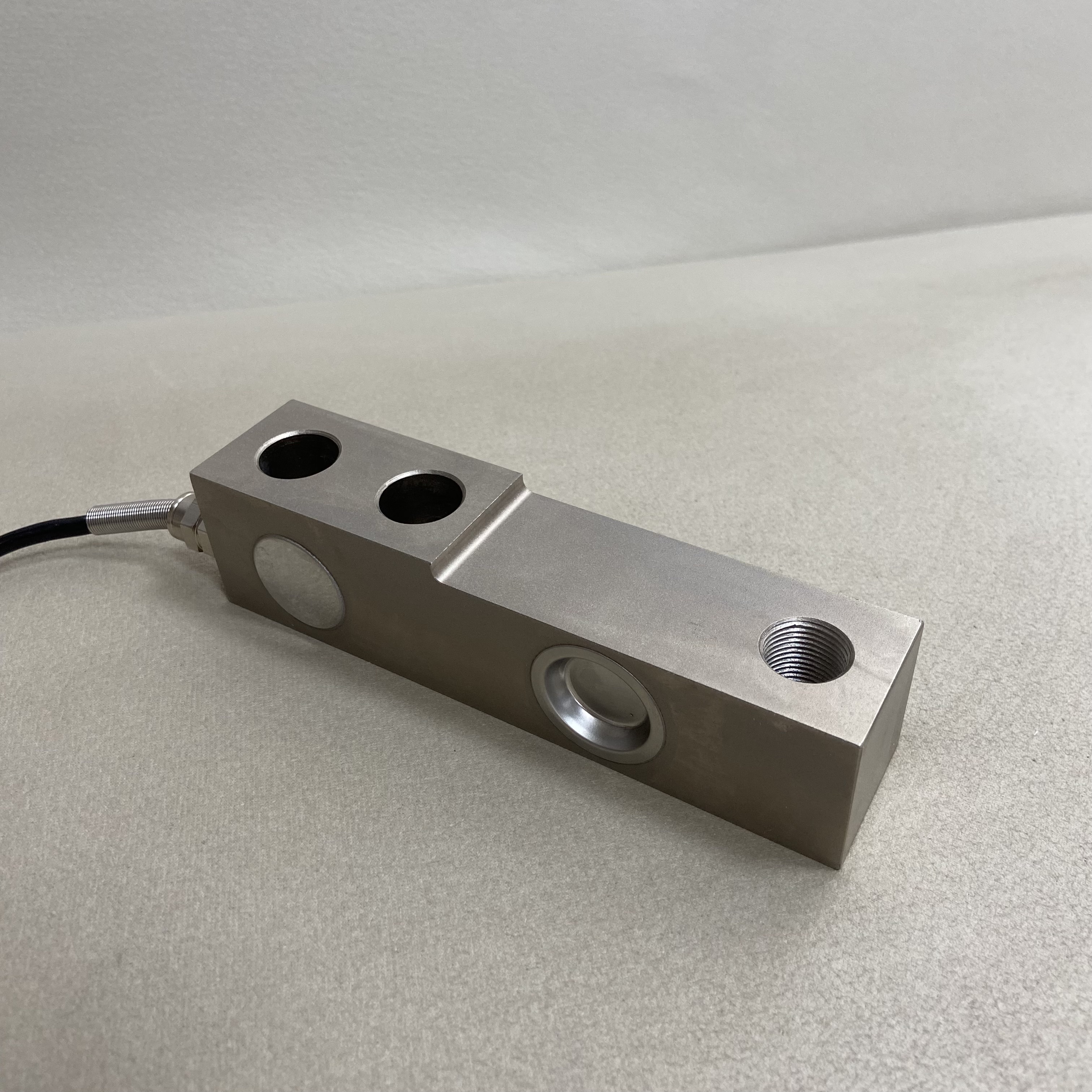
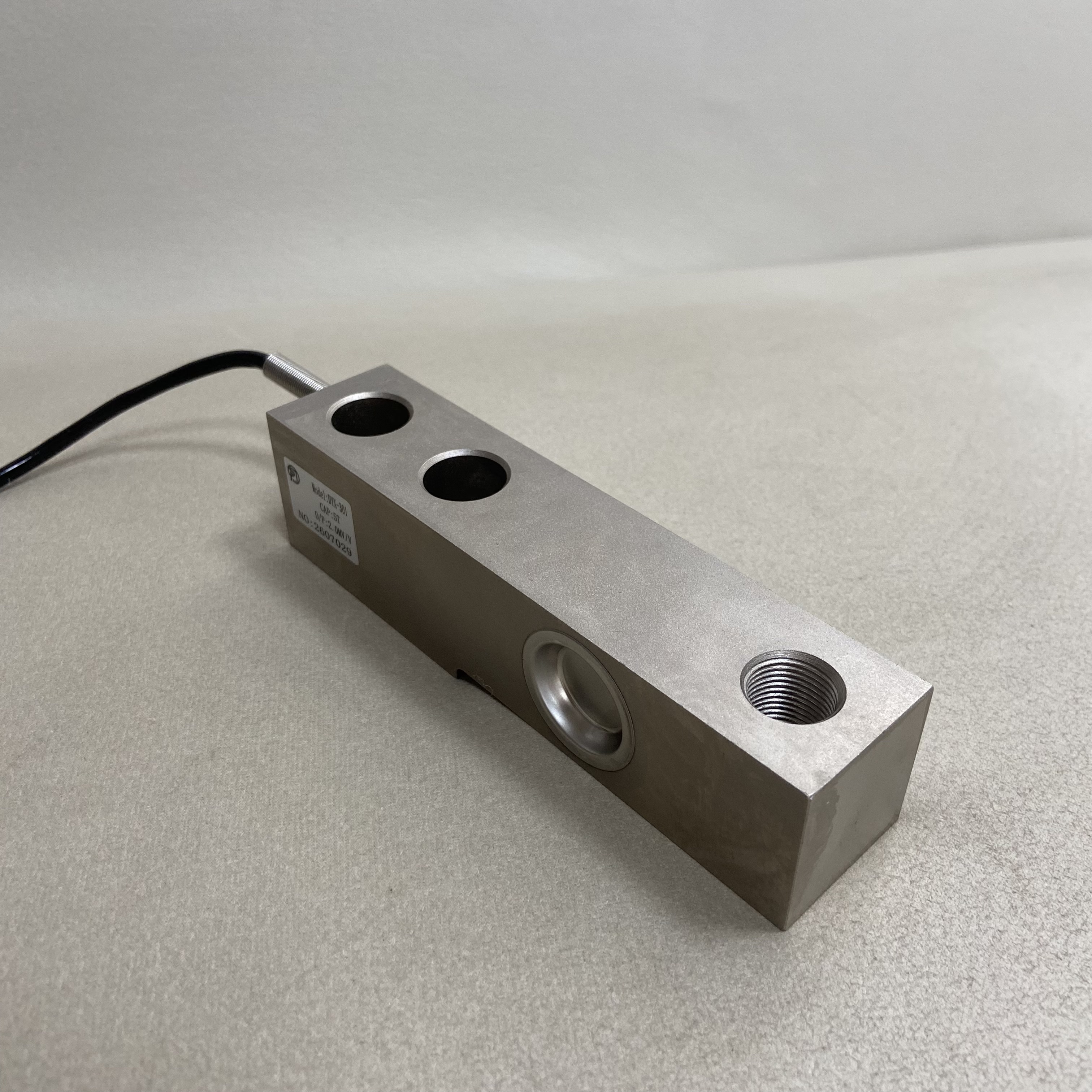
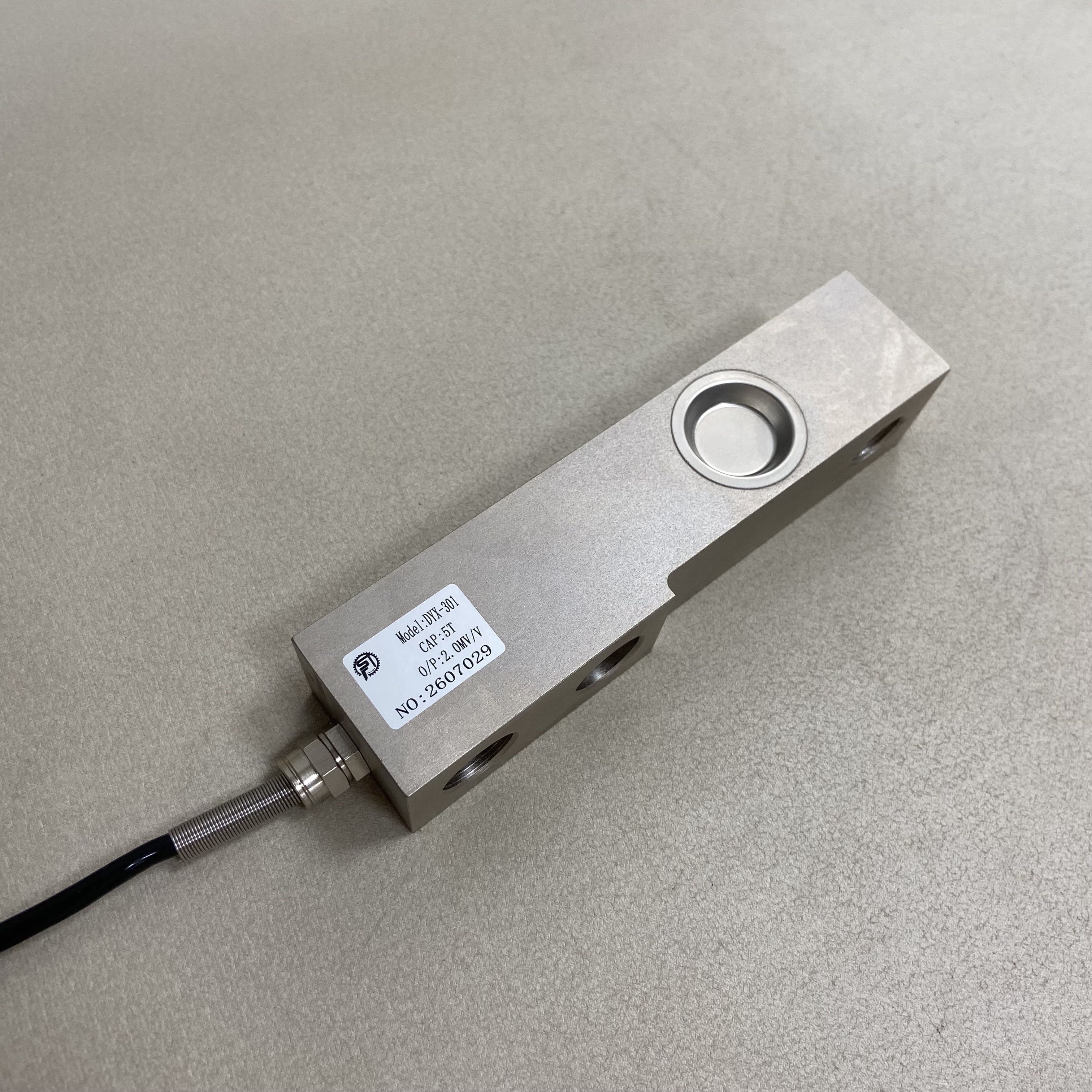
Key Specifications to Consider When Buying Double Ended Beam Load Cells
When selecting double ended beam load cells, several specifications must be evaluated to ensure compatibility with your application.
Load Capacity: This is the maximum weight the load cell can measure. Assess your application’s requirements to choose a capacity that provides a safe margin above the expected load. For instance, if your application requires a measurement of 1,000 kg, consider a load cell with a capacity of at least 1,200 kg to accommodate potential overloads.
Accuracy and Precision: Accuracy indicates how close the measurement is to the actual weight, while precision refers to the degree to which repeated measurements under unchanged conditions show the same results. Look for load cells with high accuracy ratings, typically expressed in percentage terms (e.g., ±0.1%).
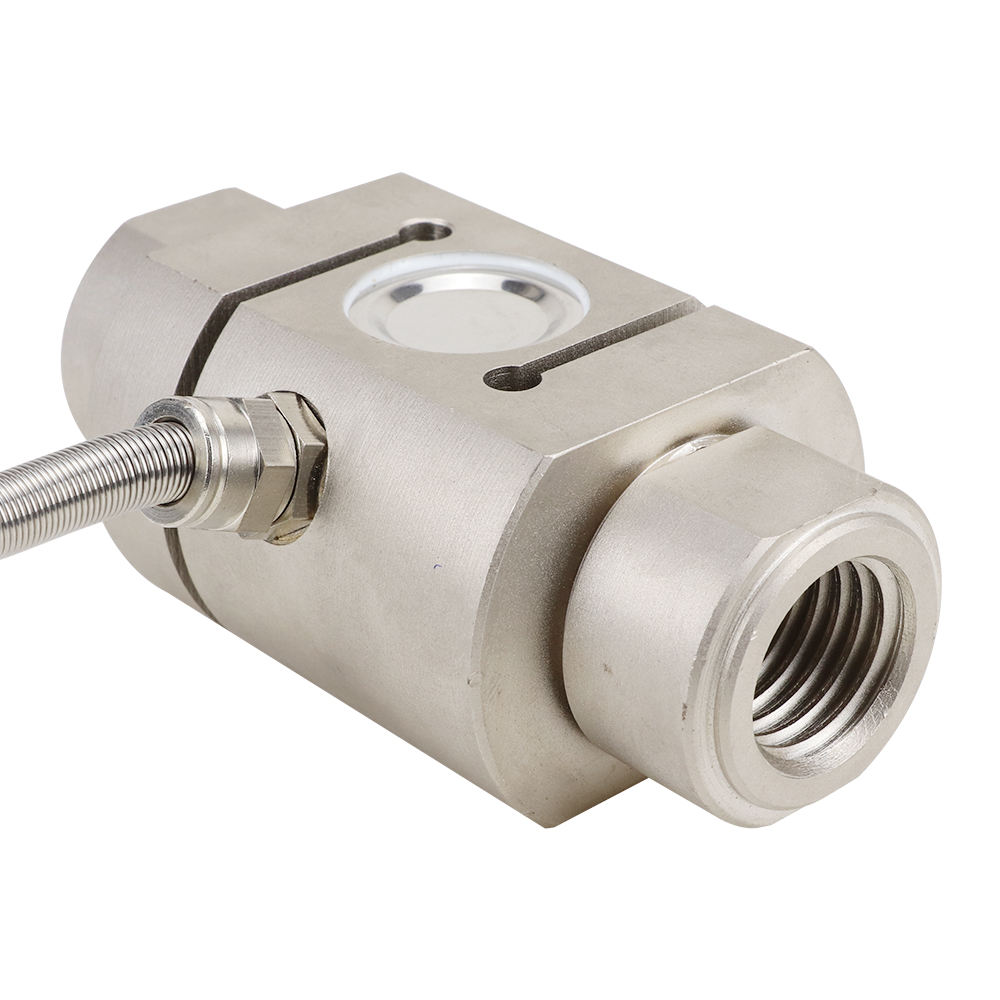
Material: The choice of material affects durability, resistance to environmental factors, and overall performance. Stainless steel is commonly used due to its strength and resistance to corrosion, making it suitable for harsh environments. For example, the Chinese Factory Weighing Compression Tension Junction Box is designed for robust applications.
Temperature Range: Load cells can be sensitive to temperature variations, which can affect their performance. Verify that the load cell can function effectively within the temperature range of your application.
Output Signal: Load cells can output signals in various formats, such as analog or digital. Ensure the output signal is compatible with your existing measurement systems.
These specifications play a pivotal role in the successful integration of load cells into your operations, ensuring that you achieve accurate and reliable measurements.
 EN
EN