Choosing the Right Linear Transducer Sensor

application/linear-transducer-sensor, application/linear-transducer-sensor, 
Inquiry
Inquiry

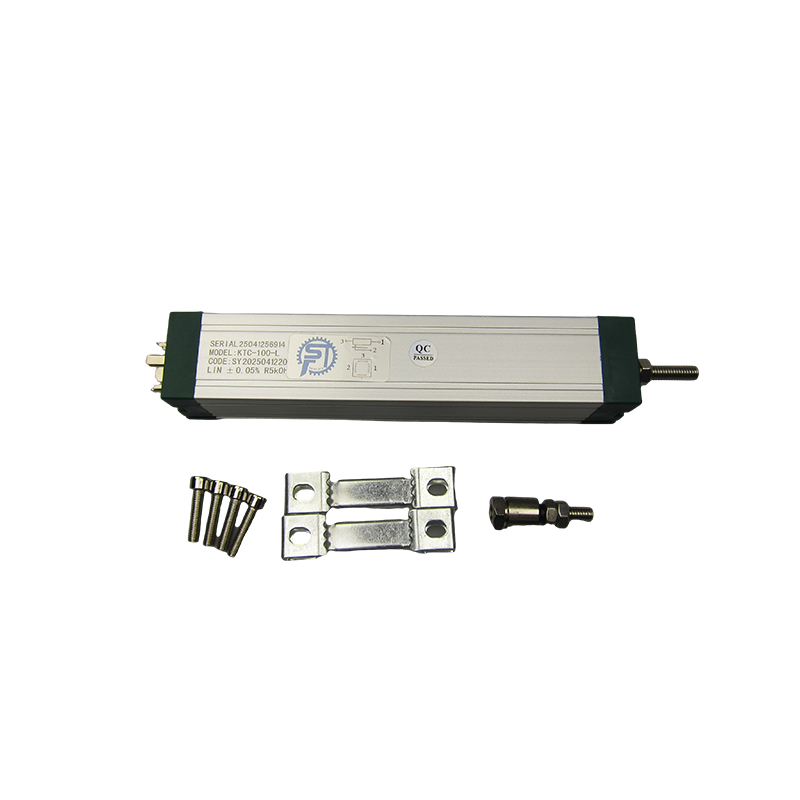
Linear transducer sensor

Linear transducer sensors are critical components in various industrial applications, serving as the backbone for accurate measurements in automation, lifting, and weighing systems. For purchasing managers and engineers, understanding the nuances of these Linear sensor is essential to ensure optimal performance in their specific projects. This article will address key considerations when selecting linear transducer sensors, reliable suppliers, potential purchasing linear transducer sensors challenges, common problems with linear transducer sensors, and insights into their features and performance. 

Where to Find Reliable Suppliers of Linear Transducer Sensors

Where to Find Reliable Suppliers of Linear Transducer Sensors

Finding a reliable supplier for linear transducer sensors can significantly impact your project’s success. Start by researching manufacturers with a proven track record in producing high-precision sensors. Look for suppliers with certifications such as CE and RoHS, which indicate compliance with international quality and safety standards. 

Industry trade shows and exhibitions are excellent venues to meet potential suppliers, allowing you to assess their products firsthand and discuss customization options. Online platforms and industry directories can also provide valuable insights into suppliers’ reputations and client feedback. 

Establishing a partnership with a supplier that offers OEM/ODM solutions, like JIANGXI JINGCE SENSING TECHNOLOGY CO., LTD., can further enhance your project by providing tailored products that meet specific technical requirements. Ensure the supplier is open to communication and responsive to inquiries, as this can be indicative of their commitment to customer service and quality. 

What to Expect When Purchasing Linear Transducer Sensors

What to Expect When Purchasing Linear Transducer Sensors

When purchasing linear transducer sensors, expect to provide detailed specifications to facilitate accurate quotations. Key information typically includes the required measurement range, resolution, output type, and environmental conditions. Be prepared to discuss your application thoroughly, as this will help suppliers recommend the most suitable products. 

Understanding pricing factors is also crucial. The cost of linear transducer sensors can vary based on factors like customization, order volume, and lead time. Typically, manufacturers will have minimum order quantities (MOQ) that can affect per-unit pricing. For instance, ordering in bulk may lead to cost savings, but that must be weighed against your immediate needs and storage capabilities. 

Additionally, inquire about the lead time for production and delivery. This is essential for project planning, as delays can impact timelines. Establishing clear communication regarding timelines can help manage expectations and avoid potential disruptions. 

Common Problems with Linear Transducer Sensors and Their Solutions

Common Problems with Linear Transducer Sensors and Their Solutions

While linear transducer sensors are generally reliable, they can encounter issues that may affect their performance. One common problem is misalignment during installation. Sensors must be installed correctly to ensure accurate readings; improper alignment can lead to erroneous measurements. To mitigate this, provide clear installation guidelines and conduct thorough training for personnel involved in the setup. 

Another issue is signal interference, particularly in environments with high electromagnetic noise. To address this, consider using shielded cables and ensuring that the sensor is positioned away from potential sources of interference. Implementing proper grounding can also enhance signal integrity. 

Regular maintenance is essential to prolong the lifespan of your sensors. Dust and debris can accumulate on Transmitter sensors, leading to inaccurate readings. Establish a routine cleaning schedule and check for physical damage or wear regularly. Proper calibration should also be performed periodically to maintain accuracy over time.  

Features and Performance Insights

Linear transducer sensors come with various features that can enhance their performance in specific applications. One significant feature is the type of sensing technology used, such as potentiometric, inductive, or capacitive. Each technology has its advantages; for example, inductive sensors offer excellent durability and resistance to environmental factors, making them suitable for harsh conditions. 

Additionally, consider the sensor's response time, particularly for dynamic applications where real-time feedback is crucial. A sensor with a rapid response time can significantly improve system efficiency, especially in automation processes. 

Customization capabilities are another important aspect. Many manufacturers, including JIANGXI JINGCE SENSING TECHNOLOGY CO., LTD., offer tailored solutions that can adapt to unique application needs, whether it’s through specific dimensions, mounting options, or output configurations. This flexibility allows for seamless integration into existing systems and enhances overall functionality. 

Lastly, always ensure that the sensors meet international quality standards, as this guarantees reliability and performance consistency across different applications. By paying attention to these features and conducting thorough evaluations, you can select a linear transducer sensor that meets your project requirements effectively.   

Choosing the Right Linear Transducer Sensor for Your Projects

When selecting a linear transducer sensor, several factors must be considered to ensure it aligns with your application requirements. First, evaluate the measurement range, which indicates the maximum and minimum distances the Torque rotary sensor can accurately measure. Selecting a sensor with an insufficient range can lead to inaccuracies, while one with an excessively large range may introduce unnecessary costs. 

Next, consider the resolution, which defines the smallest change in position the sensor can detect. Higher resolution is crucial for applications requiring fine measurements, while lower resolution may suffice for less demanding tasks. Additionally, the output type like analog or digital should be matched with your system’s compatibility. Analog signals are often preferred for continuous measurements, while digital outputs are favored for direct integration with modern digital systems.  

Material selection also plays a vital role in the sensor's durability and performance. For environments exposed to harsh conditions, such as extreme temperatures or corrosive substances, ensure the sensor's casing and components are made from suitable materials like stainless steel or specialized plastics. 

Frequently Asked Questions

What is a linear transducer sensor used for?

A linear transducer sensor measures precise linear displacement or position, used in weighing, lifting, automation, and new energy applications for accurate motion or position feedback.
Our linear transducers provide high-precision measurements with tight repeatability and low hysteresis. Specific accuracy depends on model; consult datasheets or contact us for exact specifications.
We offer analog (mV/V, 4-20mA, 0-10V) and digital interfaces, customizable per OEM/ODM requirements to integrate with PLCs, controllers, and data acquisition systems.
Products are manufactured under strict quality control and comply with CE and RoHS certifications. We test sensors for stability, accuracy, and environmental resilience before shipment.
Yes. We offer OEM/ODM customization for ranges, mounting, outputs, and environmental protection to meet specific application needs in lifting, weighing, and automation.

Get a Free Quote

Our representative will contact you soon.
0/1000